
When Is It Time to Start Your Own Trail Organization?
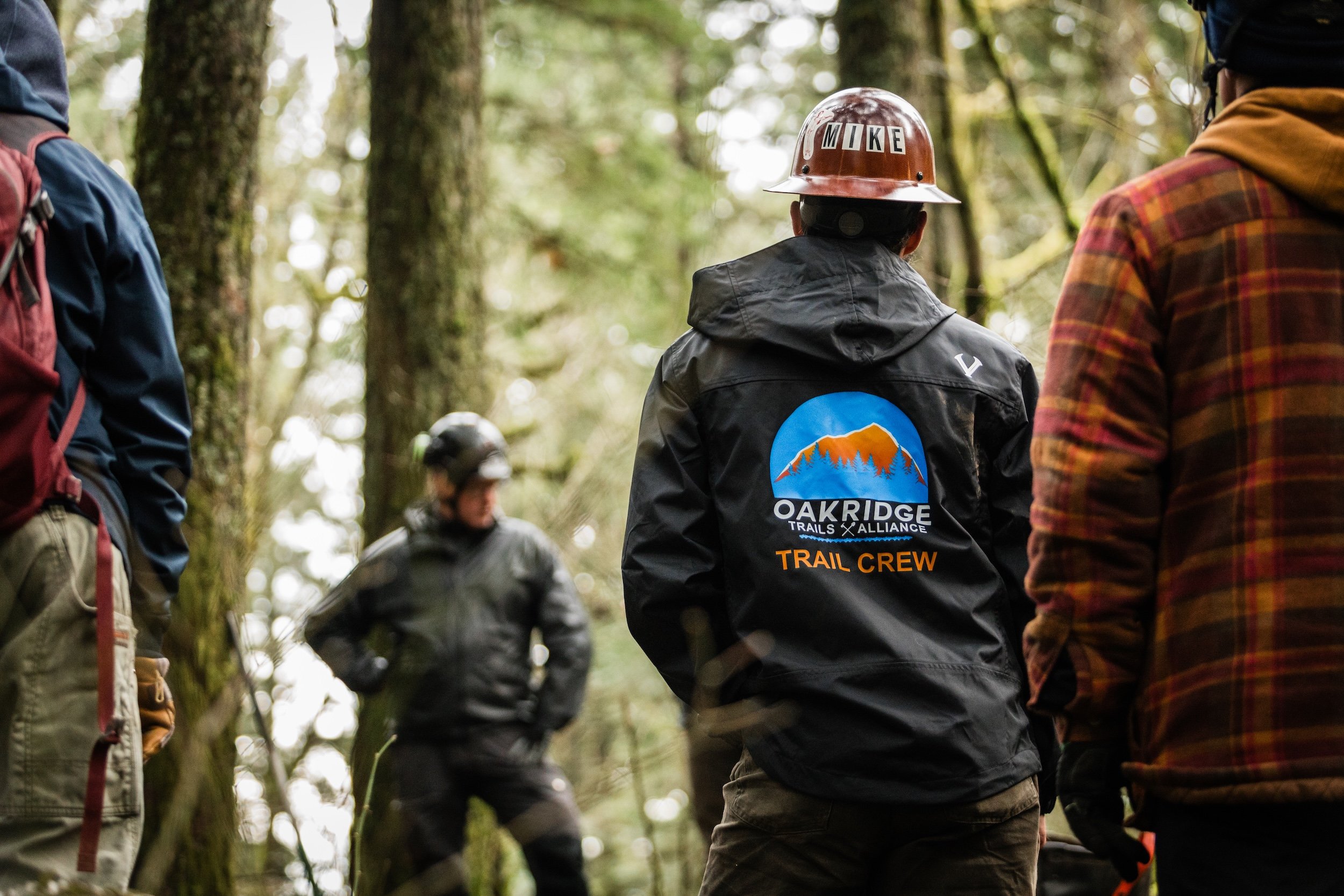
A trail project often begins with a person.
Someone sees an opportunity for a new trail system. Or maybe they recognize that existing trails need more attention. Or they start asking why their community doesn’t have better trail access.
They begin talking to other people. A few riders get interested, and they chat about it over beers at a local brewery after a ride. Someone knows a land manager. Another person has experience with grants. A local bike shop wants to help.
Eventually, someone asks the bigger question: "Hey, should we start our own trail organization?"
Is a Black Trail Really a Black Trail? Inside the Push for a Global Trail Rating System
A blue trail in one mountain bike destination can feel suspiciously like a black trail somewhere else.
For experienced riders, figuring out those differences may simply be part of visiting somewhere new. But inconsistent trail ratings create a larger challenge for riders, trail builders, land managers, and destinations trying to communicate what someone should expect before dropping into a trail.
What if there were a common language?
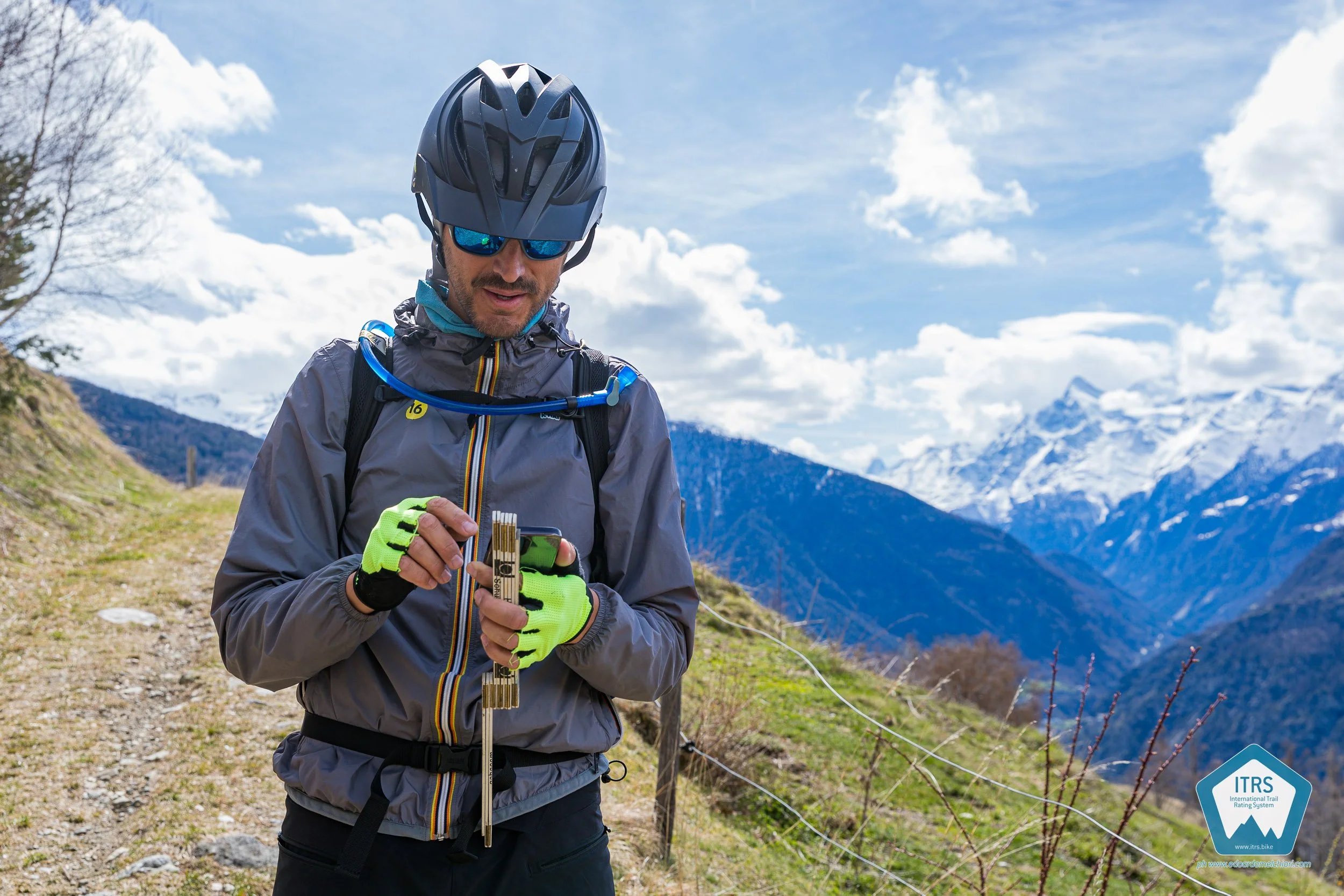
That is the problem Mischa Crumbach and Edoardo Melchiori are attempting to address through the International Trail Rating System, or ITRS.
Women Trail Builders Spotlight: Zelzin Aketzalli
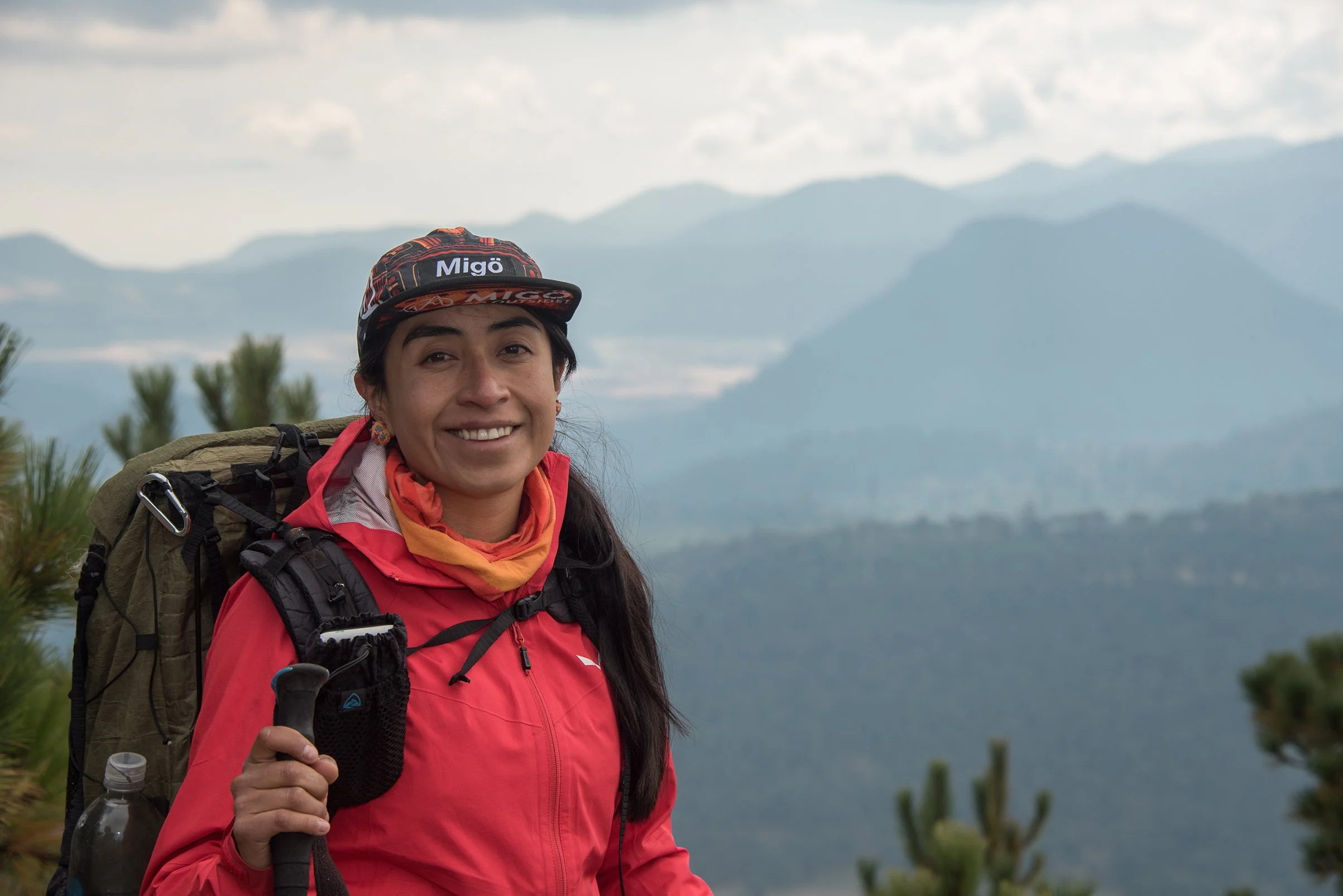
Trail building can take people in unexpected directions. For Zelzin Aketzalli, the path to working on trails stretches from the streets of Mexico City to mountain bike racing, thousands of miles of long-distance hiking, the jungles of Mexico, and trail projects across the United States.
Growing up in Iztapalapa, Mexico City, Aketzalli learned early how determination, sport, and time outdoors could shape a life. She went on to study engineering, race cross-country mountain bikes, complete the Pacific Crest Trail, and eventually become the first person from Mexico to complete the Triple Crown of Hiking.
Along the way, trail building became another part of that journey.
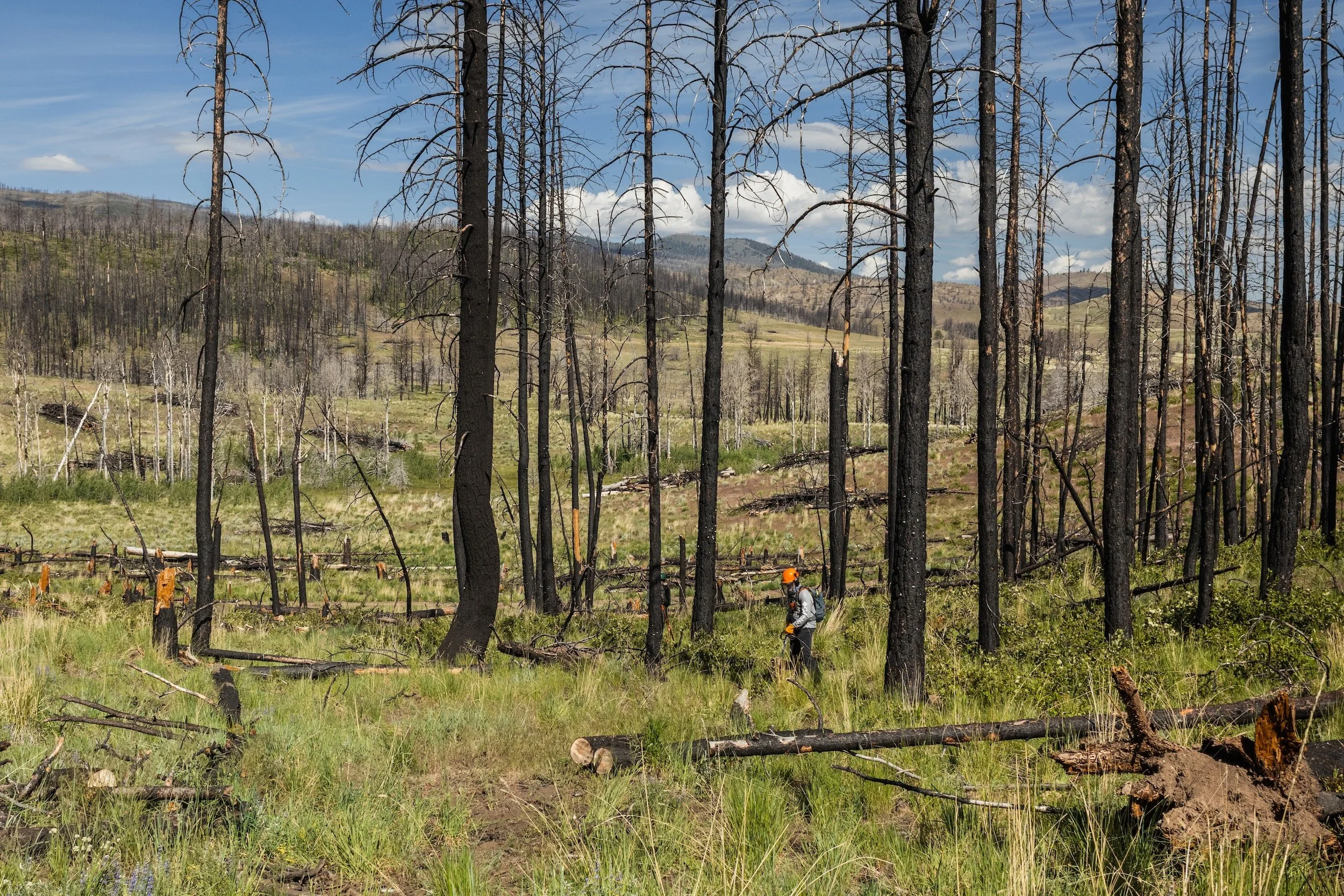
The Trust Gap: Why Rural Communities Don’t Always Welcome New Trails
Mountain bike trails and bikepacking routes can create opportunities for rural communities. Long-term success, however, depends on earning the support of the people who already call those places home.

Designing for All Riders: How to Build Trails That Welcome Adaptive Riders
The first time I saw an adaptive mountain bike on a trail, it was humbling. Not because the rider was struggling, far from it, but because I realized just how much I take for granted: the trail width, the turning radius, and even access to the trailhead itself. What I saw that day was joy. Pure trail joy.
But I also saw limits. The trail narrowed, and just like that, the ride was over. Not because the rider wasn’t capable, but because the trail wasn’t.
It was a reminder that “everyone’s welcome” only means something if the trail itself is saying the same thing.

Building Trails with Character: The Story Behind the Axolotl Trail
In Aztec lore, Axolotl is the god of fire and lightning. Legend has it that he turned himself into a salamander to avoid being sacrificed. If you Google the word “axolotl,” you’ll find all kinds of articles on the Aztec god and the namesake salamander, originally found in several lakes underlying what is now Mexico City. Someday, if you Google that name again, the search engine just might point you to a mountain bike trail outside of Portland, Oregon.
