
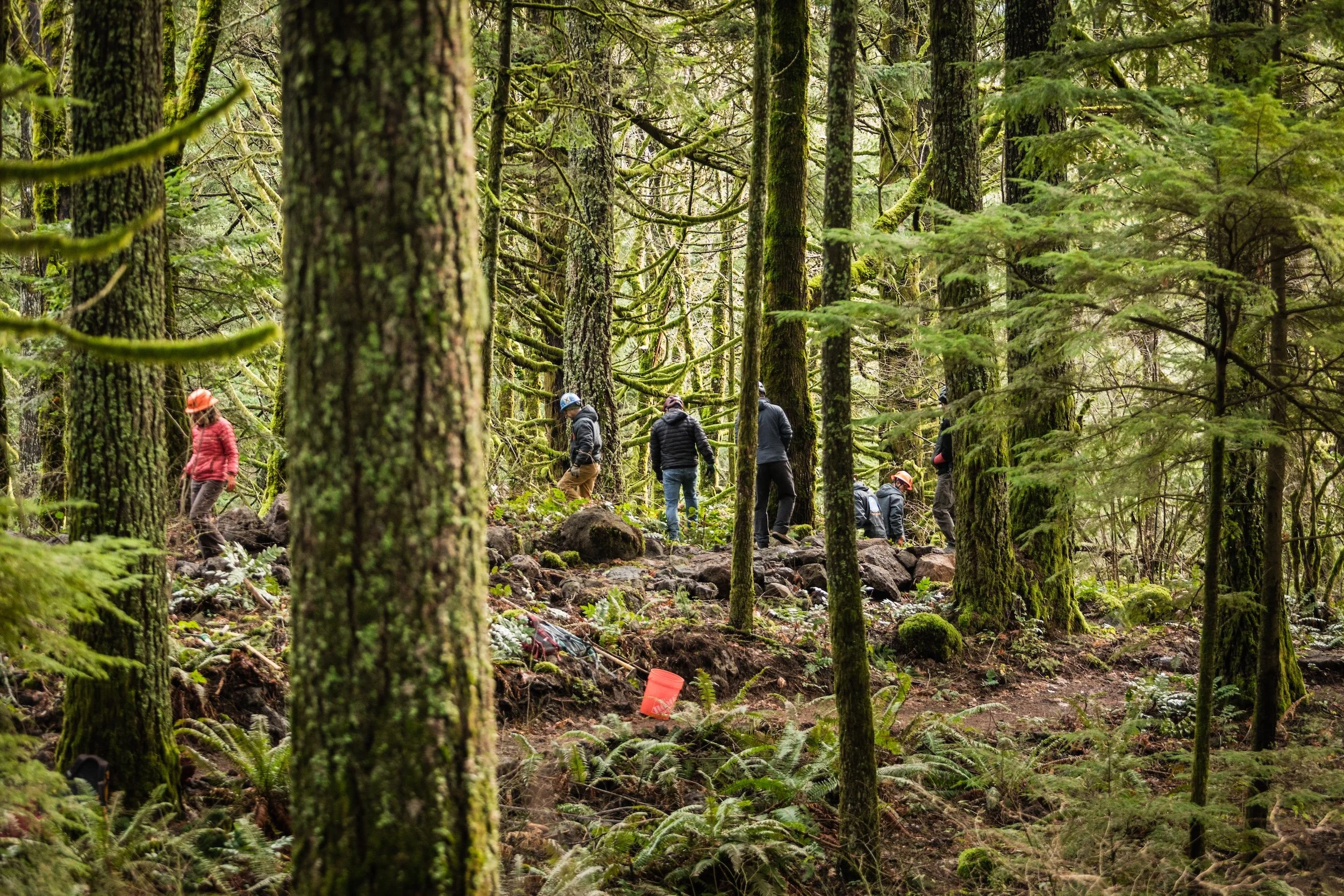
Making the Case for Trails
A Practical Guide to Economic Impact in Rural Communities
Trail leaders know trails matter. City councils want to know why they should fund them.
Making the Case for Trails is a practical, grounded ebook for trail organizations and rural advocates who need to justify trails in economic terms and build community buy-in before funding follows.
This is not a report nor a manifesto. What is it? It’s a guide for real conversations in real towns.
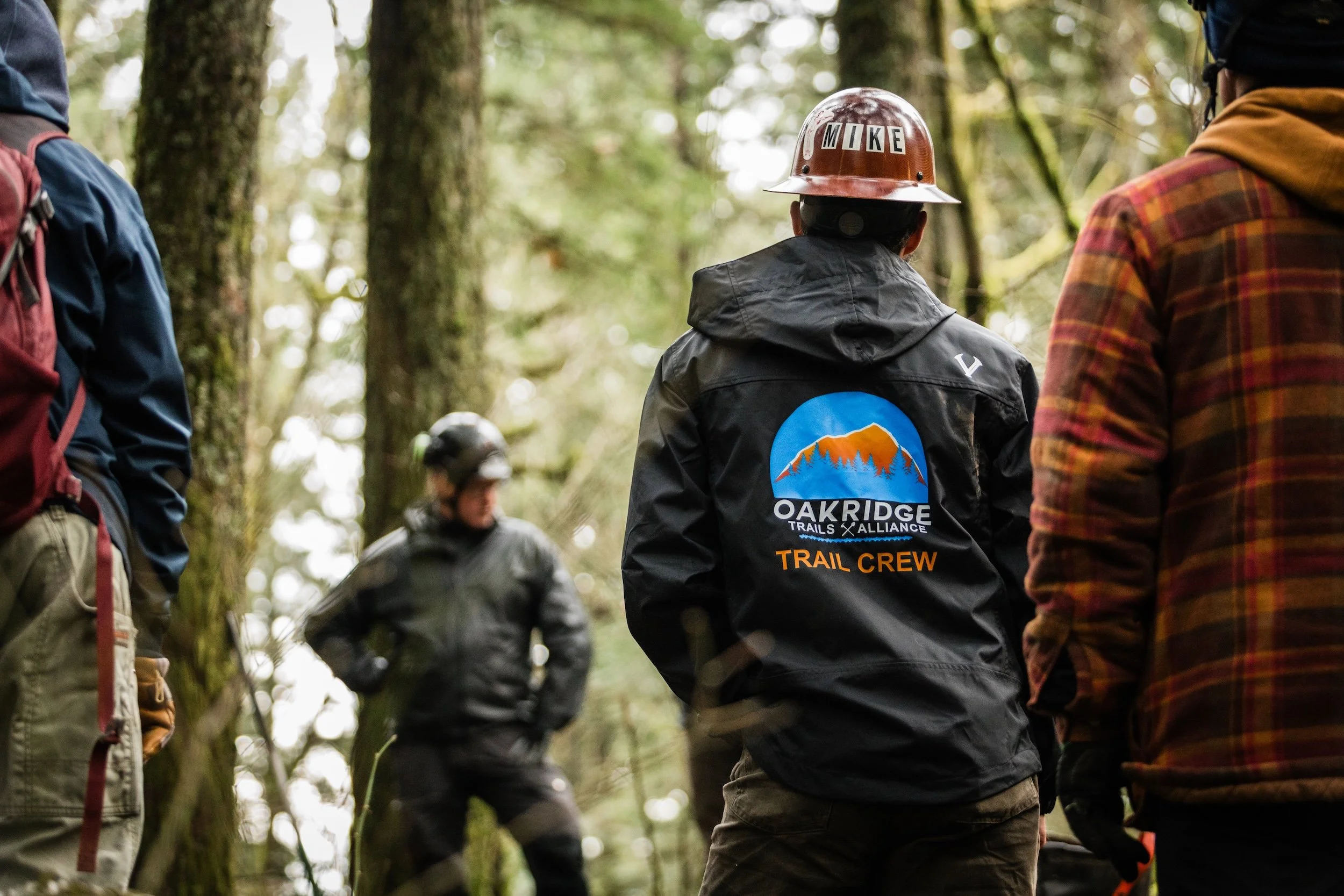
Making the Case for Trails
Why This Guide Exists
Many trail organizations struggle at the same moment.
They can explain why trails matter socially and culturally, but feel unsure when the conversation turns to dollars, jobs, and economic impact.
This guide exists to close that gap.
It helps trail leaders translate trail impact into language that resonates with decision-makers, without exaggeration or technical overload.
If you’ve ever walked into a meeting feeling underprepared to answer economic questions about trails, this book was written for you.
What This Ebook Helps You Do
Inside Making the Case for Trails, you’ll learn how to:
Explain how trails contribute to local economies in plain language.
Understand what city councils actually care about when making funding decisions.
Measure basic economic impact without hiring PR firms that don’t know trails.
Use events and early data to build credibility before trails exist.
Translate volunteer effort and partnerships into economic value.
Walk into meetings with more confidence and less uncertainty.
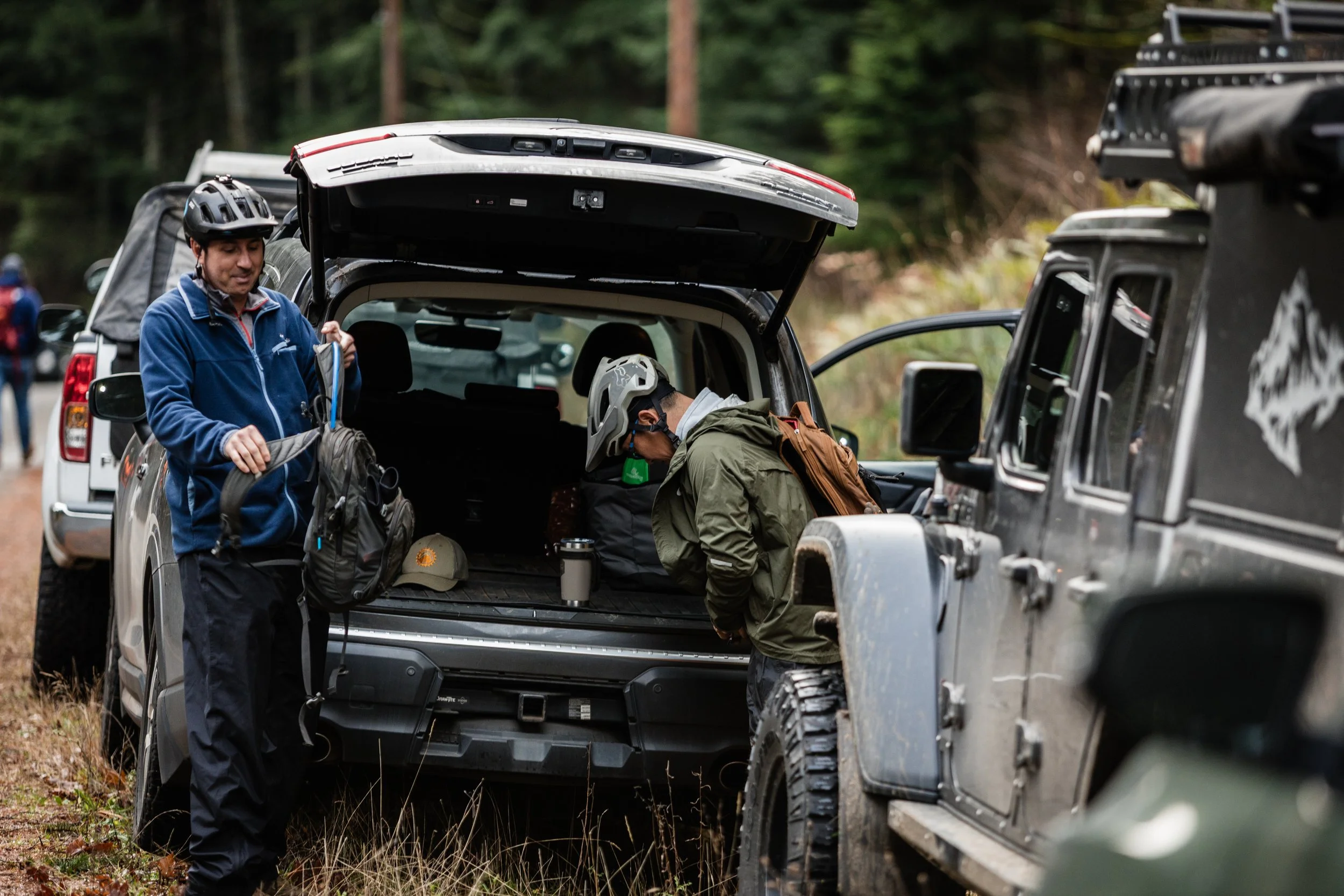
Who This Book Is For
This ebook is written for:
Leaders and advocates inside nonprofit trail organizations.
Rural communities with limited or emerging trail infrastructure.
Trail builders working to gain buy-in before funding conversations begin.
Anyone responsible for explaining why trails matter beyond recreation.
If your work depends on public support, public trust, or public funding, this guide will help you.
Table of Contents
Introduction: Why Liking Trails Is Not the Same as Funding Them
Chapter 1: Trails Create Jobs, Not Just Recreation
Chapter 2: The Gravel Advantage: Starting Small Without Thinking Small
Chapter 3: The Trail Town Question: When Branding Helps and When It Hurts
Chapter 4: What City Councils Actually Care About
Chapter 5: How to Measure Economic Impact Without a Consultant
Chapter 6: Events as Proof: Using Races and Media to Build Early Data
Chapter 7: From Volunteer Hours to Real Dollars
Chapter 8: Avoiding Performative Support and Empty Partnerships
Chapter 9: Walking Into City Hall With Confidence
Conclusion: From Passion Project to Public Investment
