The Overlooked Benefits of Trails in Rural Communities That Don’t Show Up in Economic Reports
Why Trails Matter in Rural Communities Beyond Economic Impact
When rural communities talk about trails, the conversation usually centers on economic impact.
Visitor spending. Job creation. Grants. Tourism metrics.
Those numbers matter ... A LOT. They help unlock funding, justify investment, and give trail advocates the language they need in meetings with elected officials and agency partners.
But economic impact is only part of the story.
In many rural communities, the most meaningful benefits of trails appear long before the first overnight visitor arrives. They show up in how people engage with their town, how they talk about the future, and how momentum slowly replaces stagnation.
Today, we’re going to look beyond the spreadsheets to explore the overlooked benefits of trails in rural communities. The social, cultural, and civic impacts that rarely make it into reports, but often determine whether trail projects succeed, stall, or endure.
Trails Create Momentum in Rural Communities Before Tourism Arrives
We know that many rural communities are not short on ideas. Instead, they are short on momentum.
Years of stalled projects, declining industries, or unfulfilled promises can quietly erode confidence. Even good ideas start to feel heavy when nothing seems to move forward.
Trail development introduces visible progress. It’s tangible.
A new section opens.
A long-problematic segment gets rerouted.
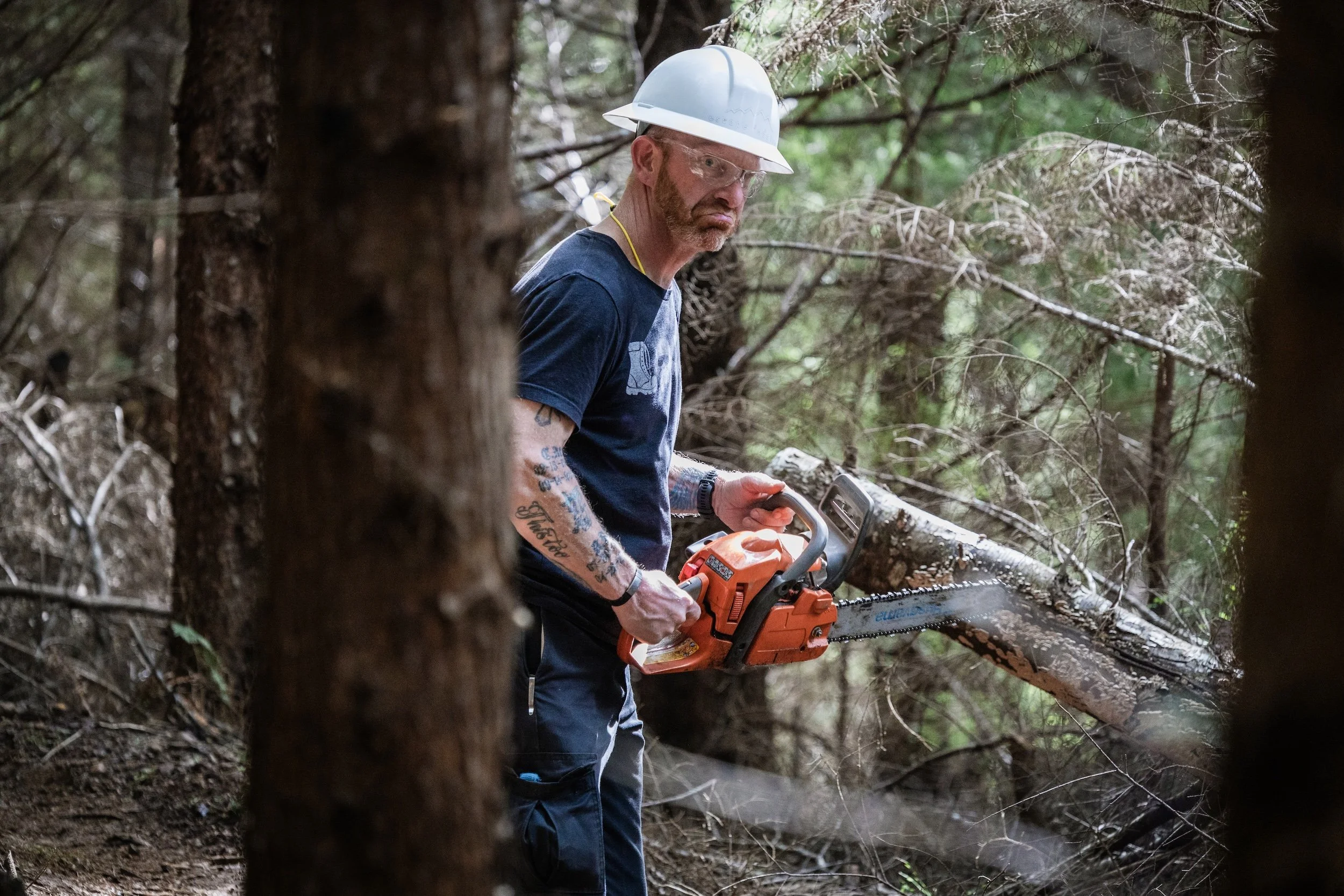
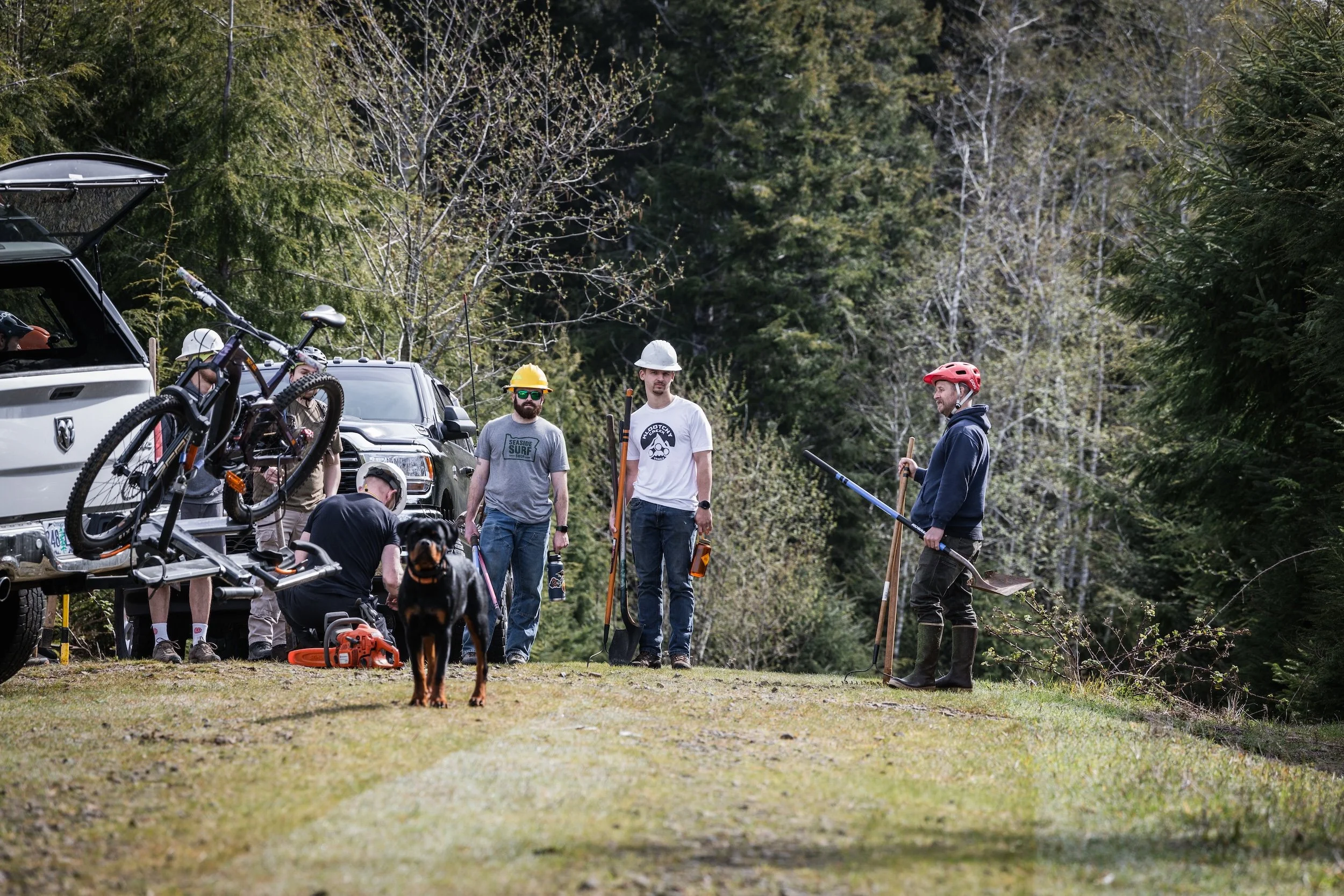
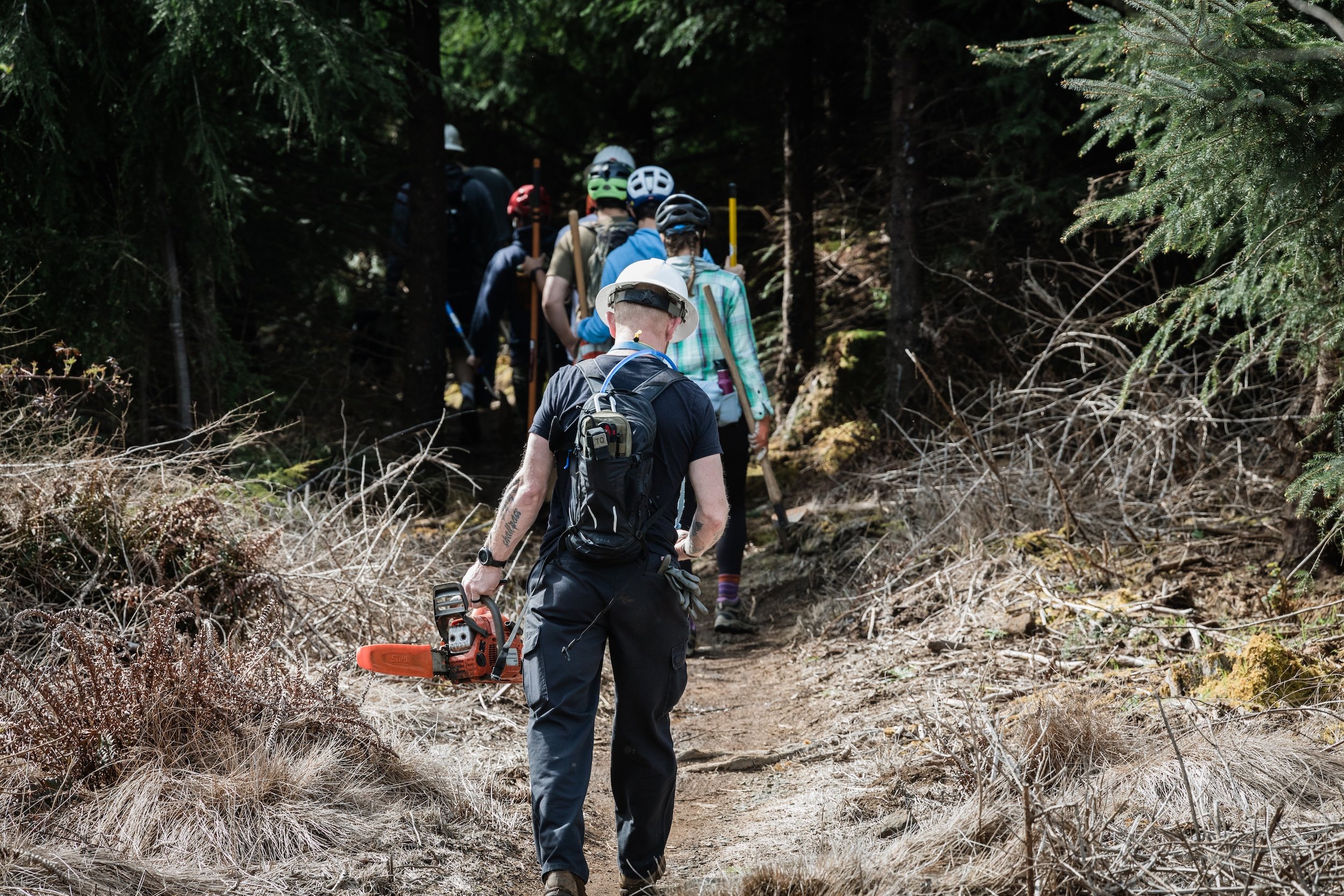
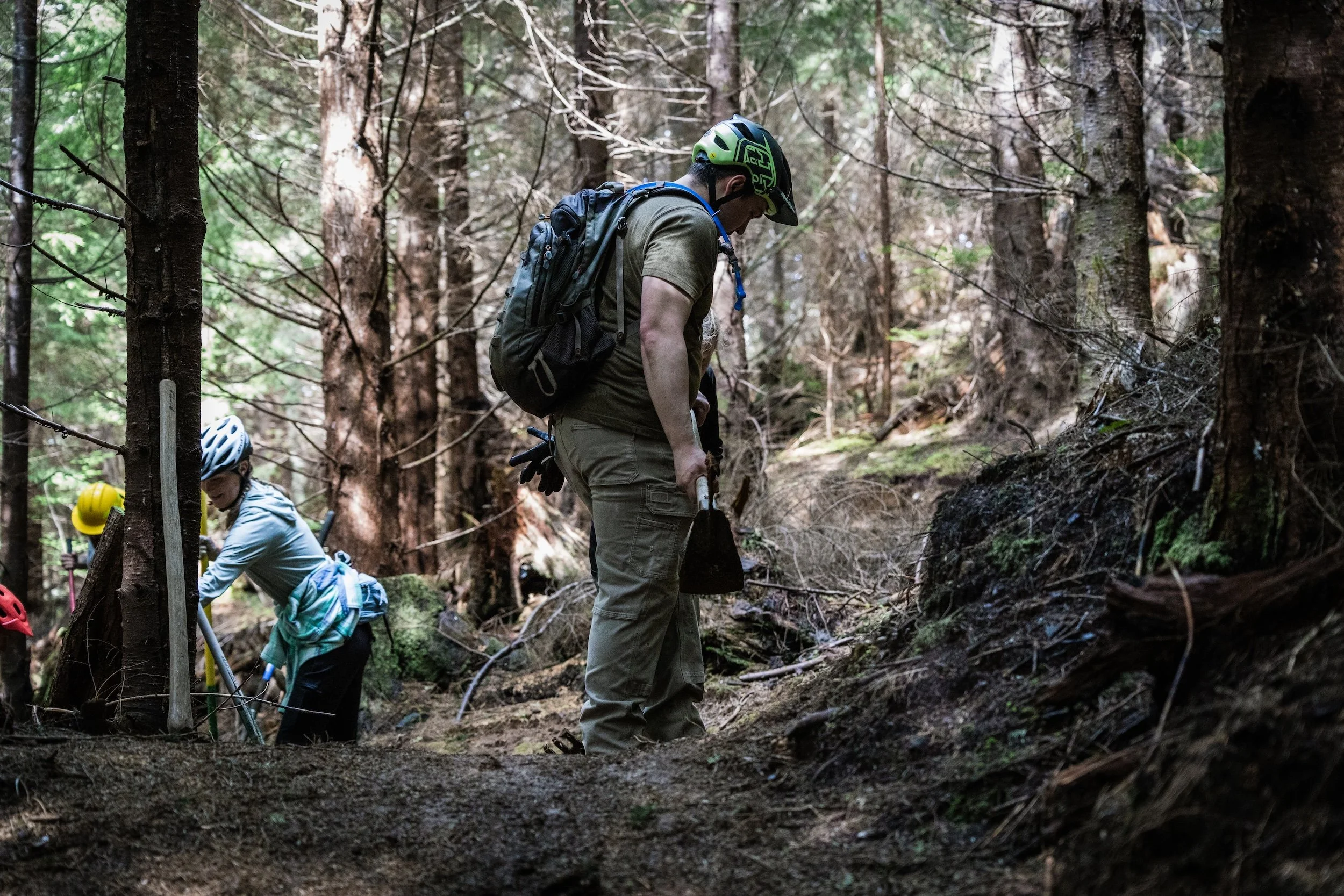
A dig day draws a dozen people who have not worked together before.
These moments matter more than you realize. They create proof that effort leads somewhere. That change does not require a massive outside investment to begin.
Momentum changes how people talk about their town. And over time, how they imagine its future.

Trails Give Young People a Reason to Stay or Come Back
Trails are rarely discussed in conversations about rural youth retention, but they should be.
For many young people, trails offer belonging along with recreation.
Trail work becomes a place to contribute, to learn practical skills, and to feel connected to something tangible. It creates leadership opportunities that do not require credentials or titles.
In some communities, trails are the first thing young adults mention when explaining why they stayed, or why they chose to return after leaving.
While trails don’t solve every problem, they do signal something important. That the community is investing in quality of life, not just survival.
Trails Strengthen Rural Identity Without Reinvention
Rural communities are often told they need to reinvent themselves to survive.
Trails do something different. They reinforce what already exists.
Local landscapes.
Local history.
Local knowledge of soil, weather, and land stewardship.
Trail systems are shaped by place and reflect the terrain, climate, and culture of the people who build and maintain them. Instead of importing an identity, trails help communities reconnect with their own.
Communities that understand their value are better positioned to advocate for themselves and guide growth on their own terms.
Trails Build Trust Before They Drive Tourism
Before trails attract visitors, they build trust locally.
Trust between volunteers.
Trust between organizations.
Trust between land managers, nonprofits, and community members.
Trail work requires coordination, compromise, and consistency. It brings people together around shared effort rather than abstract goals. Over time, those relationships become the foundation for future projects, both related to trails and beyond them.
This is why trails succeed in some places and struggle in others. This is not tied solely to terrain or funding, but rather to whether trust was built early ... or not.
Communities that invest in relationships first are better equipped to manage growth when interest increases.
Trails Create Low-Barrier Civic Engagement in Rural Communities
Civic engagement does not always look like meetings and committees.
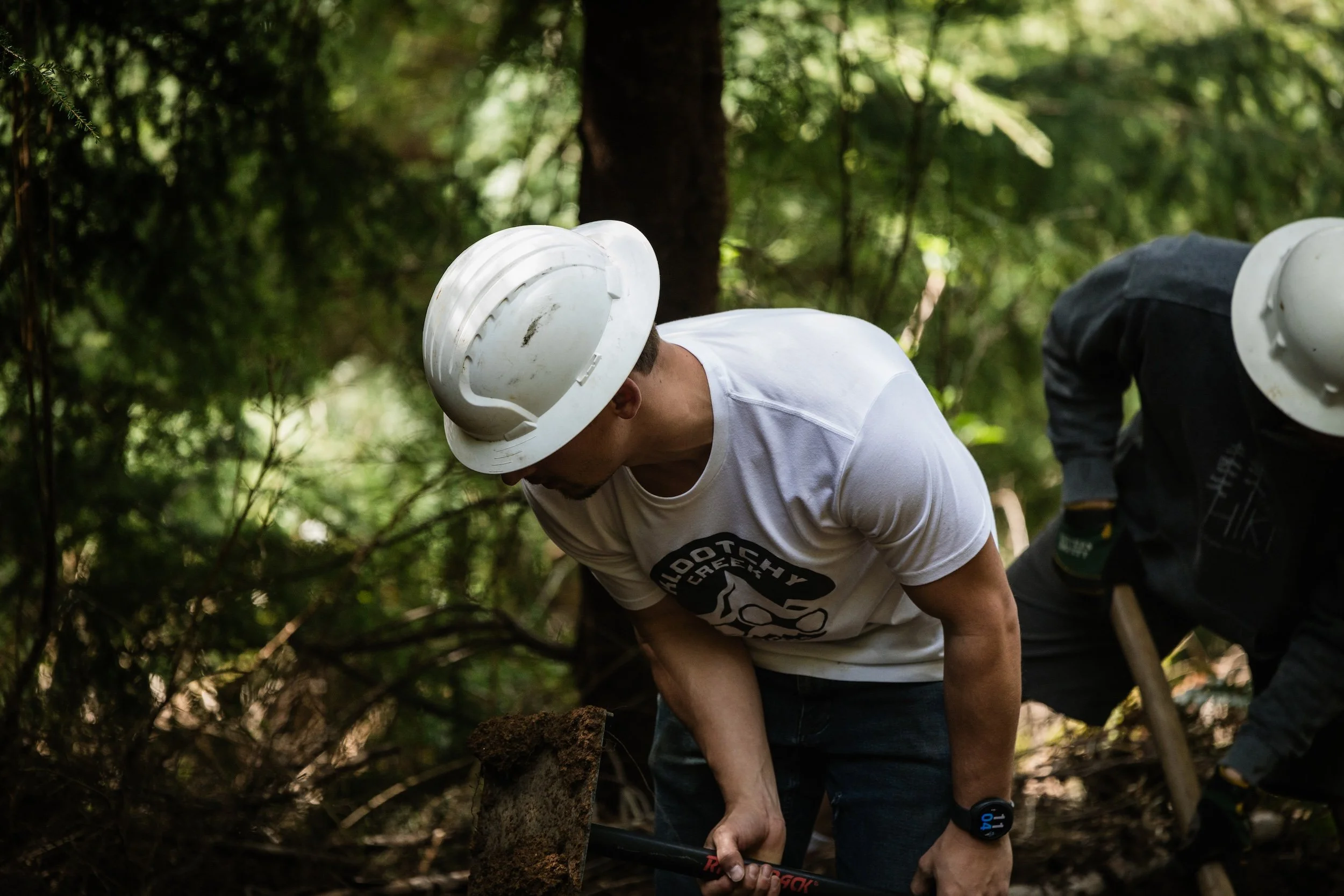
Many people are more willing to show up with tools than to speak at a podium.
Trail building offers a low-pressure, hands-on way to participate in community life. No speeches. No formal roles. Just shared work.
Over time, these informal contributions often lead to deeper involvement. Volunteers become advocates. Advocates become leaders. People who never saw themselves as part of local decision-making begin to speak up.
Trails build civic capacity, even if that is not their stated goal.

Trails Change the Story Communities Tell Themselves
Perhaps the most overlooked benefit of trails is narrative.
Trails help communities shift from stories of decline to stories of action.
From waiting to building.
From scarcity to capability.
From being overlooked to being invested.
This internal shift often happens before economic indicators improve. When people believe their community can build something meaningful, they are more willing to pursue partnerships, funding, and long-term planning.
The story changes first. The outcomes follow.
Why These Benefits Matter for Economic Development
None of this replaces the importance of economic impact data.
It strengthens it.
When rural leaders understand the full range of benefits trails bring, economic conversations become more grounded and more honest. Trails stop being framed as amenities and start being understood as community infrastructure.
That shift leads to better decisions, more intentional growth, and trail systems that last.
Conclusion: Seeing the Full Value of Trails in Rural Communities
Economic impact matters. It always will.
But trails do more than generate spending. They build momentum, strengthen identity, foster trust, and reshape how rural communities see their future.
These benefits are harder to measure, but they are often the reason trail projects endure long enough for the numbers to catch up.
If communities want trails that last, they must look beyond reports and recognize the deeper work trails are already doing.

Sean is the Founder and Editor-in-Chief of Trail Builder Mag, a digital media instructor, and the Communications Director for the Northwest Trail Alliance in Portland, Oregon. Email: sean@trailbuildermag.com