
Field Notes: An Off-Grid Coffee Setup That Fits Real Trail Builder Workflows
Trail builders rarely start their day near an outlet. More often, the morning begins at a remote trailhead or in our neck of the woods, a base camp tucked deep into a cold, damp Pacific Northwest forest. When that is the reality, hot water is not a luxury. It is part of the workflow.
This field note looks at a simple question trail crews may be asking. As more crews rely on battery systems and vehicle-based power, does electric camp gear actually make sense in the field?
To answer that, I spent a cold morning brewing coffee off-grid with the Stoke Voltaics Kettle Pot, paired with Off the Grid coffee from Treeline Coffee Roasters (I know, a “rough” morning). What follows is less a traditional gear review and more a trail builder workflow story.
Why Hot Water Still Matters in Trail Work
Trail building culture has always overlapped with overlanding and vanlifing. Long days. On the road. Limited infrastructure.
Hot water plays a bigger role than we often admit (assuming it is paired with coffee or hot chocolate). It brings crews together. It creates a pause before tools come out. It sets the tone for the day. Traditionally, that role has belonged to gas stoves. They work, but they also introduce fuel management, open flames, and consumables that add friction.
Electric systems remove some of that friction, if you already have power.
Using the Stoke Voltaics Kettle Pot
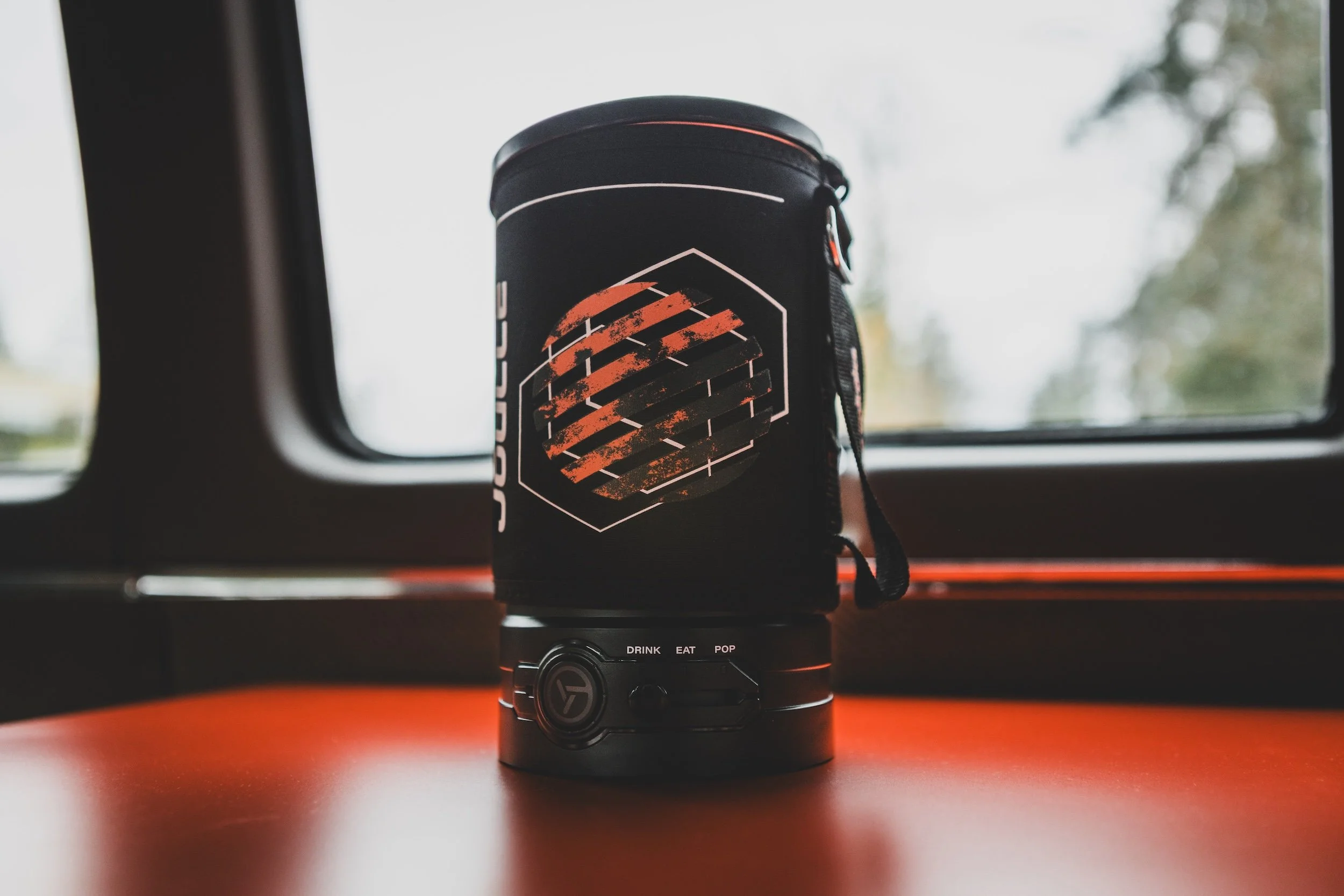
This test did not happen at a dig day. It happened in Nacho the Van while driving up one of the many volcanoes in the PNW. I pulled over, connected a portable power station, and put the Kettle Pot to work.
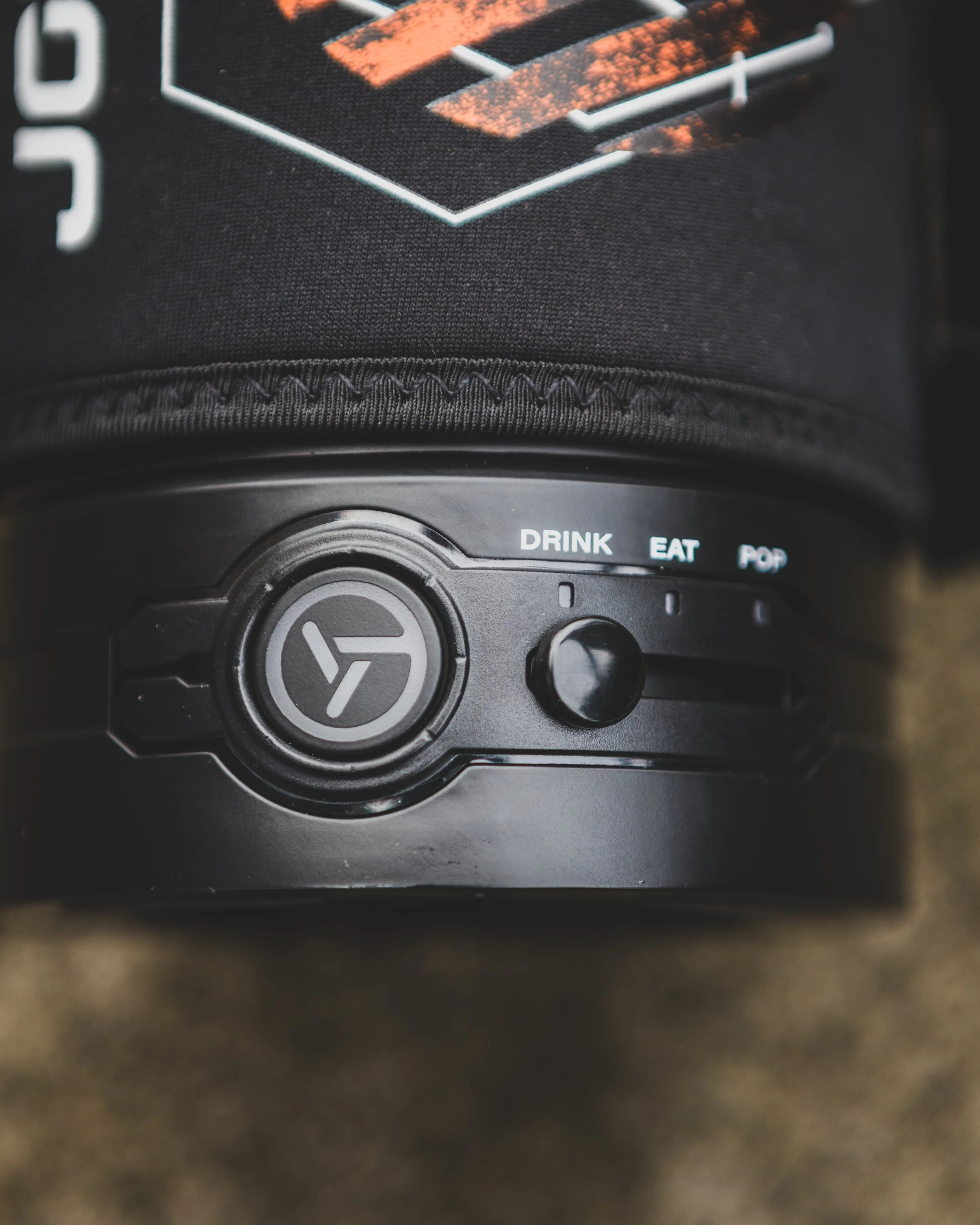
The experience was straightforward. Water heated quickly, even in cold conditions. There was no setup ritual. No ignition. No fuel to check. Plug in, add water, wait briefly.
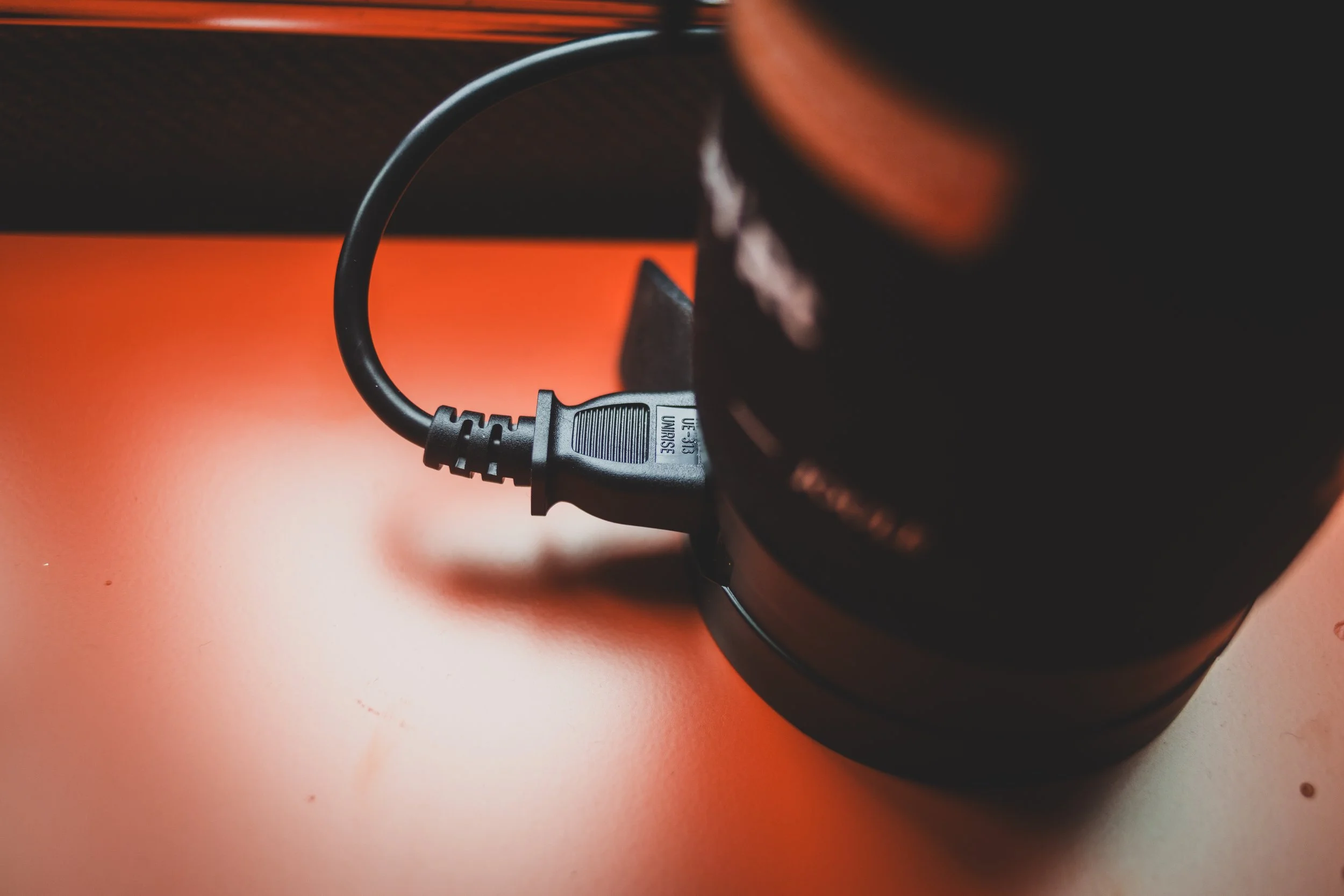
Electric Kettle vs Gas Stove for Trail Crew Base Camps
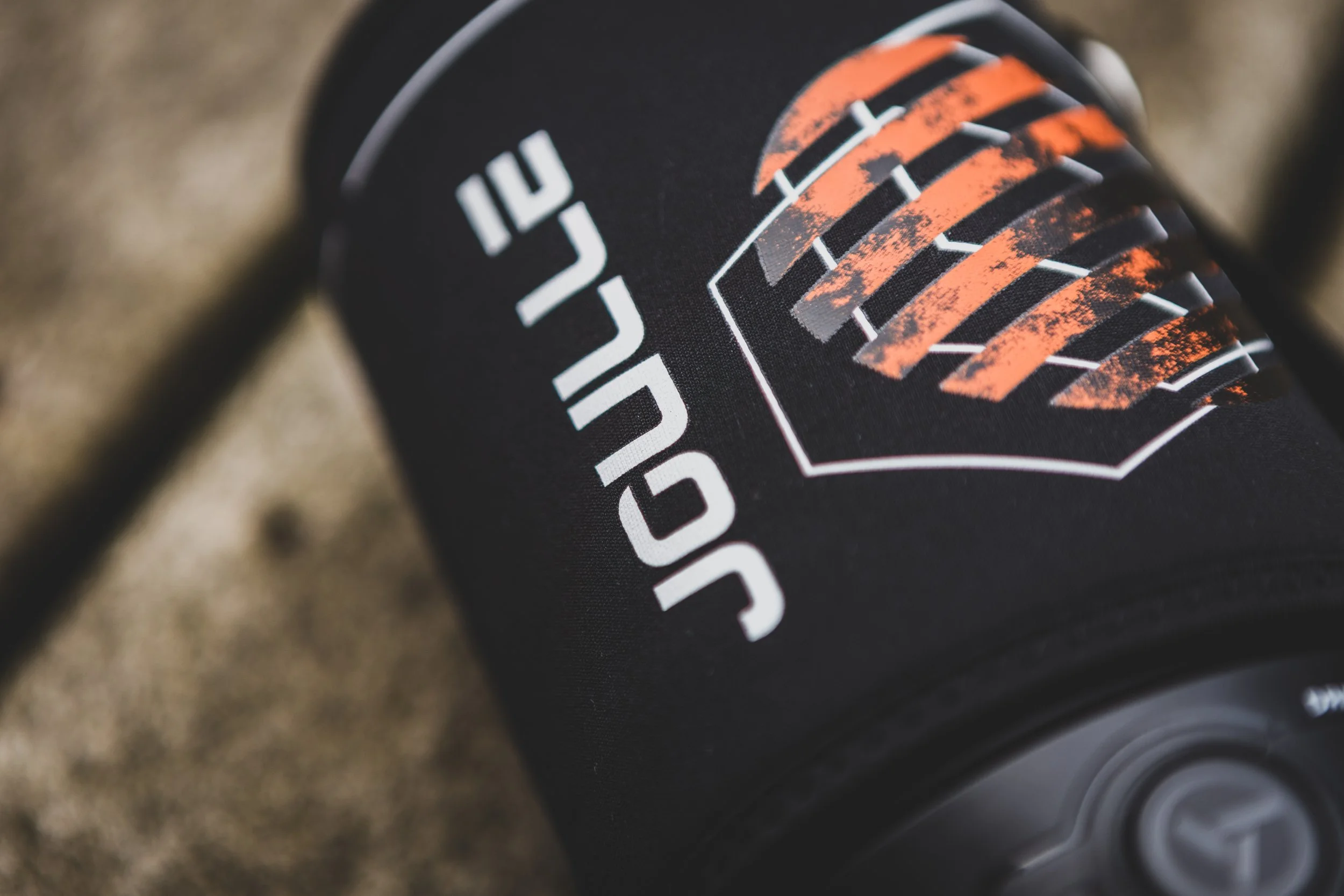
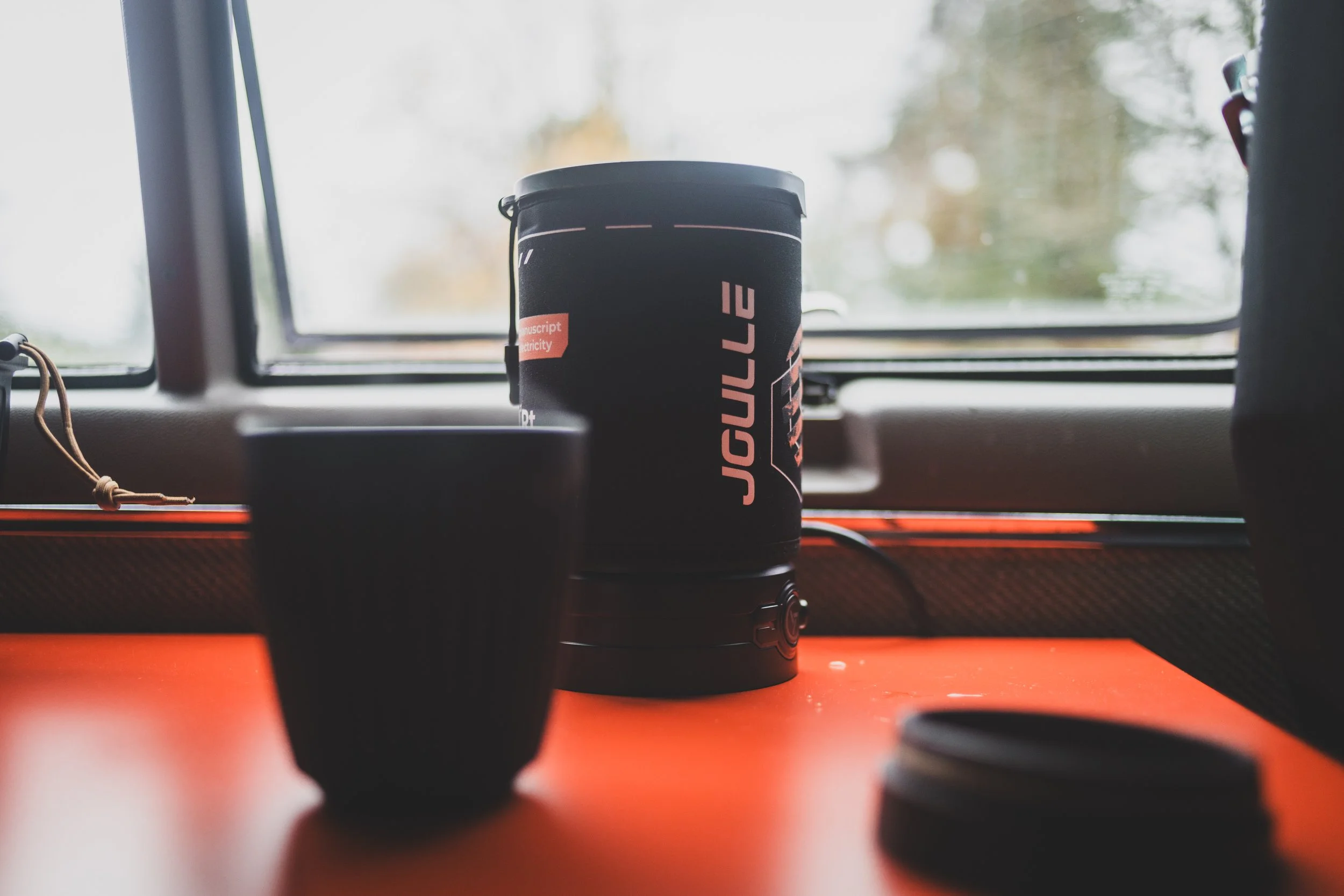
At first glance, the Kettle Pot will look familiar to anyone who has used a Jetboil-style system. Compact. Self-contained. Built around efficiency.
The difference is what it does not rely on.
No gas canisters.
No open flame.
Instead, it runs entirely on electric power from a portable battery or vehicle system. For crews already charging radios, lights, and battery tools, this fits naturally into existing setups.
This is not bikepacking gear. It is best understood as a base camp or vehicle-adjacent tool. For remote trailheads and multi-day projects with a power hub, that distinction is important.
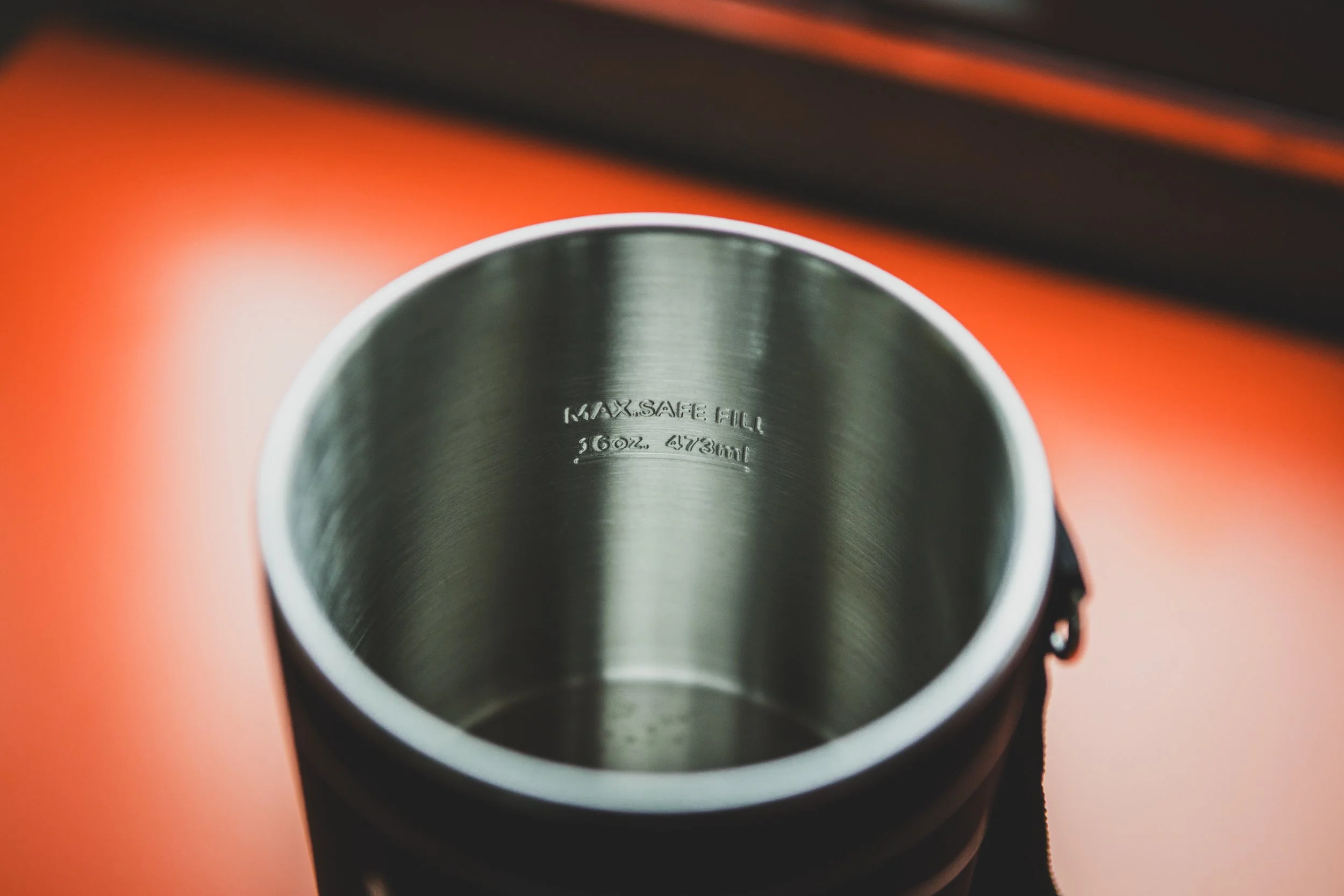
Stoke Voltaics Kettle Pot Specs That Matter in Practice
Pulled directly from the product page, here is what trail builders should know:
Electric kettle and cooking pot combination
Designed for off-grid use with portable power stations (Works with any 500W+ power station or AC outlet)
Compact, all-in-one form factor similar to common camp systems
Fast water heating for coffee, meals, and hydration
No fuel canisters or flame management
The main limitation is power availability. Without a battery system, this tool is not useful.
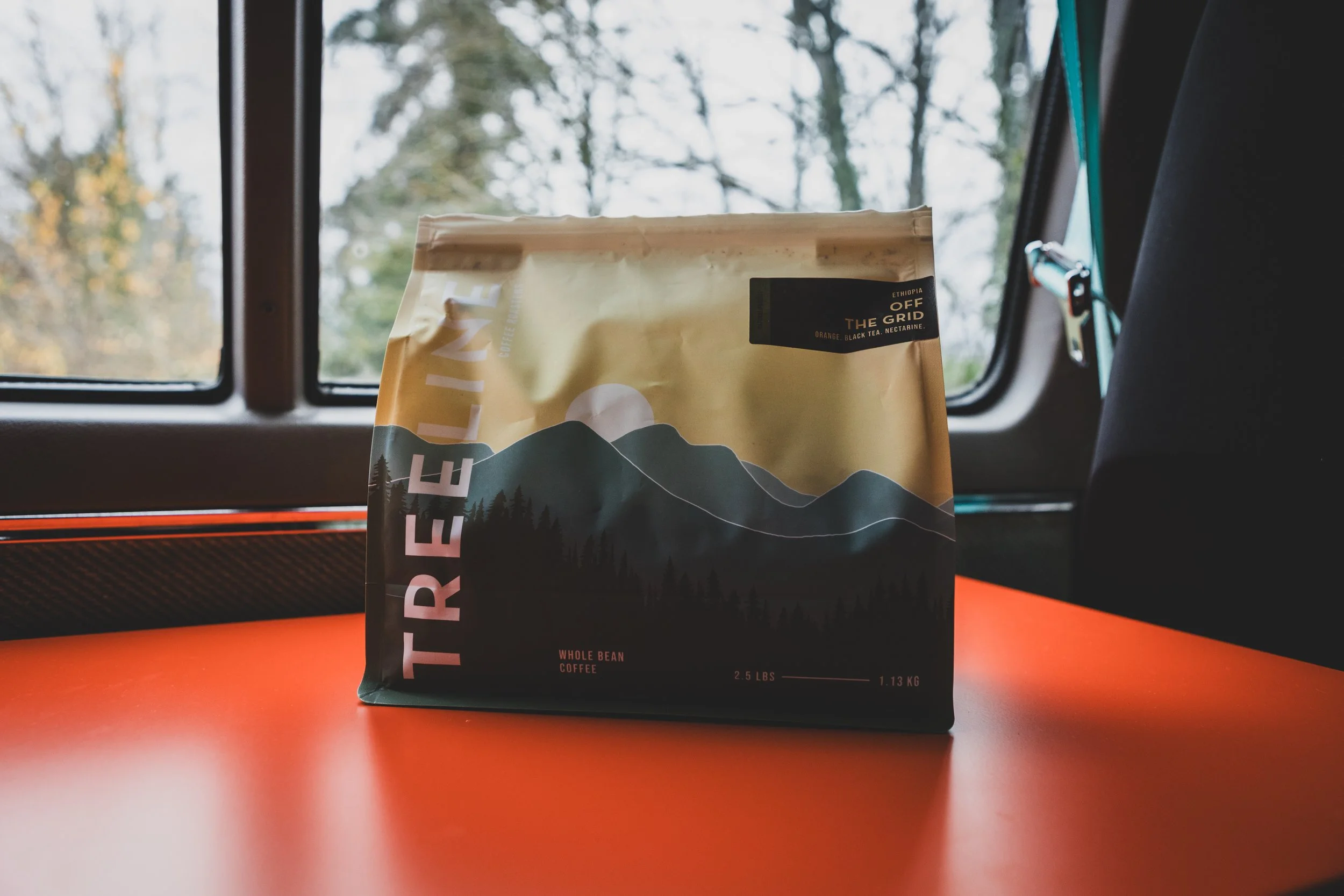
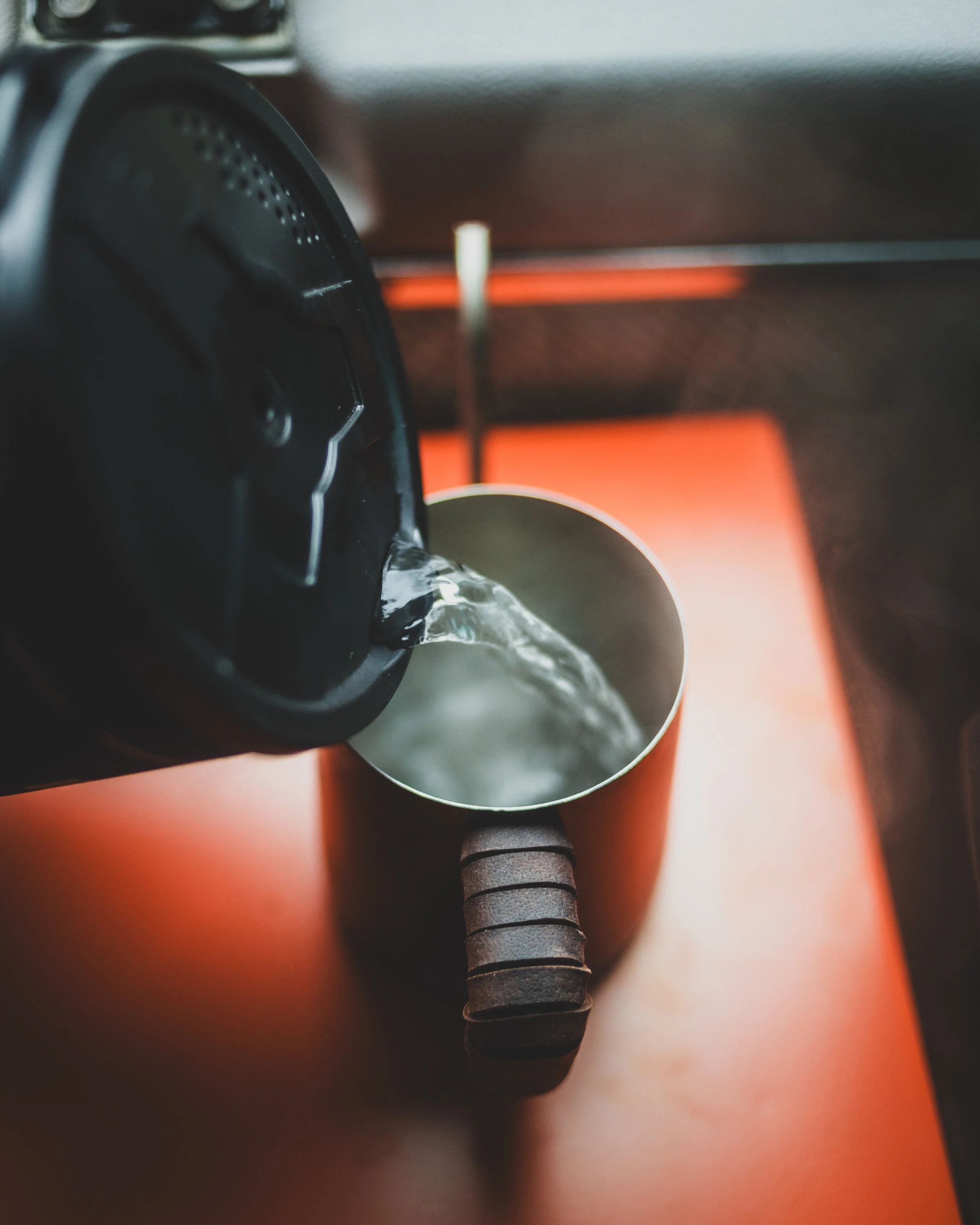
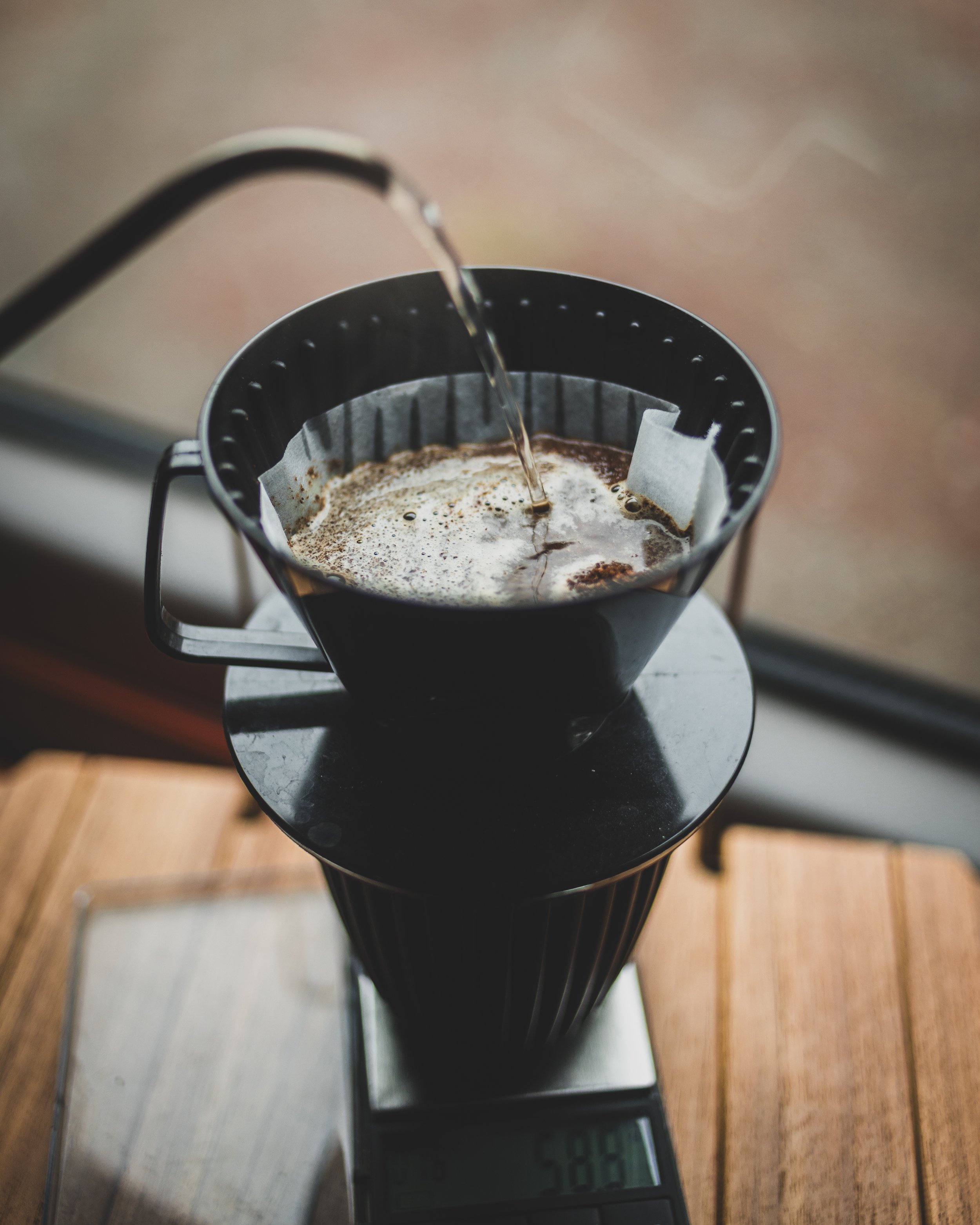
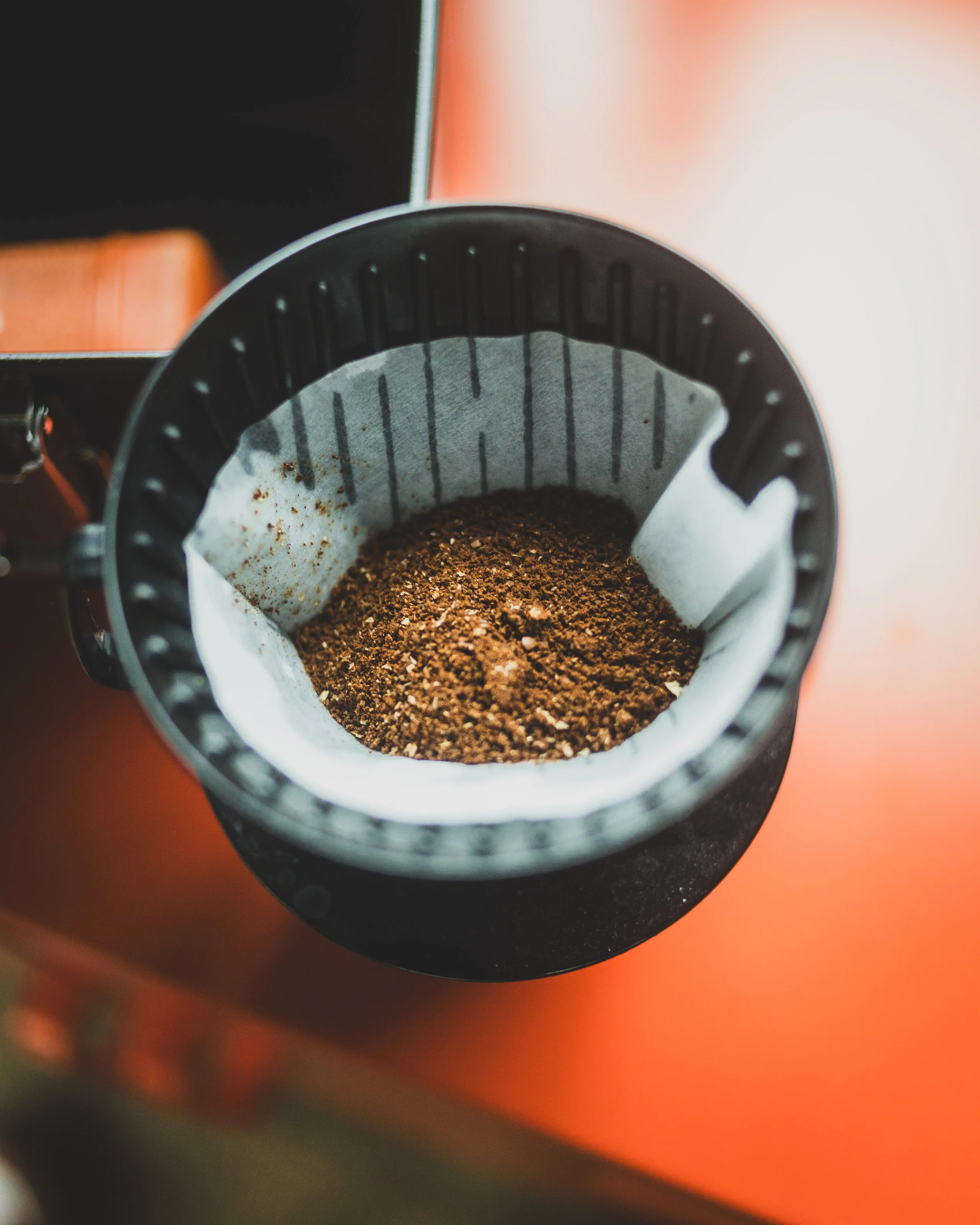
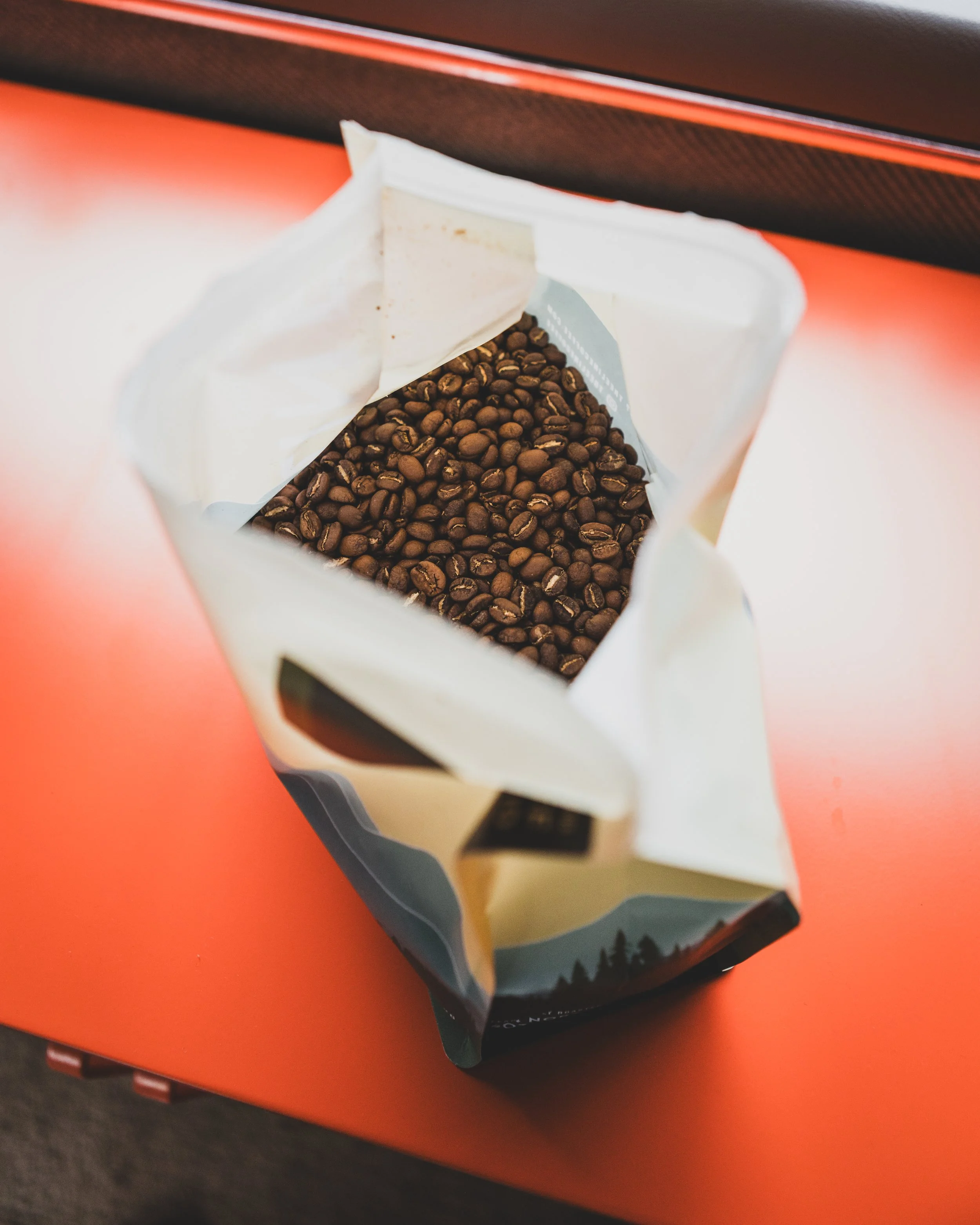
Brewing Coffee Off the Grid
Once the water was ready, I brewed Off the Grid (Ethiopia Yirgacheffe) from Treeline Coffee Roasters. I also used my own pourover coffee setup, not the French Press accessories that came with it (I’m more of a pourover than a French Press guy).
Where This Setup Actually Makes Sense
This off-grid electric kettle and coffee pairing works best in:
Trail crew base camps
Remote trailheads with vehicle access
Multi-day trail projects
Overland-style staging areas
Conclusion: Practical Gear for Modern Trail Building
The Stoke Voltaics Kettle Pot is not a novelty. When power is already part of the equation, electric cooking and water heating become a practical, reliable option.
Paired with Treeline’s Off the Grid coffee, this setup turns cold, wet mornings into liquid sunshine.
Industry Partner Note and Subscription Reminder
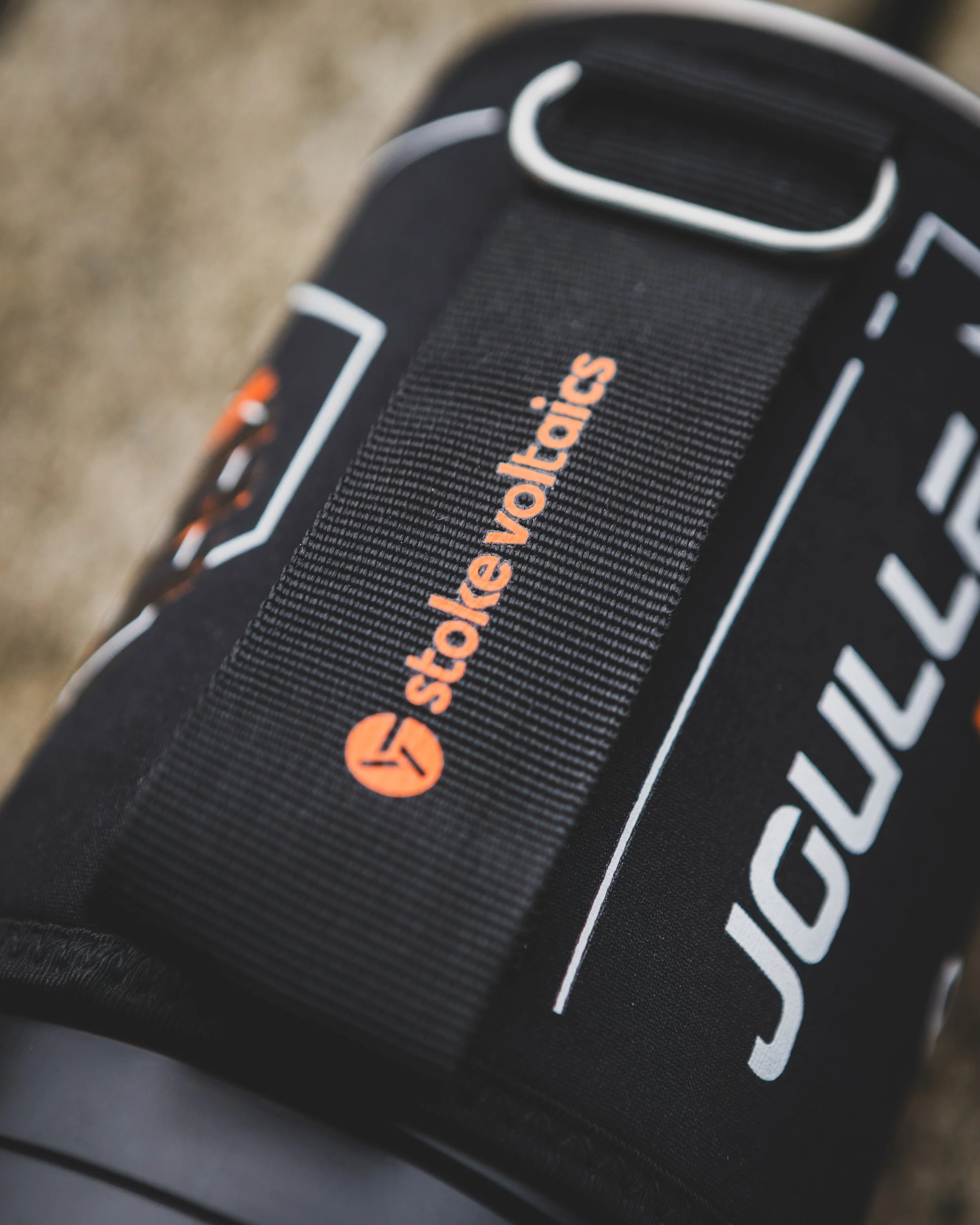
Stoke Voltaics and Treeline Coffee Roasters are Trail Builder Magazine industry partners.
By subscribing to Trail Builder Magazine, you will receive each new issue upon release and gain exclusive access to industry discounts from our partner brands. After subscribing, you will be provided with an access code to a secure page on our website where you can unlock these special offers.

Sean Benesh
Sean is the Founder and Editor-in-Chief of Trail Builder Mag, a digital media instructor, and the Communications Director for the Northwest Trail Alliance in Portland, Oregon.