Unsanctioned: Building the Trails That Didn’t Exist
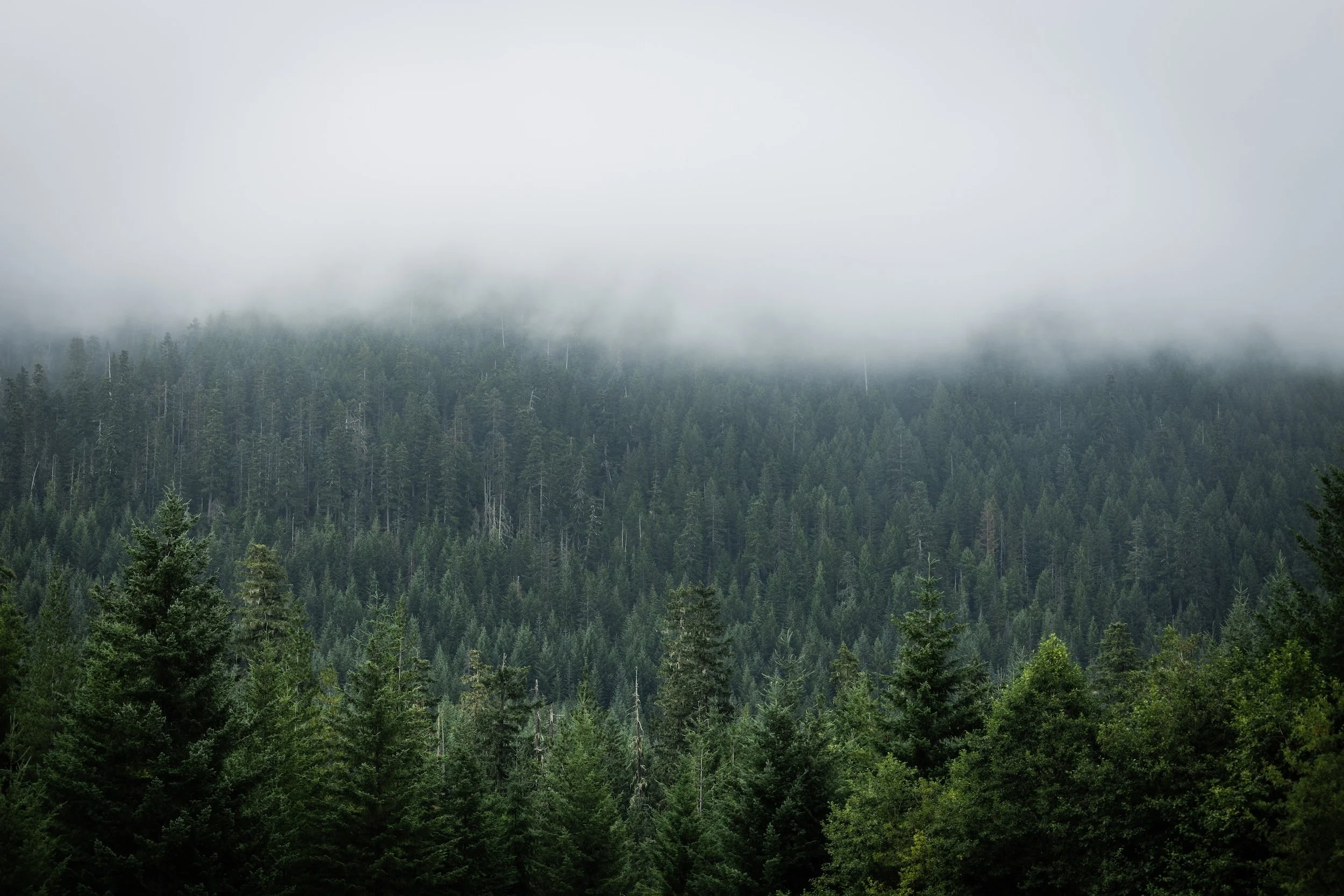
When mountain bike trails don’t exist, builders step in
Unsanctioned trail building is rarely about defiance. More often, it is about absence.
Across the Unsanctioned series, Trail Builder Magazine has documented a recurring pattern: riders recognize a gap in their community, and instead of waiting years for process, permission, and paperwork, they quietly pick up tools and start shaping dirt. Not because they reject stewardship, but because something meaningful is missing.
This story comes from a small, resource-based community in western Canada. For years, there were no mountain bike–specific trails, no bike association, and no visible pathway for legal trail development. What followed was not protest, but persistence.
For this article, the builder is referred to by the pseudonym “Ridge.” We use a pseudonym to protect the identity of individuals operating in legal gray areas while still sharing the lessons their experiences offer.
Starting young, before the system was visible
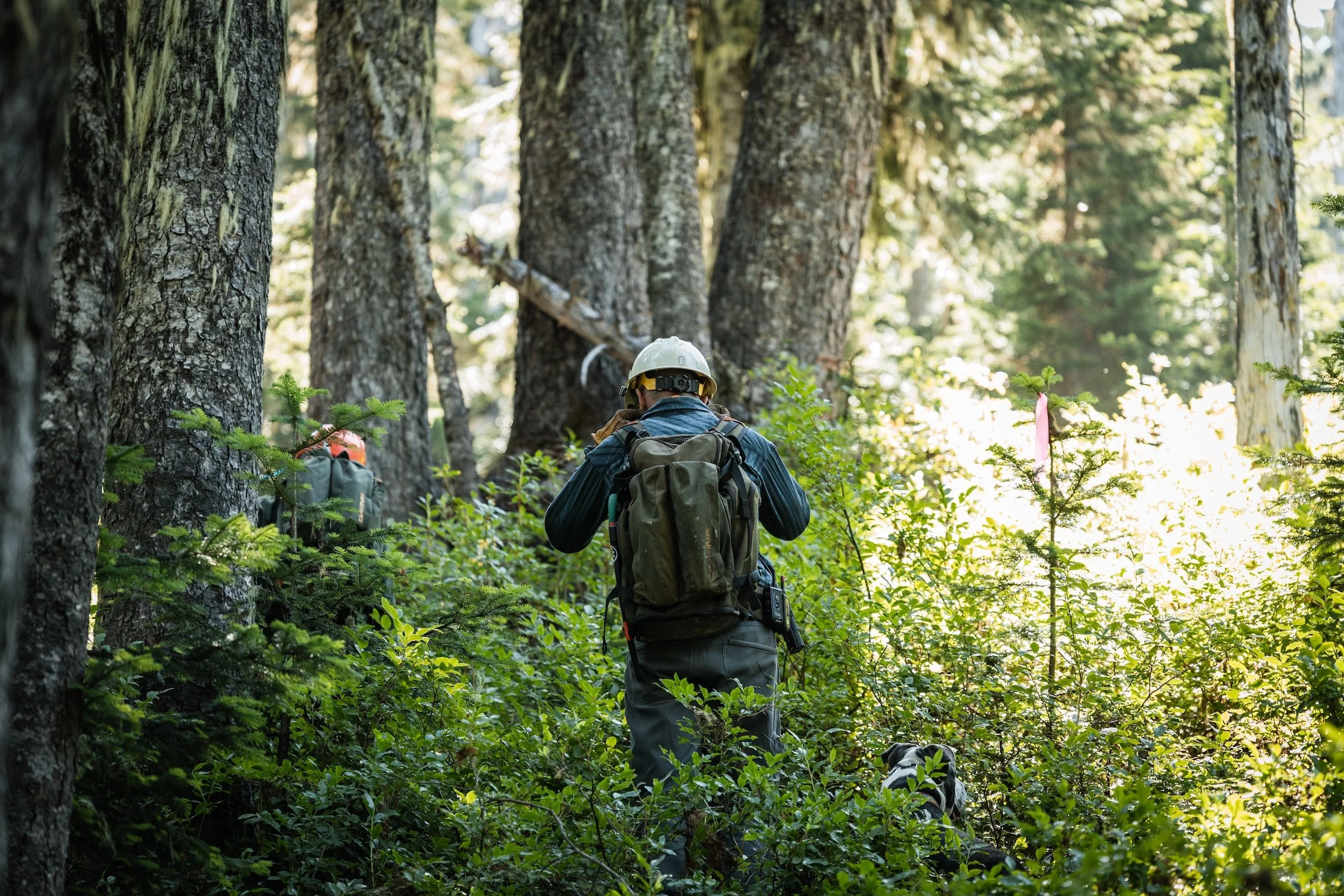
Ridge started building trails as a teenager.
Like many builders, he began by shaping jumps and features wherever space allowed. Eventually, he connected with another rider who shared the same vision: build a downhill-focused trail on a nearby mountain. At the time, there was no organized riding community and no local trail organization.
The sanctioned process existed, but it felt distant and opaque. From the outside, it appeared slow, paperwork-heavy, and inaccessible to a young rider whose primary goal was simply to ride better trails.
So he did what many builders do when the system feels out of reach. He built.
Building without permission, but not without care
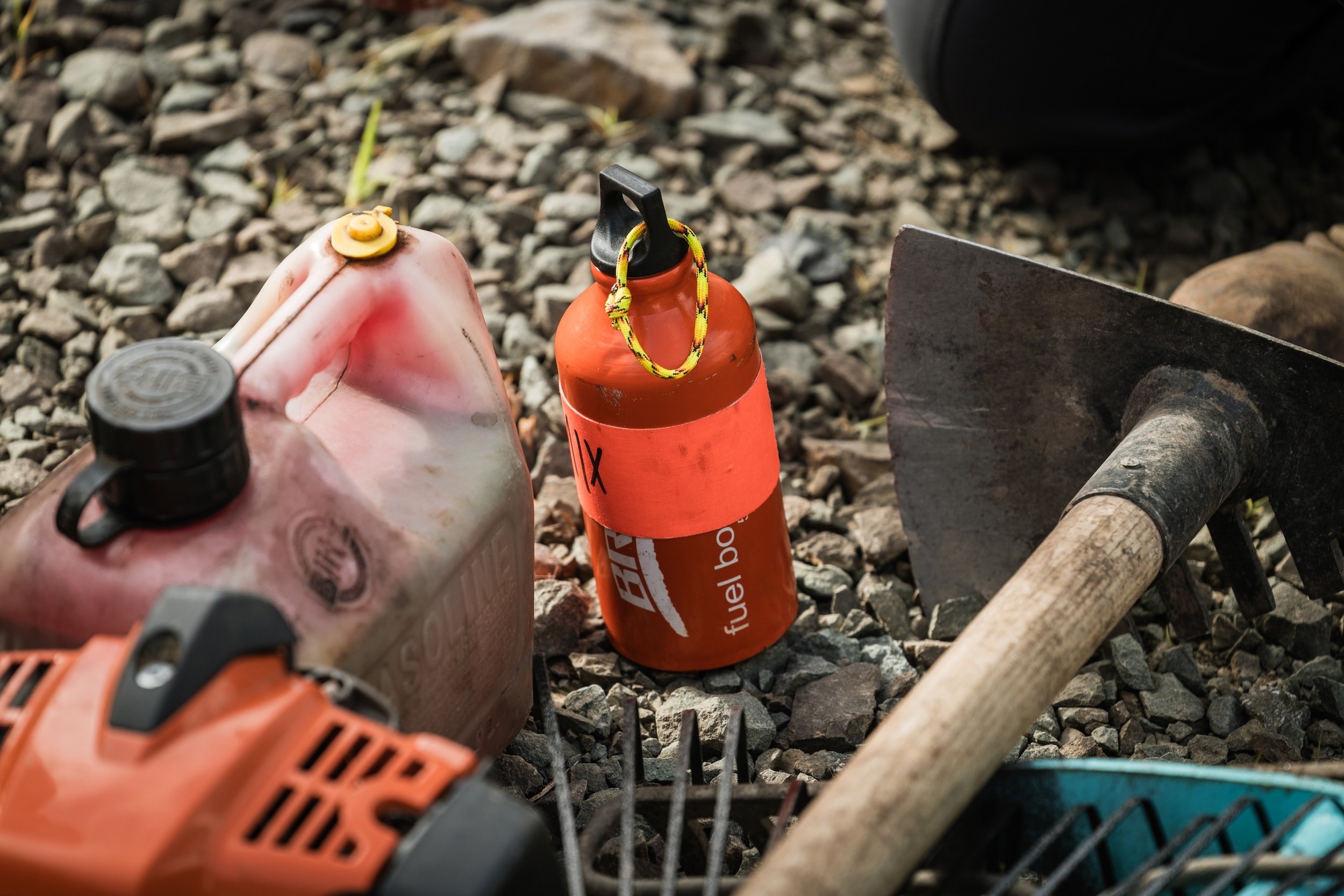
For nearly two decades, Ridge worked quietly on public land. Private property was intentionally avoided, and care was taken to minimize environmental impact and respect other land users.
There were no enforcement actions. No forced trail removals. No dramatic confrontations with land managers.
The biggest challenge did not come from bureaucracy, but from competing uses. Motorized recreation, particularly riders looking for new terrain, created ongoing tension and maintenance challenges.
Within the riding community, the trails were largely welcomed. Riders were simply grateful to have bike-specific trails in a place where none had existed before.
Over time, what began as a single project slowly became a network.
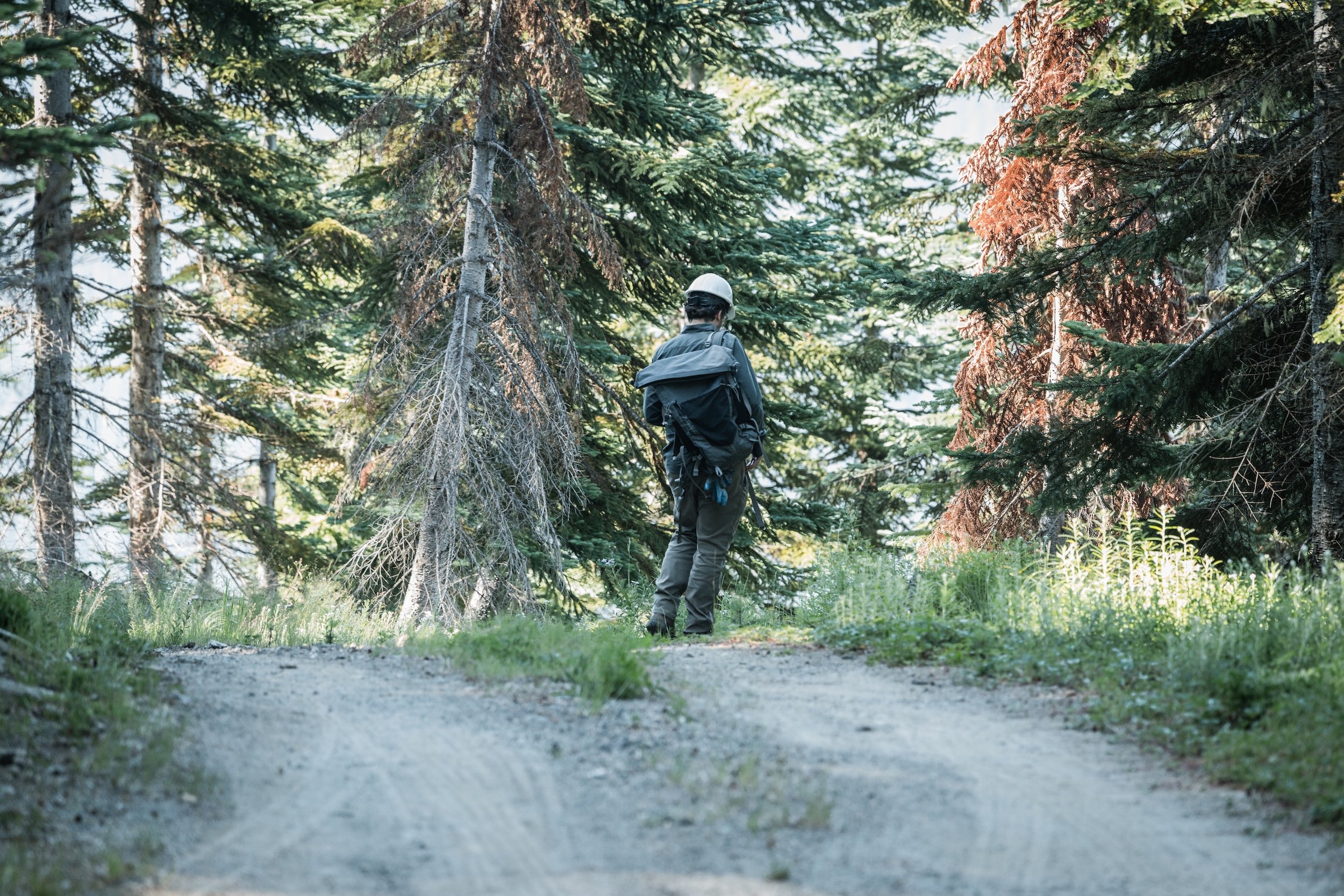
Learning that community matters more than difficulty
Early trails were built to match Ridge’s own riding preferences. They were technical, demanding, and aimed at experienced riders. Eventually, a realization set in.
If more people were going to ride, and more people were going to help maintain trails, the network needed variety.
Easier trails were added. Flow was introduced. Access broadened.
That shift changed everything. More riders showed up. A small but consistent riding community formed. Maintenance became more manageable, even in an environment defined by fast-growing vegetation and constant brush control.
For years, the network grew through word of mouth. Later, digital trail platforms increased visibility and use even further.
Life evolved too. With young children at home, Ridge’s time on the trails became more limited. But the network endured. Trails continued to be ridden, maintained, and valued. The work had outgrown the individual who started it.
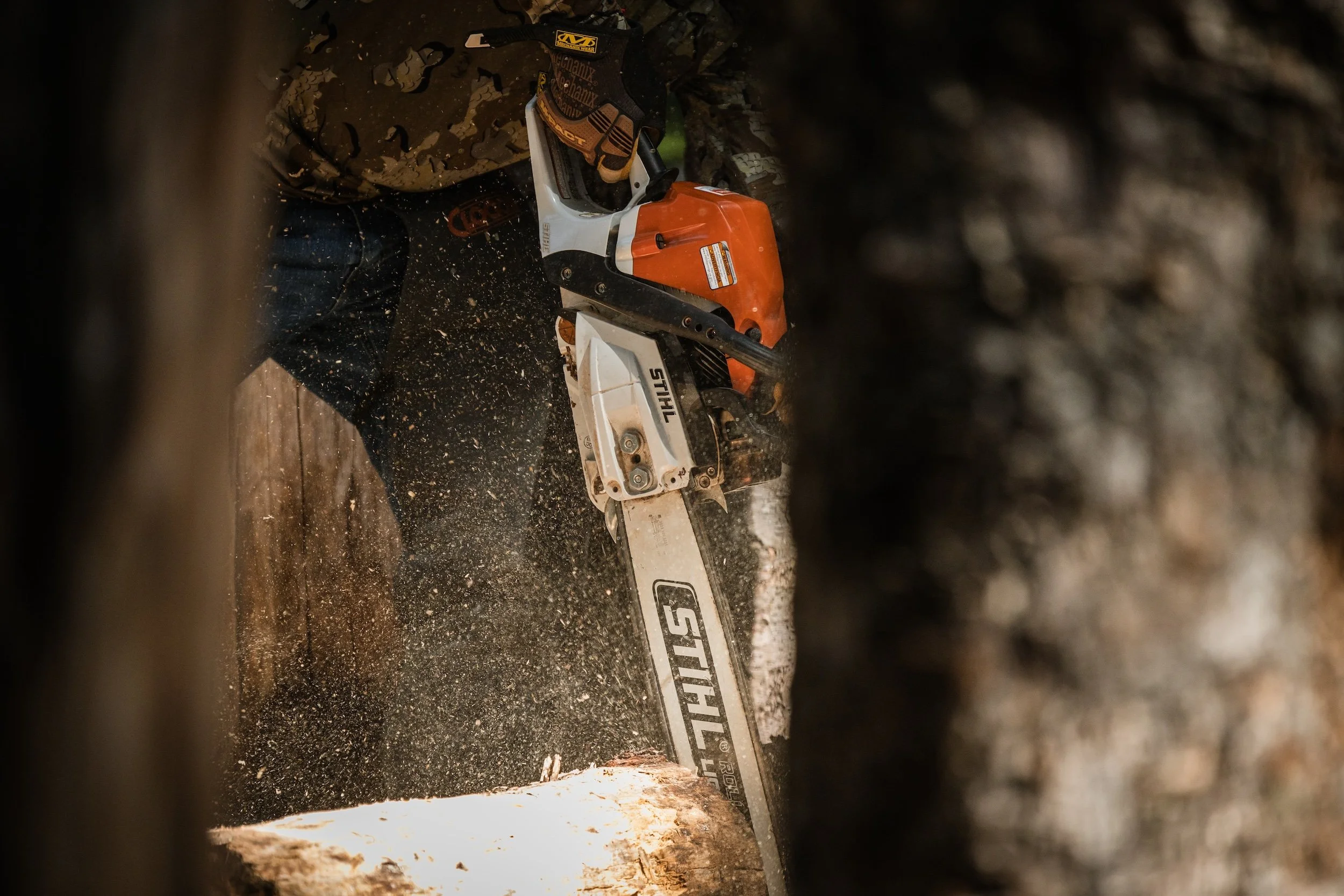
When unsanctioned becomes a stepping stone
Today, the community has reached a turning point.
The trail network exists. A core group of riders is active. And conversations are underway to form a formal organization with the goal of sanctioning existing trails and working with land managers moving forward.
Educational resources from national and international trail organizations (like IMBA) have helped clarify what agencies need to see: planning documents, maintenance strategies, and clear intent.
The goal now is not confrontation, but collaboration.
Unsanctioned trail building filled a gap when no alternative existed. Sanctioned trails are how that work becomes sustainable for the future.
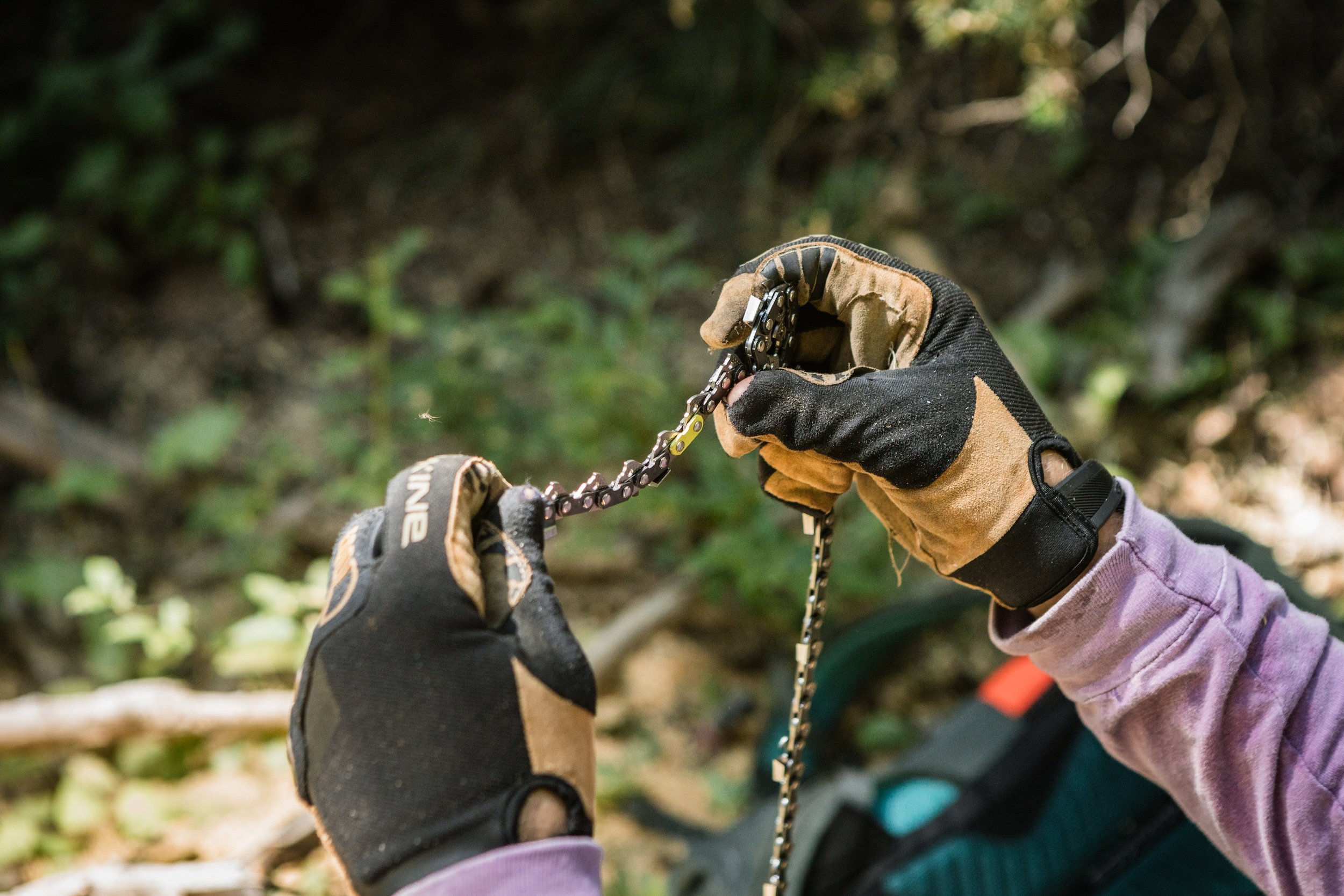
What land managers can learn from stories like this
When asked what could have made the process easier earlier on, Ridge’s answer is simple: clearer outreach.
For many builders, the barrier is not unwillingness. It is uncertainty. Formal processes can feel intimidating when guidance is unclear and responsibility falls entirely on volunteers to initiate contact and navigate complex systems.
Early communication, accessible explanations, and proactive engagement could turn quiet builders into partners much sooner.
Most builders do not want to avoid process forever. They want to build, maintain, and care for trails. But they also understand that long-term access depends on working together.
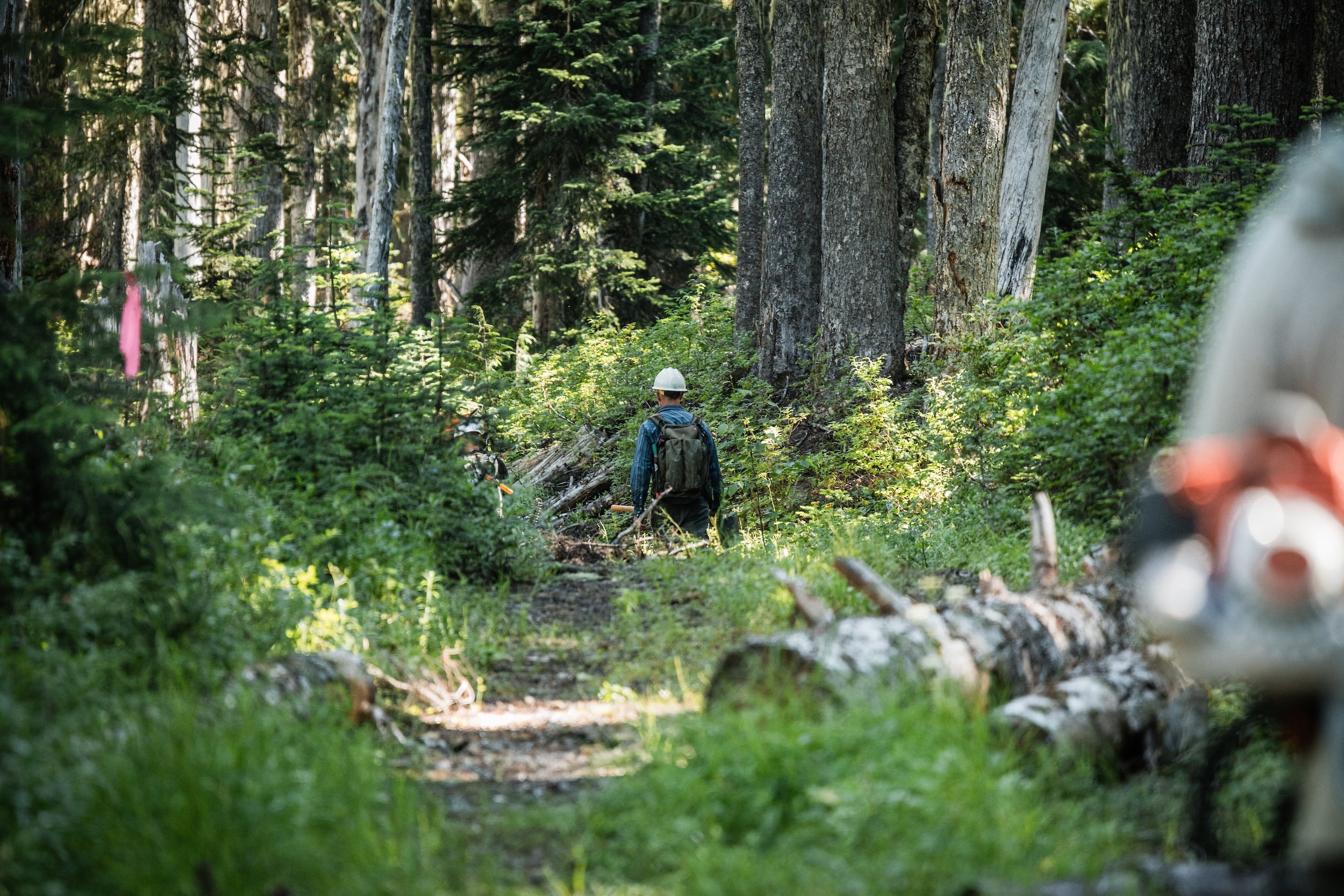
Unsanctioned does not mean uncommitted
One theme continues to surface throughout the Unsanctioned series: unsanctioned builders are rarely opposed to stewardship. They are opposed to stagnation.
In Ridge’s case, unsanctioned trails were the only way mountain biking existed locally for years. Now, those same trails are the foundation for a formal organization, a sanctioned future, and a network designed to outlast its original builder.
That arc matters.
Because it shows that unsanctioned trail building is not always the end of the conversation. Sometimes, it is how the conversation begins.
Editor’s Note
The Unsanctioned series exists to document the realities of informal trail building around the world. Trail Builder Magazine does not encourage unsafe, environmentally harmful, or reckless trail construction. At the same time, we recognize that unsanctioned trails often emerge where access, resources, or clear pathways do not yet exist. By telling these stories, we aim to help builders, land managers, and communities better understand how trails are actually born, and how collaboration can follow.

Sean Benesh
Sean is the Founder and Editor-in-Chief of Trail Builder Mag, a digital media instructor, and the Communications Director for the Northwest Trail Alliance in Portland, Oregon.