Backslope Tools Blaze Review: A First Look at a Lightweight, Packable Trail Tool
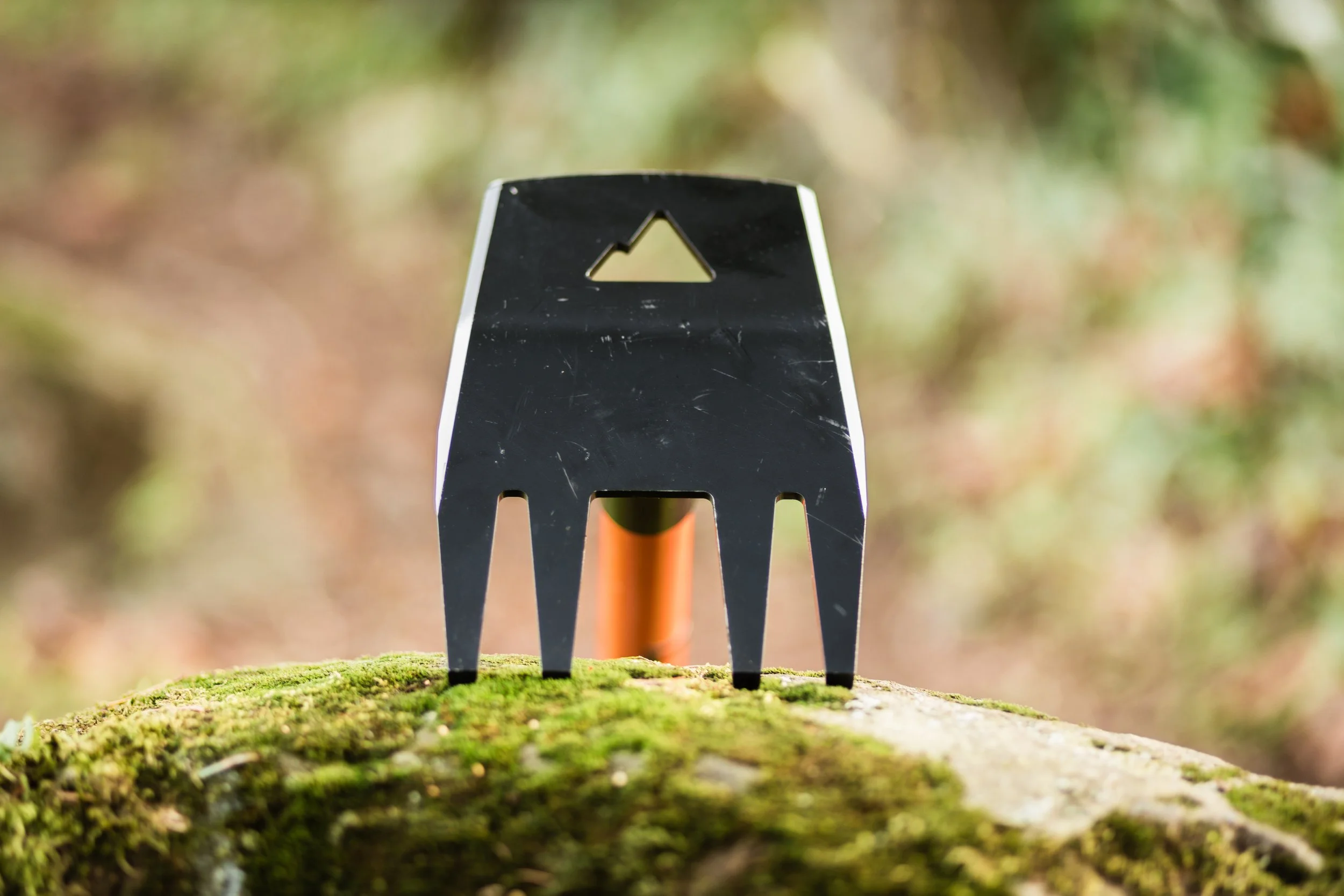
A First Look at a Packable Trail Tool Built for Access and Mobility
Packable trail tools have quietly become one of the most interesting categories in trail building. As more trail work happens in remote zones, on bikes, or during informal volunteer days, the need for lightweight, mobile tools has grown alongside it.
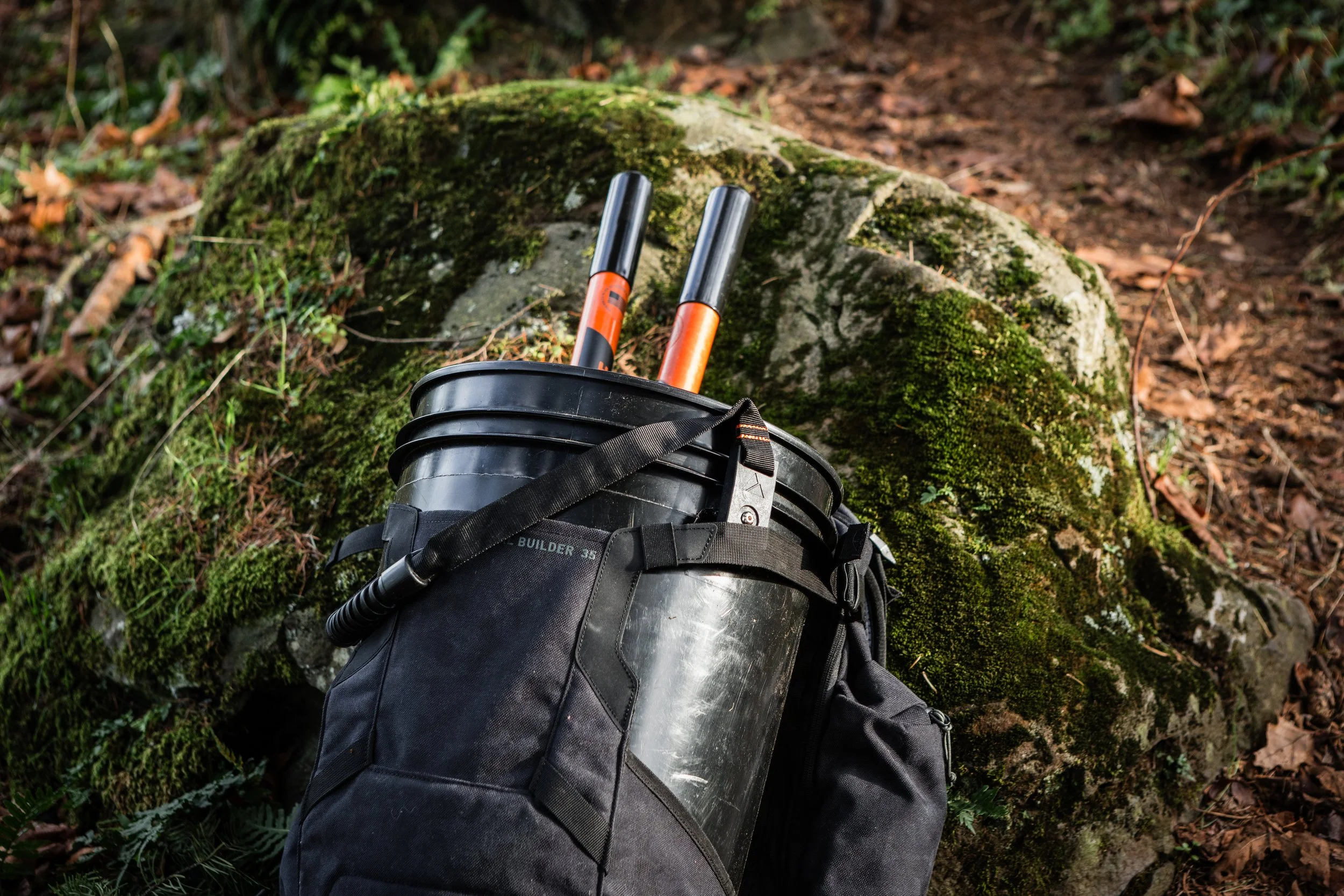
This is something I think about often as I spend a lot of time on my bike pedaling out to reach trail crews. While I'm packing camera gear, the ability to attach a short-handle tool is a bonus.
The Blaze from Backslope Tools fits squarely into this moment. Designed as a compact, carry-friendly trail tool, the Blaze is not trying to replace a full-size McLeod or Pulaski. Instead, it is built for access. For builders who need to move quickly, travel light, or keep a tool on hand without committing to a full trail kit, the Blaze aims to strike a careful balance between function, weight, and packability.
This review is a first look and feature overview. Rather than evaluating long-term durability or trail performance, the focus here is on design intent, materials, specs, and how the Blaze fits into the evolving packable tool landscape.
Why Packable Trail Tools Matter
Trail work does not always happen during scheduled dig days with trucks and tool caches nearby. Increasingly, trail builders find themselves hiking, biking, or bikepacking into work zones where every pound matters.
Packable tools serve a specific role. They are ideal for light maintenance, scouting missions, touch-ups, and opportunistic work when carrying a full-size tool is not realistic. For volunteers, they also lower the barrier to participation by making it easier to show up prepared without specialized transport.
Blaze Design Overview and Key Specifications
The Blaze is built around simplicity and weight savings.
Key specs and features include:
Head Weight: 1.8 lbs
Handle length: 24 inches
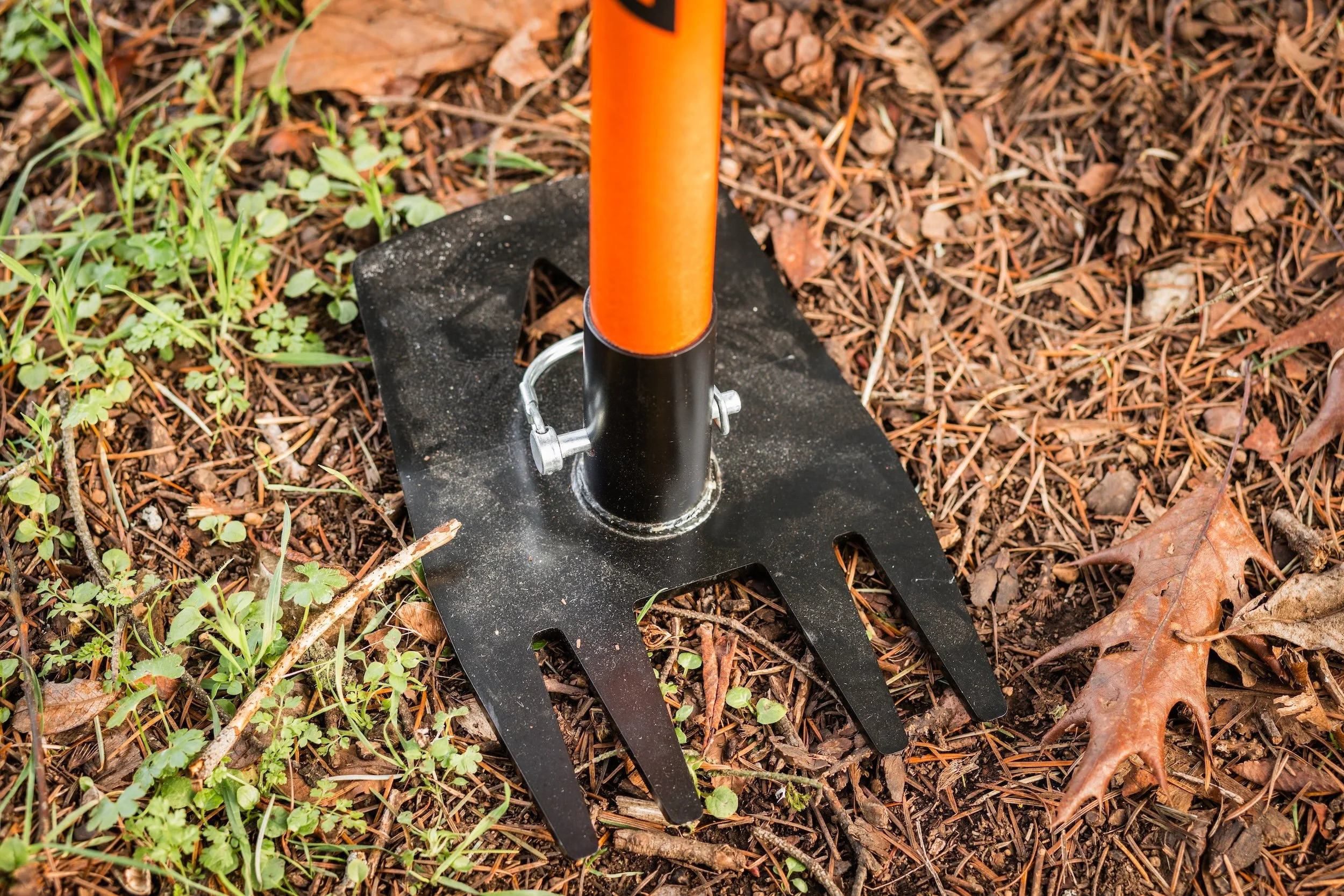
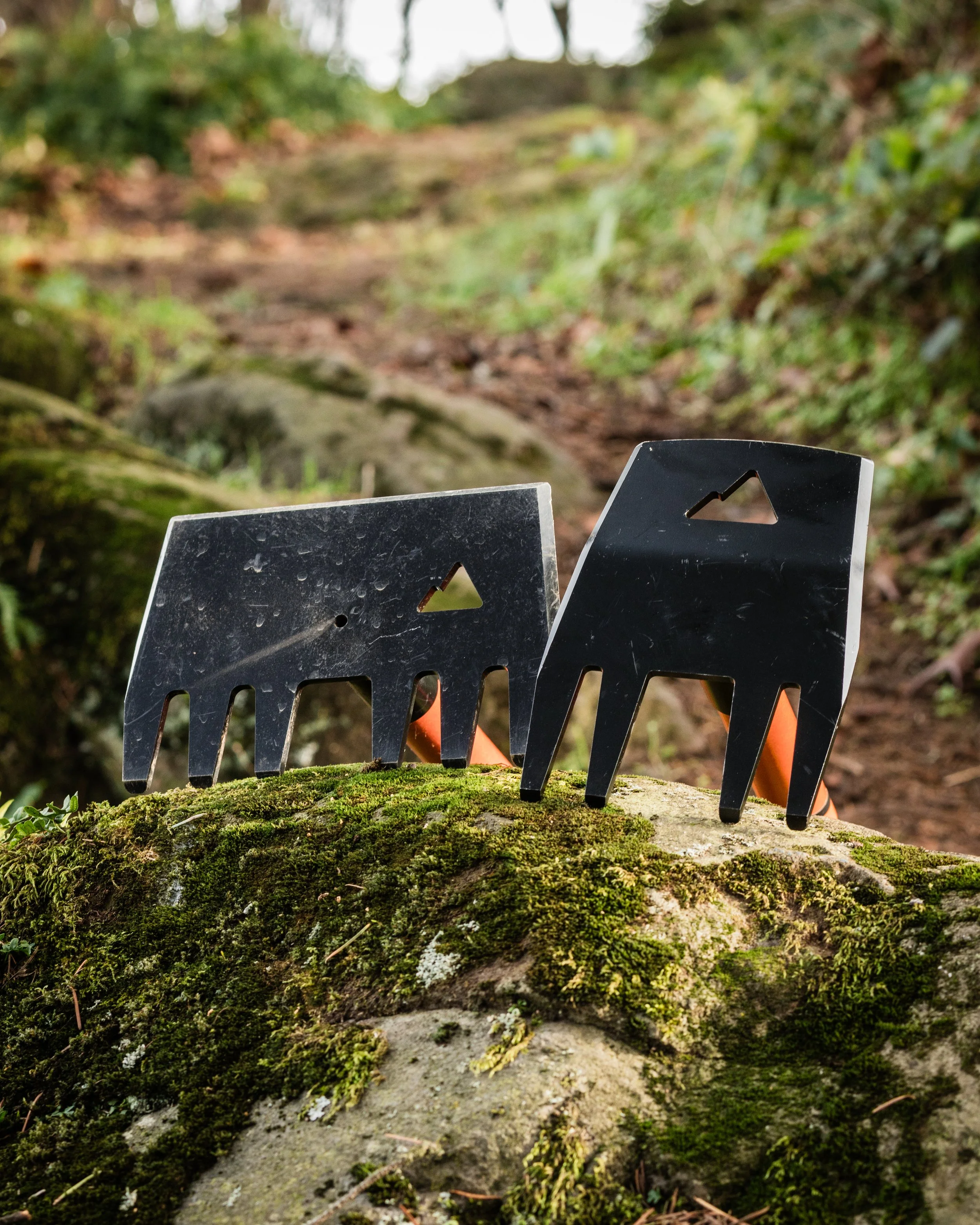
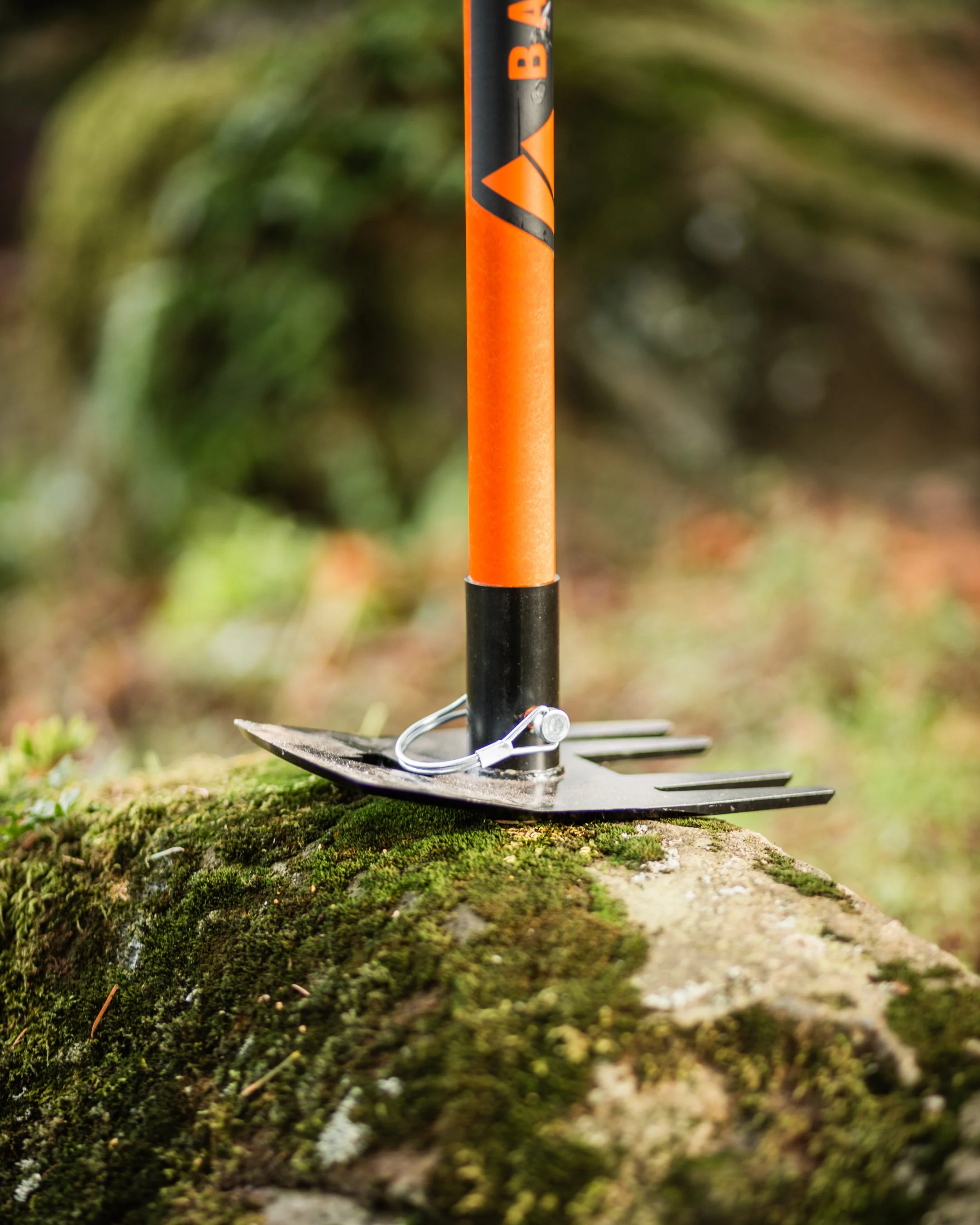
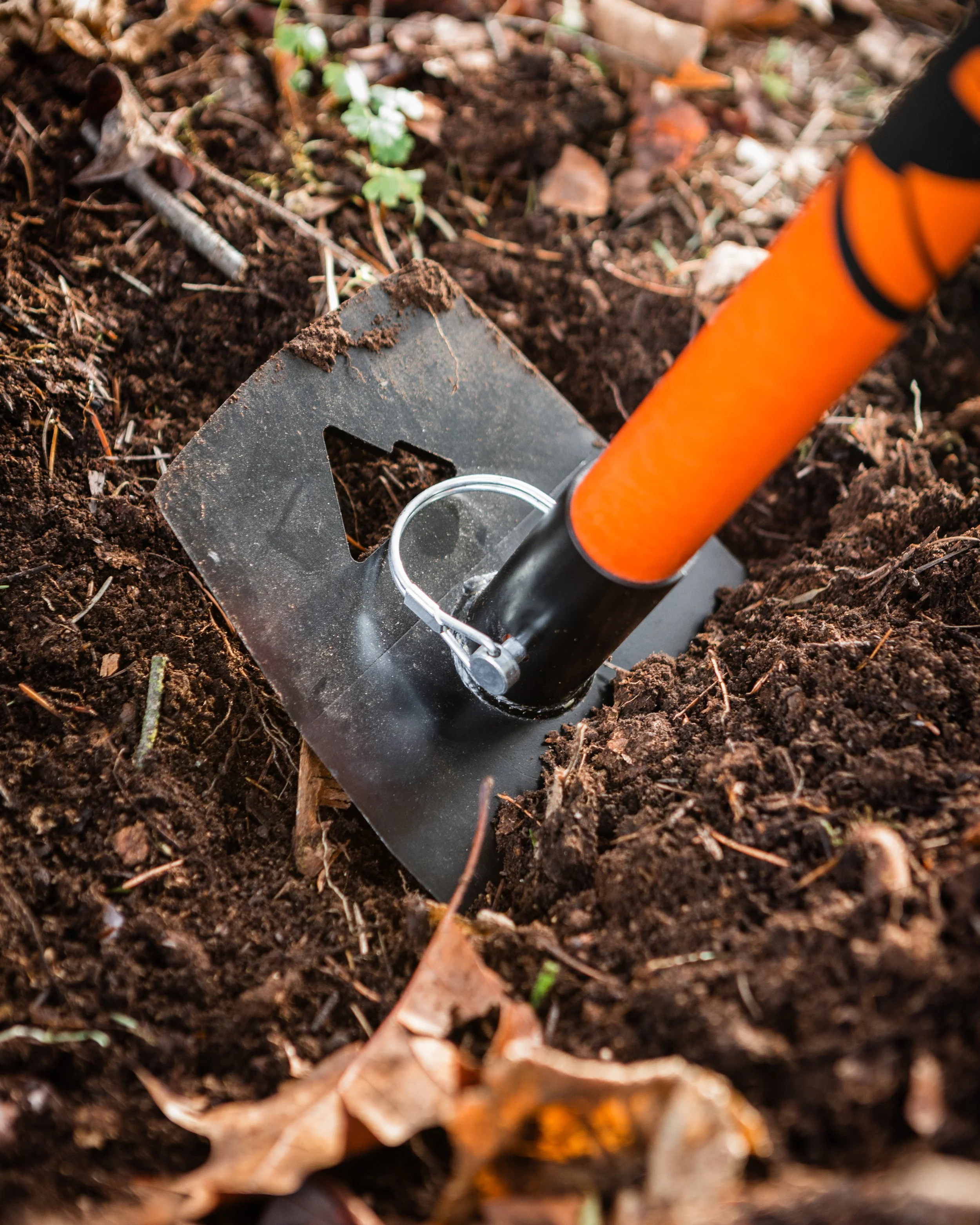
Materials: Heat-treated steel head paired with a fiberglass handle
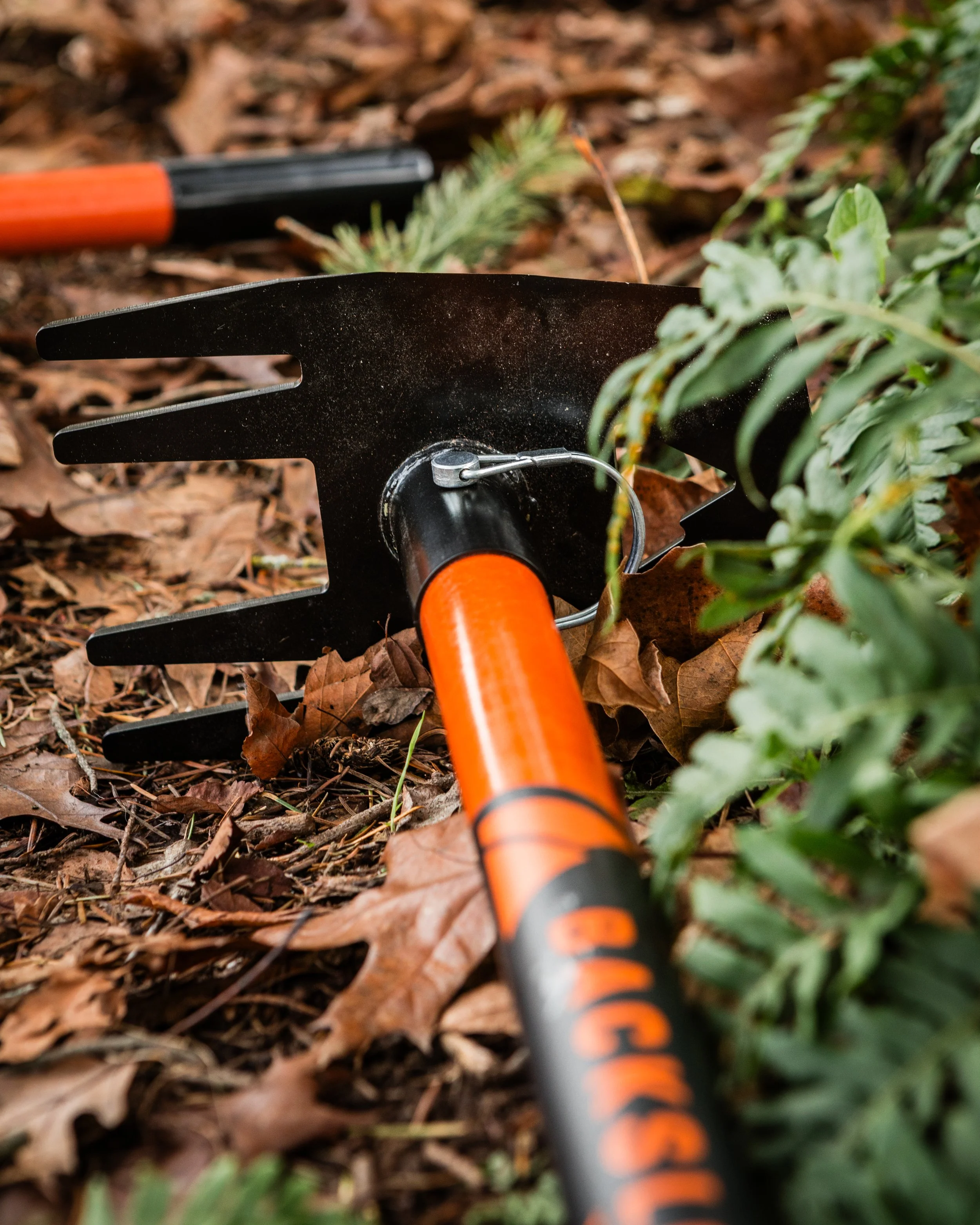
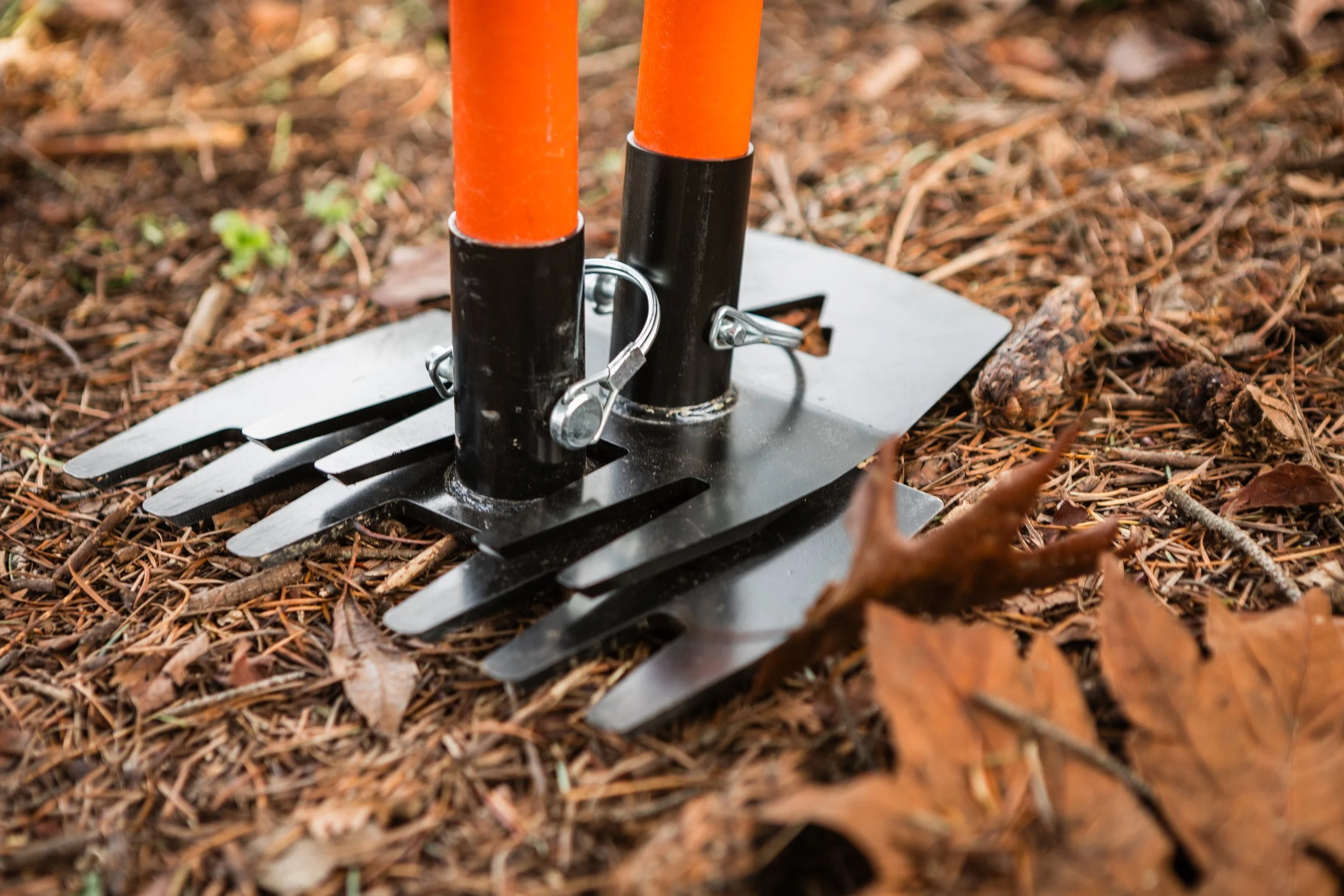
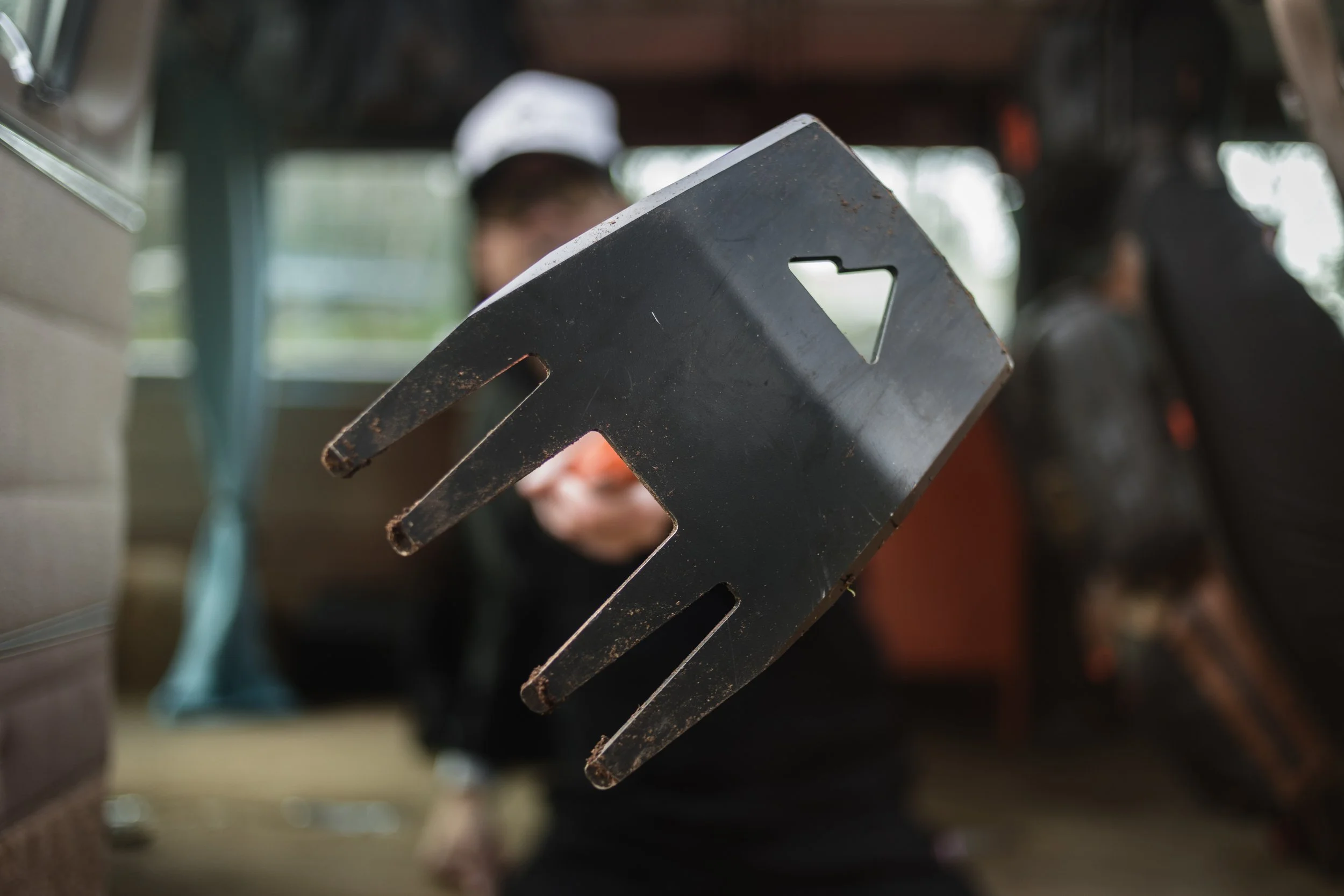
Tool style: Compact McLeod-inspired head with raking and scraping functionality
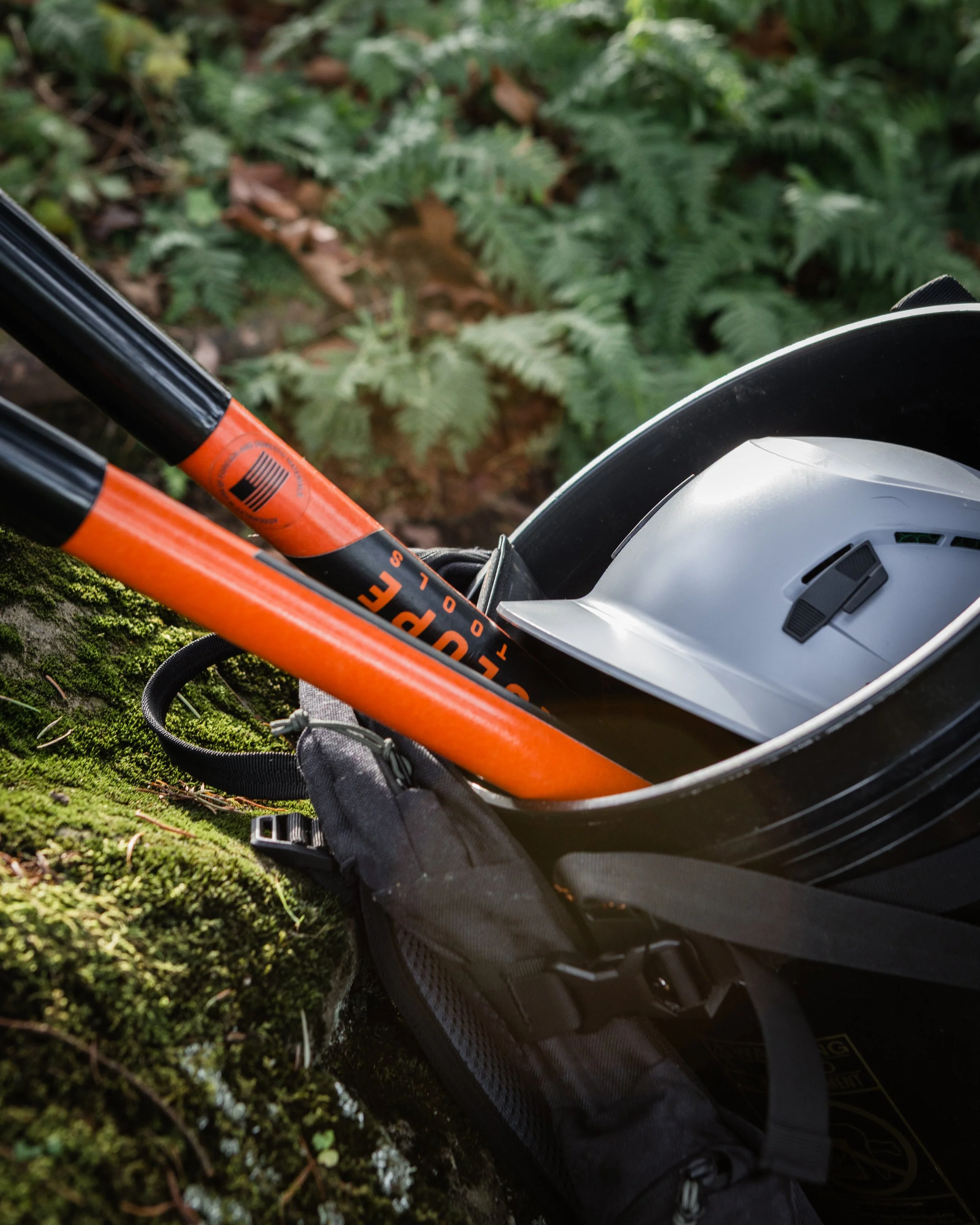
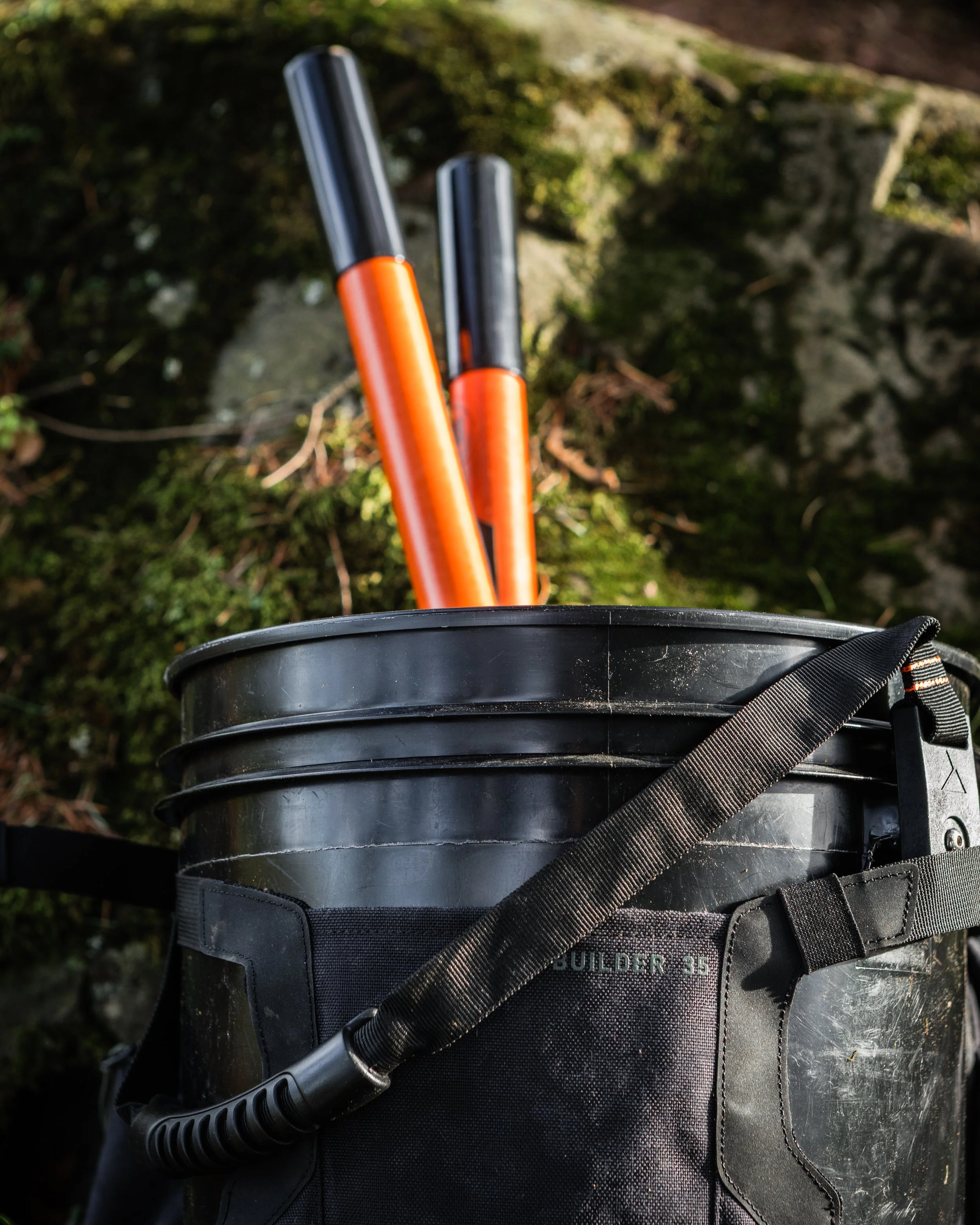
Packability: Shorter handle length designed to strap to a pack or fit inside larger bikepacking bags
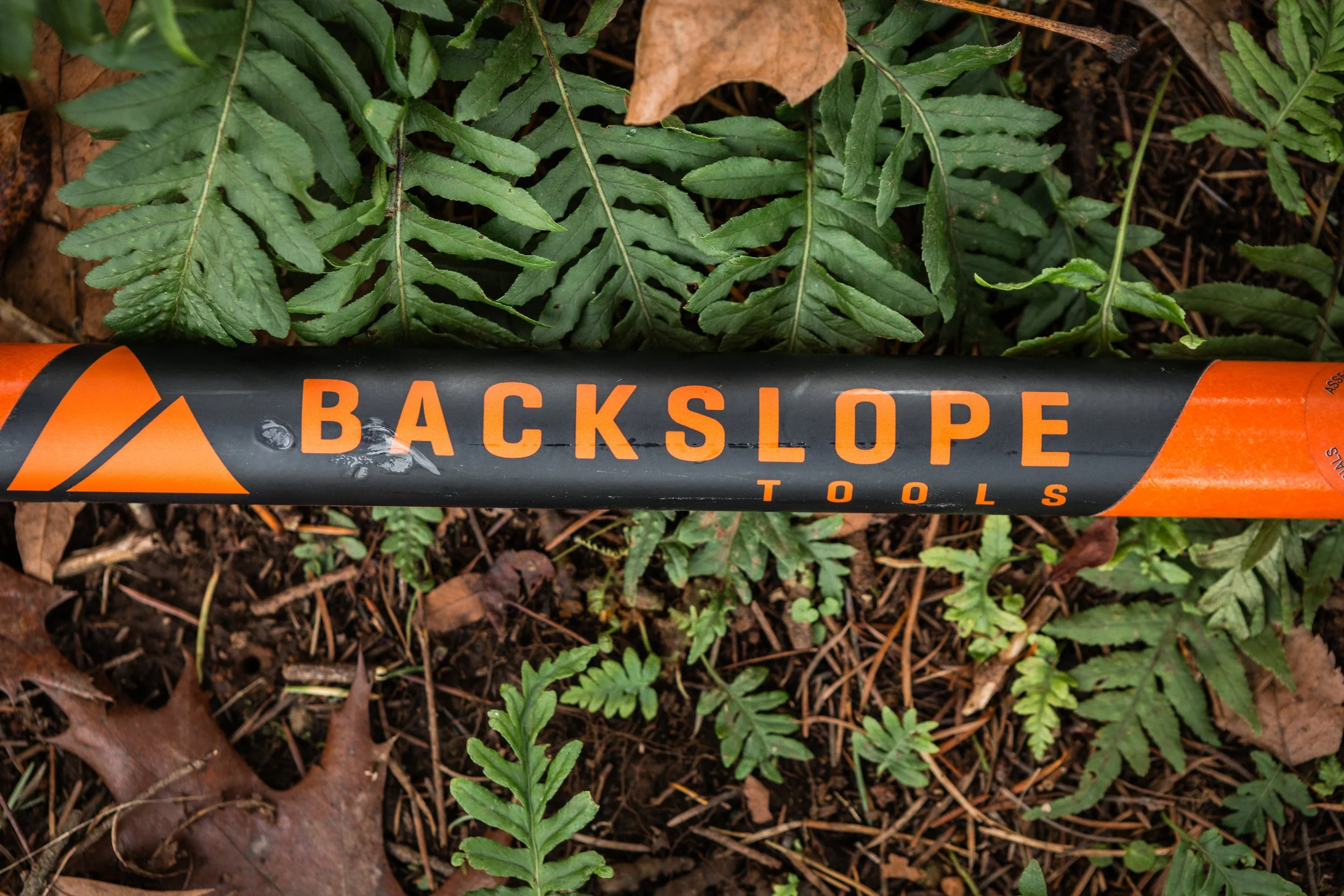
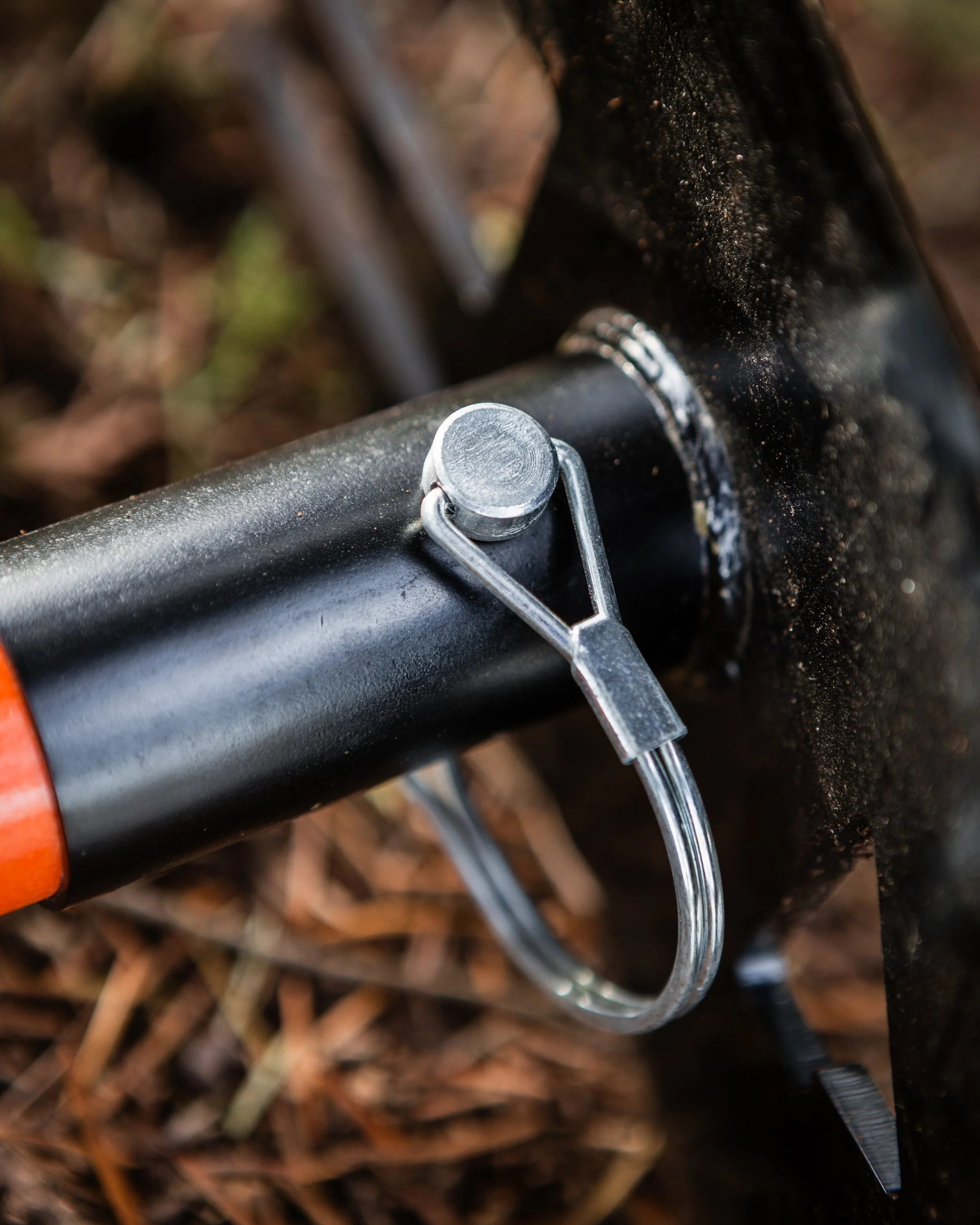
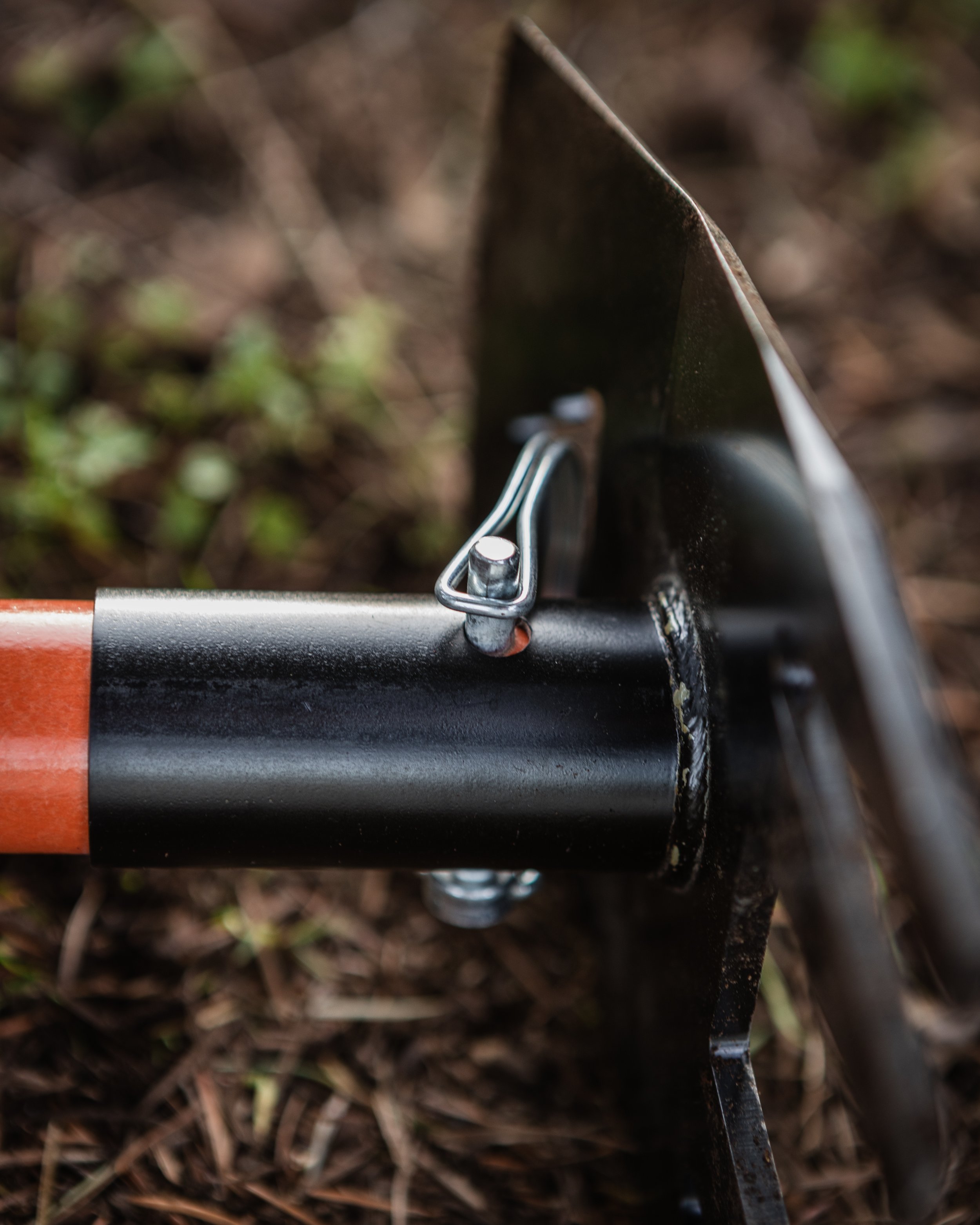
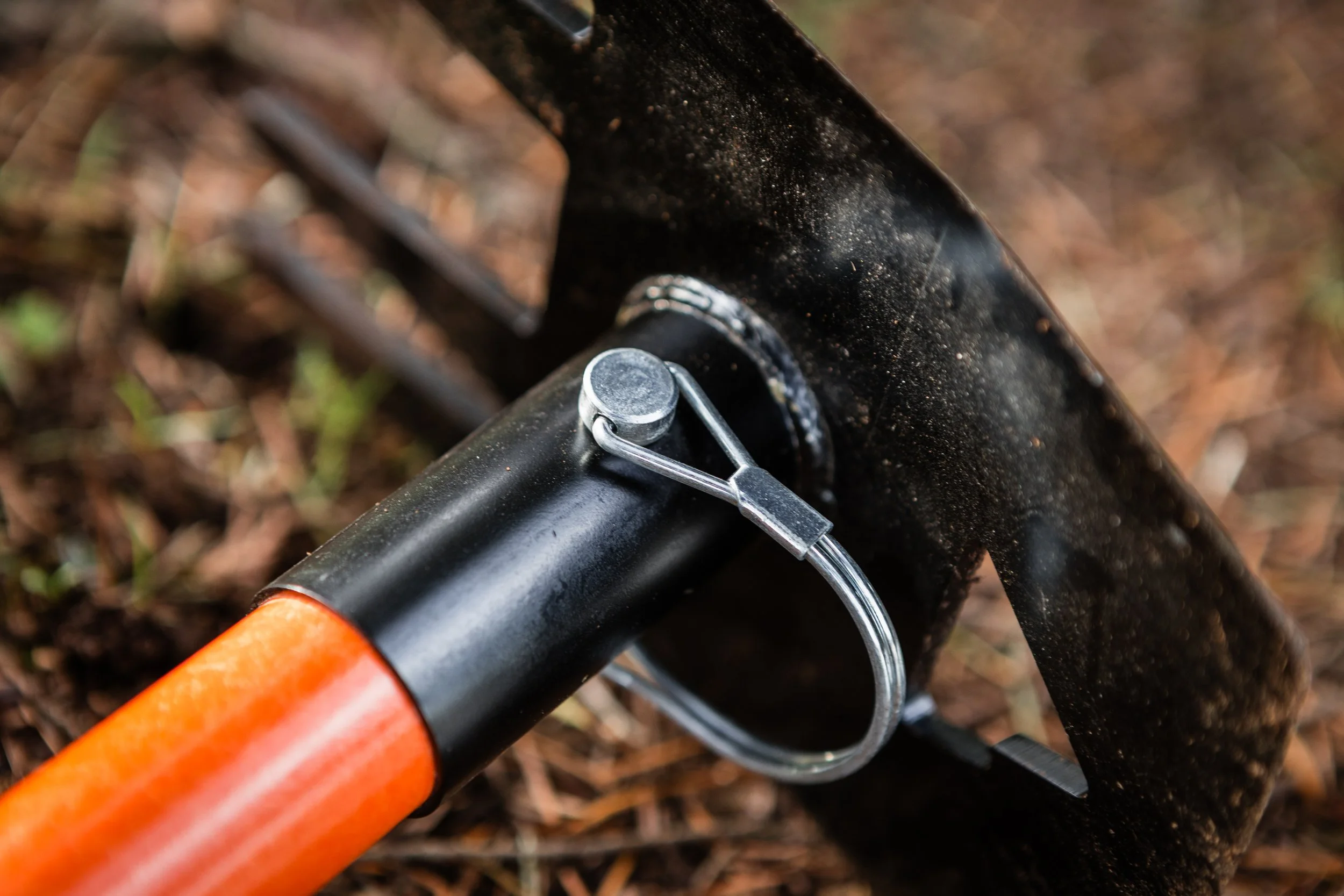
The reduced handle length is the defining design choice. At 24 inches, the Blaze is significantly shorter than traditional trail tools, making it easier to carry without snagging brush or shifting awkwardly while riding or hiking. Also, it came equipped with a clevis pin, which makes removing the head easier for packing while pedaling.
How the Blaze Compares to Other Packable Trail Tools
BackSlope Tools has already established a strong reputation in this category with the Clyde Jr. The Blaze occupies a similar design space but pushes further toward minimalism and portability.
Compared to the Clyde Jr, the Blaze is a touch lighter. In the broader packable tool market, this places it closer to tools meant for quick interventions rather than extended bench cutting or heavy shaping.
Practical Takeaways for Trail Builders and Volunteers
From a design perspective, the Blaze highlights a broader shift in trail work culture. Not every tool needs to do everything. Sometimes the right tool is the one you actually bring with you.
For volunteers, bikepackers, and professional builders alike, the Blaze makes sense as:
A supplemental tool for scouting and maintenance rides
A lightweight option for remote or backcountry trail access
A packable solution for builders who want to be ready without overloading
Who the Blaze Is For
The Blaze is best suited for:
Volunteers who hike or ride to trail work sites
Builders working in remote or hard-to-access terrain
Anyone looking to keep a trail tool on hand without committing to a full-size setup
Those doing sustained, heavy trail construction will still want traditional long-handled tools nearby. The Blaze shines when access is the challenge.
Final Thoughts on the BackSlope Tools Blaze
The Blaze is a clear example of intentional design. It does not try to replace larger tools or overpromise performance. Instead, it focuses on solving a specific problem: how to carry a capable trail tool when space and weight matter.
In that role, it fits neatly into the growing ecosystem of packable trail tools and reflects how trail work continues to evolve alongside how builders move through the landscape.
As a reminder, those who are subscribers to Trail Builder Mag have access to a discount code for Backslope Tools.
Disclosure: This tool was provided by BackSlope Tools.

Sean Benesh
Sean is the Founder and Editor-in-Chief of Trail Builder Mag, a digital media instructor, and the Communications Director for the Northwest Trail Alliance in Portland, Oregon.