
The Trust Gap: Why Rural Communities Don’t Always Welcome New Trails
Mountain bike trails and bikepacking routes can create opportunities for rural communities. Long-term success, however, depends on earning the support of the people who already call those places home.
What Happens When a Mountain Bike Park Becomes an Economic Engine?
For years, advocates have argued that mountain biking can transform rural communities.
Now, new economic data from Tasmania suggests that, under the right conditions, that argument is no longer just aspirational. It is measurable.
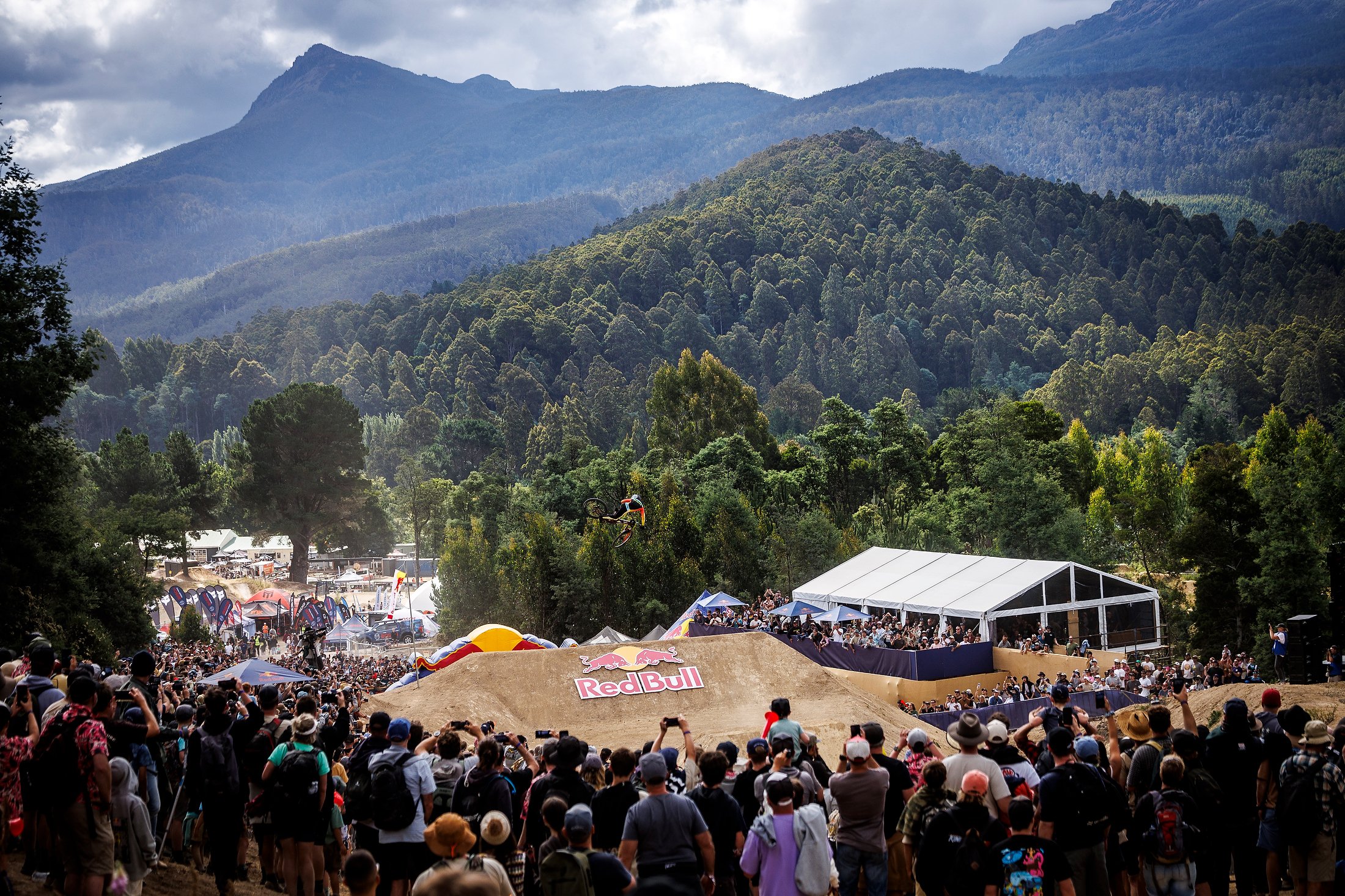
A recently released economic impact report found that Maydena Bike Park generated an estimated $53.96 million annually for the Tasmanian economy, accounting for nearly 46% of the state’s entire mountain bike tourism economy. Of that total, $45.1 million came from interstate and international visitors, bringing significant new spending into the region.
Can Rural Communities Build a Trail-Based Economy?
Every time we cut a new trail through the woods, not only are we changing the landscape, but we’re also changing the future of the communities that surround it.
Most of us don’t show up to a dig day thinking about hotel occupancy rates, tax revenue, or rural economic development. We’re thinking about drainage, sightlines, sustainable grades, rockwork, and building the best trail we can. And that’s exactly how it should be.
But whether we intend it or not, every trail eventually becomes part of a community’s story. In some places, it even becomes part of its economy.
That idea has fascinated me for years.

Trails That Build Jobs: How Rural Communities Are Finding New Life Through Trail-Based Economies
Trails do far more than connect riders to landscapes. Across the country, they are connecting people to jobs, businesses, and new opportunities. From Arkansas to West Virginia, rural communities are proving that investing in trails pays off—creating both direct and indirect employment that strengthens local economies.

Should Your Town Market Itself as a Trail Town?
Somewhere between a rusting welcome sign and an empty storefront, a hand-painted banner flaps in the wind: Welcome Riders! Trail Town USA. It’s hopeful, maybe even inspiring, but is it true?
Across North America (and beyond), small towns are embracing the label of “trail town” in a bid to bring in new energy, dollars, and identity. The idea is simple: trails bring riders, riders bring money, and maybe, just maybe, that’s enough to kickstart something new.
But here’s the catch: not every town with a trailhead is ready to claim the title. And sometimes, rushing into the trail town identity can do more harm than good.

From Gravel Roads to Trail Towns: A Pathway for Rural Revitalization
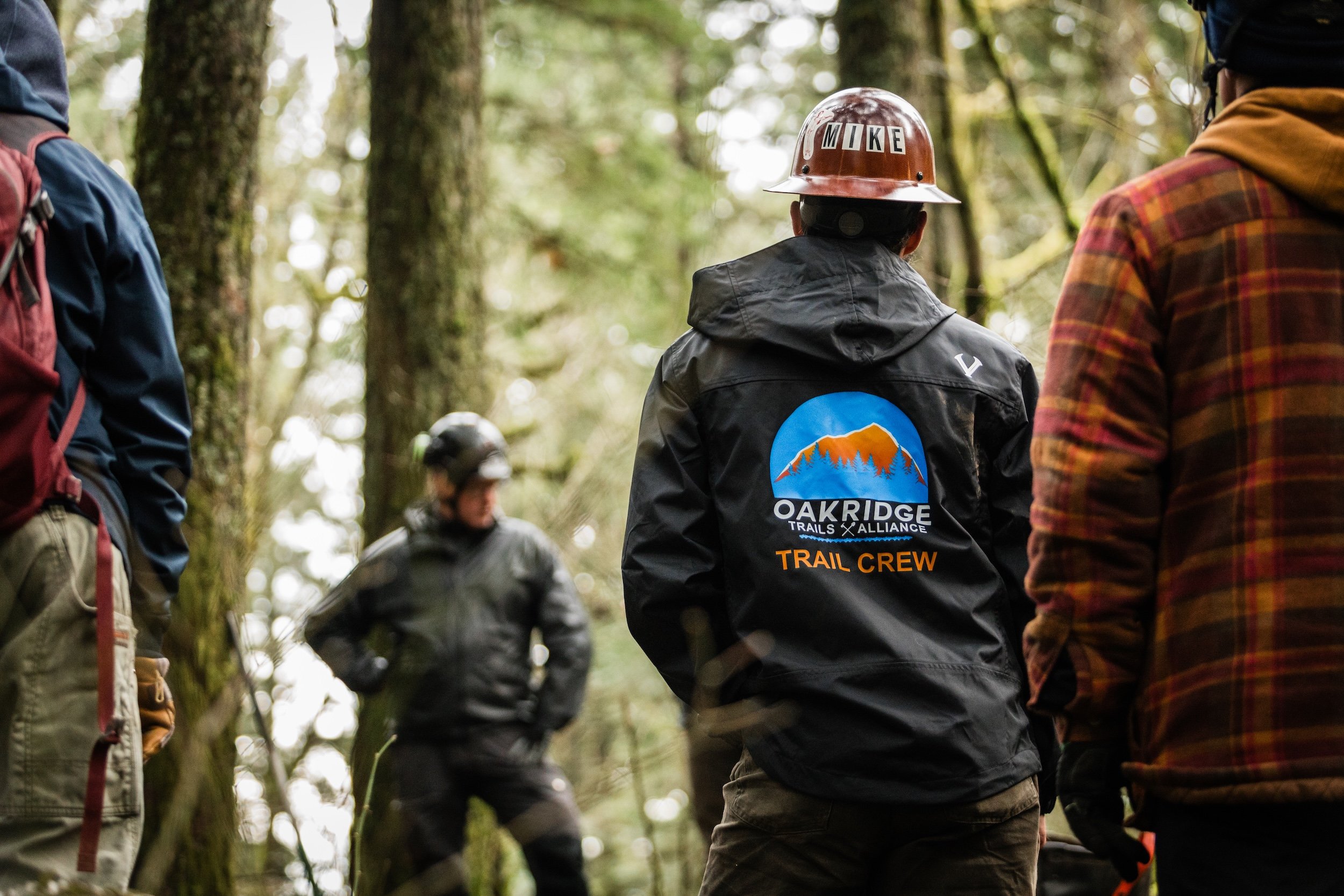
A few years back, I found myself riding in the Oakridge-Westfir area of Oregon at Mountain Bike Oregon. It’s the kind of place that makes you believe in second chances, not just for old logging towns, but for entire communities looking for a new way forward. The singletrack was (and is) world-class, and the ridgeline views were unforgettable. But what struck me most wasn’t the trail—it was the people. A small, tight-knit community that had weathered economic downturns and reinvested in itself through the simple act of getting people out on bikes.
That didn’t happen overnight.
If you’re a rural town dreaming about becoming the next trail destination, the reality is this: building a network of mountain bike trails is a long, bureaucratic process. It involves securing access to land, navigating environmental and zoning approvals, funding construction, and then maintaining those trails season after season. It’s not just dirt and tools. It’s diplomacy, funding cycles, and a whole lot of patience.
And yet, there’s good news.
