
Field Test: Dakine 25L Builder Pack on a 5-Mile Trail Build Project
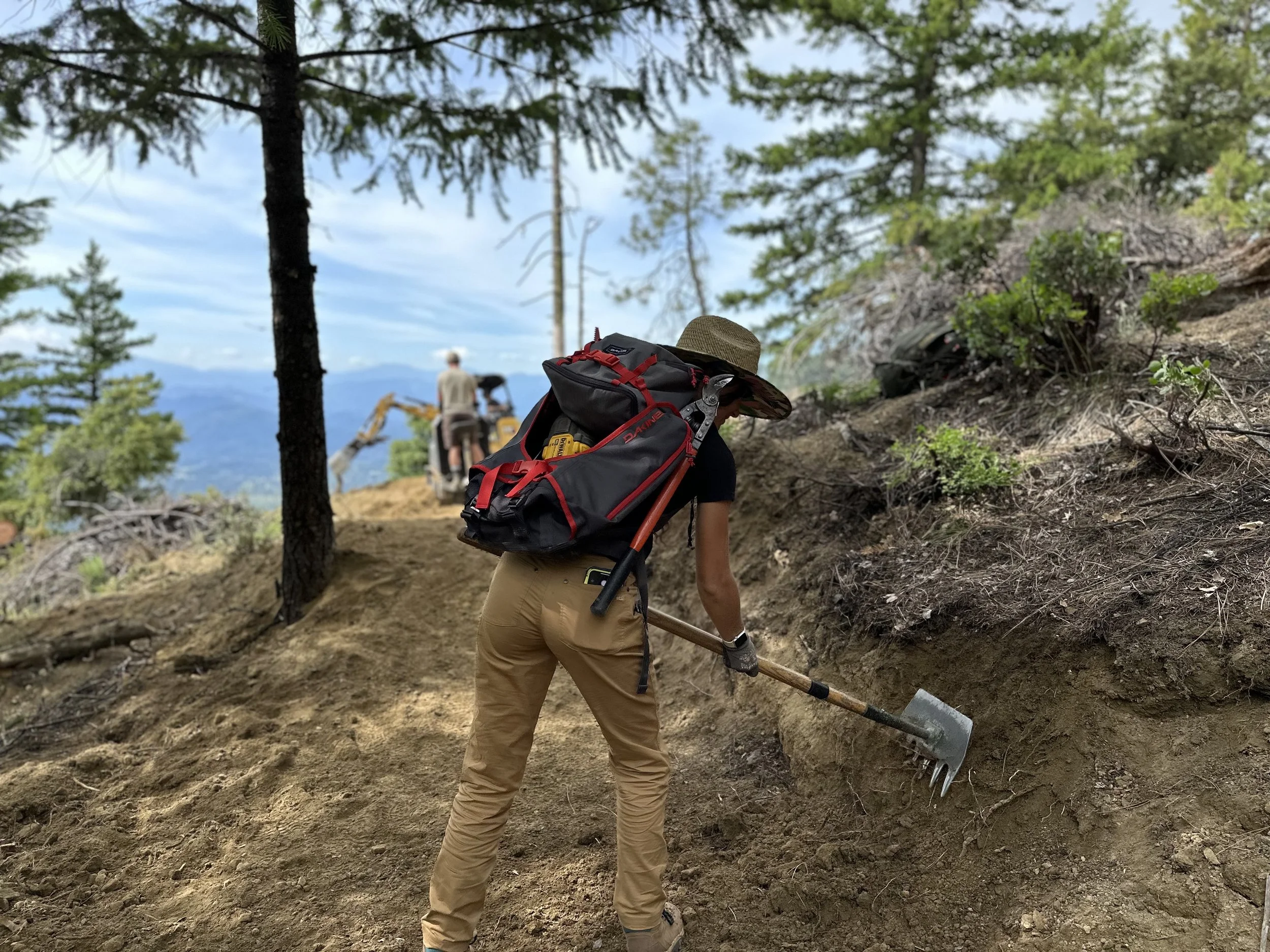
Dakine 25L Builder Pack Review
The Dakine 25-liter Builder Pack is the little sister to our favorite 45-liter Dakine Builder Pack. When you want a little less bulk with a little more stability, this is the pack I reach for every time.
With its hard, rigid back panel design, hiking or riding with power tools and daily trail snacks becomes that much easier. If your load leans more toward tools than compressible gear, this pack has your back. One of its most thoughtful features is the foldable internal compartment, which tucks into itself and creates a dedicated space for messier items. Packing a chainsaw or Sawzall is simple, and it keeps gas and bar oil away from everything else. We all know how much it sucks when that ends up on your lunch.
One thing to note: this pack does not include a hydration bladder sleeve. You will need to bring your own water bottle. That said, there are plenty of storage options, including well-placed exterior pockets that make bottles easy to access throughout the day.
After using the Dakine 45-liter pack for the last three years, I made the switch to the 25-liter this season and have loved it just as much as its big sister. One season down, and many more to go.
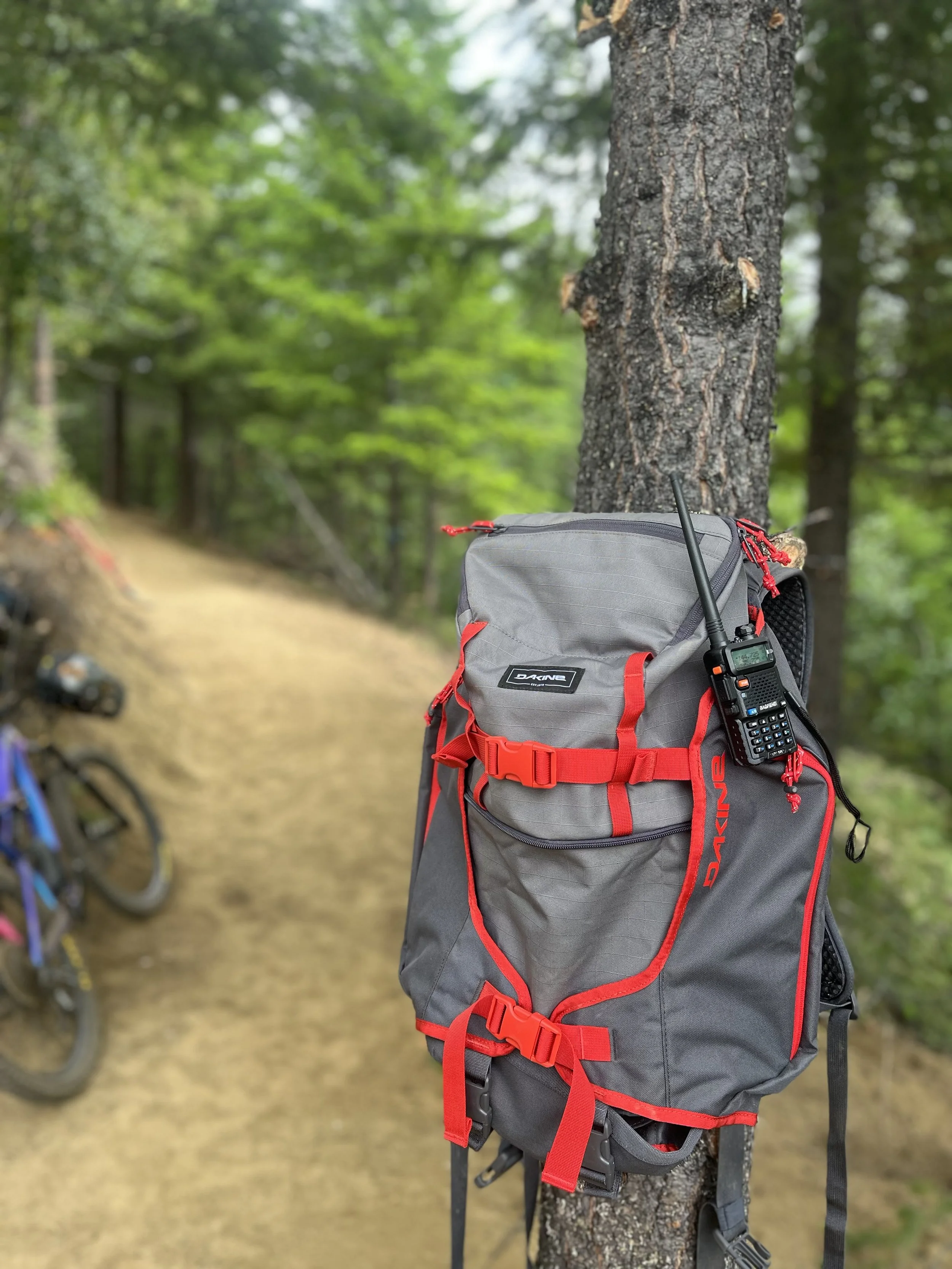
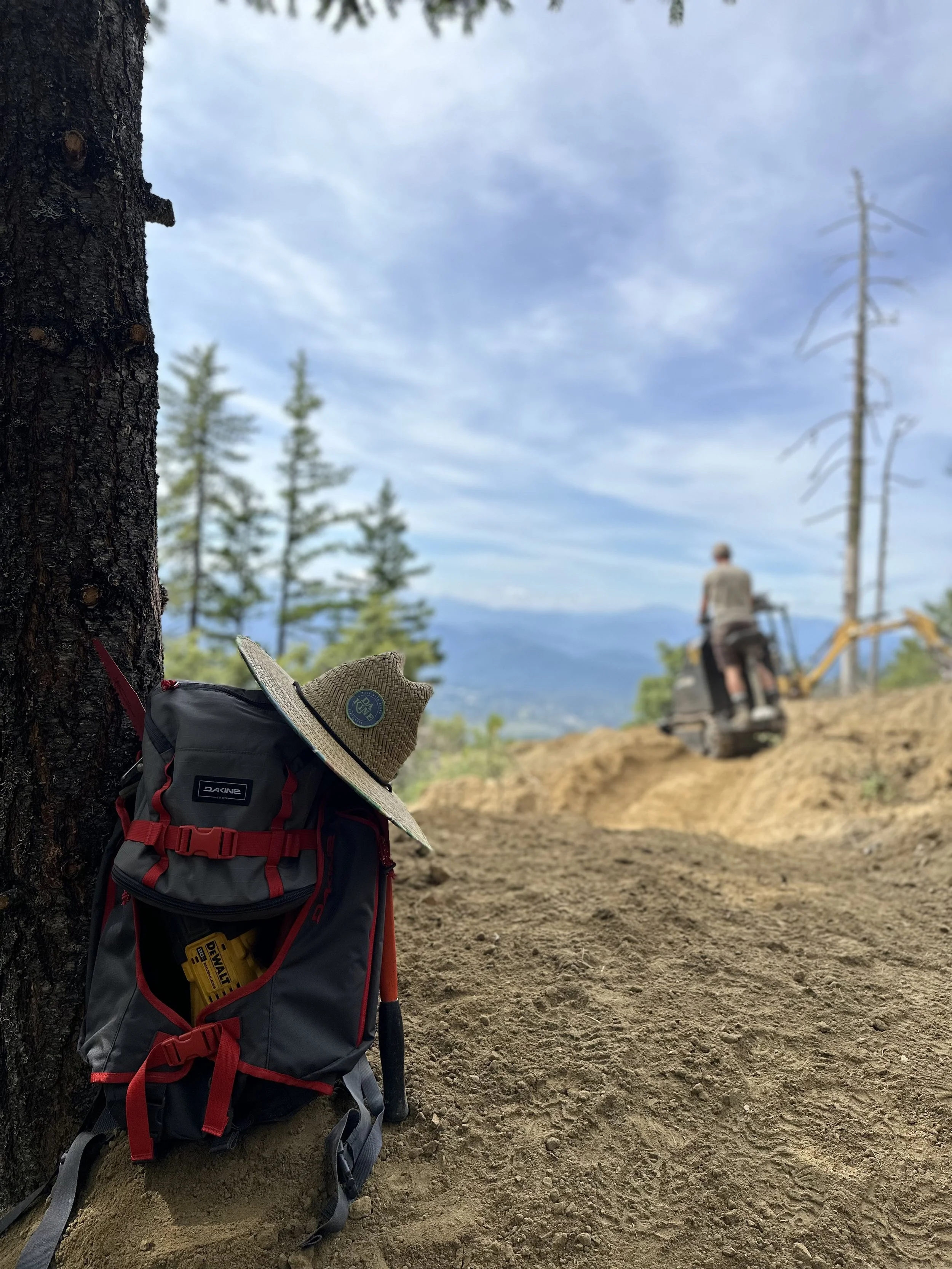
Field Tested on Weaver Bally
This season, the pack saw miles of use on Weaver Bally, just outside of Weaverville, California, about 45 minutes west of Redding, our home base for trail building.
We used it daily while working on a two-year project: a fully shuttleable, five-mile trail called Sweepstakes. The trail winds through incredible old-growth forest. While it makes for amazing riding, it also makes for challenging building conditions. With this pack, I could easily carry a chainsaw and Sawzall to cut through roots that were sometimes as big as small trees.
When it wasn’t loaded with tools, it carried snacks and food for both me and my pup.
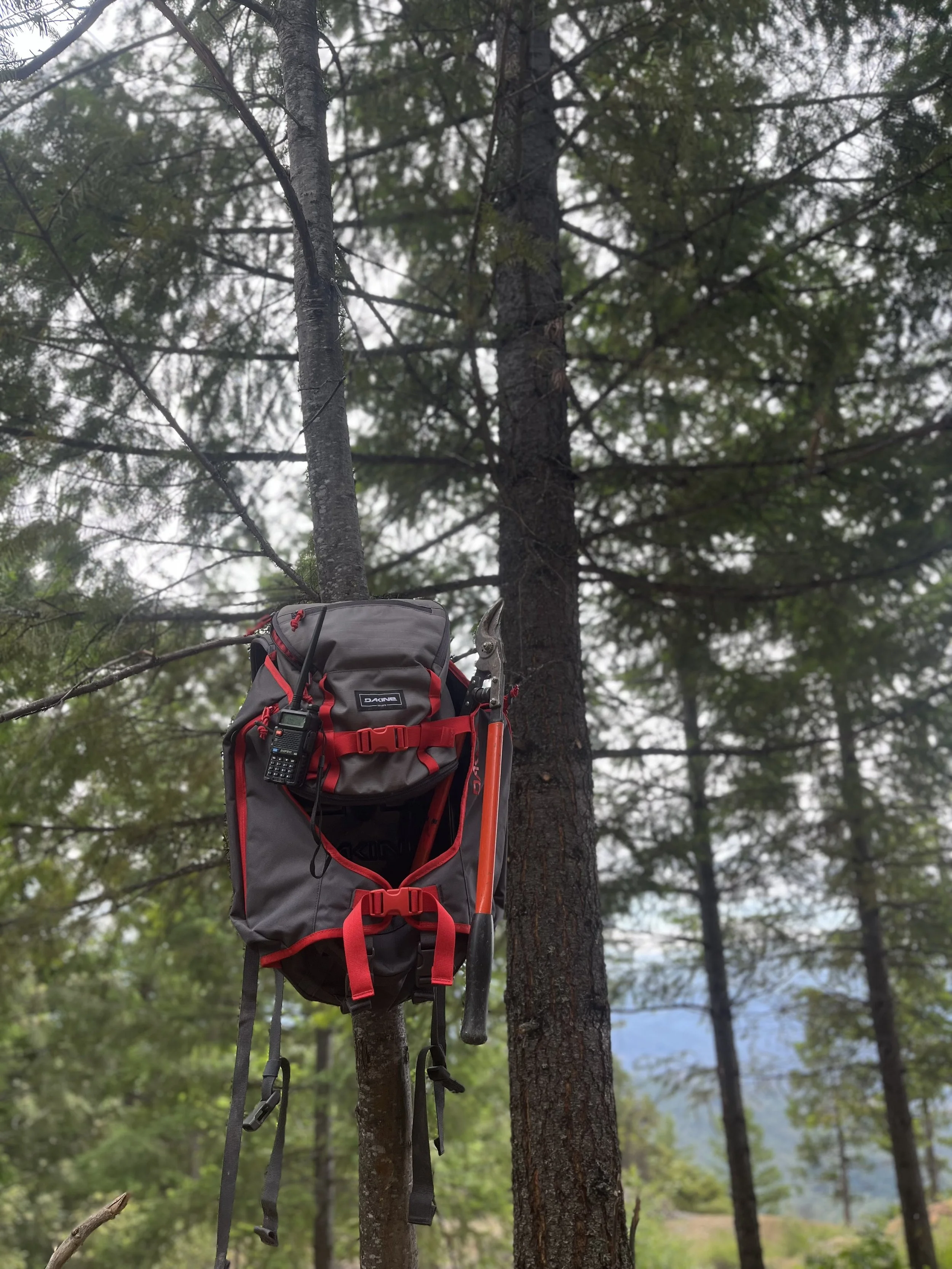
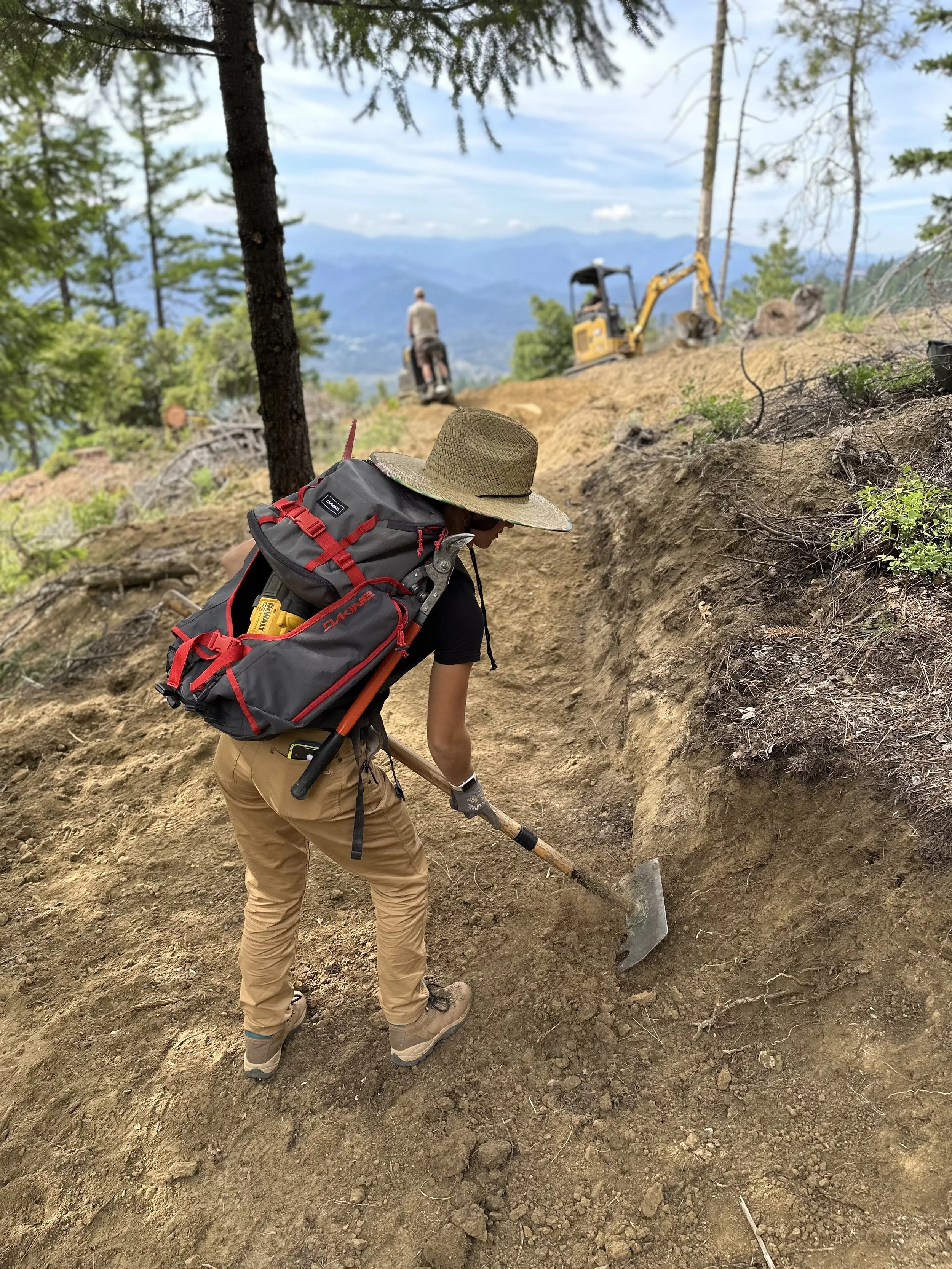
A Day in the Life of a Trail Builder
A typical day started with a 30-minute drive up the mountain, talking through goals and plans. At the trailhead, I would go through my pack, strip out anything unnecessary, and reload it with fresh batteries, chains, and extra snacks.
Once on site, we held a tailgate safety meeting. It was always a good reminder that this is dangerous work, and we need to look out for ourselves and each other. Radios got clipped onto packs, and we started the hike in.
From there, it was straight to work. Machines fired up, and we got to building.
Lunch was a reset. We would sit, take in the mountain air, and refuel. Sometimes we even snuck in a quick nap. This is where one of my favorite features of the pack really stood out: the padded back panel doubles as an incredibly comfortable outdoor pillow.
At the end of the day, we packed tools, counted the crew, and made the hike out. That final climb can be brutal after a full day of work, but the pack’s stability and design made a noticeable difference. Even when I added extra batteries, the load carried better than expected.
Final Thoughts
Overall, I would give this pack a 7 out of 10.
My biggest critique is the lack of a hydration bladder sleeve. While I understand the design tradeoff with the foldable compartment, working in hot, dry environments makes carrying multiple water bottles less convenient.
That said, for anyone just getting into trail building, I recommend this pack without hesitation. It is reliable, durable, and built to carry more than you probably should.
Just don’t forget your water bottle.
————————————
This article originally appeared in Volume 1, Issue 2 of Trail Builder Magazine.
Alexis Brown
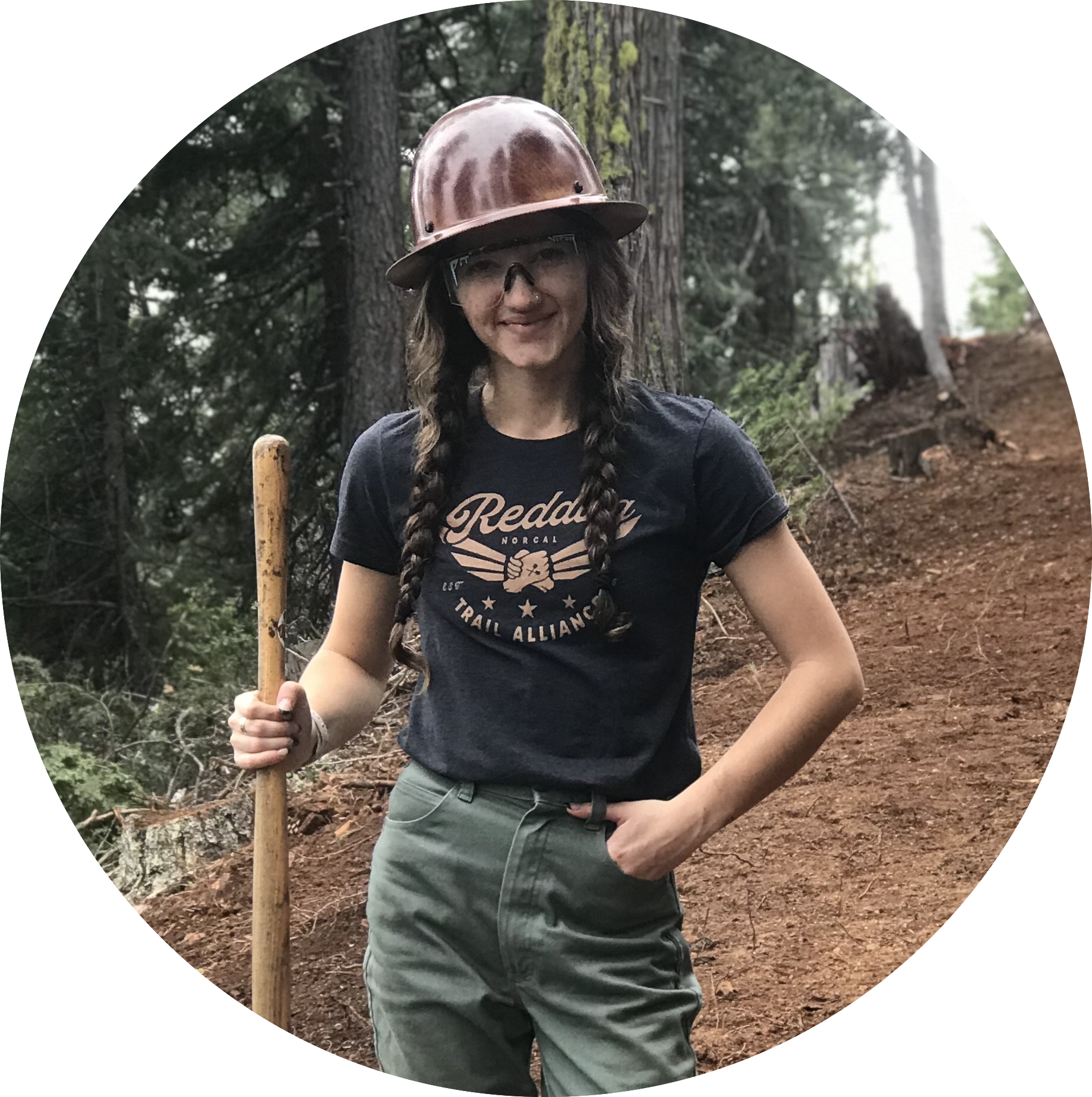
Alexis is a yoga teacher turned into a trail builder and rider. She has a passion for all things outdoors and spends most of her time in the woods somewhere. Born and raised in Redding, California, the mountains is where she finds her happiness. She is the lead trail builder for Redding Trail Alliance so you can usually find her digging in the dirt.
