
When Sanctioning Trails Benefits Everyone
The Early Days of the Gillard Trail Network and Freeride Culture
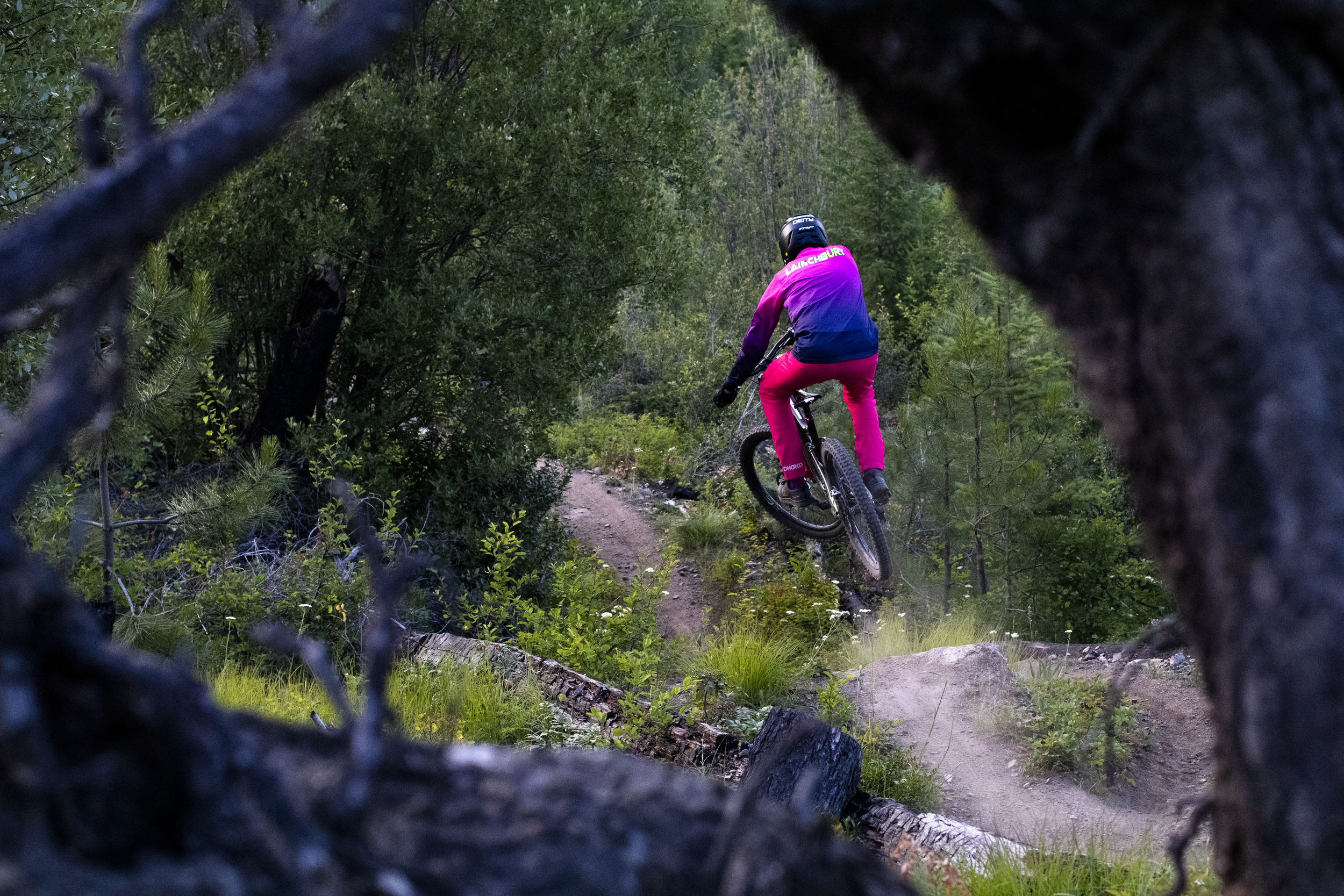
A mountain biker rolls along precariously balancing on 20-foot-tall skinnies through the forest: a common sight pre-2003 when the Gillard trail network was a well-kept secret in the mountainsides of Kelowna, BC.
The network was influenced by the early freeride era of mountain biking on the North Shore, with massive features and skinnies galore. Gillard flourished when local trail builders shifted their sights to the area after the nearby Crawford Trail Network became a BC park and all the wood features were removed.
At Gillard, builders carefully ensured people didn’t find out about the place. Therefore, trails were hidden away from the road, and for some people, such as Cam Lainchbury, it took years to convince someone to show you the trails. Things at the network changed after the 2003 Okanagan Mountain Park fire, which burned over 25000 hectares of forest, including a good portion of the Gillard Trail Network.
With a great deal of the pre-fire trails turned to ashes, many of the original builders moved on. This made room for new builders to reshape the network, and Cam was one of them. Cam, now the vice president and lead trail builder at Mountain Bikers of Central Okanagan (MTBCO), has spent the last two decades caring for the network and contributed to it being sanctioned by Recreation Sites and Trails BC.
Following Cam's Journey with the Gillard Trail Network from the fire to now, this article will examine some of the pros and cons of trail sanctioning and Gillard's transformation.
Rebuilding After the Fire: The Evolution of Modern Trail Design
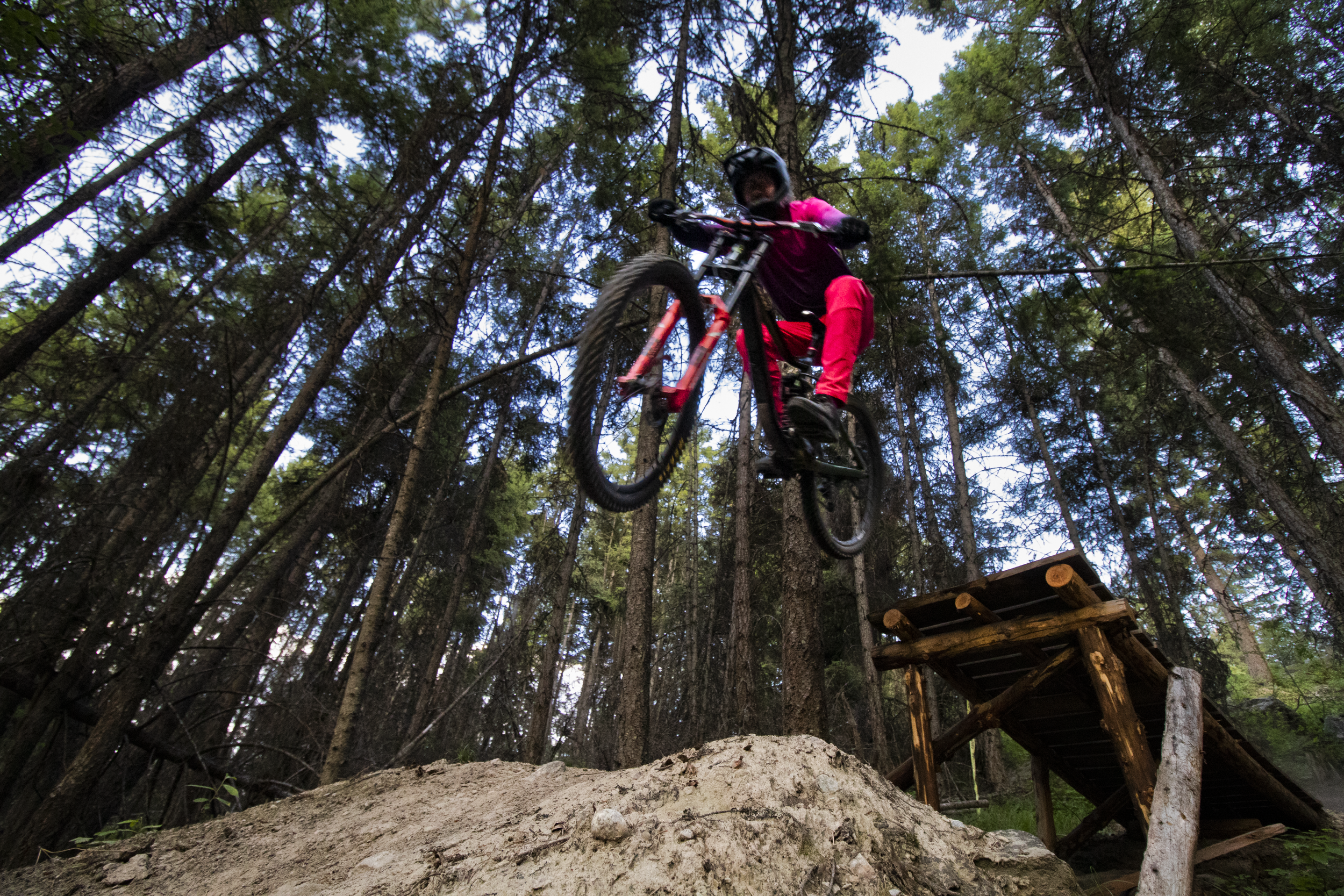
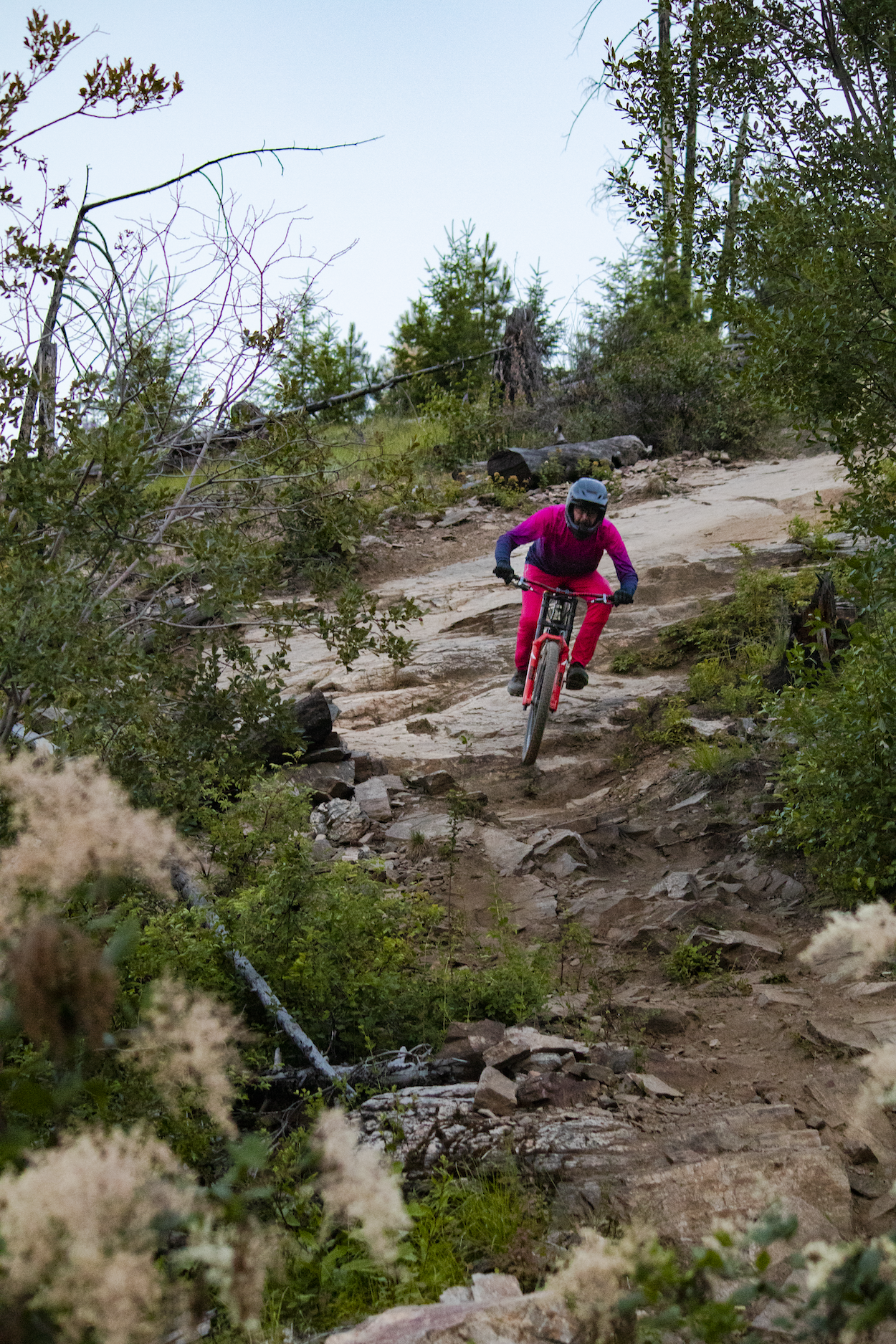
After the fire, Cam first set his sights on a trail called Wobbly Pops. Before the fire, Wobbly Pops was full of skinnies and log rides. In the ashes of that freeride gnar, Cam saw a flow line. He took his influence from a childhood full of skateboarding and snowboarding and brought that into Wobbly Pops, transforming it into a trail with fast hits, berms, and some chunky rock lines.
While building it, he intended to create something that “anyone can have fun on and learn on.”
At first, many of the Gillard locals did not receive the changes well and were upset to see a blue trail added to the network (the trail has since been regraded to black). But times were changing, and Wobbly Pops was just the start. Cam has since added three more trails under his name: Rubber Down, Moose Knuckle, and St. Ripper.
Why Trail Sanctioning Became Necessary in Kelowna, BC
Fast forward roughly ten years after the fire, and riders saw another threat to the trail network. Development of the nearby Kettle Valley community, mining for the desired Kettle Valley Granite, and the potential for forestry were all encroaching. This was when MTBCO began the process of sanctioning the trails to protect them from development.
With the introduction of government policy, things started to change again. Before the trails were sanctioned, “builders built what they wanted to ride. Nothing was by any standard or anything like that. Now that it's an official rec site, we follow Whistler and IMBA trail standards.”
Building Unsanctioned Trails vs. Legal Trail Development
Cam had already completed Wobbly Pops and Rubber Down and taken a small break from Trail Building when he started working on his third trail in the network: Moose Knuckle.
He decided to build the trail secretly and joined MTBCO to find out if anyone knew about the trail he was building.
In hindsight, Cam wishes he hadn’t made it in secret because doing so slowed the process of the trail later gaining legal status.
Trail Standards, Safety, and Sustainability in Sanctioned Networks
While building unsanctioned trails in secret is an easy way to get stuff done, cutting through the government's red tape can slow things down in the long run.
Additionally, the standards set by the government and IMBA help builders create safe and environmentally sustainable trails.
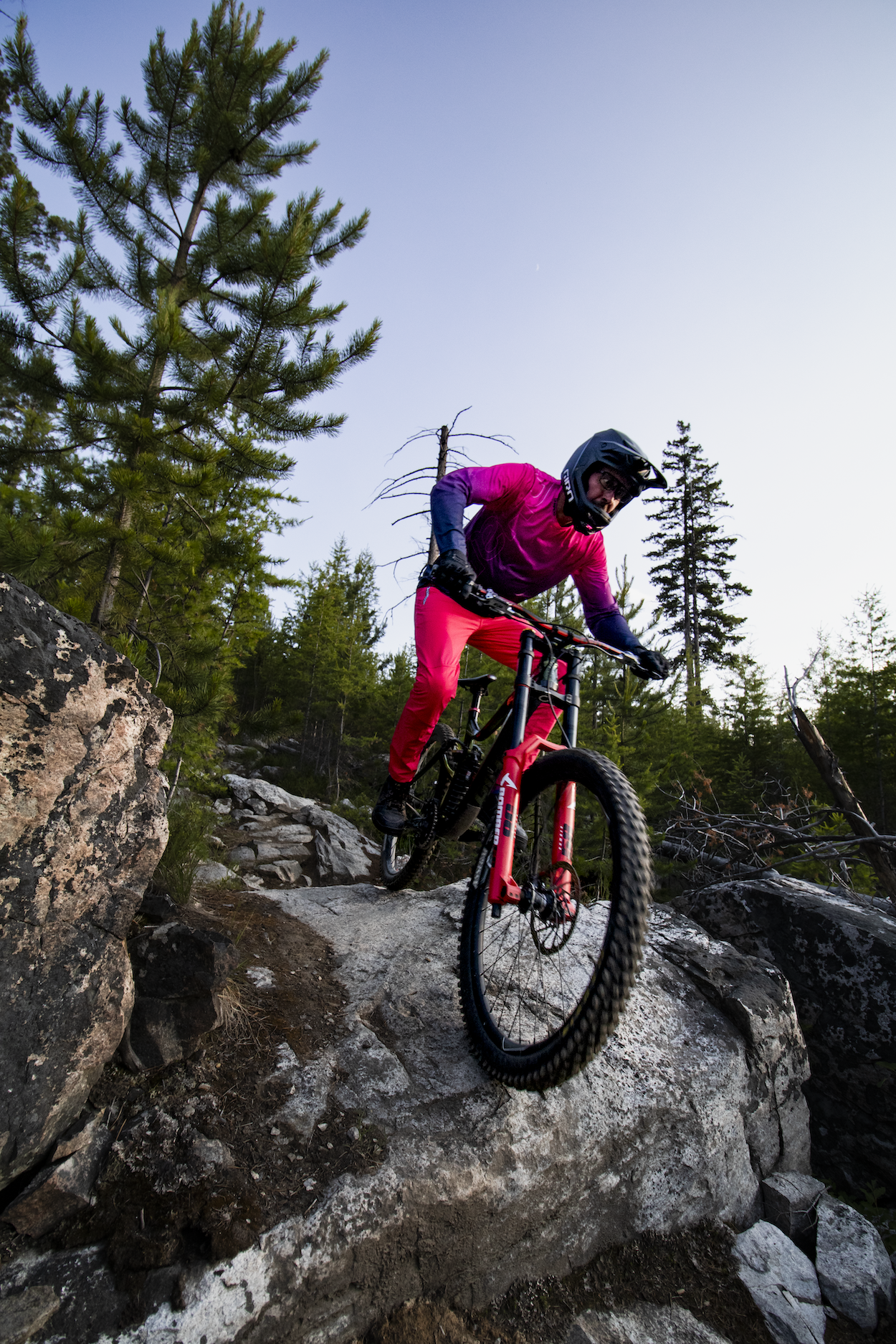
When asked if sanctioned trails stopped him from building what he wanted, Cam responded, “We still get to build a bit of what we want. Yeah, we might not be able to build a 60-foot road gap or something like that, but, say, on a black trail, you can have a double black feature. It just has to be off the main line.”
Interestingly, not all red tape is created equal. In some cases, the trail standards are up for interpretation by the local Rec Officer, leading to differences in trail difficulty in different locations; for example, Nelson, BC, is known for its blackish-dark-blue trails.
The Risks of Rogue Trail Building in Sanctioned Systems
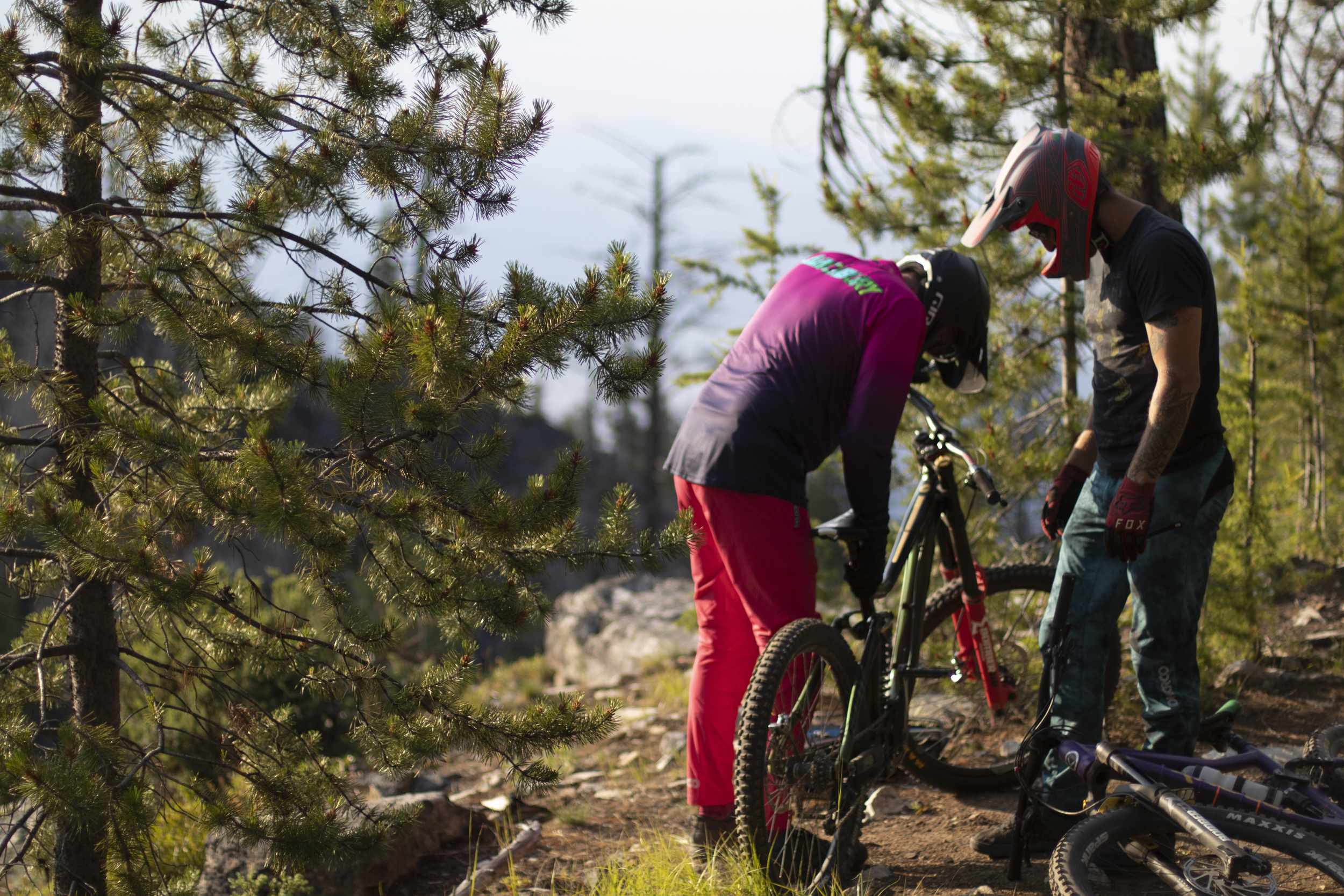
Since the Gillard trails have been sanctioned, some people have turned to building rogue trails and independently reviving old, decommissioned features without MTBCO permission.
While rogue trail building is where it all began for freeride mountain biking, doing so in the Gillard Trail Network potentially causes more significant harm than it is worth.
If someone were to build a new trail at Gillard without going through the proper processes, the whole network could get shut down. Furthermore, Cam shared that the government has been cracking down on rogue trails with the possibility of a $10,000 fine or even jail time if builders are caught.
The Benefits of Trail Sanctioning: Funding, Access, and Long-Term Growth
While sanctioning causes limitations for what can be built, it also opens the door to many possibilities.
As a result of sanctioning, more funding is available to the network.
Since the sanctioning of Gillard, they have built a parking lot and completed more trail maintenance, and MTBCO is in a multi-year process of collaborating with the government and Westbank First Nations to build a climb trail in the network. Sanctioning may take away some of the fun for a few who want it all to be gnarly, but it creates access for many more people to enjoy the trails.
————————————
This article originally appeared in Volume 1, Issue 2 of Trail Builder Magazine.
Mathew Wanbon
Mathew Wanbon is an action sports, adventure, and commercial photographer based on Vancouver Island, BC. He loves getting deep into the cultures of the sports and activities that he documents and telling stories that connect with core values while remaining accessible for general audiences. Whether he’s pedalling his bike up kilometres of a dusty singletrack to capture an epic descent, splitboarding into the alpine at sunrise for fresh turns, hiking countless kilometres with a 50lb pack, or capturing the quiet moments around the campfire, he lives to create images that feel real, gritty, and alive.
