The Complete Social Media Guide for Trail Builders, Nonprofits, and Trail Companies
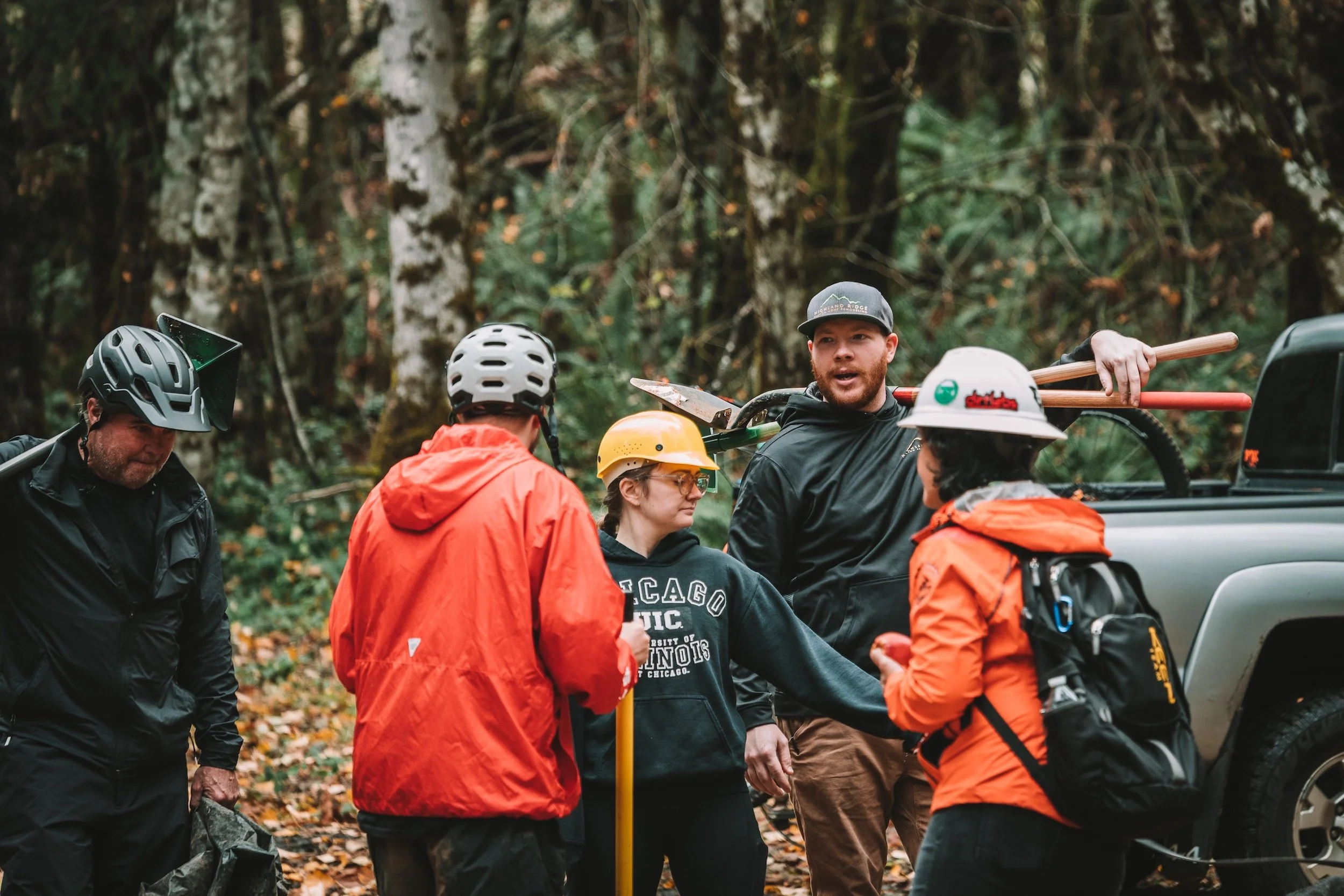
I spend a lot of time around trail builders. Sometimes I am taking photos. Sometimes I am tagging along on a dig day. Sometimes I am just listening. And over the years, one thing keeps coming up in those conversations. Builders want people to understand the work. They want the community to see what actually goes into creating a trail or repairing the damage after a storm. They want more people to care.
Social media is the simplest way to make that happen. It is the only tool most trail organizations have that can show the process in real time. But that does not mean it is easy. Most groups feel behind before they even begin. They are stretched thin, running on volunteer hours, juggling projects, and trying to keep their focus on the work in front of them. Posting about it often feels like one more task on a very full list.
I get that. And I want to offer something simple here. A way forward that does not require a marketing background. A way that any organization, regardless of size, can use to tell its story with clarity and consistency.
This guide is meant to help you build that strategy.
Why Trail Organizations Struggle With Social Media
The struggle is not the platform. The struggle is the workload. Trail building takes time and attention. So does maintenance. So does volunteer coordination. So do grants, permits, relationships with land managers, meetings, and trying to keep energy up across the entire season.
Social media is often the thing that gets pushed to the side. And when an organization finally decides to post again, they feel the pressure to make it perfect. That pressure slows everything down.
Here is what I have seen across almost every trail organization.
Volunteer-led groups do not have a communications person.
Medium-sized nonprofits have people who can help, but no strategy to guide the work.
Trail companies post the final product, but skip the story of how it happened.
Everyone feels unsure of what to post and where to post it.
This is why many accounts go quiet for weeks or months at a time. But it does not have to stay that way. You do not need more time. You need a plan that is simple enough to repeat.

The Four Types of Digital Media and How Trail Organizations Can Use Them
I teach an undergraduate course called Intro to Digital Media. Early in the semester, we break digital content into four simple categories: photography, video, writing, and audio. Everything we do online fits into one of those buckets.
When it comes to social media, most people naturally lean toward one or two. That is normal. You have seen this with Trail Builder Magazine. I focus on photos and writing because those are the tools I already know how to use. They let me show the work, the people, and the impact with clarity and consistency. And that gave me a place to start.
It does not mean I plan to stay there forever. Over time, I will add more video and audio. But I did not wait until I could do everything. I picked what felt doable and started moving.
You can do the same. Lean into the forms of digital media that fit your strengths. Begin with what you can manage. Build from there. The same principle applies to social media platforms. You do not need all of them on day one. Pick the ones that align with your strengths and start where you are.
Social Media Platforms Trail Organizations Should Use and Why
Not every platform serves the same purpose. Here is a quick way to think about each one.
Instagram for Trail Organizations
Instagram is the home base for visual storytelling. Reels work because movement draws people in. Stories capture the small moments that do not need a full post. Carousels are perfect for teaching something or walking people through a process.
A steady Instagram presence keeps your community connected to the day-to-day rhythms of the work.
Facebook for Local Engagement
Facebook still matters for events and volunteer communication. Many riders and community members rely on it. If you host dig days or town hall meetings, this is where those events should live.
TikTok for Younger Riders and Builders
TikTok rewards the raw and the real. You do not need fancy edits. A five-second clip of a trail machine pushing dirt or a volunteer shaping a corner is enough. It is a platform that reaches the next generation of builders (although it continues to "mature" and attract older demographics).
LinkedIn for Agencies and Trail Companies
LinkedIn is where funders, professionals, city staff, and partners pay attention. Share project milestones. Share community impact. Share economic development stories. This is where you speak the language of leaders and decision-makers.
YouTube for Trail Education and Storytelling
YouTube is powerful because it gives space for longer stories. A five-minute walkthrough. A tool demonstration. A behind-the-scenes look at trail planning. These videos continue to build trust long after they are posted.
Threads and X for Advocacy and Updates
Simple, conversational posts work well here. Share trail conditions. Advocacy wins. Weather changes. Quick insights. These platforms support the day-to-day conversation around your work.
A Weekly Social Media Posting Plan for Trail Organizations
Here is a simple weekly rhythm you can use.
Monday: Promote upcoming dig days.
Tuesday: Share a recap of past dig days.
Wednesday: One post featuring people (volunteer spotlight).
Thursday: One post that shows the impact of your work or advocacy efforts.
Friday: Educational content (how-tos, tools, etc.).
Beyond that, share Stories three or four times a week (polls, questions, and other engagement stickers). One short-form video, if you can manage it. Just pull out your iPhone and hit record. Minimal editing.
And if this feels like too much, cut it in half. If even that feels like too much, start with Stories. The goal is not perfection. The goal is presence.

Social Media Content Ideas for Trail Builders and Trail Organizations
To make things easier, here are a few prompts you can use anytime.
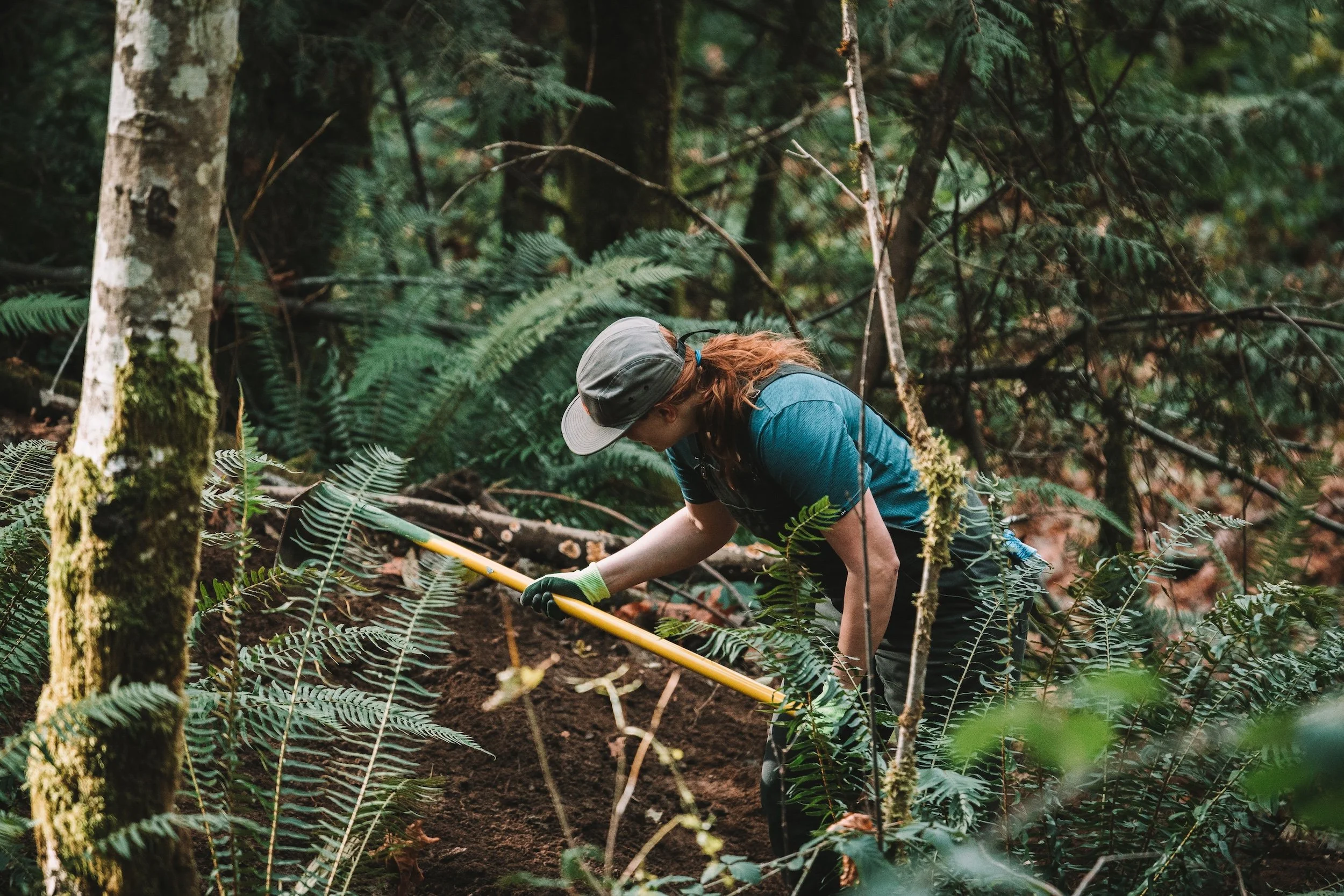
One photo of dirt moving. Tell people what problem you are solving.
A short clip of someone sharing why they dig.
A before and after.
A single tool and a quick explanation.
A storm update and how it affected the trails.
A recap of a dig day in five sentences.
A thank you to volunteers.
A clip of someone riding a newly finished feature.
One lesson your crew learned this week.
A poll or question for your community.
Keep it simple. Keep it honest. Use the phone you already have.
How Social Media Helps Trail Organizations Grow Support
Social media is so much more than marketing and hype. It is education. It is communication. It is advocacy. It is community. And it is how people begin to feel connected to the mission. When people understand the work, they show up. When they see the impact, they care. When they see the people behind the work, they trust you.
Trail Builder Magazine has grown because the global trail community wants these stories. Your community wants them too.
Build Your 30-Day Social Media Strategy
Start simple. For the next 30 days, use the framework in this guide. Show the work. Show the people. Show the impact. Do not wait until you have more time. Do not wait for the perfect idea. Begin with what you have. The consistency will build itself. And over time, the story you tell will help build the community you need.

Sean Benesh
Sean is the Founder and Editor-in-Chief of Trail Builder Mag, a digital media instructor, and the Communications Director for the Northwest Trail Alliance in Portland, Oregon.