
How Trail Building Became a Professional Career: The New Workforce Behind Mountain Biking’s Growth
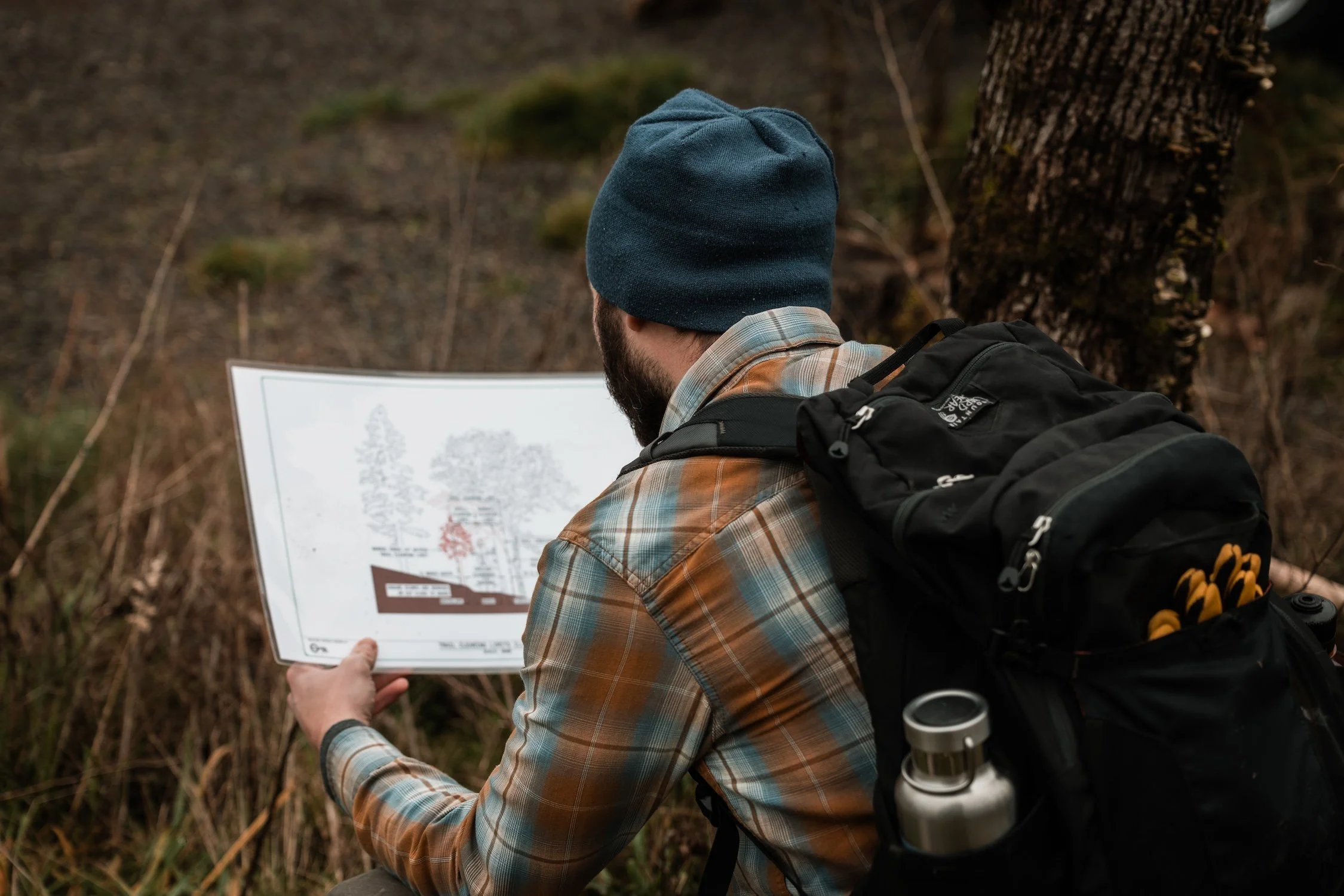
For most of mountain biking’s history, trail building lived in a curious space. It was essential to the sport yet rarely treated as its own profession. Its origin story is rooted in rogue trail builders. Riders with tools and imagination carved lines into hillsides long before formal trail systems existed.
From those early days through the volunteer era that followed, trail building operated on passion, community, and ingenuity more than official recognition. But something is changing. Mountain biking is expanding at a rate few predicted, and with that expansion, trail building is maturing into a true profession.
Why Trail Building Is Becoming a Professional Career Path
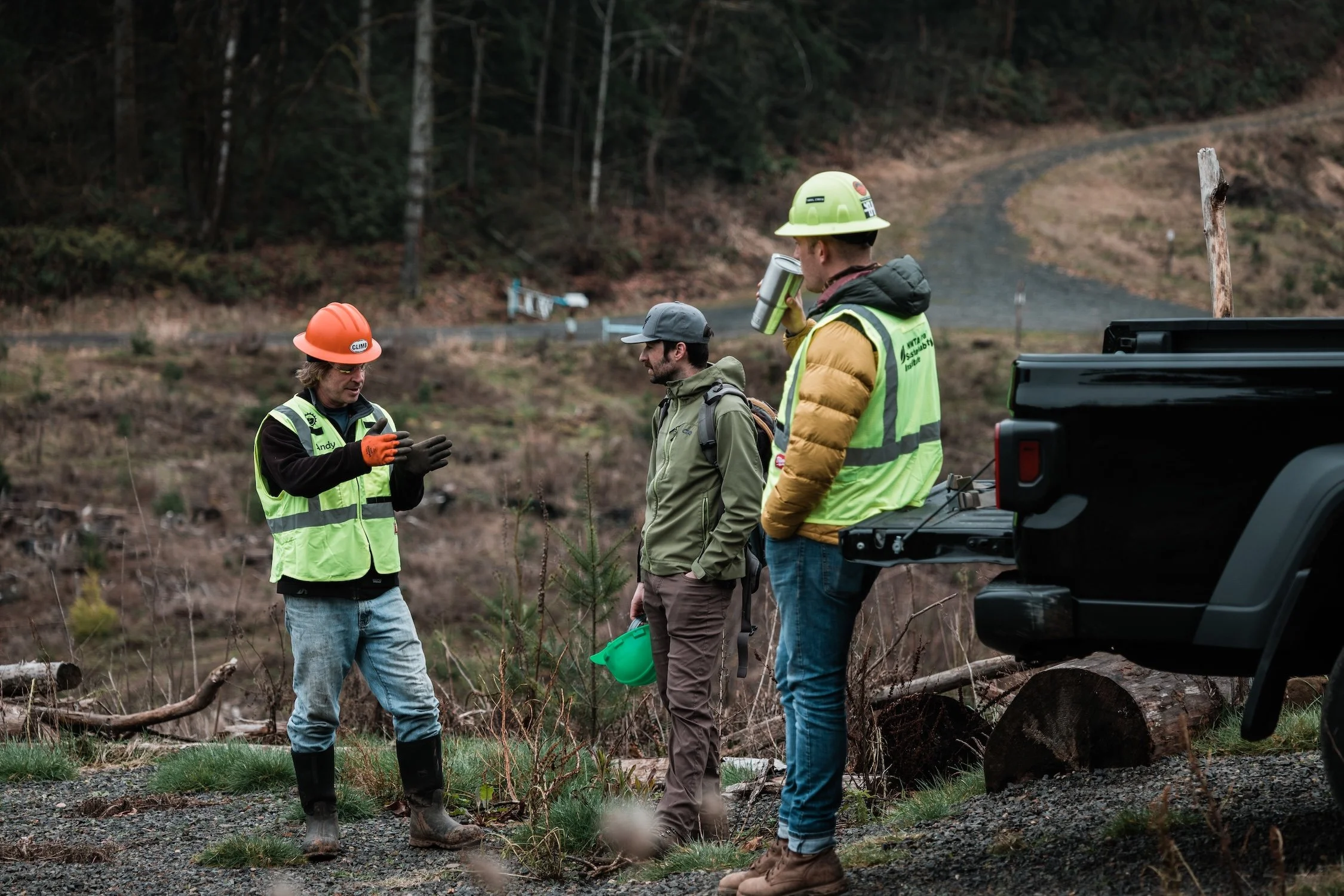
Trail building today is tied to broader forces. Cities and rural communities rely on trail systems to drive tourism and economic development. Land managers face pressure to build more trails and maintain them to higher standards. Riders expect sustainable design, predictable features, and year-round maintenance. As the scope and scale of trail projects grow, the work requires training, technical skill, and a larger workforce.
The Demand for Skilled Trail Builders in a Growing Mountain Bike Economy
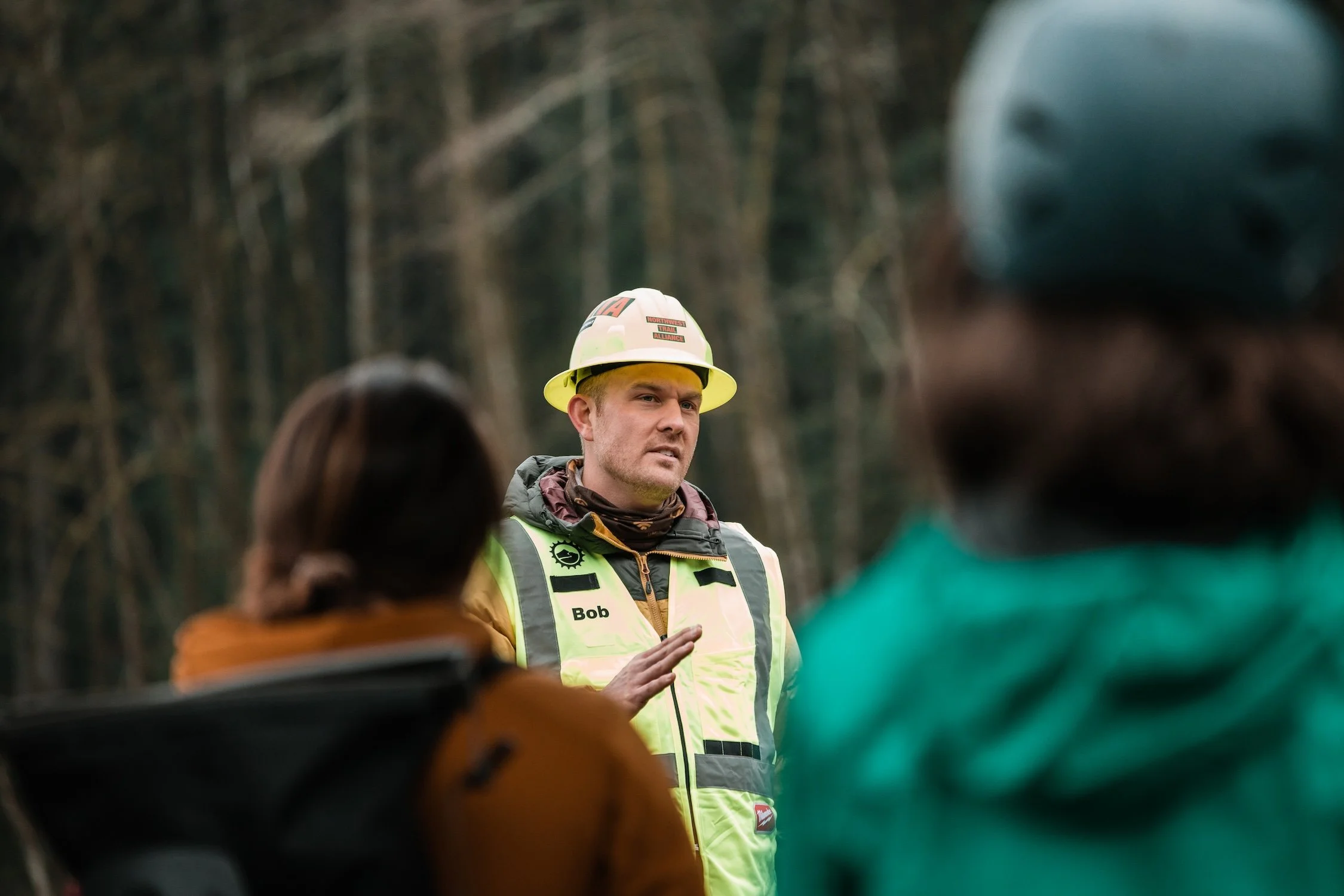
Trail systems are no longer side projects. They are infrastructure. They function as community assets that influence tourism, real estate, local business growth, and quality of life. That means trails must be engineered with an understanding of soil science, hydrology, climate change, user data, accessibility, liability, and long-term maintenance. Professional trail builders today are part craftsperson, part scientist, and part project manager. They carry a hybrid skillset that reflects the increasing complexity of the work.
As the sport grows, the demand for sustainable and professionally built trails grows with it. Companies are hiring more staff. Public land agencies are contracting more work. Communities are seeking expert help to plan and build the next generation of trail systems.
How Training and Certification Programs Are Shaping the Future of Trail Building
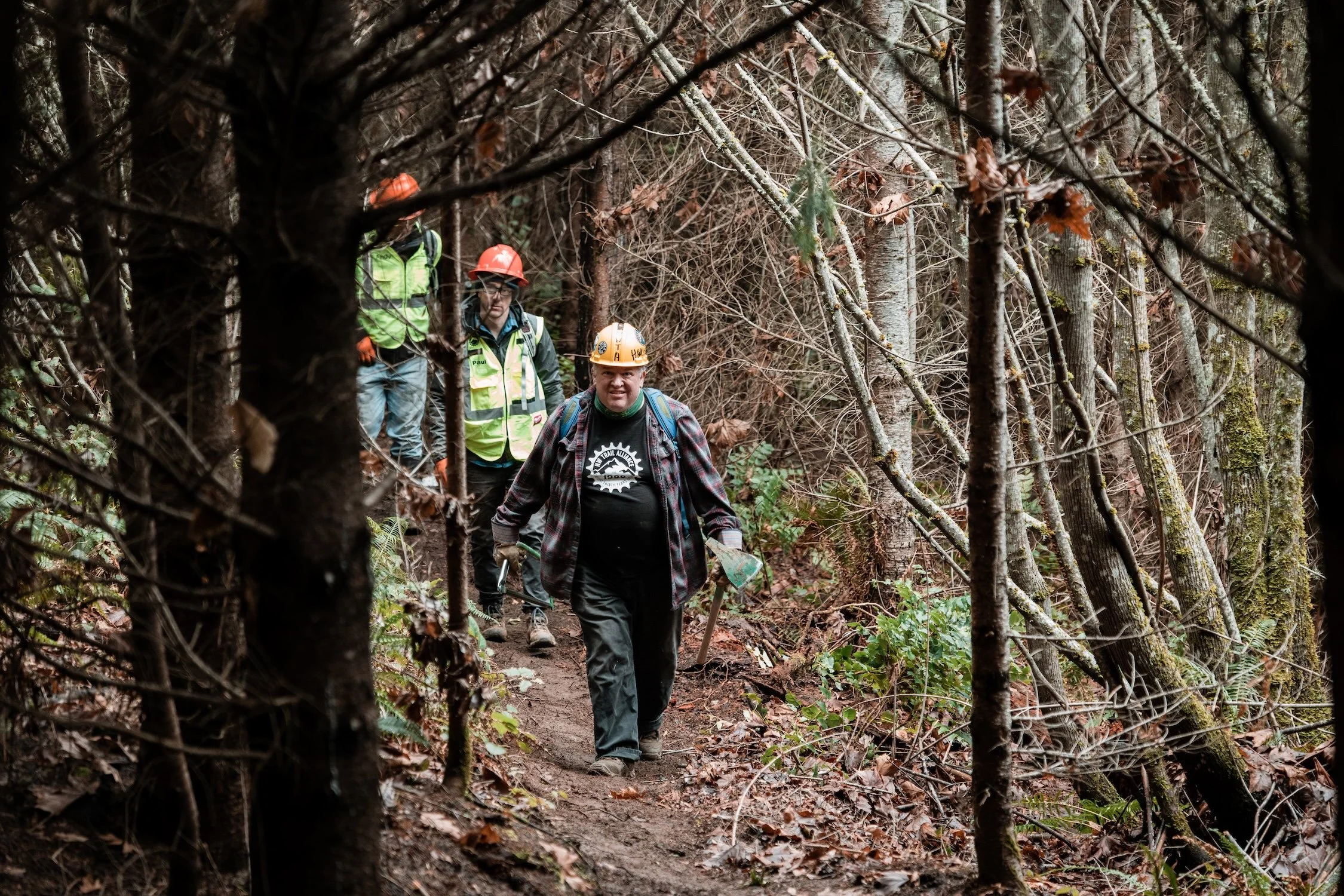
One of the clearest signals of this maturation is the rise of structured training and certification programs. These programs did not exist not that long ago. Today, they are becoming gateways for people who want to enter the field with confidence and credibility.
College Trail Building Programs Creating New Career Pathways
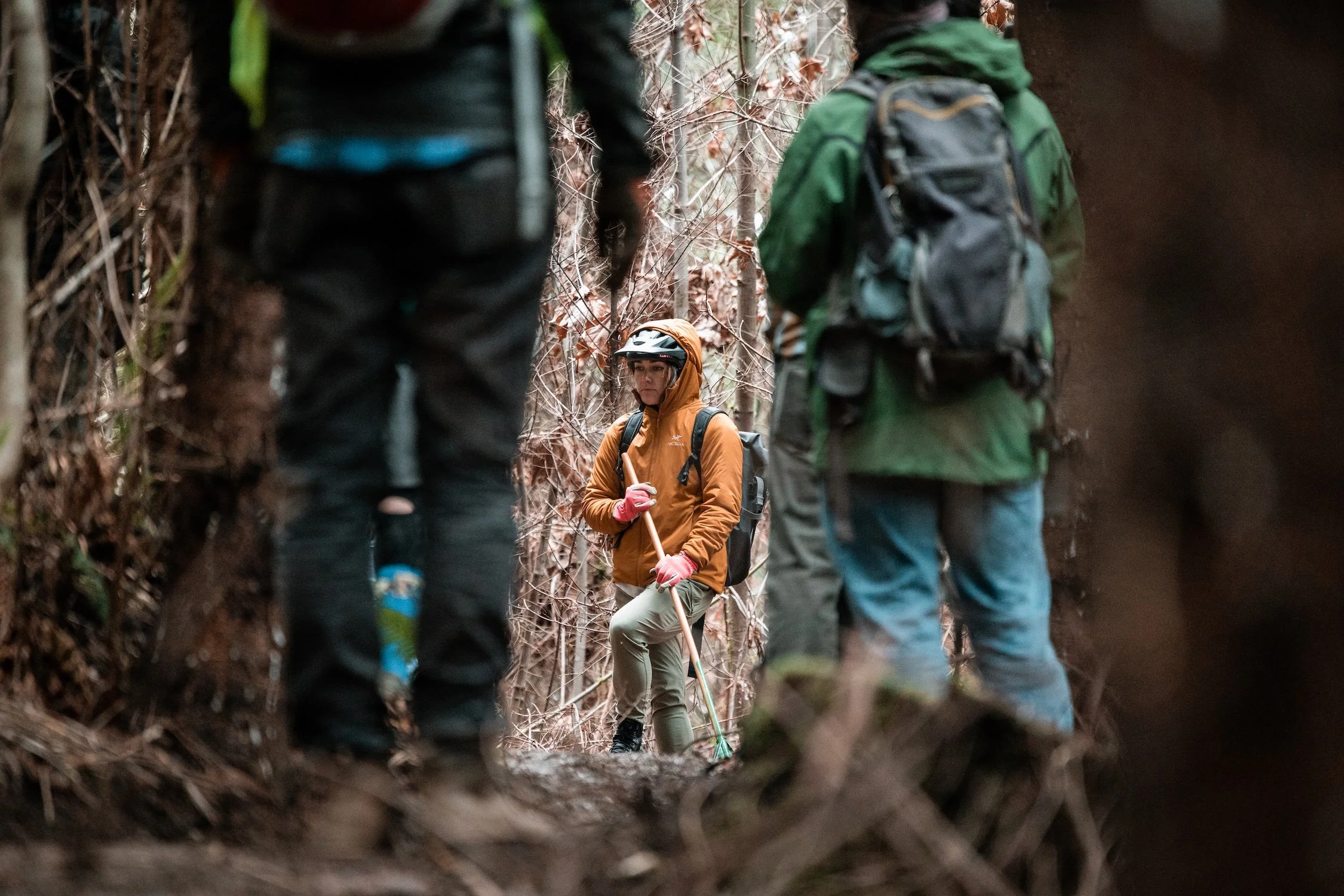
Across the country, academic institutions are creating programs specifically designed to prepare students for trail buildingcareers.
NorthWest Arkansas Community College’s Trail Technician program blends classroom instruction with field-based training. Students gain experience in sustainable trail design, construction techniques, field operations, and crew leadership. The program has become a model for how colleges can support the outdoor recreation workforce.
In North Carolina, McDowell Technical Community College offers workforce development courses that cover trail construction, mechanized equipment, safety, and maintenance. These courses are filling a regional need in a part of the country experiencing rapid trail development.
In Wyoming, Central Wyoming College runs a comprehensive trail building and maintenance program that puts students in the field constructing trail projects on public lands. The curriculum integrates technical training with hands-on application across diverse landscapes.
These programs signal a shift. Trail building is no longer something people stumble into. It is something students can study, pursue, and enter with a clear career path.
National Organizations Setting New Standards for the Industry
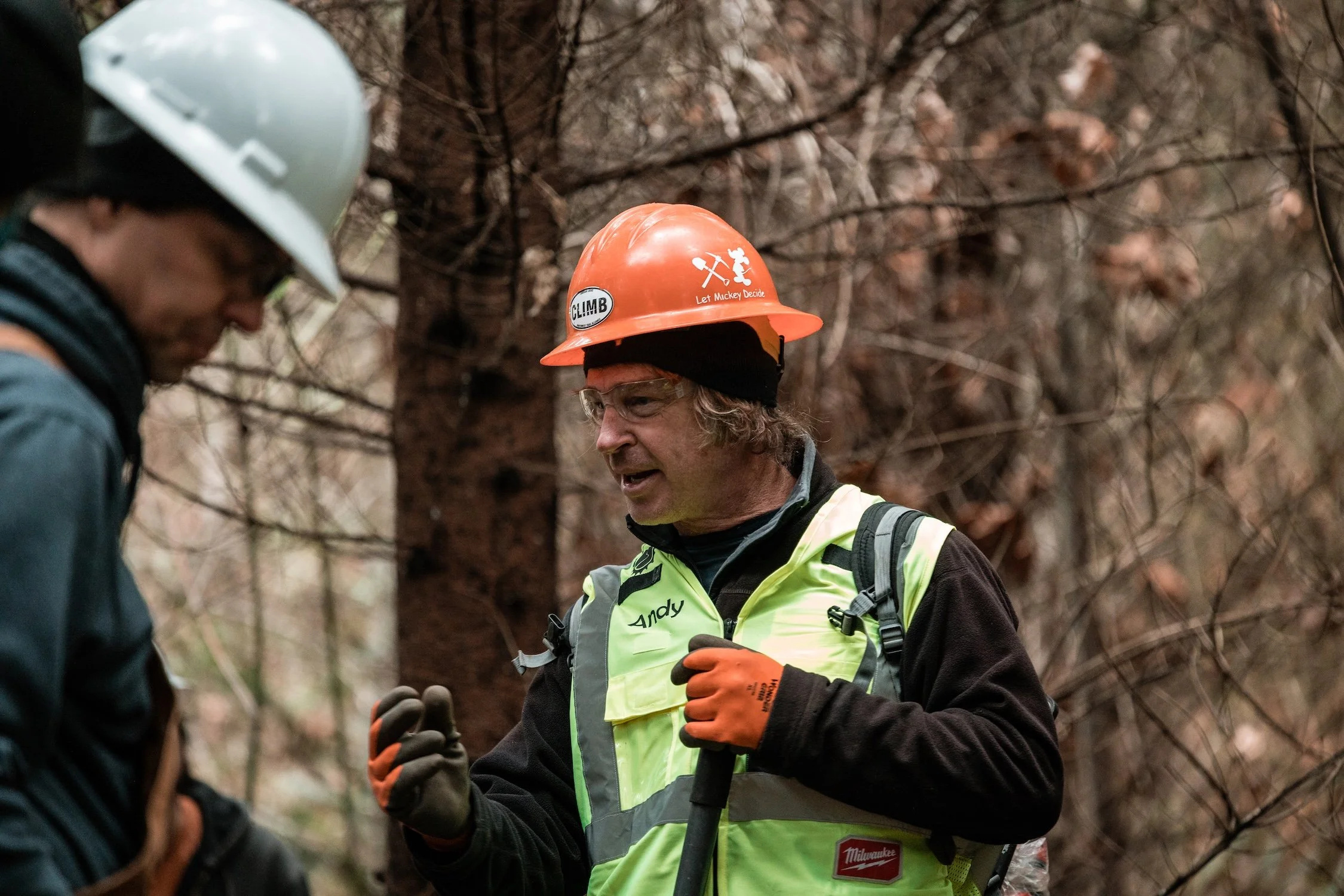
Alongside academic programs, national organizations are also shaping the professional landscape.
The Professional TrailBuilders Association showcases the collective expertise of trail building companies and provides guidance for standards, safety, and ethics across the industry. Their work reflects the expansion of trail building from a niche craft to a global profession.
IMBA’s Trail Labs and related education programs give land managers, advocates, and emerging builders the knowledge needed to plan and develop sustainable trail systems. These programs help communities understand not only how to build trails but how to build them well.
Together, these academic programs and national organizations are forming the scaffolding of a profession. They offer clear pathways, expectations, and opportunities for growth.
The Essential Balance Between Professional Trail Builders and Volunteer Crews
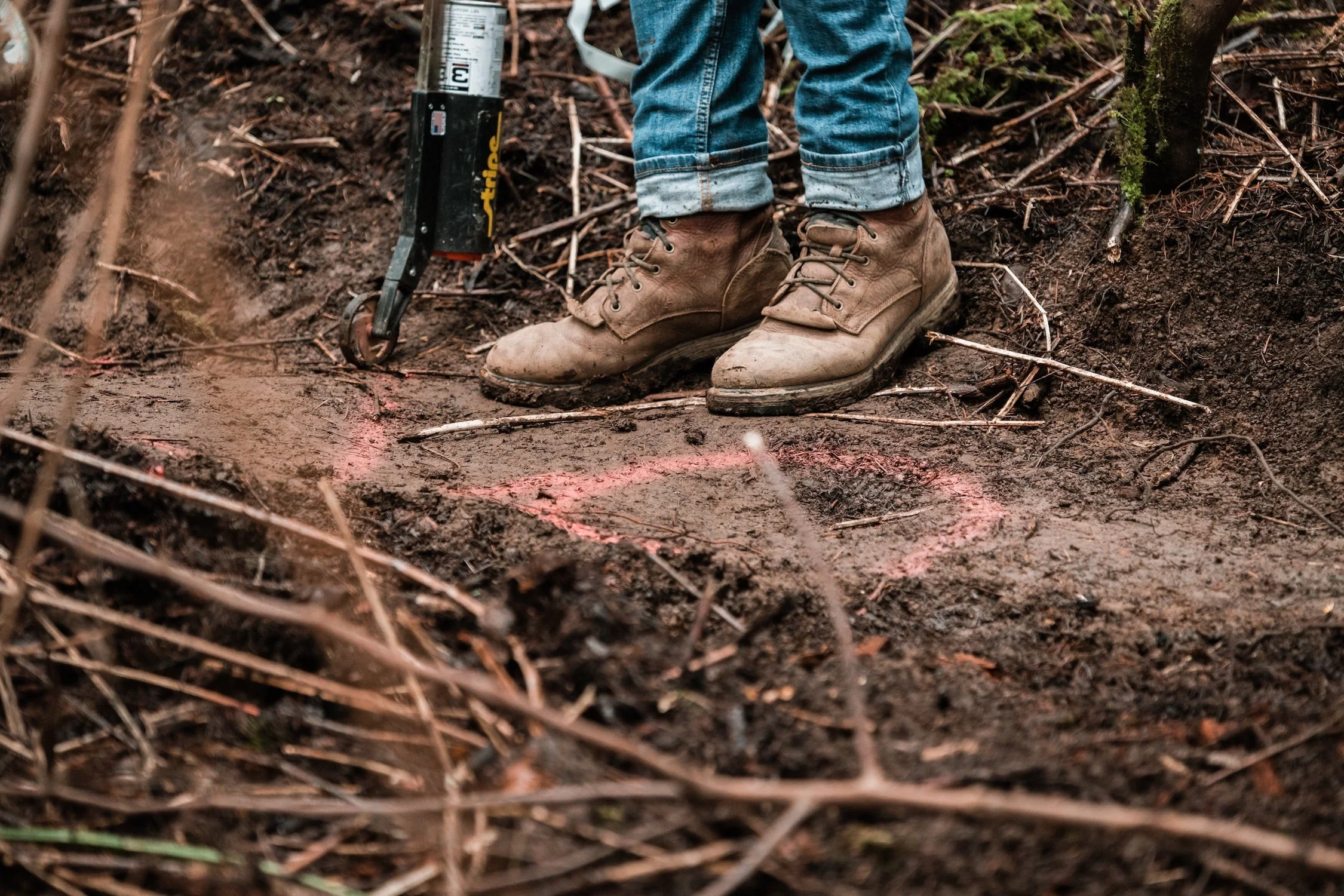
Professionalisation does not diminish the role of volunteers. It strengthens it. Volunteers remain the heart of trail culture. They maintain networks, steward landscapes, and help shape a community’s identity. Professional builders often take on the large-scale projects and technical features, while volunteers handle ongoing maintenance and smaller builds.
Both sides are necessary. Both contribute to the sport in ways the other cannot. Professionalization should be understood not as a replacement for volunteer work, but as an expansion of what is possible when both groups operate with clarity, support, and shared purpose.
What Professionalisation Means for the Future of Trail Building
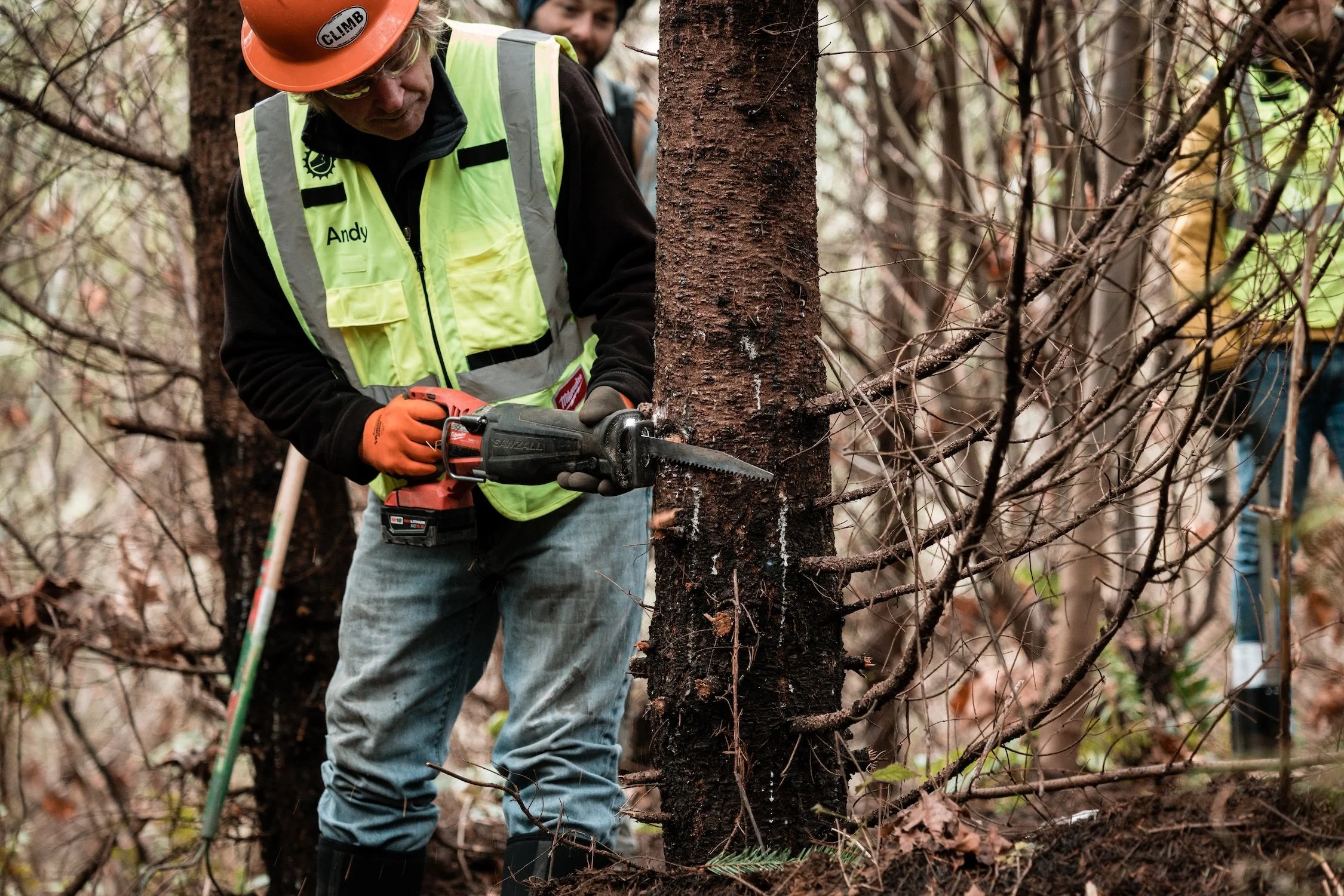
The rise of professional trail building marks a pivotal moment in mountain biking. It indicates that the sport has matured. Communities recognize the economic value of trails. Riders expect quality and sustainability. Agencies require technical precision and long-term planning. All of this creates an opportunity for a workforce that is ready to meet those expectations.
Career Growth, Higher Standards, and Long-Term Opportunities
For the next generation, trail building is becoming a viable career with defined pathways, training, mentorship, and advancement. As more programs emerge, the workforce will expand and diversify. As more communities invest in trails, demand for skilled builders will rise. This creates stability not only for builders but for the broader outdoor recreation economy.
Why the Trail Building Industry Is Entering a New Era
Trail building has traveled a long path from the days of rogue builders carving lines in secret. What began as a rebellion grew into volunteerism. What grew through volunteerism is now becoming a profession.
The future of trail building will be defined by education, training, certification, and the growing recognition that trail systems are essential infrastructure for recreation, tourism, and community development. The industry is entering a new era. More organized. More skilled. More visible.
Trail Builder Magazine will continue to follow this trend and help shape the conversation as the trail building workforce steps into its next chapter.

Sean Benesh
Sean is the Founder and Editor-in-Chief of Trail Builder Mag, a digital media instructor, and the Communications Director for the Northwest Trail Alliance in Portland, Oregon.