
The Rake by Camelot Tools Review: A Purpose-Built Trail Building Tool
There are trail tools that look good in a catalog, and then there are trail tools that earn a permanent spot in the trailer because they solve real problems in the field. The Rake by Camelot Tools falls firmly into the second category.
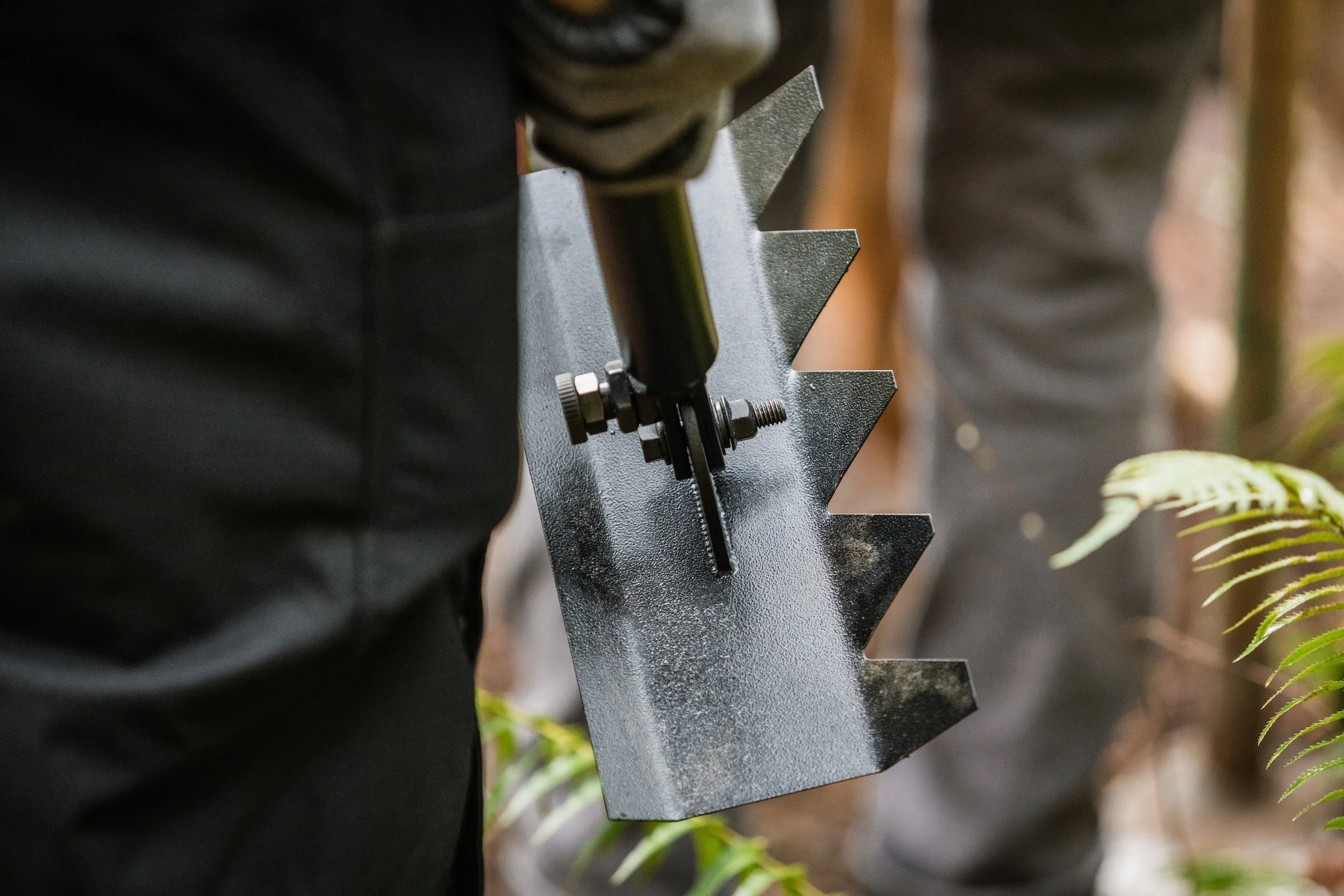
At first glance, it almost feels oversized compared to a standard landscaping rake. It's BEEFY. The head is aggressive. The teeth are widely spaced and stout.
The adjustable pivoting head immediately stands out. But after spending time around trail builders and hearing repeated feedback from those using it in the field, it becomes clear this tool was designedaround actual trail work, not yard work pretending to be trail work.
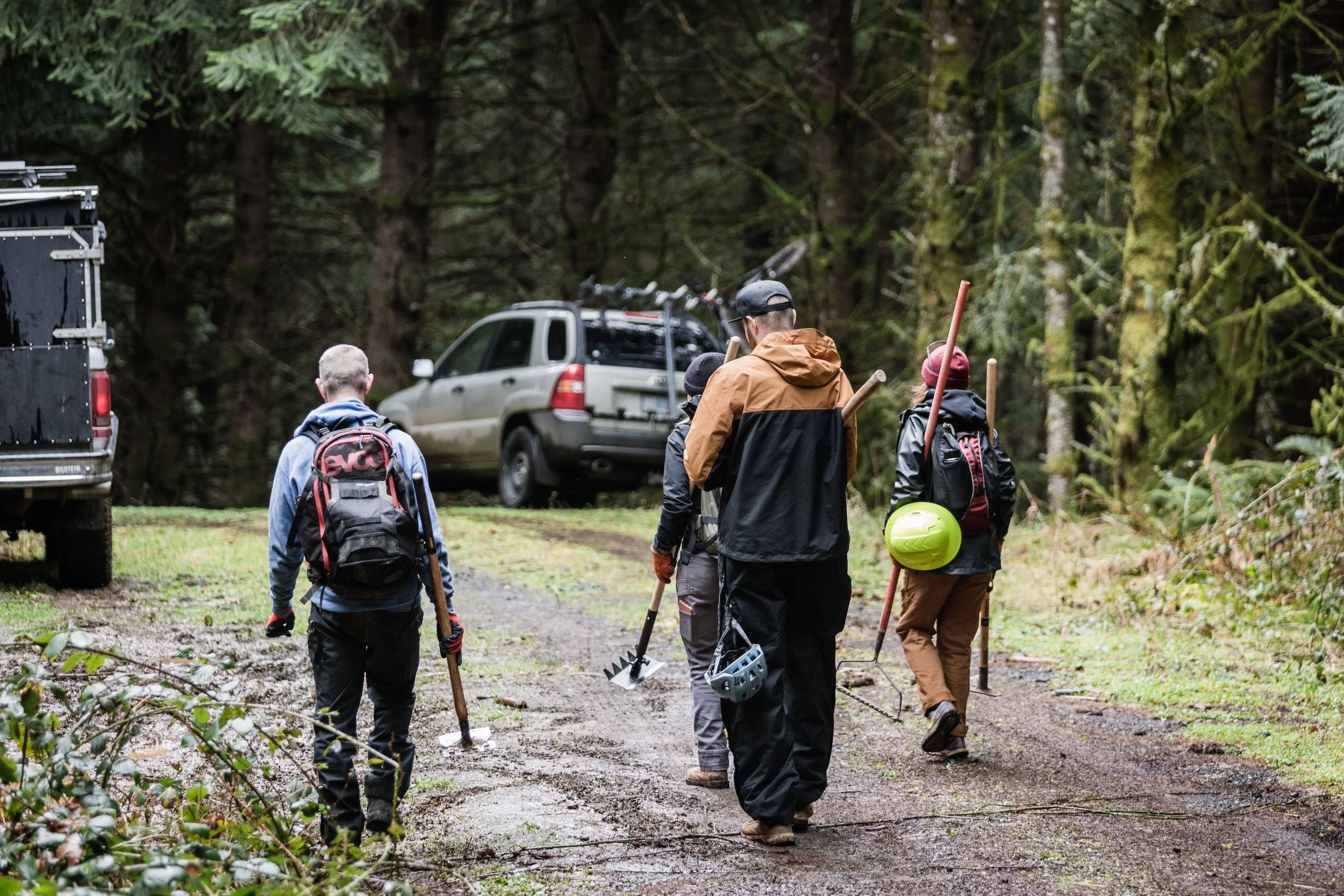
We know that trail building rarely happens on flat ground with clean material. More often, you’re dragging wet slash off a corridor, pulling loose debris off a sidehill, clearing deadfall remnants from a fresh flag line, or trying to move awkward piles of mixed organic material that traditional rakes struggle with.
That’s where The Rake shines.
How The Rake Performs Out on the Trail
One of the most noticeable differences between The Rake and a standard metal landscaping rake is how well it handles heavier material. Leaves, sticks, rocks, loose dirt, roots, pine needles, and branches can all be moved without the tool constantly clogging up.
That was one of the biggest takeaways from Carrie Johnston’s original review in Volume 2, Issue 1 of Trail Builder Mag:
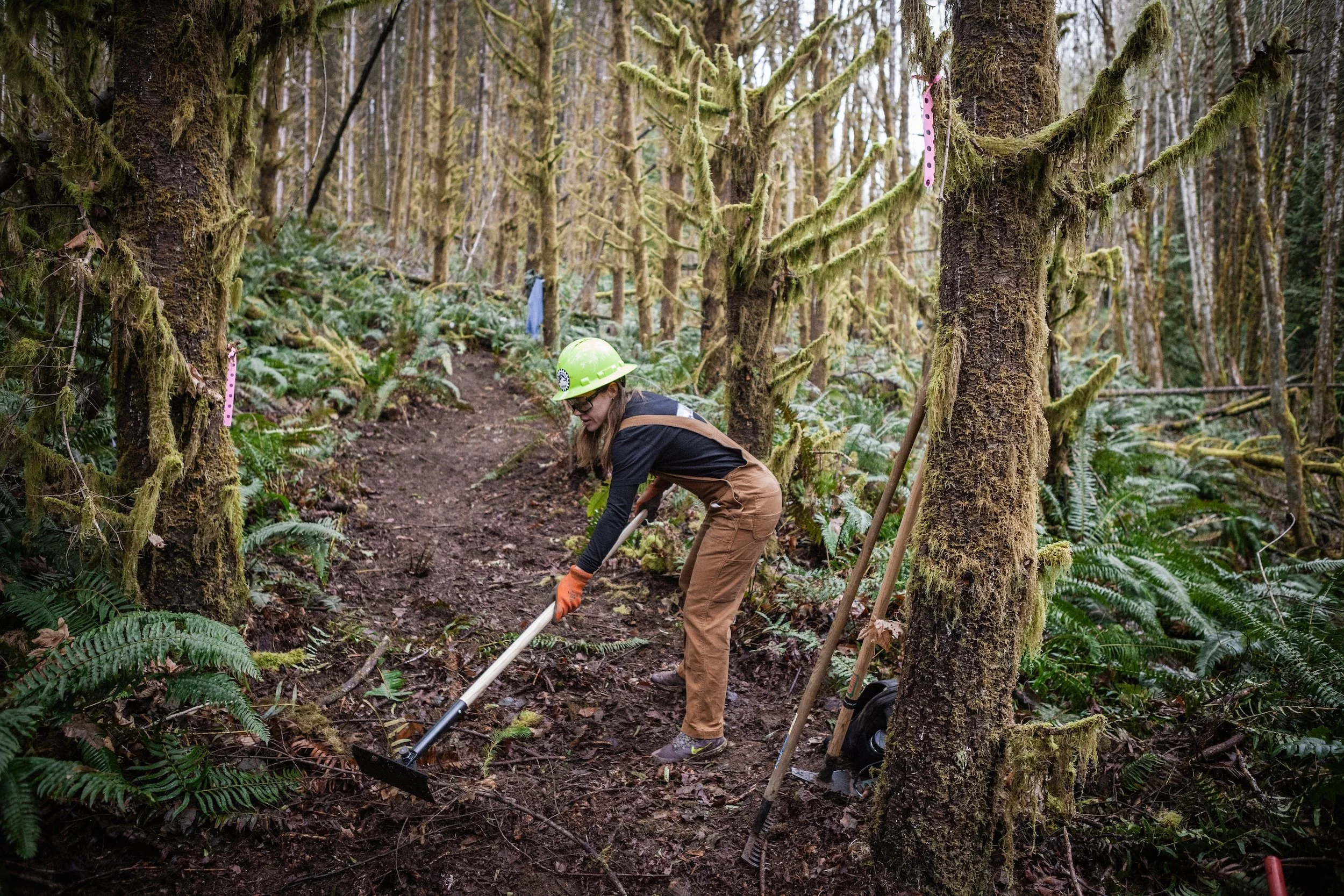
“For mountain bike trail building, the Camelot Rake works well for clearing flag lines in dense forest floors and clearcutareas. It’s particularly useful for moving heavier piles of mixed debris like leaves, large limbs, rocks, and dirt.
Compared to a standard metal landscaping rake, the wide, sturdy teeth eliminated the need to remove debris from the tines by hand, which was the most notable benefit. It was also reassuring to use a rake with teeth that aren’t easily damaged or bent. Though we didn’t use it for this, we noticed how the pivoting head would allow easier raking of sidehills.
Overall, the Camelot Rake is a good tool to have on hand for raking heavier debris.”
That feedback lines up closely with what many trail builders appreciate about the tool.
Why the Wide-Tooth Design Works Better Than Standard Landscaping Rakes
The wide spacing between the teeth is deceptively important. Anyone who has spent a long dig day stopping every thirty seconds to unclog a rake knows how much energy and rhythm gets lost in the process. The Rake moves material more efficiently because debris releases naturally instead of compacting into the head.
That may sound like a small detail, but in practice, it adds up over hours of trail work.
The Benefits of the Adjustable Pivoting Head on Sidehills and Berms
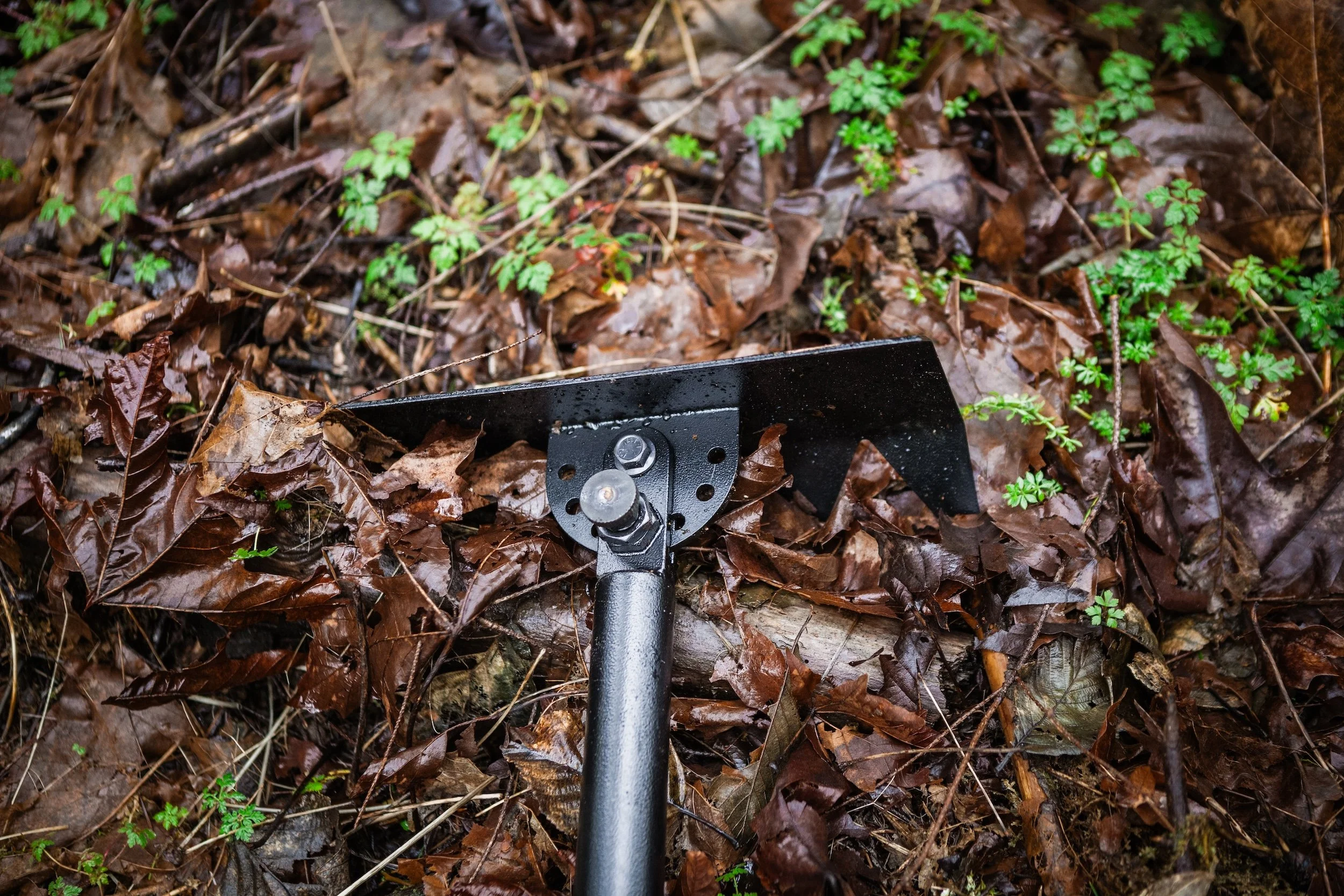
One of the more unique features of The Rake is its pivoting head.
Initially, it can seem gimmicky if you’ve only used fixed-head rakes. But once you start working across uneven terrain, the design begins to make sense.
Sidehills are where this becomes especially useful. Instead of awkwardly twisting your wrists or fighting the angle of the terrain, the rake can be adjusted to better match the slope you’re working on. That translates into cleaner pulls, less wasted effort, and better ergonomics over the course of a long day.
A brief field review on YouTube echoed a similar experience:
“I’m a really big fan of the steep angles here. Really good for moving a lot of material. I love that you can change the angle depending on where you’re working, whether it be on berms or side hills, side slopes, things like that. It’s a real sturdy and very comfortable lightweight design.”
That versatility gives the tool a broader range than many traditional trail rakes. It feels less like a one-dimensional cleanup tool and more like a dedicated trail corridor and finish-work tool.
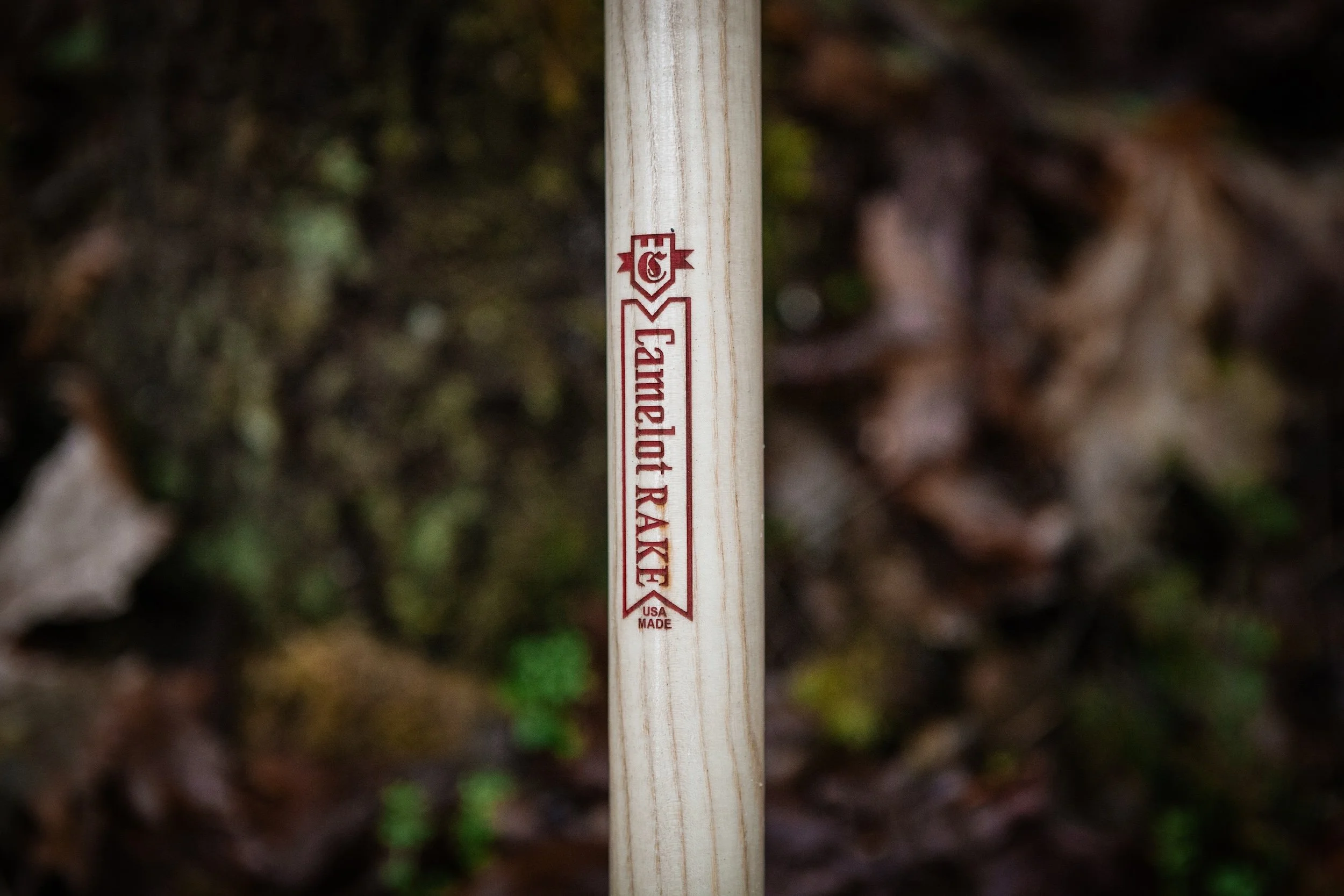
Durability and Comfort for Professional and Volunteer Trail Builders
Trail tools live hard lives.
They get thrown into trucks. Left in the rain. Stepped on. Wedged under logs. Loaned to volunteers who may or may not treat tools gently.
Because of that, durability matters just as much as performance.
As I mentioned before ... it is beefy. A hefty rake.
The heavy-duty teeth on The Rake inspire confidence immediately. Unlike thinner landscaping rakes that bend after a few aggressive pulls through rocky terrain, this tool feels purpose-built for rough environments. That sturdiness is important for professional crews, but honestly, it may matter even more for volunteer trail organizations trying to stretch equipment budgets over multiple seasons.
A broken tool halfway through a work party slows everything down.
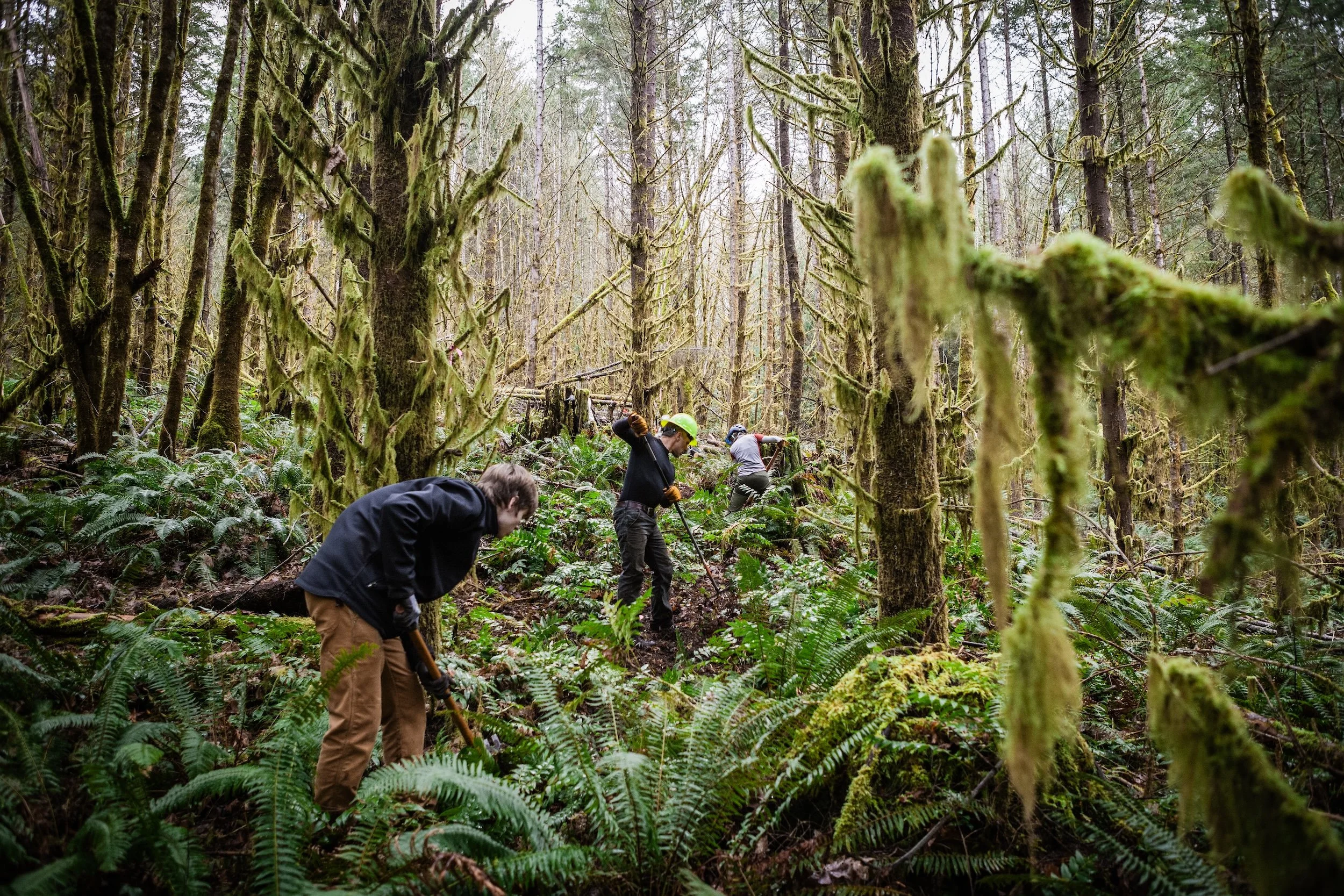
Where The Rake Fits Best in Trail Maintenance and Trail Construction
This is not necessarily the rake you grab for ultra-fine finish work on a machine-built flow trail. There are lighter tools better suited for precision grooming and feathering loose soil.
But for:
corridor clearing
rough tread cleanup
sidehill debris removal
post-brush-cut cleanup
heavier organic material
clearcut environments
volunteer dig days
general-purpose trail maintenance
... it kicks butt.
In many ways, The Rake fills the gap between a lightweight landscaping rake and heavier hand tools like rogue hoes or McLeods. It handles substantial material while still remaining comfortable enough to use over extended periods.
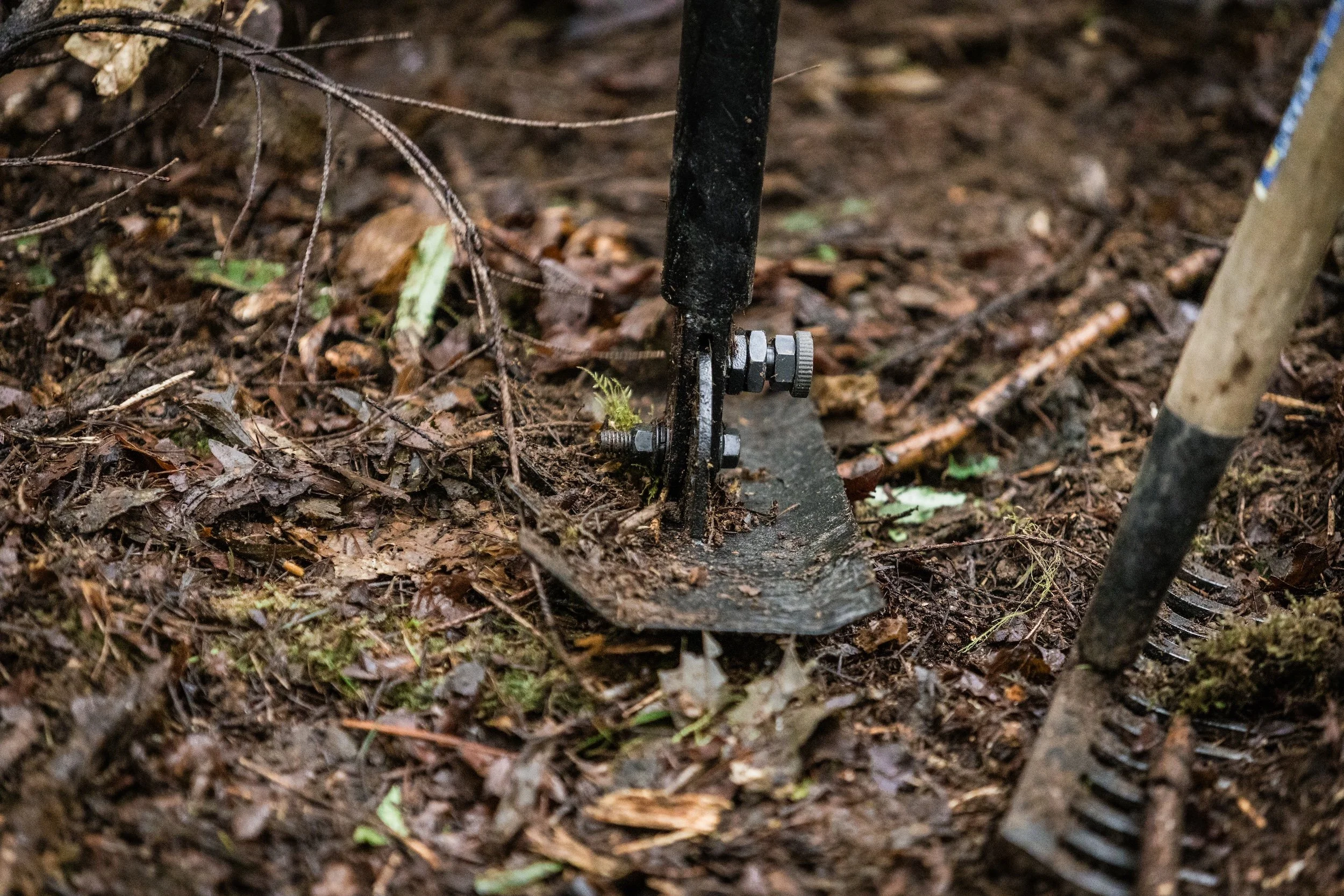
Final Thoughts on The Rake by Camelot Tools
The best trail tools usually share one thing in common: they solve frustrations trail builders have unwittingly accepted for years.
The Rake makes several common tasks noticeably more efficient and less annoying. Less clogging. Better angles. More durability. Better movement of messy material.
The Rake by Camelot Tools feels like a tool designed by people who understand what actual trail work looks like. And in a world full of generic landscaping tools repurposed for trails, that alone says a lot.

Sean is the Founder and Editor-in-Chief of Trail Builder Mag, a digital media instructor, and the Communications Director for the Northwest Trail Alliance in Portland, Oregon. Email: sean@trailbuildermag.com