There are Dinosaurs on the North Shore
The Dinosaurs of North Shore Freeride
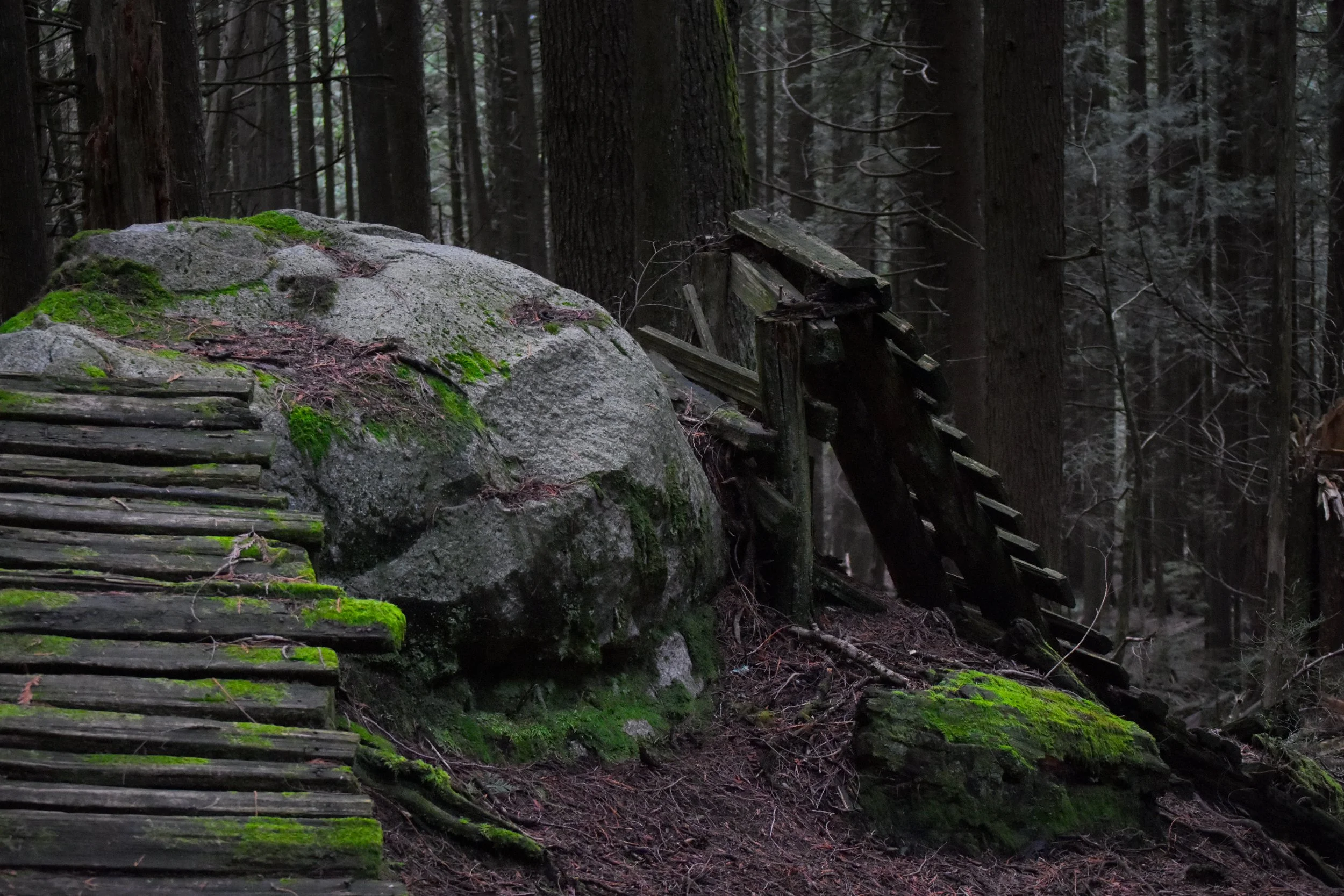
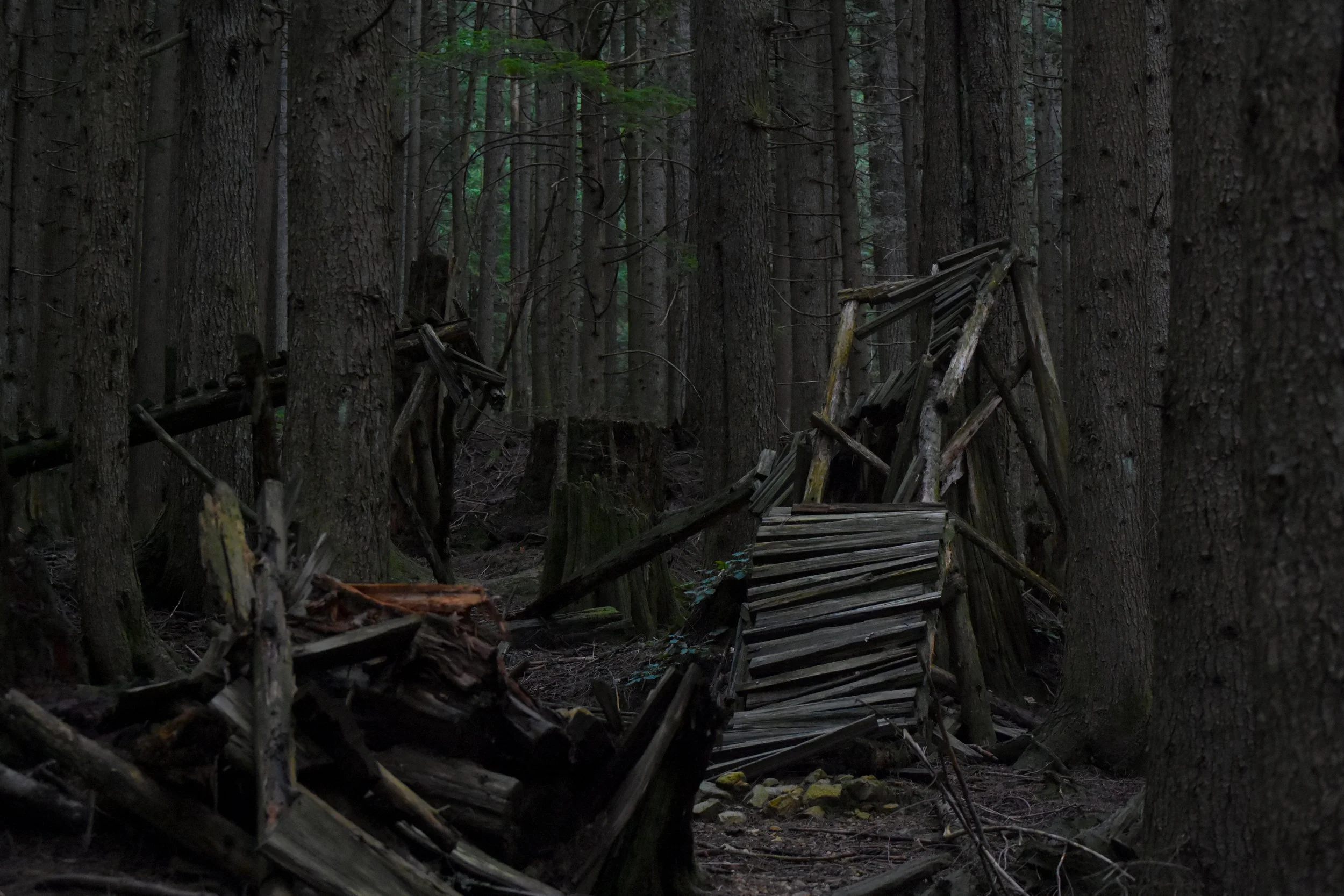
Dinosaurs lurk in the forests of Vancouver’s North Shore. Decades old, these relics of a different time are a poignant reminder of how time waits for no one. Seemingly forgotten and rarely given a second thought by most who might find them, the ladder bridges and skinnies that once were at the forefront of the freeride movement are an important part of mountain biking history, returning to the earth.
The Origins of North Shore Mountain Biking
On the North Shore, the only constant is change. Little more than a century ago, the slopes of North Vancouver were covered in towering stands of old-growth cedar and fir, hundreds of feet tall. Swiftly logged and leaving little remaining, the second-growth trees rose once more as the Shore found its feet as a residential neighborhood, the new forests providing the perfect playground for those first mountain bike pioneers, using fallen trees and elevated structures, taking street trials skills to the woods in an early experiment of freeride mountain biking.
A few early pioneers, including Todd ‘Digger’ Fiander and ‘Dangerous’ Dan Cowan, built the first ladder bridges, and “from there it spawned an evolution that went through the stratosphere! It gave people ideas, and it was an expression of a riding style. And the terrain lends itself to this style of building…wood absolutely everywhere,” says local legend and ex-pro rider, Elladee Brown.
Dangerous Dan, builder of legendary trail, Flying Circus, says, “Obviously, for me, and most adrenaline-seeking people, the higher and the skinnier the better. There was also the aspect of guys like Hans Rey riding skinny rails and such in Trials demos. I think a lot of the inspiration came from Trials.” This much is evident in Digger’s early North Shore Extreme videos, where many of the riders exhibit trials-style moves.
How Freeride Mountain Biking Changed the Sport
Early North Shore rider Lee Lau reminisces, “At that time, mountain biking across Canada was very much cross country; there was no real concept of stunts. We were just a bunch of people riding around and pushing ourselves on stunts; it was just something fun for us to do. We had no idea what we were doing or that it was going to become famous.”
Those were the glory days, when North Shore Extreme and the Kranked series played out BC’s most talented riders on VHS players around the world, viewers marveling at the skill of both the athletes and the builders in a circus-like display of mountain bike prowess. For a moment, this was the forefront of mountain biking, the words ‘North Shore’ transcending the location and becoming a globally recognised type of riding, replicated around the world in trail systems near and far.
Funnily enough, though, Dan tells me that the very thing the North Shore was famous for didn’t make up as much of the riding as you might think. “In the years I rode a lot on the North Shore through the 90s and in the early 2000s, most of what I rode was just steep and deep rooty North Shore gnar. Trails like the Circus and Reaper with the features were what mainly got "featured" in the movies - they stood out from the rest of the terrain, and it's always hard to make steep and deep look scary.”
The Evolution of North Shore Trail Building
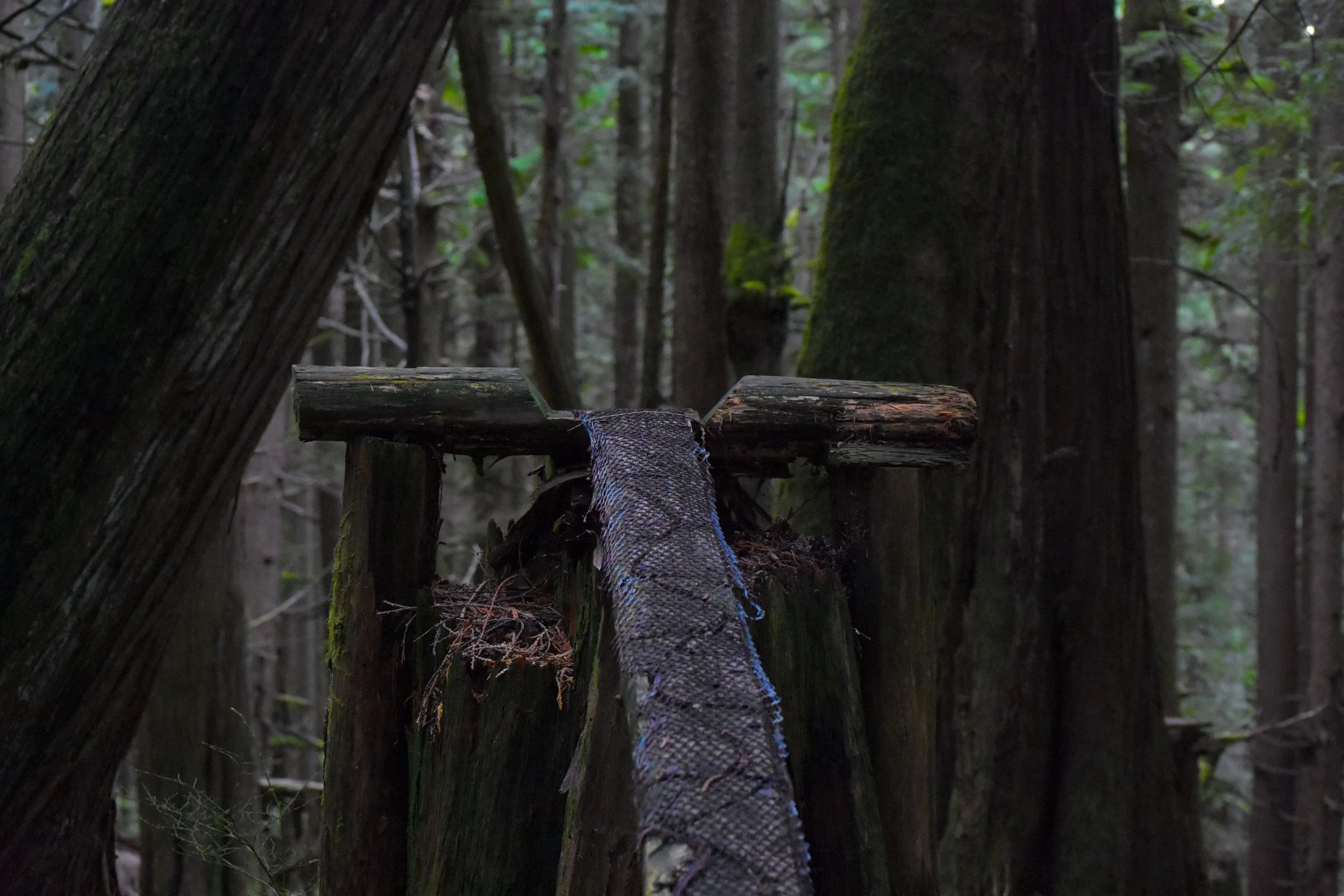
What felt like a brief obsession with slow speed skinnies and boardwalk eventually turned into wider, faster wooden features. As bikes changed from awkward, short, and steep into the slack and burly machines we know today, the trails changed with them. While the trails progressed and mutated into bigger, faster stunts, they owe a part of their roots to those humble beginnings; the early freeride pioneers balancing on planks mere inches wide, meters from the forest floor.
The world changes - trails come and go, the North Shore becomes busier, more affluent, and with it the need for sanctioned trails, or risk them all being torn down. Many of the gnarliest features of the time became abandoned, unsanctioned, and laid to rest. While trails became faster, more flowy, and sanitized, some of the original features still live on, North Shore trail builders doing their best to keep the original character of the trails - the North Shore we all knew and loved still exists, but bigger and better.
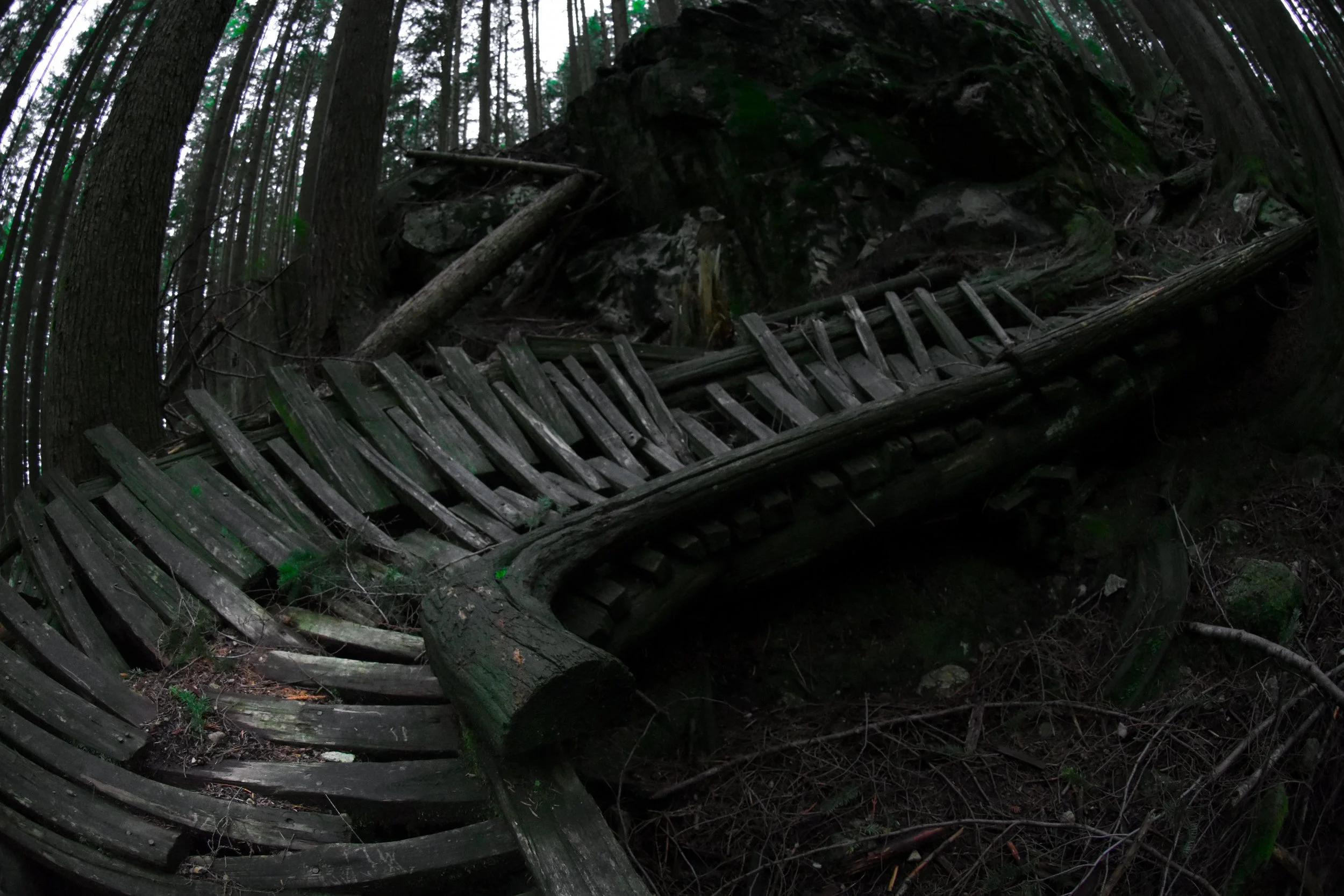
Trail builder Jerry Willows tells me that “Jerry-Rig was never closed but just rotted away... it just grew out of favor with the new and old school crowd including myself. I avoid skinnies and woodwork as much as I can. I love dirt.”
Lee agreed, saying “NSMBA has gone towards green/blue flow trails. It was recognized by most as necessary because that’s what people want, a lot of people just started biking here and want safe trails and a comfortable level of trail to ride.” adding “This is not an indictment, it’s just reality. The trail organization builds what people want. Independent builders build what they want. Builders now are using more natural features, building more natural rock bridges into things rather than ladder bridges. It’s just less work to build and maintain”.
Elladee agrees, “everything flows better for sure. Almost every time I ride the shore now I cross a part of the trail that’s had work done…or a tree cleared or a gold patch over mud. There’s actual standards, which is awesome. And there’s a broad swathe of heights, width and slopes - such a better layout for progression than 20 yrs ago - but you gotta start somewhere! And it’s usually the passionate pioneers that build a movement unknowingly.”
The Modern Revival of North Shore Woodwork
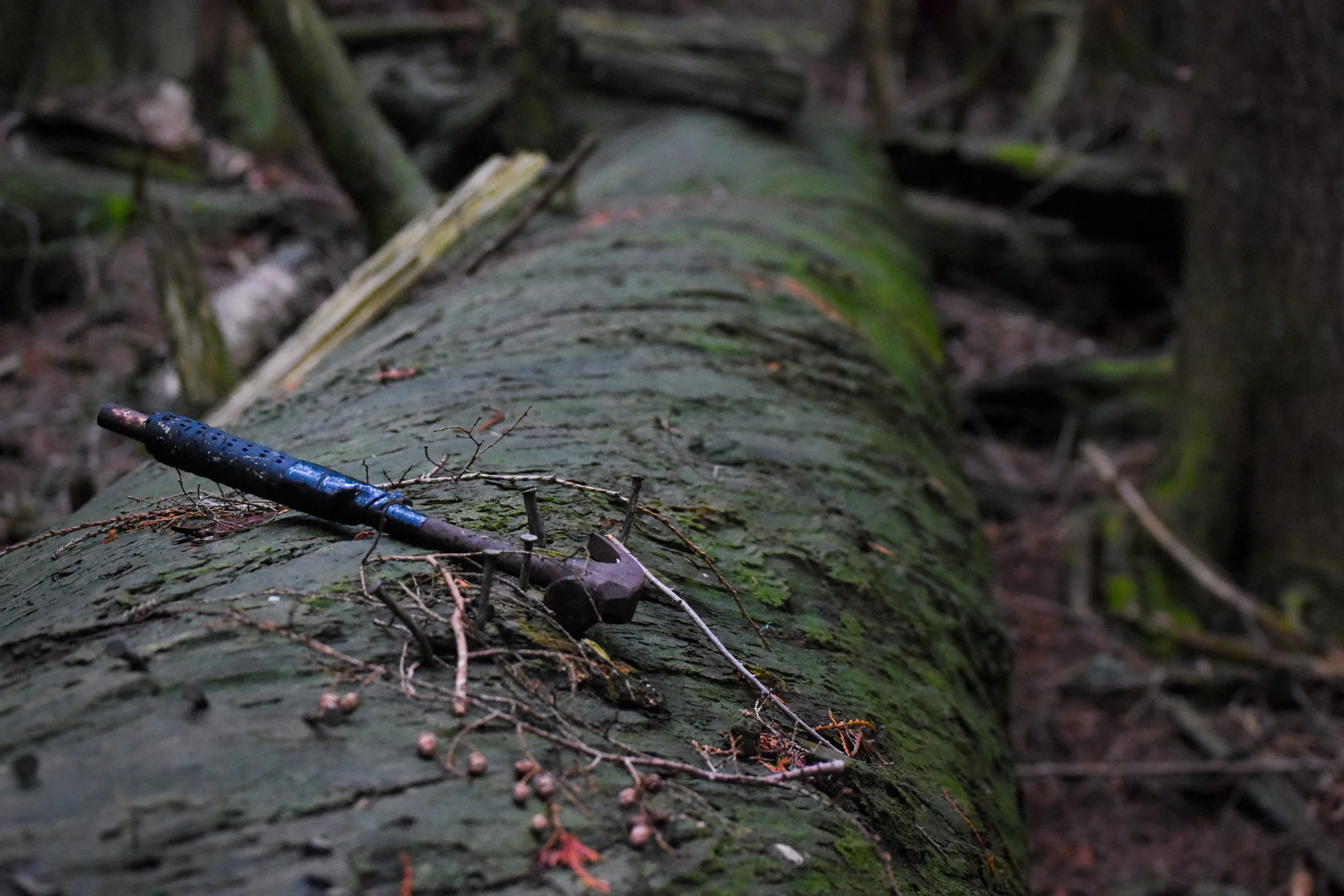
The North Shore is currently undergoing something of a revival; however, while many trails are receiving the modern flow-trail treatment, many others are seeing fresh woodwork. Highly sculpted features, built with a craft and a reverence for the area better expressed with a chainsaw than with words. Classic trails like Ladies Only endure on, cared for by the same loving hands that built it, and newer trails are built with wooden features that echo back to those early days, with a modern twist.
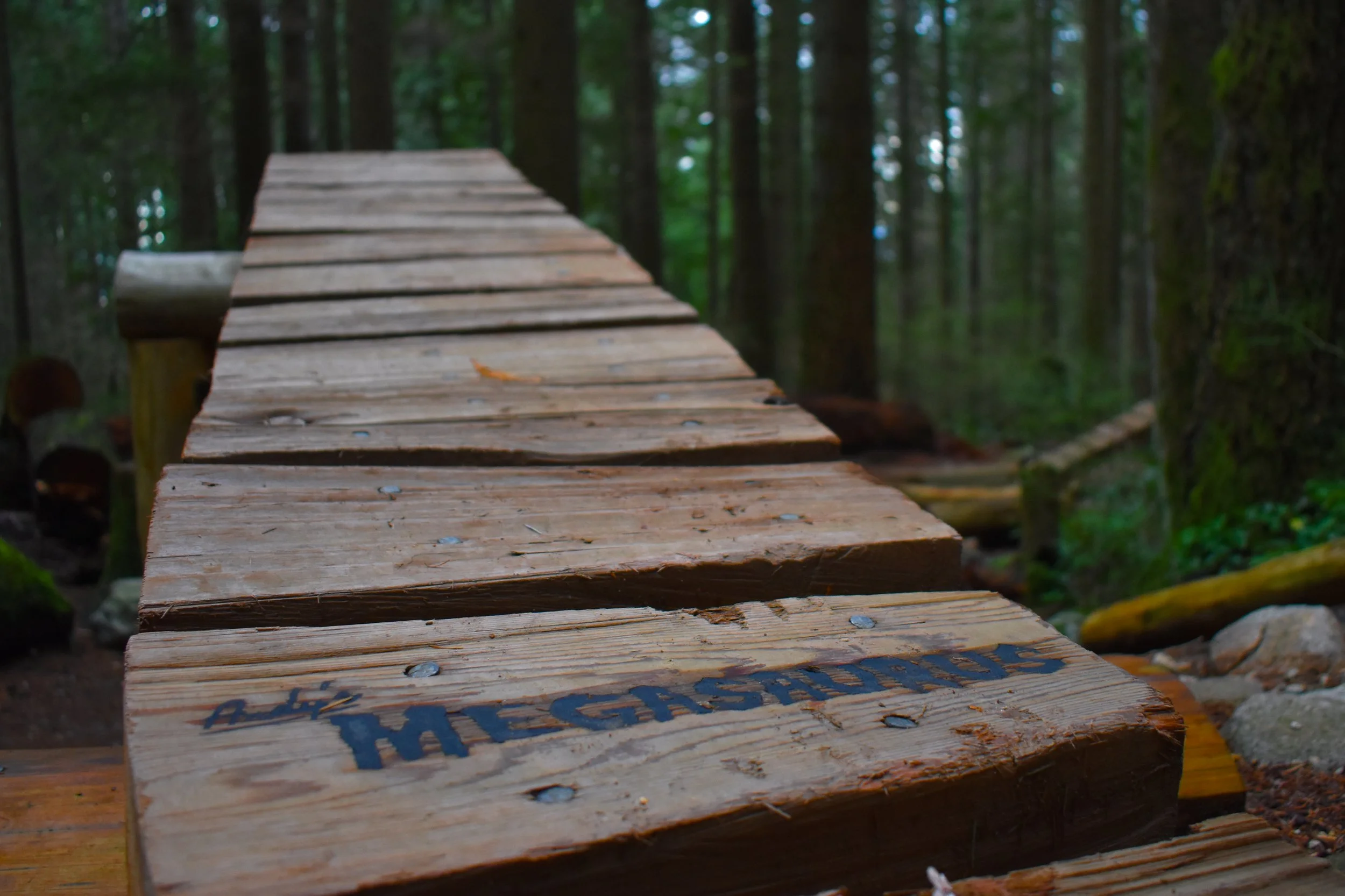
Trails like Lower Crippler and Pipeline carry forth the legacy of the North Shore, with huge, elevated wooden monsters, snaking through the forest, crafted by a small army of dedicated builders, built stronger and safer than before. Andy Fisher leaves his mark on the Shore with wide, sweeping works of art like the Scolio Coaster and the Megasaurus. Skinnies had their time in the sun, the balancing act had its day; the new generation of builders incorporates more flow into their wooden features these days, though that’s not to say they’re not a challenge. A new generation of trail for a new generation of riders.
Why the Legacy of the North Shore Still Matters
Meanwhile, the steeper, technical, natural feeling trails are what many advanced riders gravitate toward these days. Dan tells me, “I think the legacy of the North Shore is still there. I mean, there are still a ton of trails where you can ride old-school gnar as I did on my only couple of rides this year - no wooden structures, just good old North Shore gnar. That's what the North Shore is about.”
He finishes up to say, “I just find it humorous when people associate some of the super-groomed trails with North Shore. But I guess the North Shore has evolved, and these kinds of trails are part of it now. The North Shore truly has mountain biking for everyone now. “
Just like the logging cabins of the early 1900s, though, the hulking remains of those first wooden mountain bike stunts lurk in the woods, unseen by most, slowly being consumed by the earth, alongside massive stumps of the giant old-growth trees that preceded them. Relics of another time, the forest consumes all that we leave behind, leaving little to no trace. Eventually, nothing will remain of those early days except memories and grainy videotapes, and that’s okay, because the legends will live on, captured in our words and photos, the legacy surviving in the craft of trail builders present and future.
————————————
This article originally appeared in Volume 2, Issue 1 of Trail Builder Magazine.