
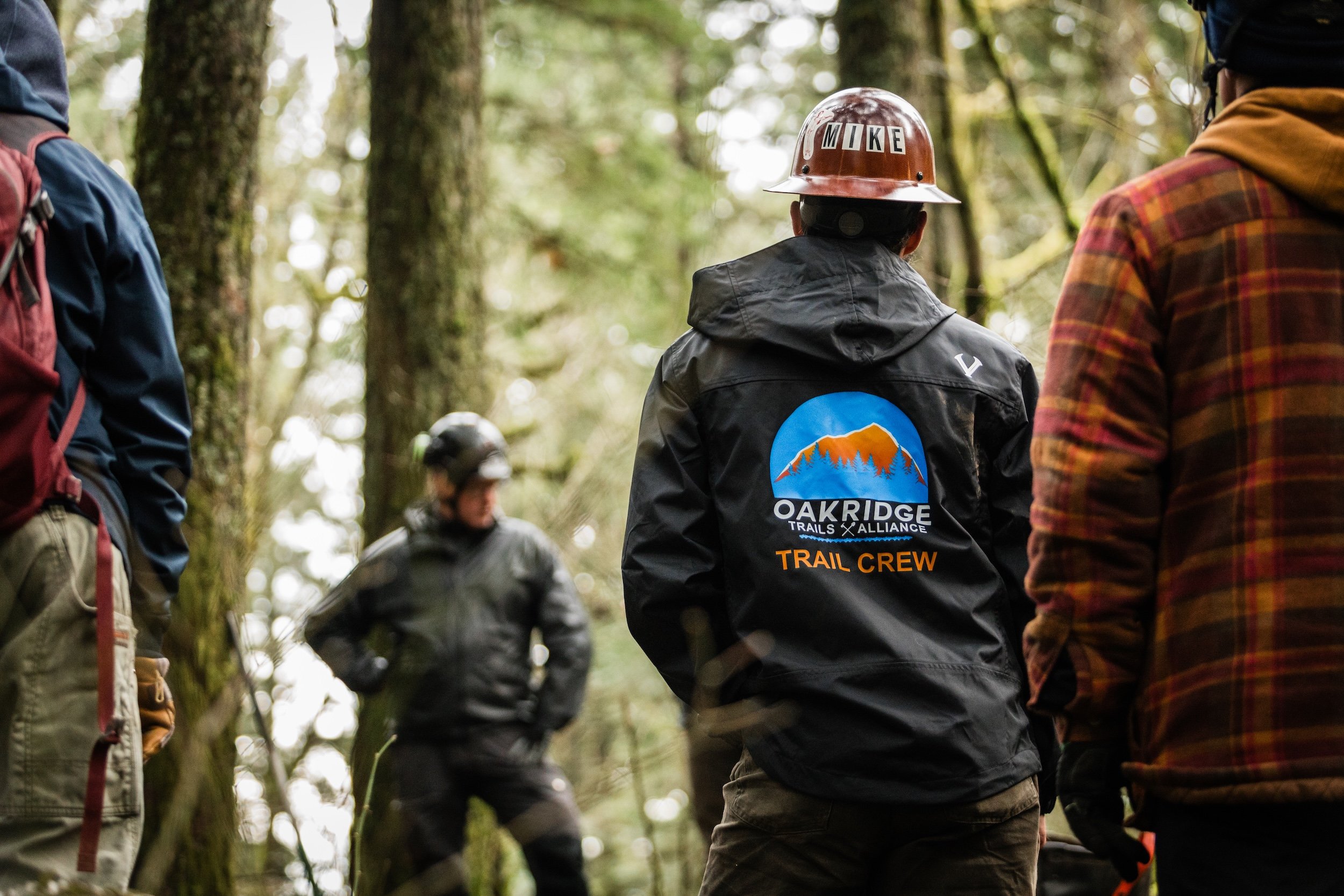

Sweet Protection Arbitrator MIPS Review: Full Face Confidence, Half Shell Flexibility
The Sweet Protection Arbitrator MIPS is a true two-in-one helmet, giving riders full-face confidence and half shell versatility. Trail Builder Magazine tested it at Timberline Bike Park and local Portland trails, finding it durable, lightweight, and comfortable for long days. Perfect for trail builders who ride after a dig day.

Do You Think Trails Benefit Your Town’s Economy?
A decade ago, Gallup, New Mexico wasn’t exactly known as a trail town. It was a rural hub on the edge of the Navajo Nation, surrounded by wide desert, mesas, and sandstone formations, but not much in the way of tourism buzz.
Then came the High Desert Trail System, a volunteer-built network of singletrack that began attracting riders from across the region.

The Politics of Dirt: How to Navigate Trail Building on Public Land
You show up early with coffee and donuts. The crew is ready, shovels in hand, eyes on the ribbon of flagged trail that’s been months in the making. But just before tools hit the ground, a ranger rolls up with a clipboard and an apologetic shrug. “Sorry ... still waiting on clearance from the district supervisor.” You sigh, again.
This is the part of trail building that rarely makes the highlight reel. The part where advocacy, politics, and patience collide.

Designing for All Riders: How to Build Trails That Welcome Adaptive Riders
The first time I saw an adaptive mountain bike on a trail, it was humbling. Not because the rider was struggling, far from it, but because I realized just how much I take for granted: the trail width, the turning radius, and even access to the trailhead itself. What I saw that day was joy. Pure trail joy.
But I also saw limits. The trail narrowed, and just like that, the ride was over. Not because the rider wasn’t capable, but because the trail wasn’t.
It was a reminder that “everyone’s welcome” only means something if the trail itself is saying the same thing.

From Dig Days to Dollars: How to Evaluate Brand ROI from Trail Building Support
Imagine your brand’s logo on a dig day banner. Shovels hitting dirt, a new trail taking shape, and later that evening, riders are sipping beers at your brewery, still dust-covered and grinning. One of them tags your business in a post that gets reshared across the local MTB scene. Another walks away with a branded pint glass. The next weekend, they bring two friends.
It’s easy to think of trail support as goodwill. But what if it’s more than that?
What if it’s one of the smartest local investments your brand can make?

The Best Belts for Trail Building? We Put Arcade’s Atlas and Hardware to the Test
It’s easy to overlook a belt … until it fails halfway through a trail day. If you’ve ever had to re-tighten an old canvas belt mid-dig while balancing a McLeod on your shoulder, you know what I mean. That’s where Arcade’s belts come in. They’re not trying to be flashy. They’re trying to do their job and disappear into your day. And they do.

How to Measure the Economic and Social Impact of Trail Building
Learn how trail builders and advocacy groups can measure and report the economic and social impact of their trail work. From tracking visitor spending to gathering volunteer data, this article offers practical steps to prove the value of trails to funders, policymakers, and community leaders.

Trail Tested: Why the Avision Guardian Knee Pad Works On and Off the Bike
Some gear fades into the background in the best way possible. You don’t have to think about it, adjust it, or wrestle with it mid-ride or mid-dig. That was my experience with the Guardian knee pads from Avision MTB. They’re the kind of pads you forget you’re wearing until they save your knees or your day.
I’ve worn a lot of knee pads over the years, most built for either hardcore descents or casual trail riding. Some fit like armor. Others feel like a glorified sleeve. The Guardian sits somewhere different: sturdy enough to protect when you need it, but easy and intuitive in a way that just works, especially when you’re bouncing between riding and trail building.

Beyond the Hashtag: How Brands Can Meaningfully Support Trail Builders
Too many brands talk about trails. Fewer show up for the people who build them.
Trail builders don’t need another hashtag. They need partners.
In our latest piece, we explore what real support looks like, from long-term funding to inclusive storytelling, and why performative sponsorship just isn’t enough anymore.
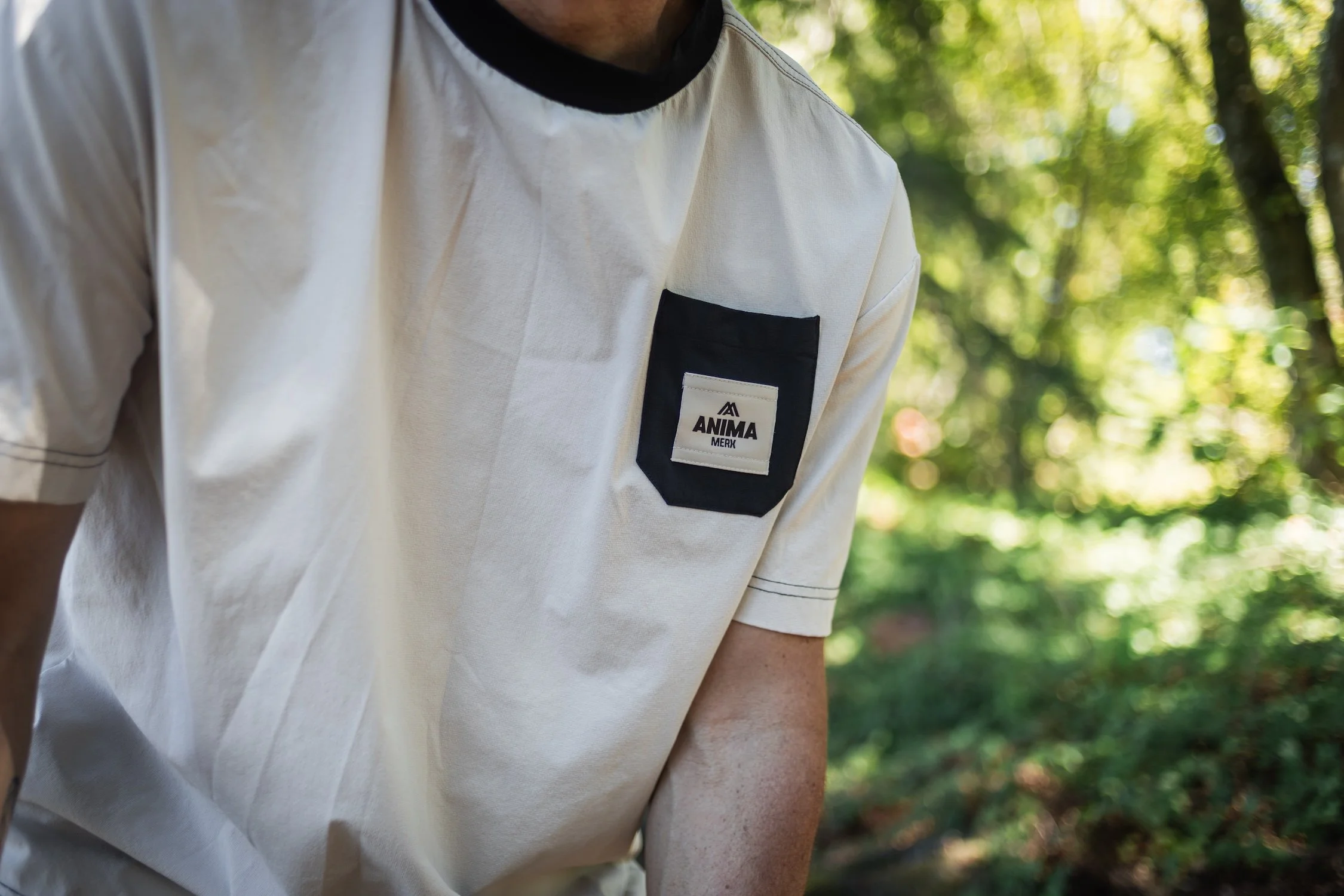
Anti-Tech Tech Tee by ANIMA MERX: Built for Trail Builders, Riders, and Pocket Tee Fans
There’s something about a good pocket tee that just does it for me. Maybe it’s the subtle nod to utility. Maybe it’s the aesthetic. But if you’re anything like me, someone who splits time between photography, bikes, and post-ride burritos, a shirt like the Anti-Tech Tech Tee just works.
