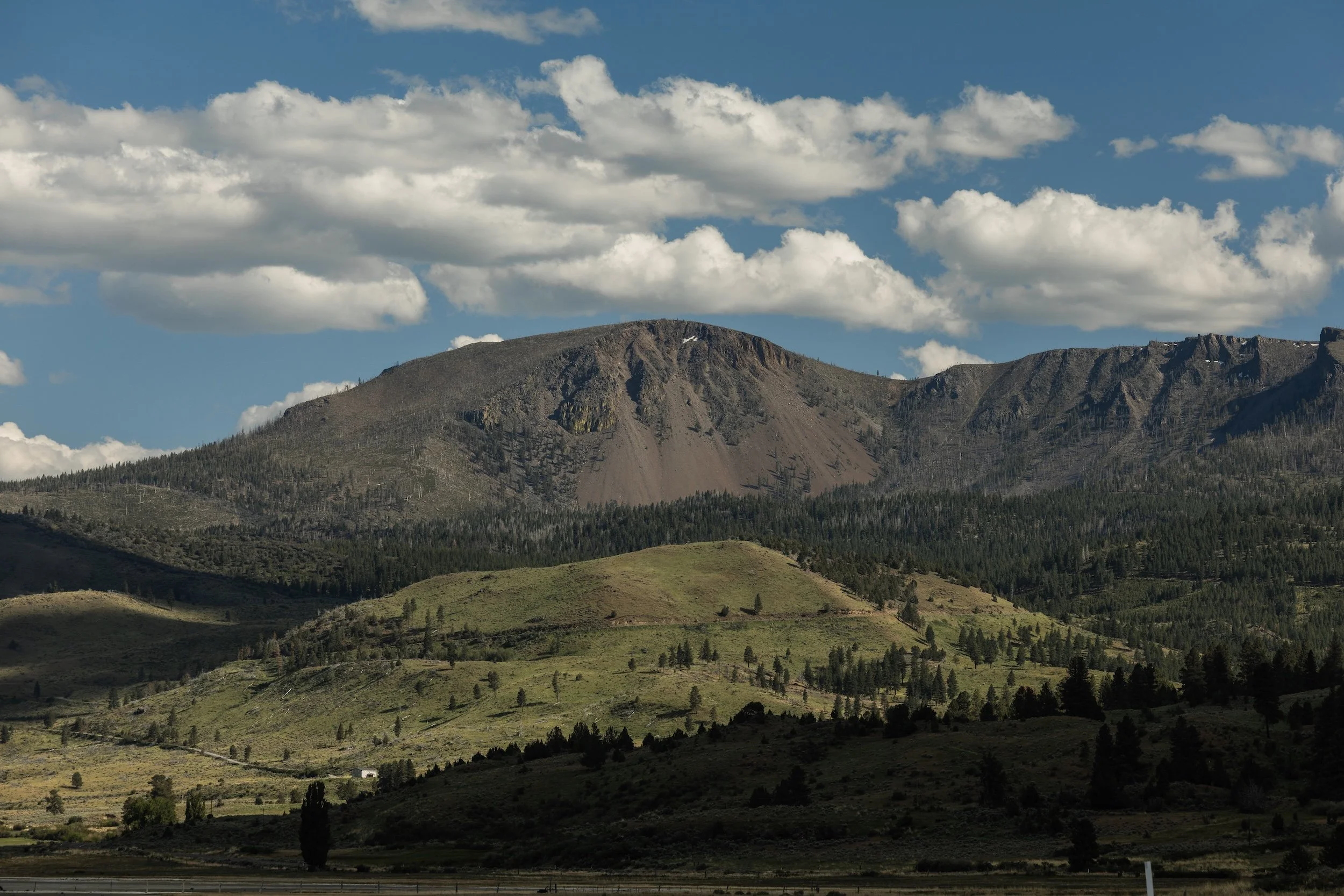
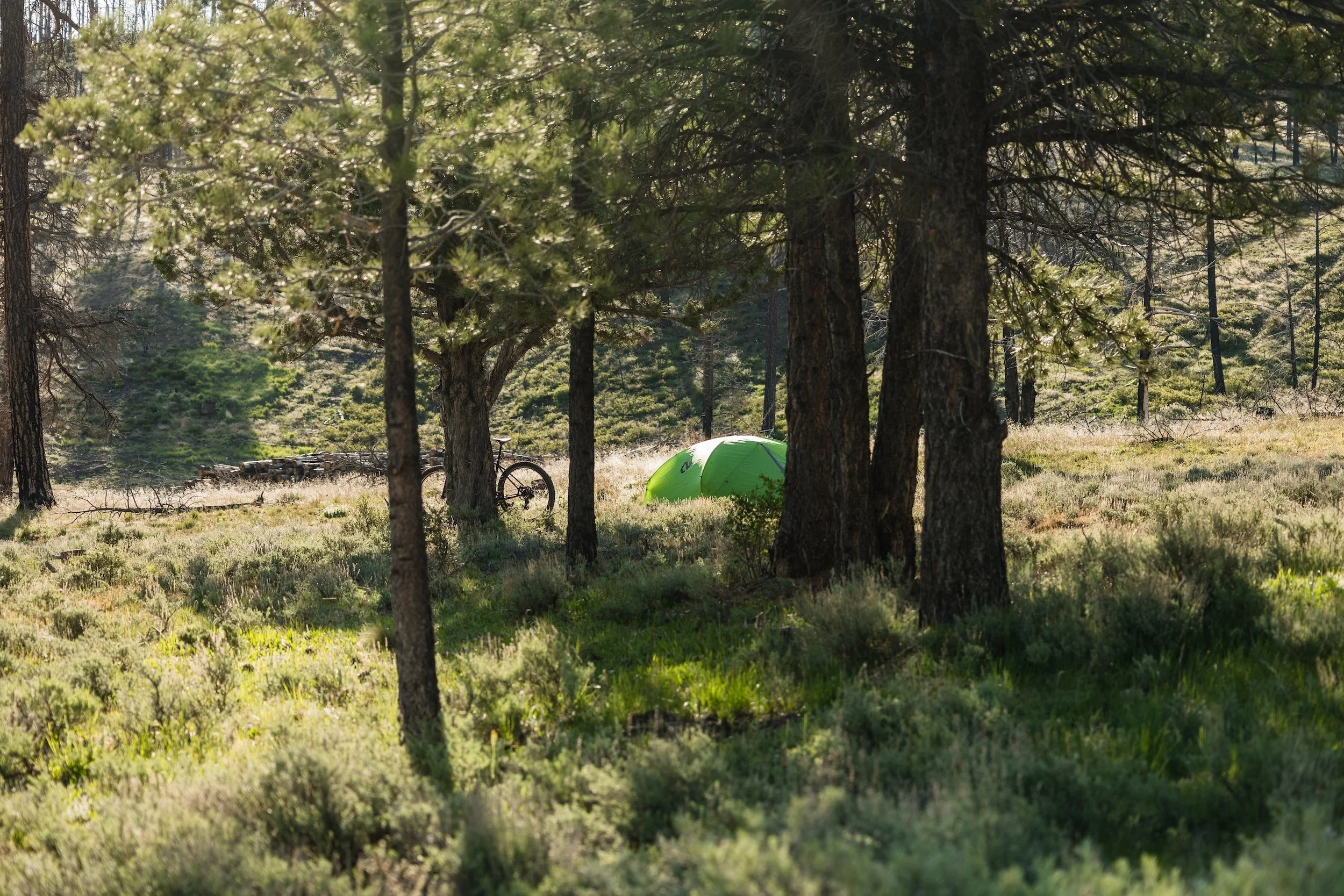
A rider crossing the Oregon Timber Trail’s Fremont Tier may remember the views, the solitude, and the sense of adventure that come from traveling through one of the most remote landscapes in the West.
What they may not think about is the work required to make that journey possible.
Every cleared log, reopened corridor, and connected mile represents countless hours of labor from volunteers, nonprofit organizations, trail crews, and land managers working behind the scenes to keep long-distance trails rideable.
That reality sits at the heart of a new report released by the Biking on Long Distance Trails (BOLT) Coalition. Titled Long Live Long Trails, the report identifies 20 existing and 13 potential long-distance bike trails across the United States that may be eligible for recognition under the BOLT Act.
“Through publishing this report, we are excited to celebrate this diverse catalog of outstanding long-distance trails on federal public lands across the country,” said Bikepacking Roots Executive Director Noelle Battle. “We are also encouraged by the potential for BOLT recognition to support ongoing development of many of the promising trails classified as potential in the report.”
Among the existing trail candidates identified in the report is the Oregon Timber Trail, a nearly 700-mile route stretching from the California border to the Columbia River.
It's easy for me to think about the BOLT Act from this route's perspective since I'm one of the volunteer Board members of the Oregon Timber Trail Alliance (OTTA).
Why Bikepacking Trails Require a Different Approach to Trail Stewardship
For many mountain bikers, trail building often brings to mind sculpted berms, tabletops, technical features, and purpose-built riding experiences.
Long-distance bikepacking routes present a different challenge.
As Trail Builder Magazine previously explored in its coverage of bikepacking trail design in our interview with Gabe Tiller of the Orogenesis Collective, success on a long-distance route is often measured less by trail features and more by connectivity, access, and passability.
The goal is not necessarily to create the most exciting mile of trail. Instead, the goal is to ensure riders can complete more miles of trail without encountering impassable obstacles.
That definitely shifts the conversation.
When I think about the work of the OTTA, we’re not putting in cool features like berms or tabletops. Much of our work is simply focused on making the Oregon Timber Trail rideable. We want people to be able to ride the whole thing without having to scramble over downed trees countless times.
The challenge becomes even greater when trails pass through remote landscapes where maintenance needs can quickly outpace available resources.
The Challenge of Maintaining Long-Distance Trails
The BOLT Coalition report highlights routes that span multiple jurisdictions, land management agencies, communities, and landscapes.
Unlike a local trail system managed by a single organization, long-distance trails often depend on partnerships between federal agencies, nonprofit organizations, volunteer groups, and local communities.
The Oregon Timber Trail offers a clear example. We are a volunteer board overseeing the stewardship of the Oregon Timber Trail. There are sections, especially in the remote Fremont Tier, that need significant work. We are spearheading those efforts.
For riders, a downed tree may represent a brief inconvenience. For trail stewards, hundreds of downed trees across hundreds of miles can become a major operational challenge requiring planning, funding, volunteer recruitment, equipment, and coordination with land managers.
The result is a form of stewardship that often goes unnoticed by the people benefiting from it.
How BOLT Recognition Could Support Trail Stewardship
One important detail of the BOLT Act is that recognition does not create a new federal trail designation. Nor does it automatically bring new funding.
Instead, supporters see recognition as an opportunity to elevate awareness of long-distance trails and the organizations working to sustain them.
The BOLT Coalition notes that recognition can help strengthen relationships between trail stewards and land managers, support trail sustainability, and increase economic opportunities for communities connected by these routes.
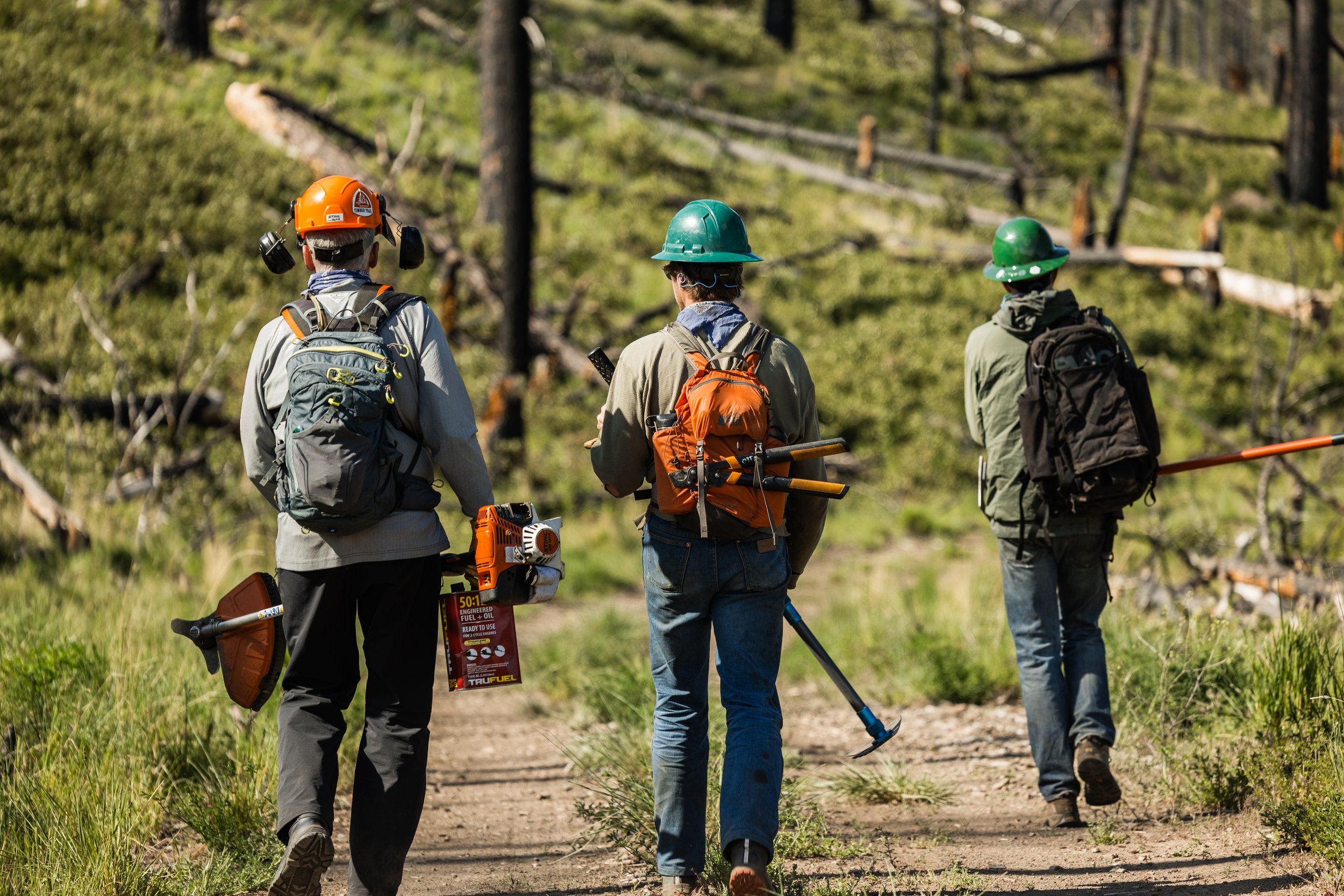
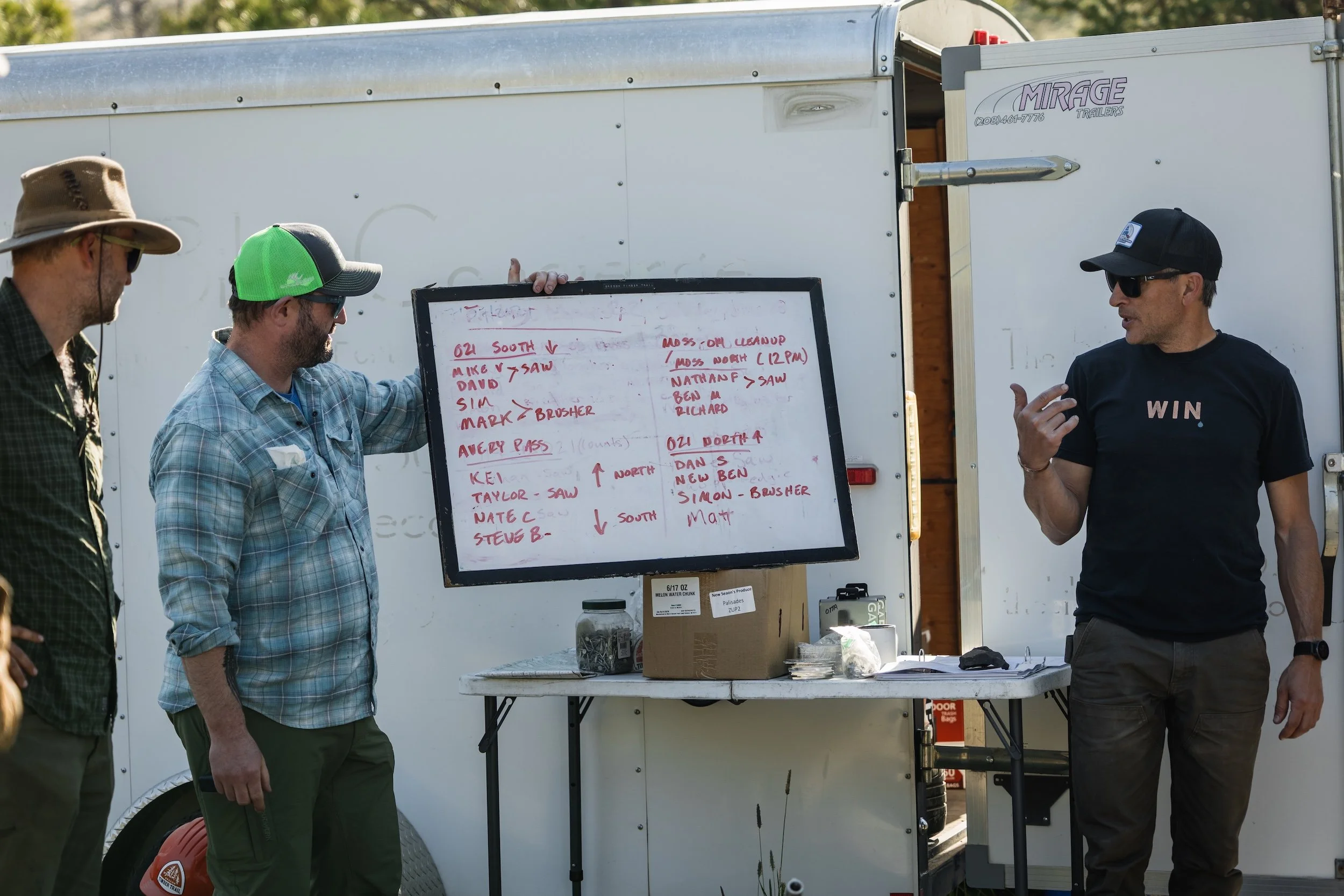
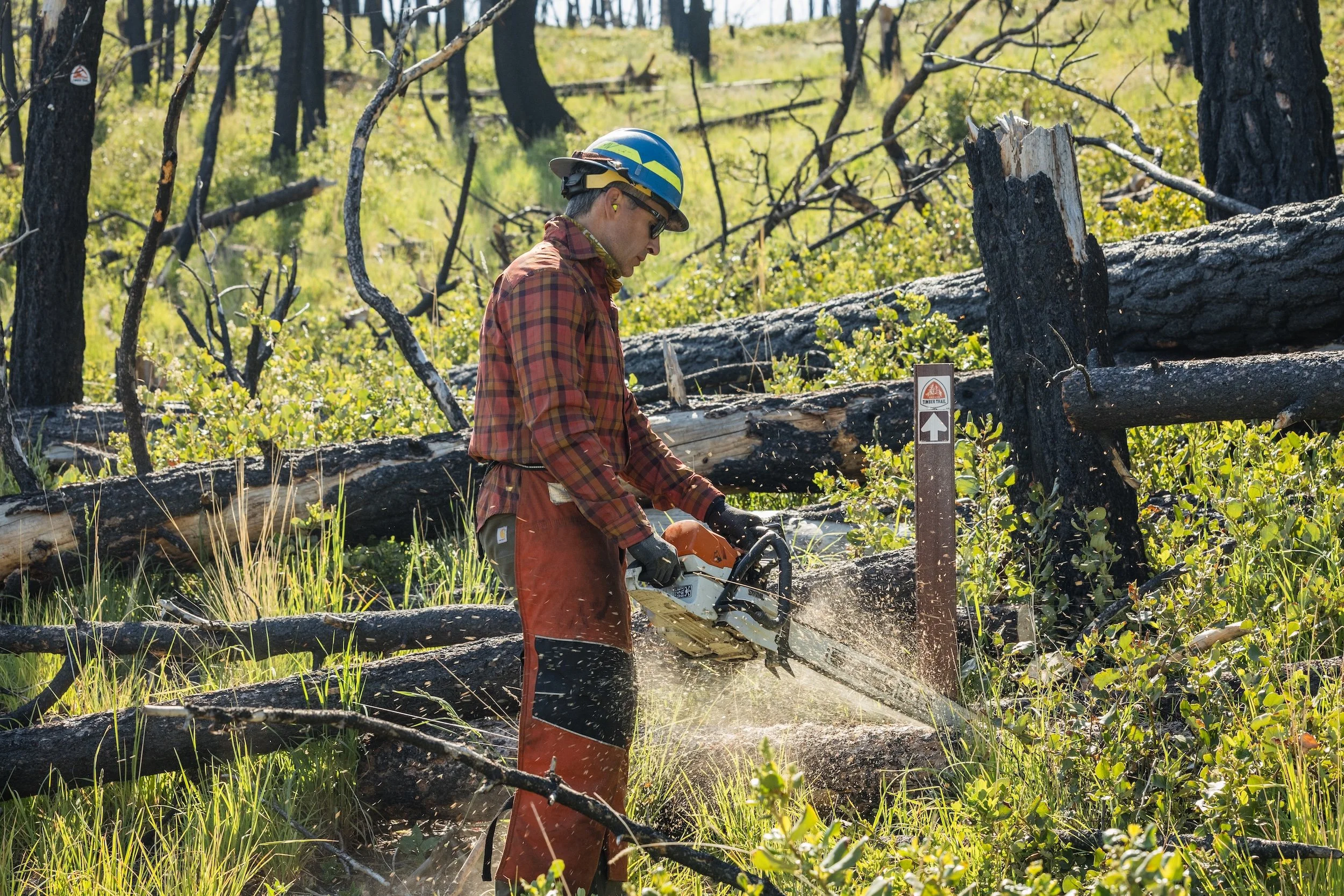
A few weeks ago, I made the six-hour drive to the Fremont Tier, where the OTTA coordinated a weekend work party. With camera in hand, I headed out with one of the crews to work on a section of "trail." Yes, I said "trail," because between the downed trees and vegetation, you couldn't even see a trail ... at all (see photo below).
The Future of Long-Distance Trail Stewardship
The release of the BOLT Coalition report represents an important milestone for long-distance cycling advocacy.
But perhaps its greatest value is highlighting something trail builders have understood for years.
Trails do not maintain themselves. While that phrase is said or written a lot, it's always worth repeating.
Whether it is a local volunteer adopting a favorite trail, a nonprofit coordinating work parties, or a coalition of organizations maintaining hundreds of miles of route across public lands, long-distance trails depend on people willing to invest in their future.
Recognition may help bring attention to these routes.
Stewardship is what keeps them open.
And for the growing number of riders seeking multi-day adventures across America’s public lands, that stewardship may be the most important part of the journey.
——————-
Download Long Live Long Trails


Sean is the Founder and Editor-in-Chief of Trail Builder Mag, a digital media instructor, and the Communications Director for the Northwest Trail Alliance in Portland, Oregon. Email: sean@trailbuildermag.com