
If the System Worked, Would Unsanctioned Trail Building Stop?
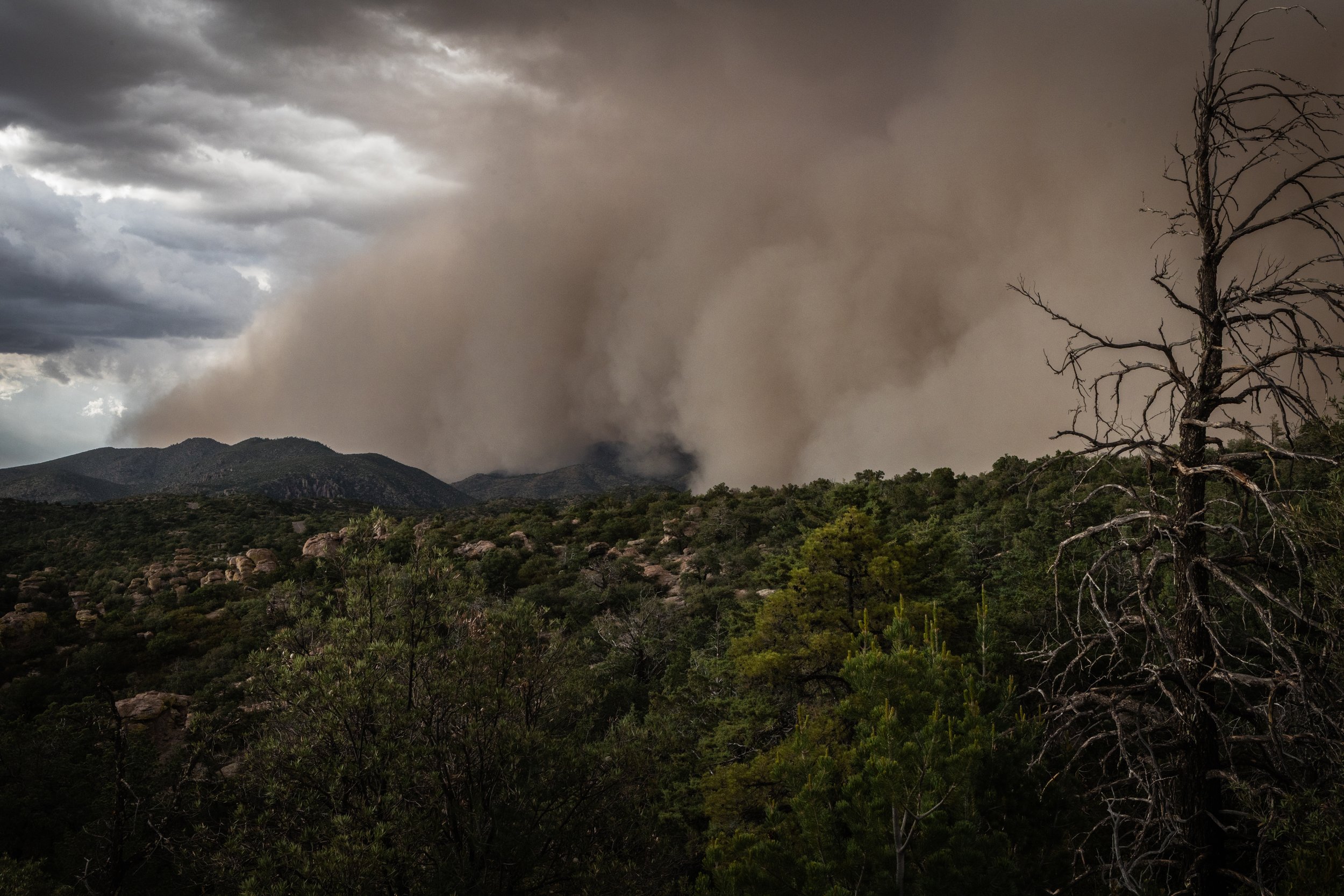
In the mountains of southern New Mexico, the difference between sanctioned and unsanctioned trails is not particularly close.
One local builder estimates that unofficial trails outnumber sanctioned trails by roughly ten to one. That ratio reflects a deeper divide over what kinds of trails should exist, who they should serve, and how long riders are expected to wait for something different.
Yes, there are sanctioned trails in the area. However, what is missing, according to the builder, are trails designed specifically for mountain bikes, particularly trails that challenge advanced riders.
The closest bike-specific trails are approximately 40 miles away and sit between 1,500 and 2,000 feet lower in elevation. During the summer, when temperatures rise across southern New Mexico, those lower-elevation trails can become uncomfortably hot.
For riders seeking steep, technical, and challenging terrain closer to home, the official network offers few options.
So they build their own.
Building Without Permission: Inside Germany’s Unsanctioned Trail Scene
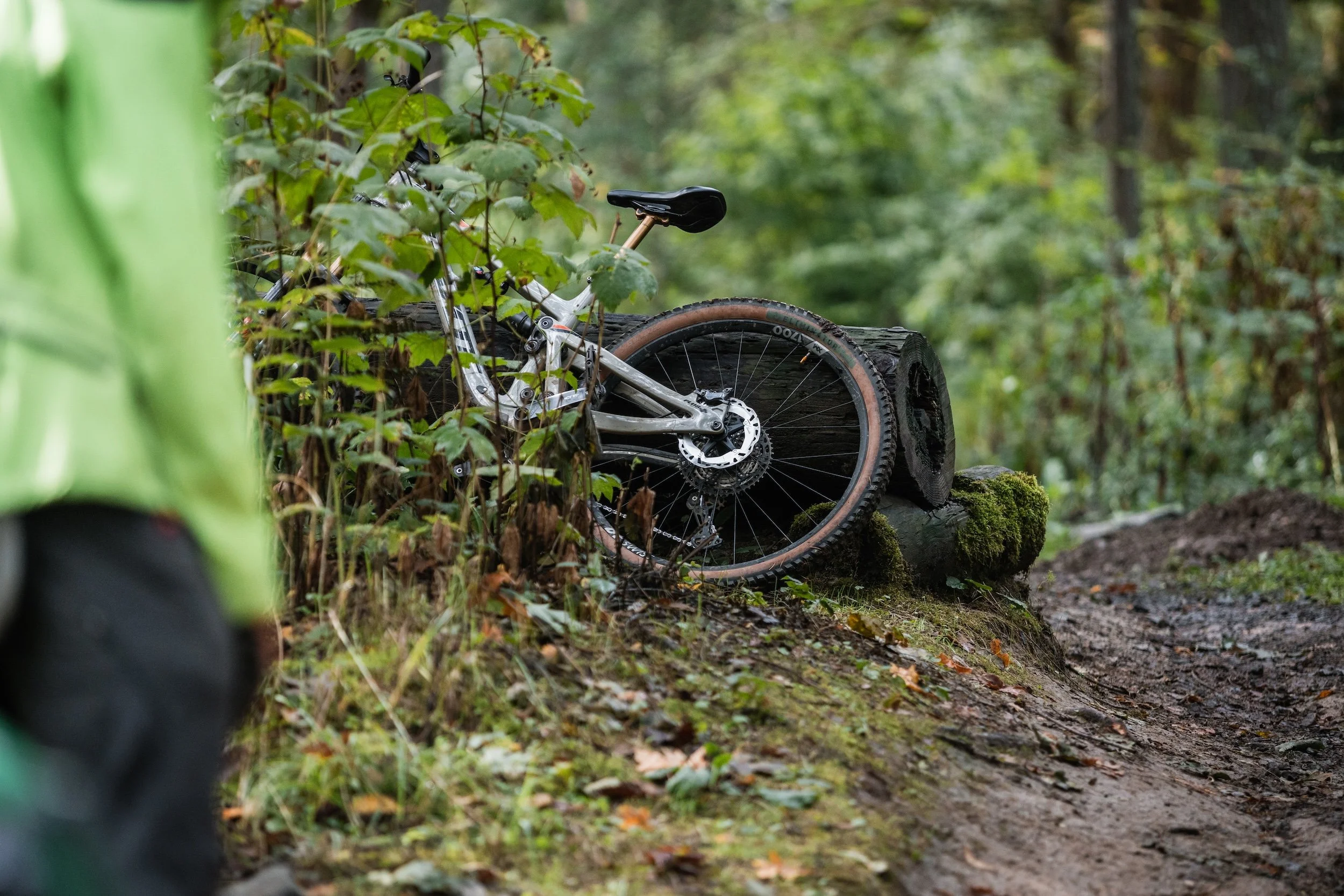
There are trails that exist because they were approved. And then there are trails that exist because nothing else did.
In the forests of southwest Germany, one trail builder operates in both worlds. He works within the system, advocating for legal trails. And at the same time, he builds outside of it.
Unsanctioned: Building the Trails That Didn’t Exist
Unsanctioned trail building is rarely about defiance. More often, it is about absence.
Across the Unsanctioned series, Trail Builder Magazine has documented a recurring pattern: riders recognize a gap in their community, and instead of waiting years for process, permission, and paperwork, they quietly pick up tools and start shaping dirt. Not because they reject stewardship, but because something meaningful is missing.
This story comes from a small, resource-based community in western Canada. For years, there were no mountain bike–specific trails, no bike association, and no visible pathway for legal trail development. What followed was not protest, but persistence.

Do Unsanctioned Trails Hurt Mountain Biking?
Rogue trails are everywhere: hidden behind neighborhoods, winding through forest hillsides, and quietly passed from rider to rider. But what’s the cost? This article explores the world of unsanctioned trail building—why they exist, who builds them, the risks to access and ecosystems, and how we might bridge the gap between rebellion and responsibility.

Unsanctioned: A Series About Rogue Trail Builders - Part 3: Netherlands
I recently caught up with the president of a non-profit trail stewardship organization as we talked about their plans for the upcoming year. One of their goals? Work to officially adopt a beloved unsanctioned trail system that is on federal land. When he first shared that with me, my first thought was not only about this interview series with rogue trail builders but also about why and how conversations like this may encourage more unsanctioned trails. Why?
