How Small Trail Organizations Can Create Better Social Media Content on a Budget
One of the biggest misconceptions about social media is that creating better content requires a bigger budget.
We always think we need more cameras, more expensive software, more staff, and more equipment. I know I do too ...
Yet, for small nonprofit trail orgs, that can make communications feel out of reach before it even begins. But there's another reality at work.
For many trail orgs, there isn’t a communications person. It’s the executive director. Or a board member. Or a trail steward. Or the volunteer who happens to know Instagram. Or whoever remembered to take a few photos at Saturday’s work party.
Meanwhile, the organization is coordinating volunteers, communicating with land managers, maintaining trails, writinggrants, planning events, fundraising, advocating for new projects, and doing all of the other work required to keep everything moving forward.
Social media can quickly slide down the list.
The good news is that creating better content doesn’t require building a marketing department. Some of the most useful tools available to trail organizations are relatively inexpensive. Some are free. Others are probably already sitting in your pocket.
What matters more is creating a simple system that helps your organization capture what is already happening, organize it, publish it consistently, and turn that attention into greater support for your trails.
Then the tools can help make that system easier.
How Small Trail Organizations Can Build a Simple Social Media System
It is easy to believe the next camera, app, or piece of software will solve your organization’s social media problems.
Usually, it will not. At the same time, it can, which I will talk about later on ...
The bigger challenge is creating a sustainable process.
Who is responsible for capturing content? Where do photos and videos get stored? Who decides what gets posted? How often are you publishing? What happens when someone sees your post and wants to volunteer? What happens when someone wants to donate, become a member, or learn more about your organization?
For a small trail org, I would start by dividing your communications system into three basic needs:
Create and capture content.
Manage and publish content.
Turn attention into action.
You can build a surprisingly capable system around those three things without spending a lot of money.
Why Smartphones Are Enough to Start Creating Trail Building Content
Before buying a camera, use your phone. Seriously.
The biggest advantage of a smartphone is not necessarily image quality (but they are great, check out this video shot on an iPhone). It is accessibility. It is with you.
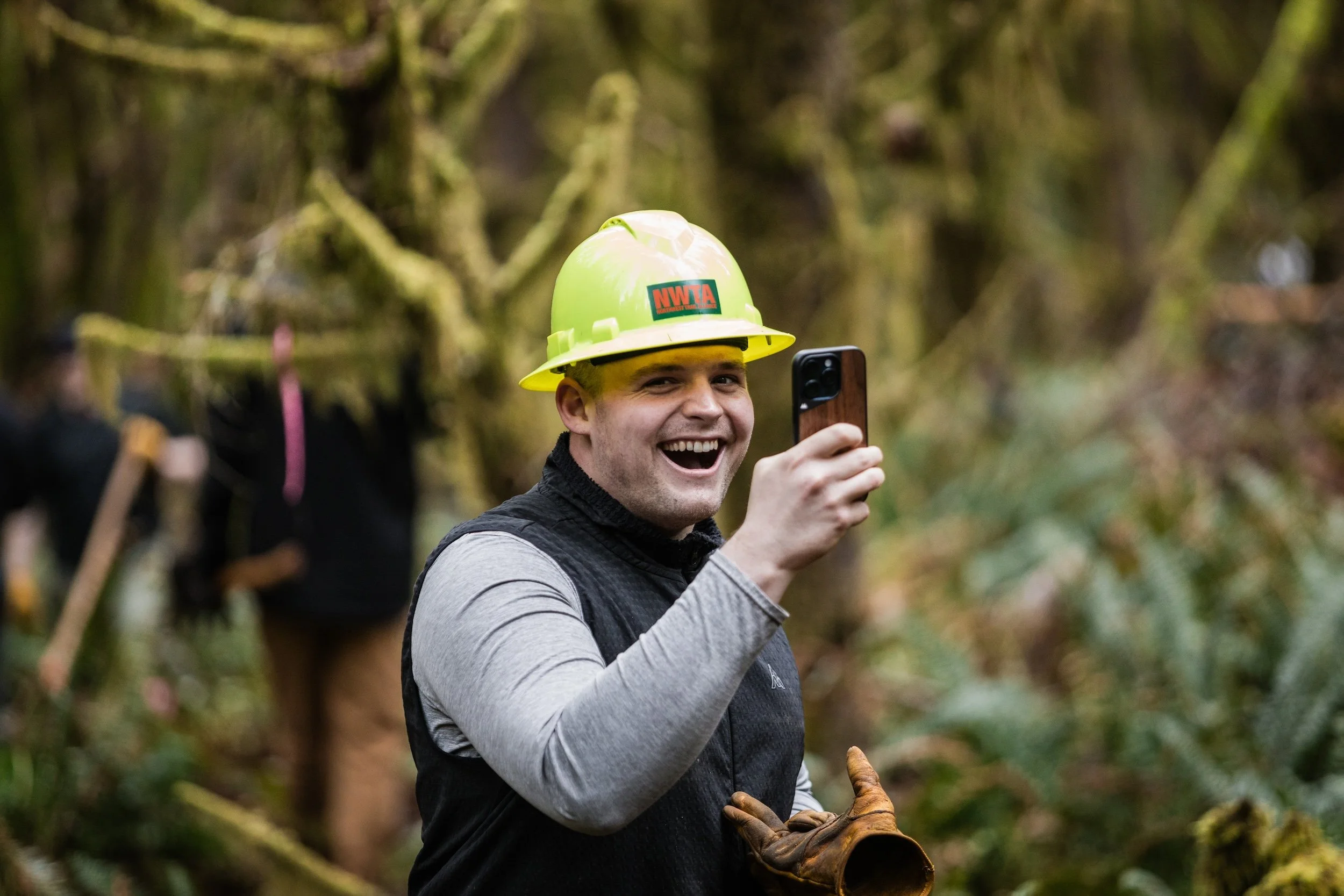
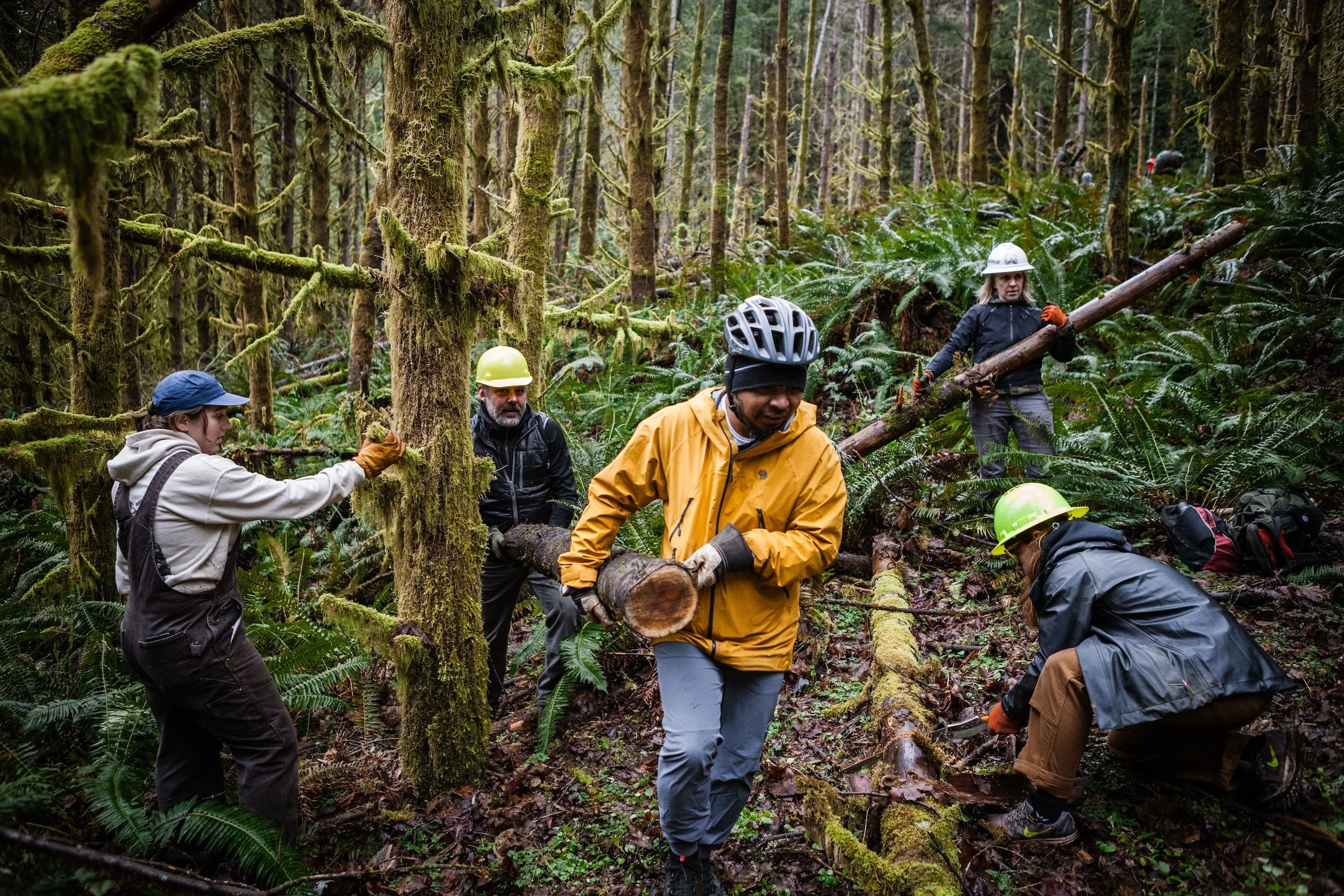
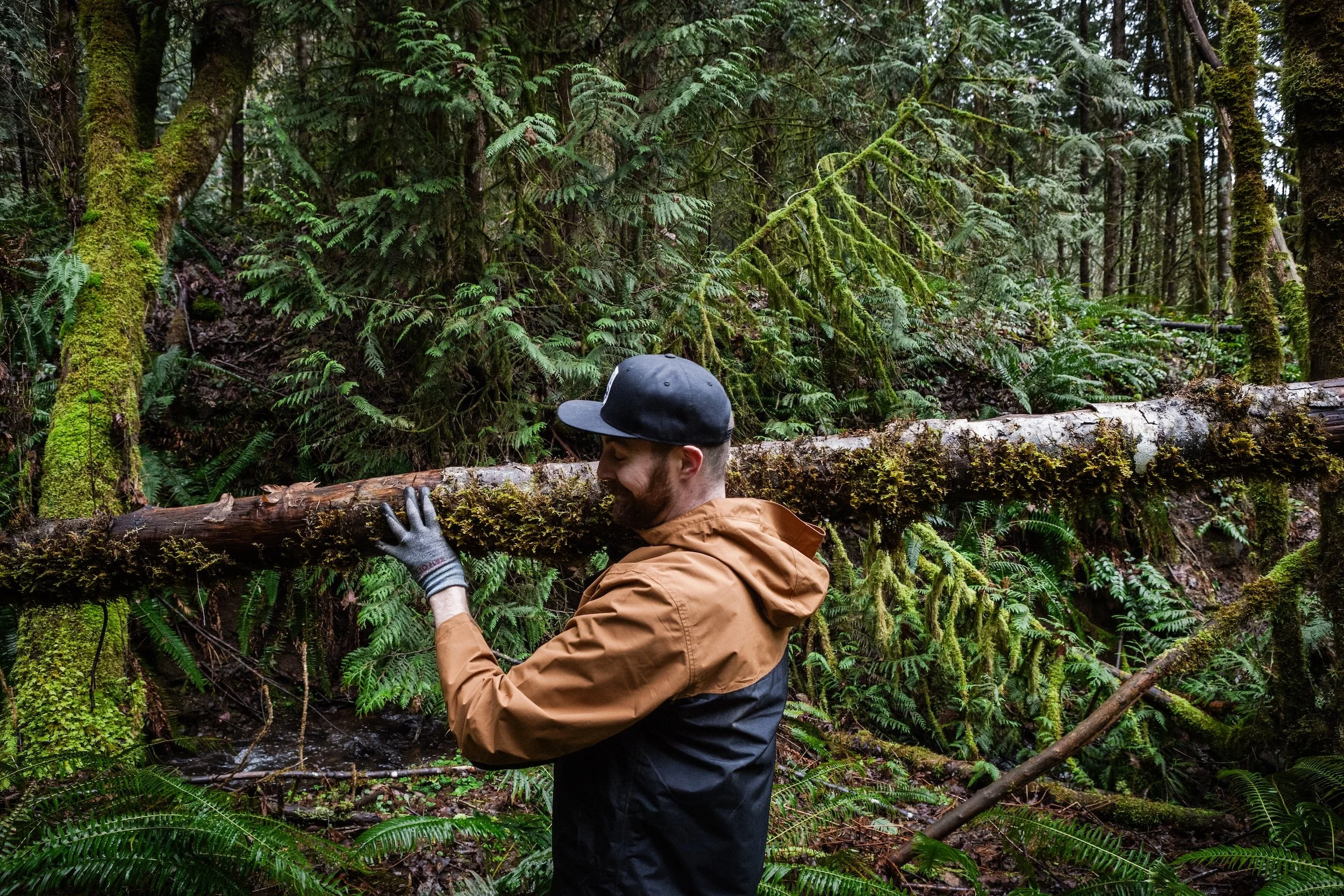
When volunteers are repairing drainage at a Saturday work party, pull your phone out and capture a few clips. When someone is learning to use a trail tool for the first time, document it. When your crew encounters a section of trail that needs a major repair, take a before photo. When the work is finished, take another one. When a volunteer explains why they keep showing up, ask if you can record a 20-second interview.
The goal is to develop the habit of documenting the work already happening.
I know that trail orgs are surrounded by stories. Capture them.
What Trail Organizations Should Post on Social Media
This is one of the most common traps organizations fall into.
If you spend every weekend working on trails, the work can begin to feel ordinary. To everyone else, it isn’t.
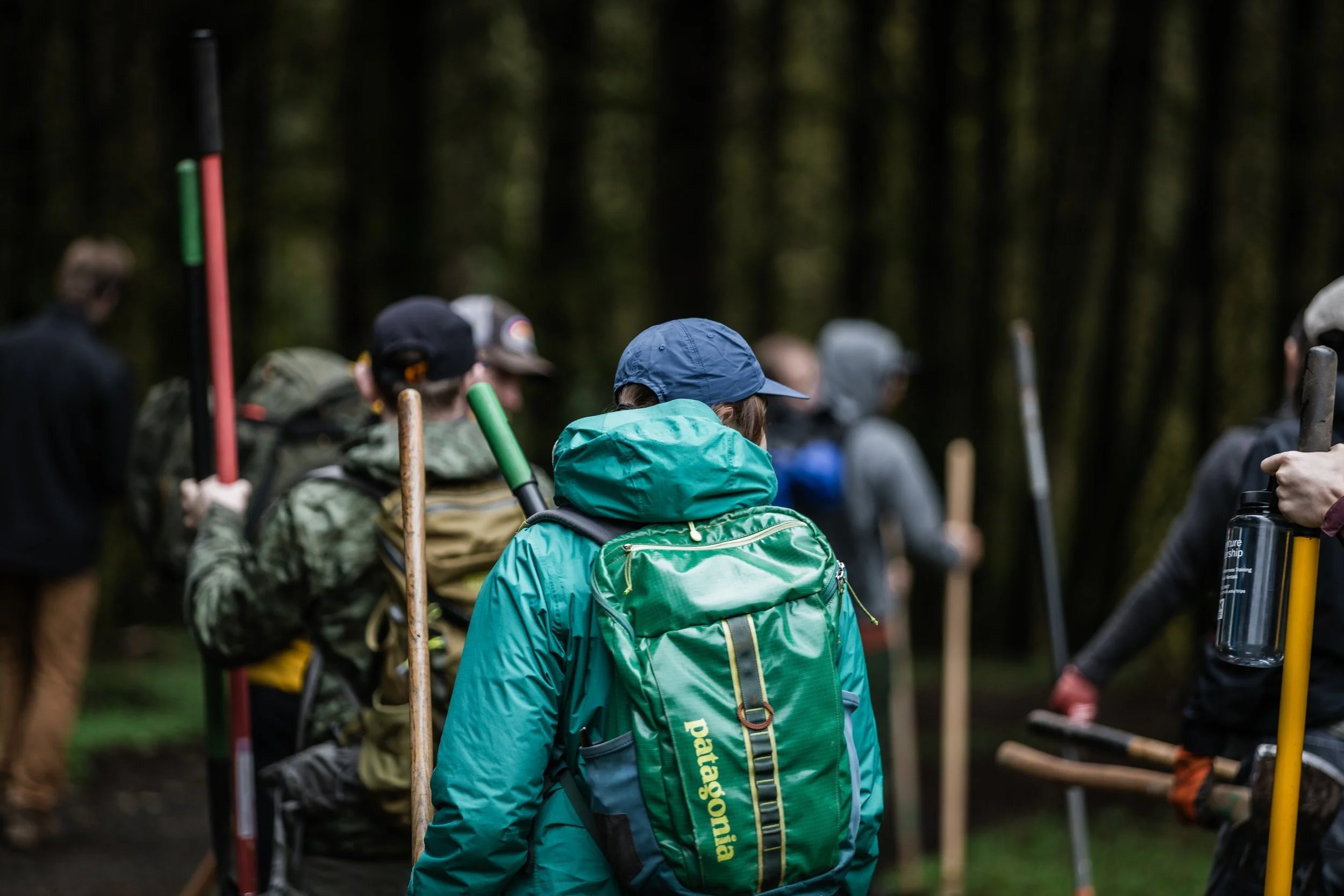
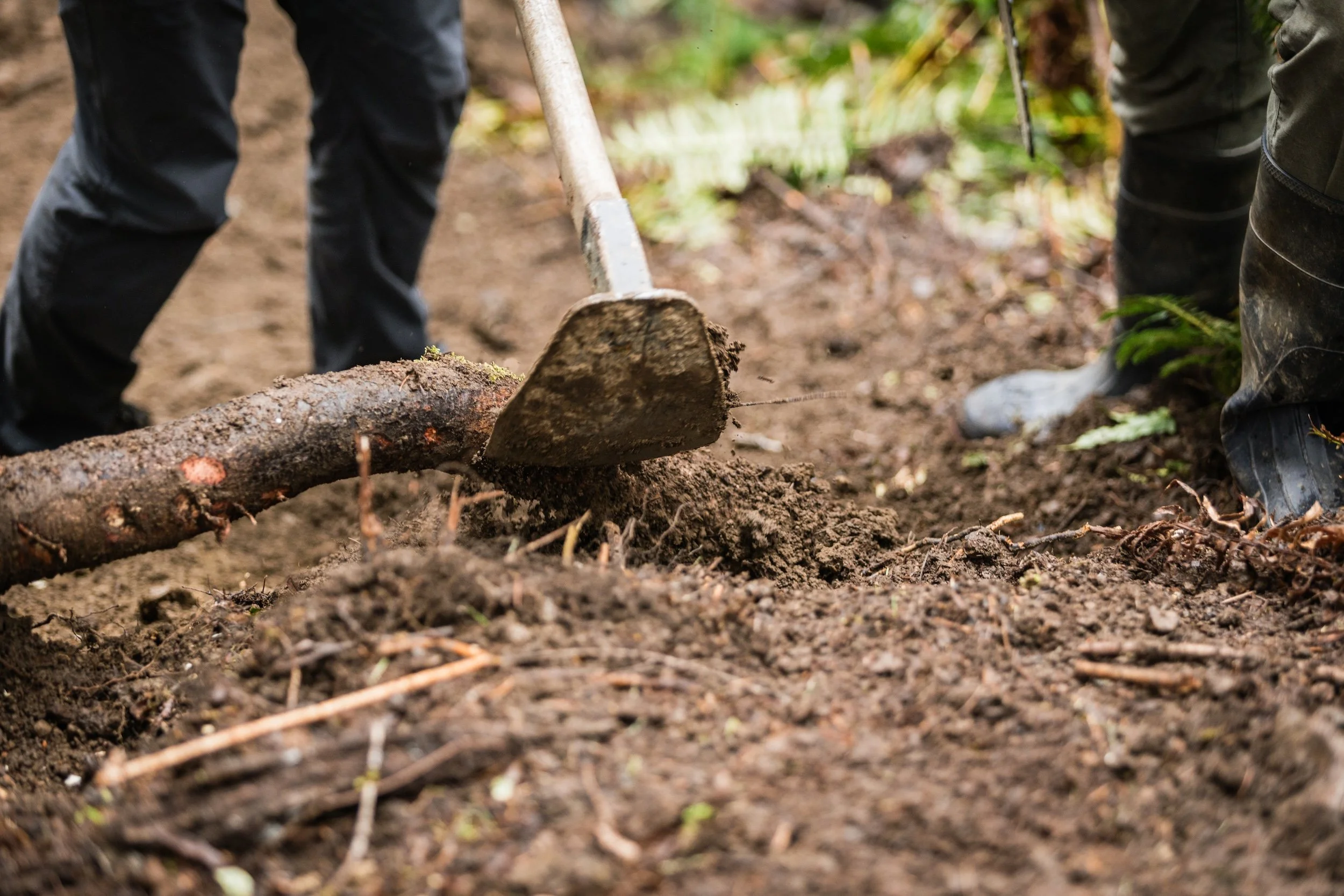
Most trail users have very little idea what goes into the trail beneath their tires or shoes. They don’t see the hours of planning. They don’t see the drainage work. They don’t see the conversations with land managers. They don’t see the volunteers hiking tools several miles into the backcountry. They don’t see the problem-solving required when water is moving across a trail in the wrong place. They don’t see the volunteer who has donated hundreds of hours over the past five years.
This is your content.
Rather than constantly asking, “What should we post?” start asking: What is happening that people don’t normally get to see? That question can unlock months of content.
How Social Media Content Communicates Who Belongs in Trail Building
There is another reason documenting trail work matters.
Your social media does more than show people what your organization does. It communicates who your organization is for.
Trail Builder Magazine’s research on women in trail building found that 76% of respondents felt women were underrepresented in trail-building social media content. Nearly 59% believed most trail-building communication strategies primarily targeted men.
If someone scrolls through months of your organization’s content and only sees the same kind of person holding tools, leading crews, and doing the technical work, they may begin forming assumptions about who belongs at your work parties.
This does not mean manufacturing diversity for the sake of a photo. It just means paying attention to the full community already surrounding your trails and being intentional about documenting it.
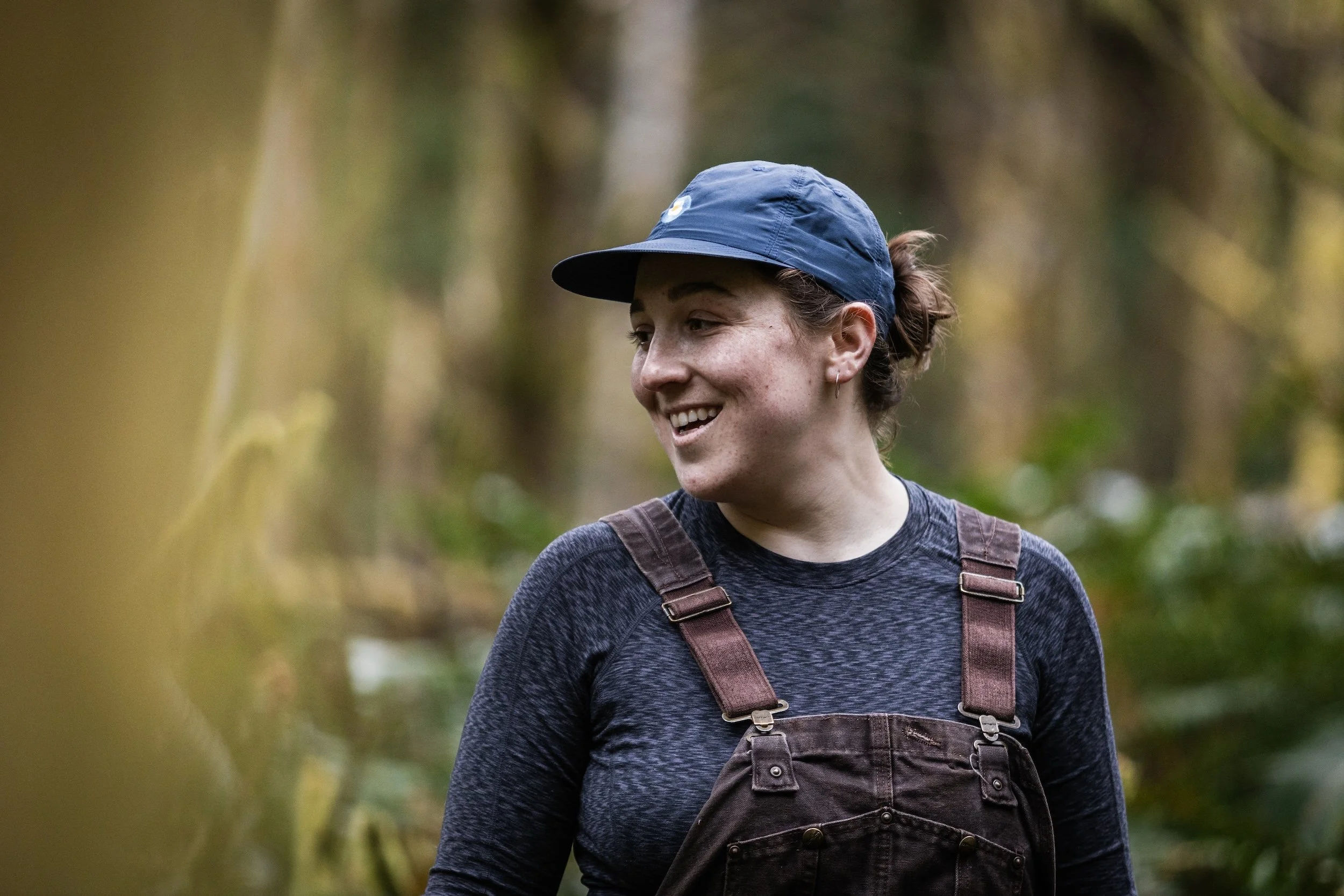
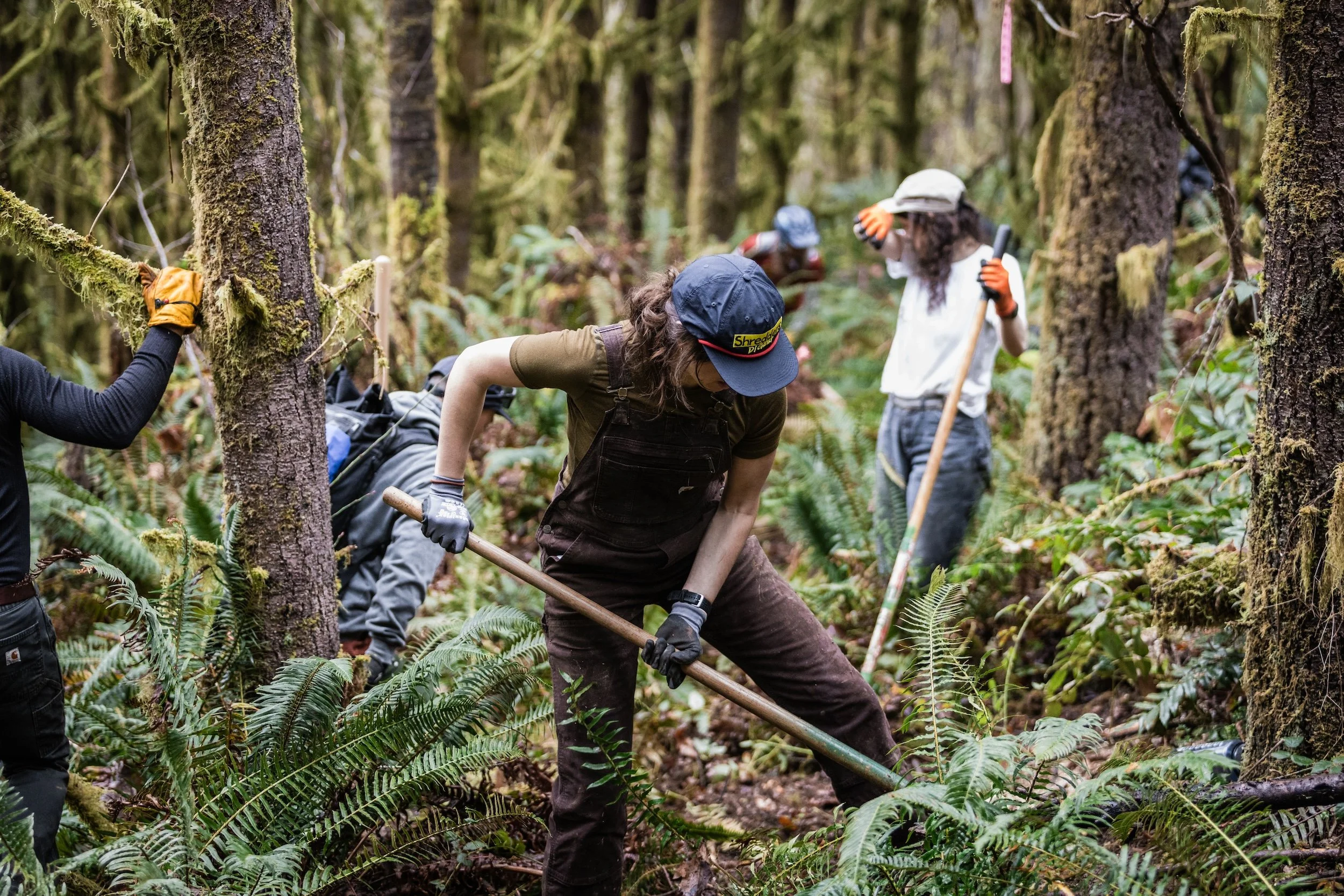
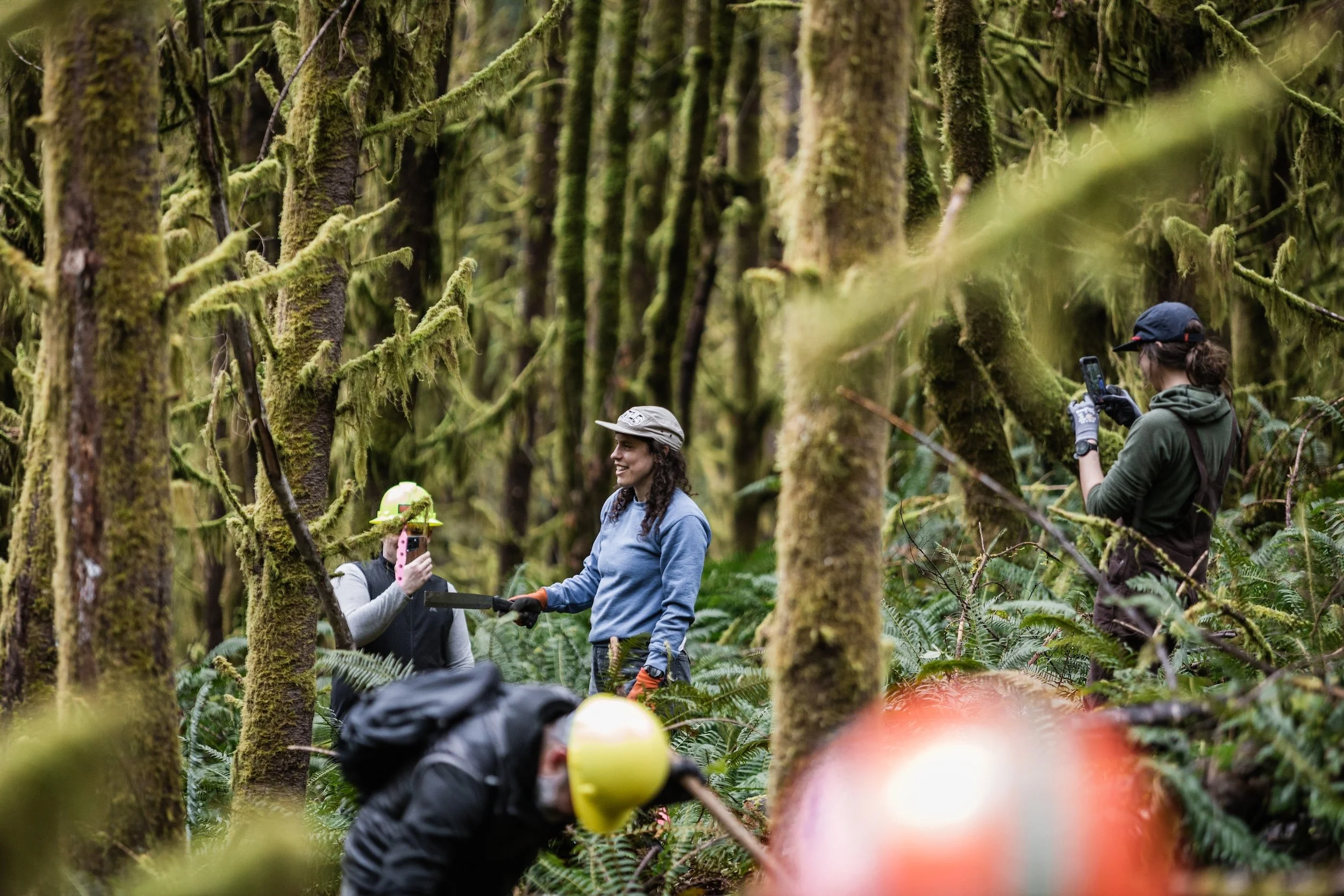
Show beginners learning. Show experienced builders teaching. Show women leading crews. Show kids and families participating when appropriate. Show different trail users. Show different ages, body types, backgrounds, skills, and levels of experience.
And pay attention to the language you use.
A post promoting a work party can explicitly say: “No trail-building experience is necessary. We’ll provide the tools and teach you what you need to know.”
Those few words can lower the perceived barrier for someone wondering whether they belong. What you show communicates who belongs.
How Metricool Can Help Trail Organizations Stay Consistent on Social Media
One of the quickest ways for a small trail org to burn out on social media is managing it one post at a time.
Someone realizes Instagram hasn’t been updated recently. They find a photo. They write something quickly. They post it. Then everyone gets busy again.
Two weeks later, someone asks why nothing has been posted.
A social media management tool such as Metricool can help remove some of that tension.
Instead of opening each platform individually every time you need to post, you can create content ahead of time, schedule upcoming posts, see your content calendar, and review how your posts are performing.
For a volunteer-led organization, the biggest benefit may simply be consistency. You might spend an hour once a week preparing several posts rather than trying to remember social media every day.
Scheduling does not mean removing the human side of social media. You still want to answer comments and DMs, share timely trail information, thank volunteers, and participate in conversations.
The goal is to create enough structure that social media doesn’t disappear whenever your trail org gets busy ... because it WILL get busy.
How Trail Organizations Can Use CapCut for Short-Form Video
Trail building is incredibly visual. It is spectacular that way.
That makes short-form vertical video an especially useful format for trail organizations. You also don’t need complicated editing.
Think of a typical Saturday work party.
Capture:
A wide shot showing the trail or landscape.
Volunteers hiking in with tools.
Someone digging or moving dirt.
A close-up of a tool being used.
Volunteers working together.
A before-and-after shot of the project.
A quick clip of the crew at the end of the day.
You now have the raw material for a Reel.
An editing tool such as CapCut can help turn those clips into a simple sequence (Meta has their own knock-off version called Edits.) Add a few words explaining what the crew accomplished and finish with information about the next opportunity to volunteer. Boom. Done.
You don't need complicated transitions or elaborate effects. Just let people see it.
How Canva Can Simplify Social Media Design for Trail Nonprofits
Not everything needs to be a Reel.
Trail organizations regularly need graphics for:
Work parties
Trail conditions
Closures
Advocacy alerts
Volunteer opportunities
Fundraisers
Events
Membership campaigns
Trail openings
Safety reminders
Educational posts
Canva can make these much easier, especially when an organization creates reusable templates.
Instead of starting from a blank screen every time you announce a work party, build one template. Create another for trail conditions. Another for advocacy updates. Another for volunteer spotlights. Another for upcoming events. Then changethe photos, dates, and wording when necessary.
Reusable templates save time, but they also make your organization more recognizable. Over time, people begin torecognize your typography, colors, photography, and general visual style.
How Trail Organizations Can Use Manychat to Recruit Volunteers and Grow Support
Getting views is good. Getting someone involved is better. This is where trail orgs should think beyond social media as simply a broadcasting tool.
Imagine publishing a Reel showing volunteers rebuilding a section of trail.
At the end, you say: “Want to join our next work party? Comment DIG and we’ll DM you the details.”
A tool such as Manychat can automate the next step by sending that person a direct message with the registration link.
There are plenty of possibilities:
Comment DIG to receive the next volunteer opportunity.
Comment JOIN to learn about membership.
Comment DONATE to support the trail project.
Comment TRAILS to receive trail information.
Comment ADVOCATE to receive the latest advocacy alert.
Comment NEWS to join the email newsletter.
Now your social media content has a job.
It is moving someone from casually watching your organization to taking a step deeper into your community.
Follower count can be useful. Reach can be useful. Views can be useful. But a small nonprofit trail org ultimately needs volunteers, donors, members, advocates, partners, and community support.
And yes, I use this all of the time for Trail Builder Mag.
When a Dedicated Camera Makes Sense for Trail Organization Content
There may eventually be a point where your organization wants something beyond a smartphone.
That’s where a camera such as the Canon R50 V can make sense. I have one, and hands down it is one of the best inexpensive cameras out there for capturing video content ... especially vertical video content. It's a camera that definitely punches above its weight.
A dedicated camera gives you more control over lenses, audio, exposure, image quality, and the overall look of your content. It could be particularly useful if your trail org begins creating longer interviews, project documentaries, event coverage, YouTube videos, or higher-quality campaign content.
But this should be the next step, not the first step.
Before buying more equipment, learn:
Which shots tell the story.
How to frame people.
How to capture good audio.
How to sequence clips.
How to use natural light.
How to interview volunteers.
How to recognize a story unfolding in front of you.
Most importantly, learn what your audience cares about. Then upgrade your equipment when you understand what problem the new equipment will solve.
Want a Simple Social Media System for Your Trail Organization?
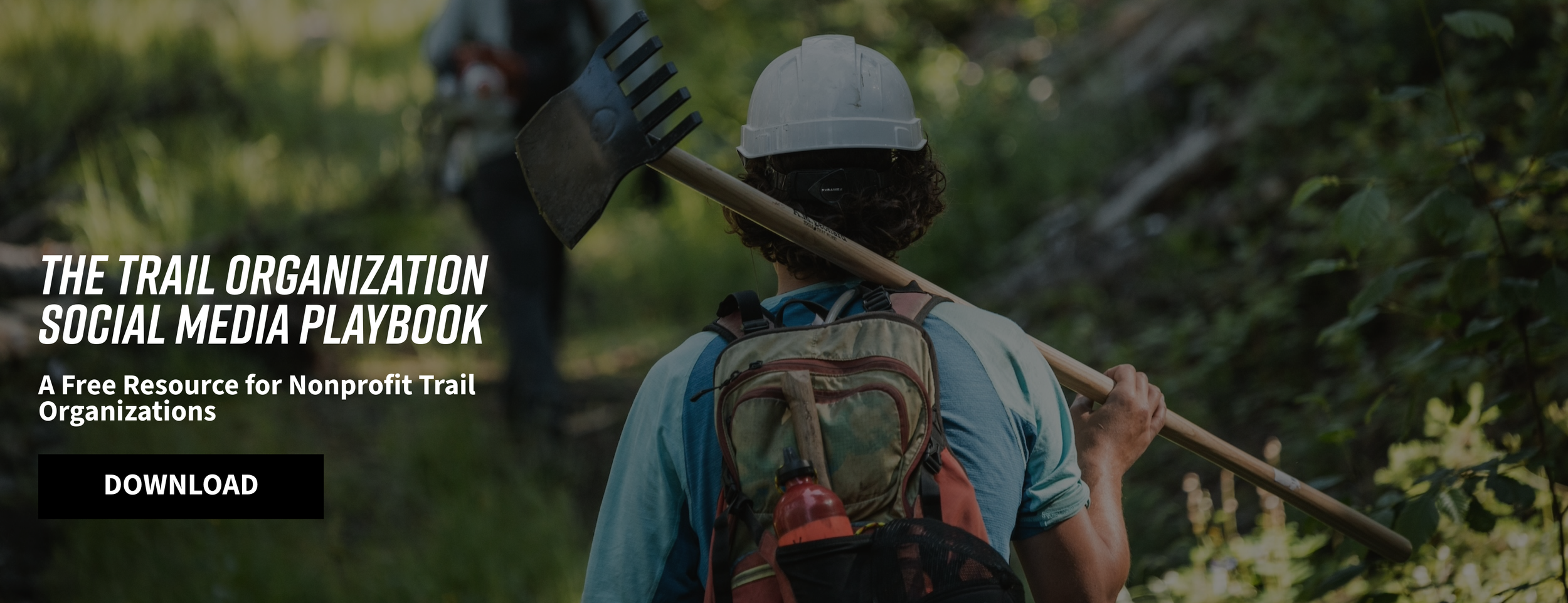
We’ve created a free resource specifically for nonprofit trail organizations:
It walks through a practical approach to using social media to document your work, tell better stories, recruit volunteers, grow support, and create a more sustainable communications system.
Sign up for the Trail Builder Magazine email newsletter to get your free copy.

Sean is the Founder and Editor-in-Chief of Trail Builder Mag, a digital media instructor, and the Communications Director for the Northwest Trail Alliance in Portland, Oregon. Email: sean@trailbuildermag.com