Women Trail Builders Spotlight: Zelzin Aketzalli
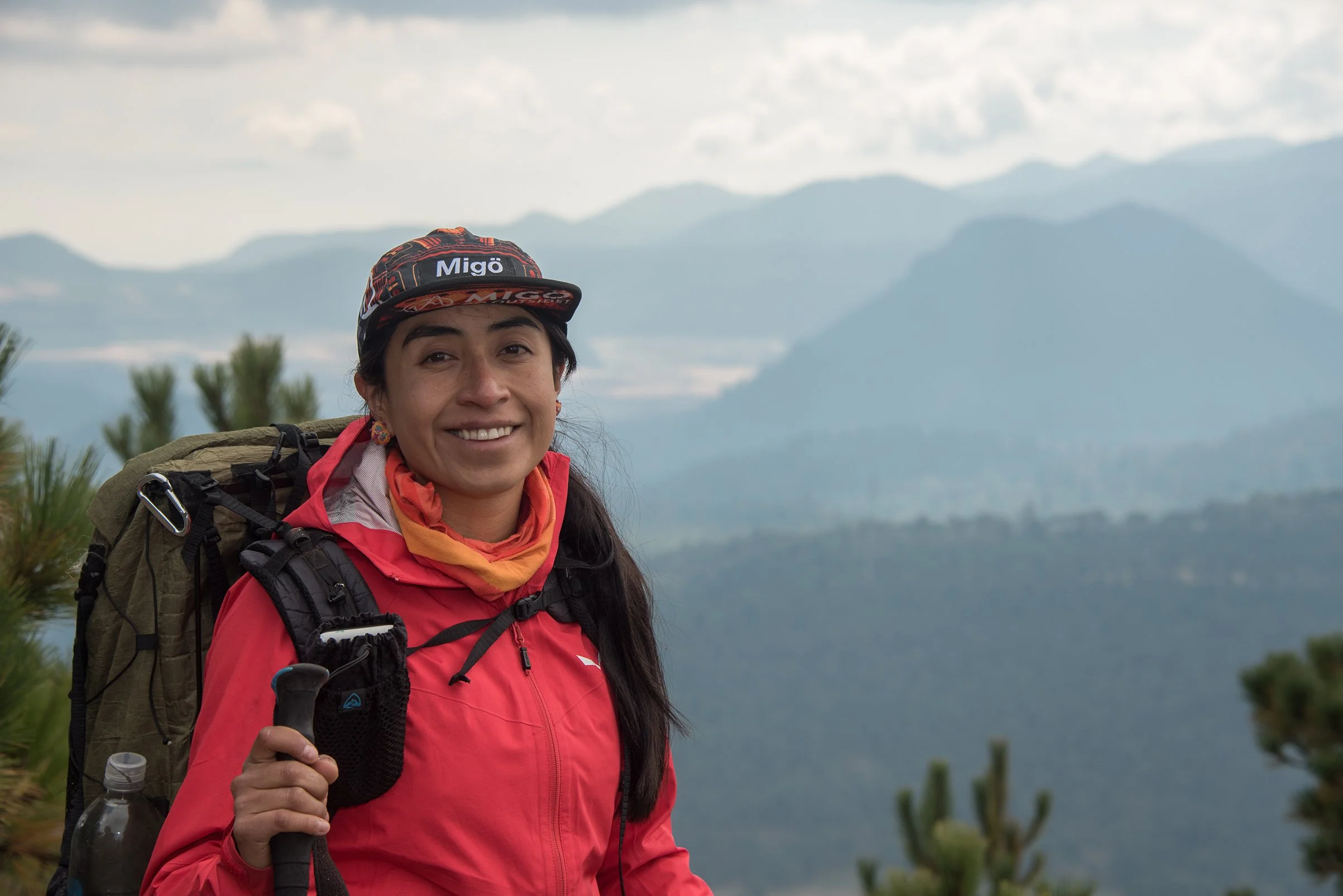
Trail building can take people in unexpected directions. For Zelzin Aketzalli, the path to working on trails stretches from the streets of Mexico City to mountain bike racing, thousands of miles of long-distance hiking, the jungles of Mexico, and trail projects across the United States.
Growing up in Iztapalapa, Mexico City, Aketzalli learned early how determination, sport, and time outdoors could shape a life. She went on to study engineering, race cross-country mountain bikes, complete the Pacific Crest Trail, and eventually become the first person from Mexico to complete the Triple Crown of Hiking.
Along the way, trail building became another part of that journey.
What began with a trail project in the Mexican jungle developed into a passion for learning the craft, working alongside experienced builders, improving her skills, and contributing to trail crews in different environments.
Her perspective on trail building reflects much of what has shaped her life: preparation, perseverance, teamwork, curiosity, and a willingness to keep learning.
In this Women Trail Builders Spotlight, Aketzalli shares how she found trail building, what she has learned from working on trail crews, the challenges she has faced, and why some of her most memorable trail experiences have been defined as much by the people beside her as the trail itself.
From Mexico City to Mountain Biking and the Triple Crown of Hiking
Emily: Tell me a little bit about yourself. Where did you grow up? When did you start riding? Etc.
Zelzin: I grew up in Mexico City in one of the most dangerous neighborhoods in the city, Iztapalapa. Many kids who grow up in this neighborhood go down the path of drugs, alcohol, or crime. My parents taught me love and respect for nature and sports even though our economic situation was not good. At a very early age, I was enrolled in different sports competitions, such as swimming, basketball, and athletics.
At 11, I started working in the informal street market, Tianguis, to pay for my basic expenses, such as tennis shoes, clothes, studies, and various sports training. My goal was to study engineering at the best engineering schools in Mexico. On top of that, I also wanted to stand out as an athlete so that one day I could represent my country.
I achieved my goal of attending one of the best engineering colleges in the country. While in college, my friends and I decided to create the institution’s first cross-country mountain biking team, and we started going to national competitions. When I was 22, I achieved my goal of representing Mexico in my first national XC mountain bike series.
Training for XC mountain biking helped me develop determination, courage, and bravery. I was the only female in my college training group, and sometimes, keeping up with them was very difficult. This created a feeling of demotivation and failure, so I decided to train alone. Training alone allowed me to have the time to analyze my mistakes and work on my progress, but my training became lonely. At that time, very few women practiced mountain biking in Mexico. Mountain biking alone meant that I had to go to very unsafe places. My head was always on a swivel for fear of being attacked. I was always careful and had positive energy, and I must confess that it forced me to go faster on the bike.
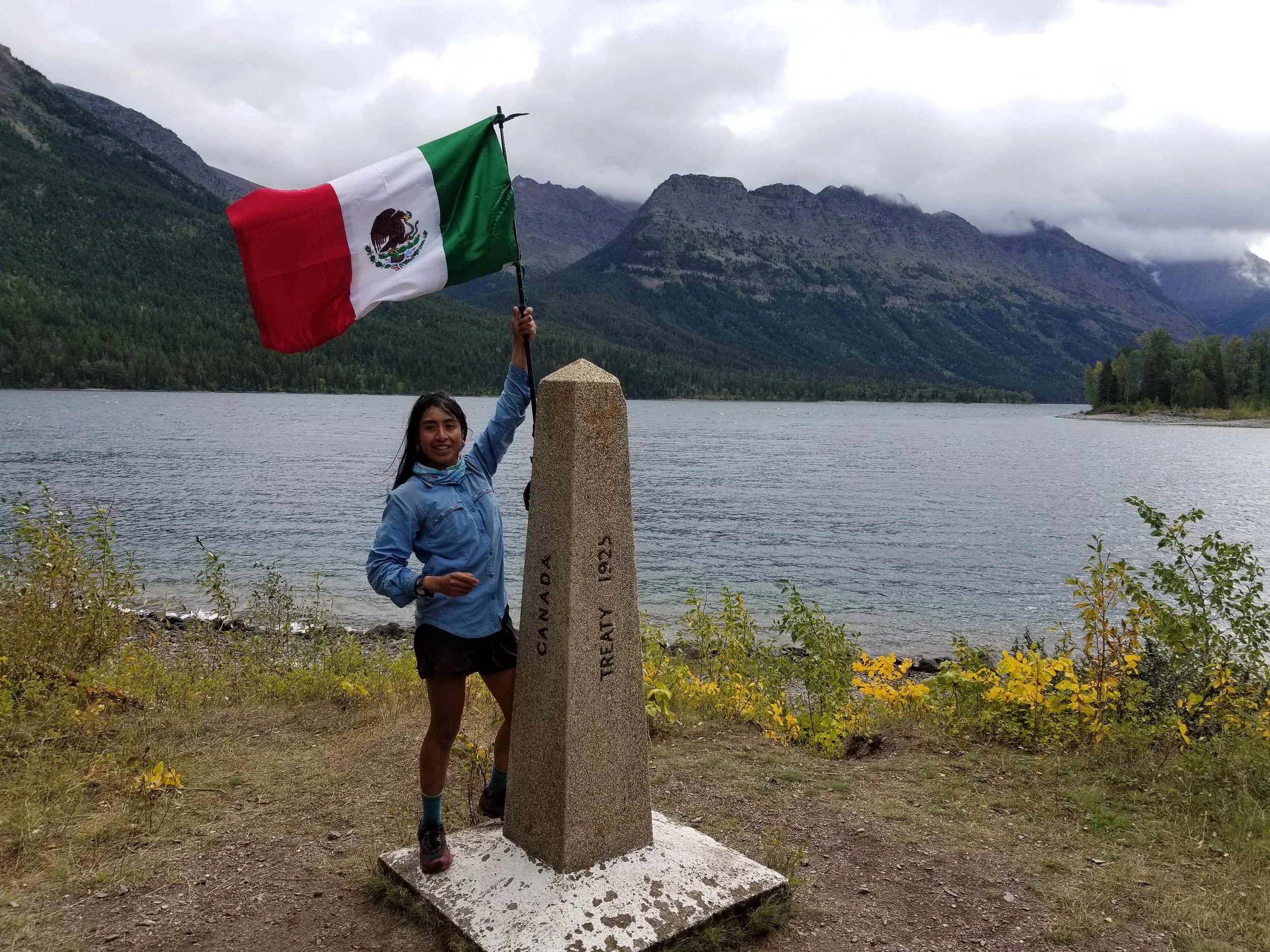
I graduated in December 2016 and set out to complete the Pacific Crest Trail, a total of 2,650 miles from Mexico to Canada. I didn’t know that this experience would change my life. This is how I arrived in the United States for the first time and how my journey started as a high-performance athlete.
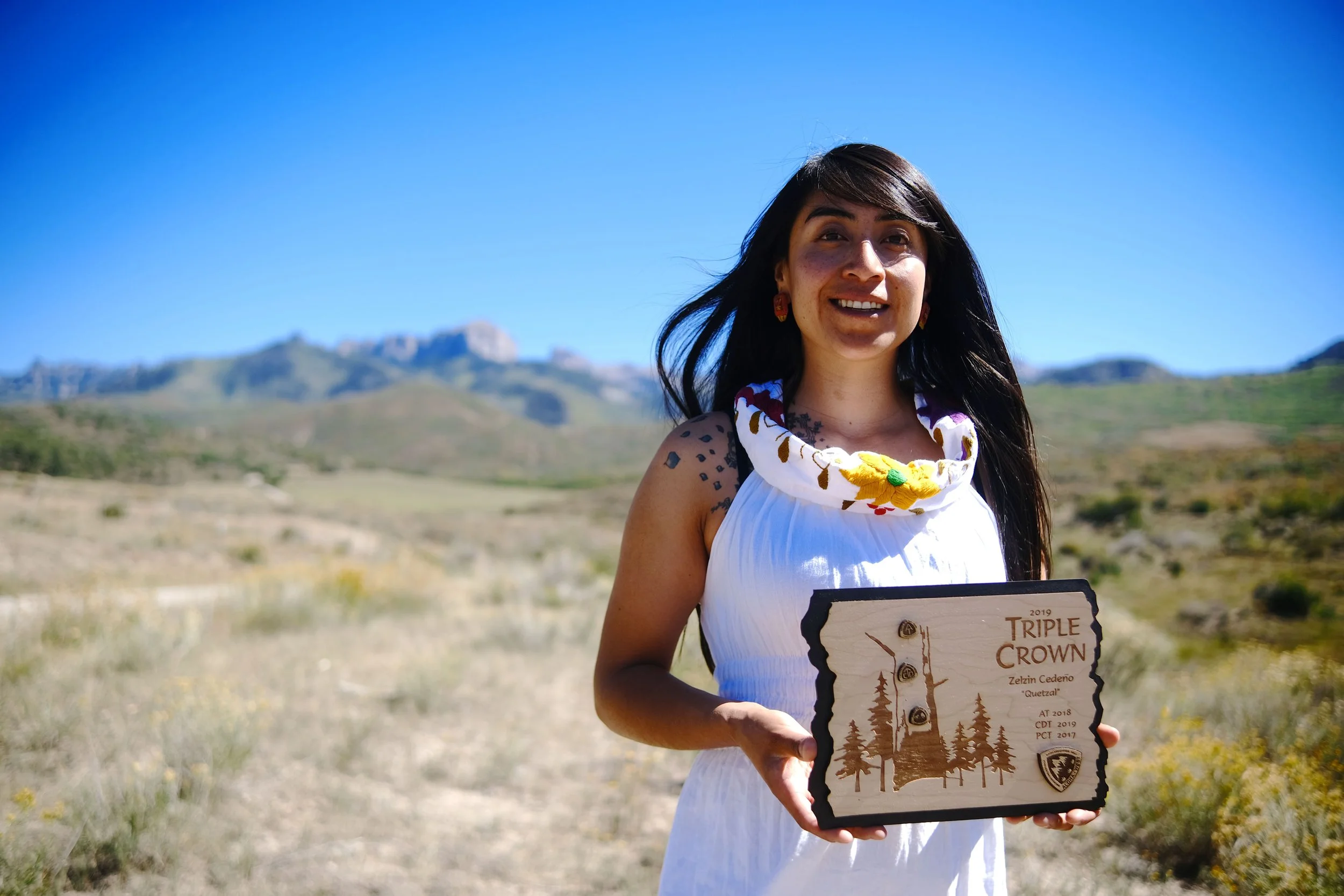
The PCT led me to represent my country, Mexico, in 2019. On September 17, 2019, I managed to become the first person from Mexico to complete the Triple Crown of Hiking, when at that time, there were only 440 people in the world who had achieved it.
How Zelzin Aketzalli Got Started in Trail Building
Emily: How did you first start getting into trail building?
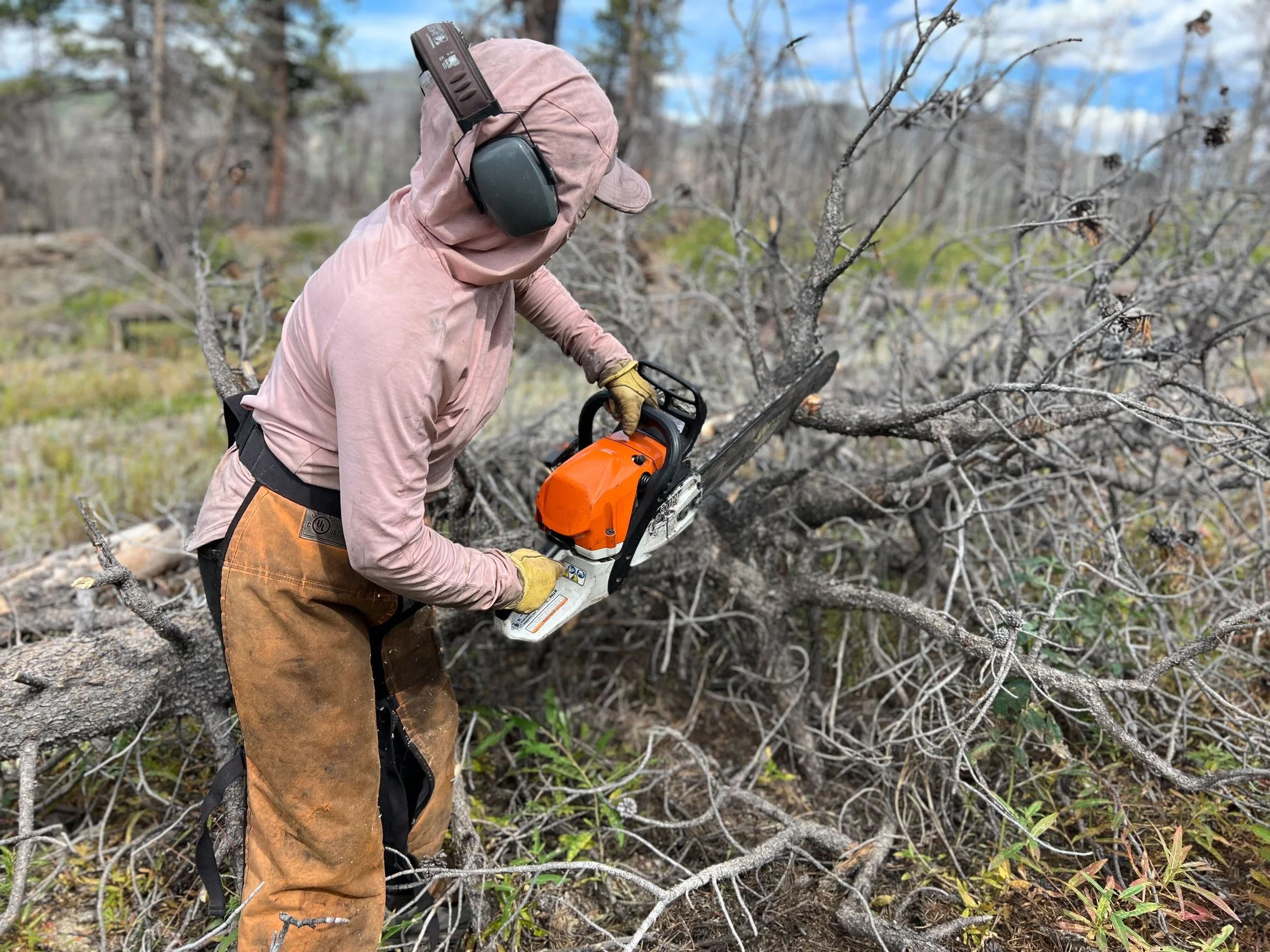
Zelzin: In 2018, I was in charge of developing a trail project for Kali Ecopark, an ecotourism park in the Mexican jungle, where I was going to be in charge of exploration and planning. Working in the jungle was quite a challenge; in the end, I fell in love with the project so much that I volunteered to build this trail when I finished my work. This experience showed me how laborious trail building is and the importance of technique in knowing how to use each tool.
When we started construction, there were three people: myself and two incredible older men. These two men taught me my first lessons in trail building. From then on, I set out to improve my trail construction technique and continue sharing my passion.
Six Trail Building Lessons for Stronger Crews
Emily: What unique perspective do you bring to trail building?
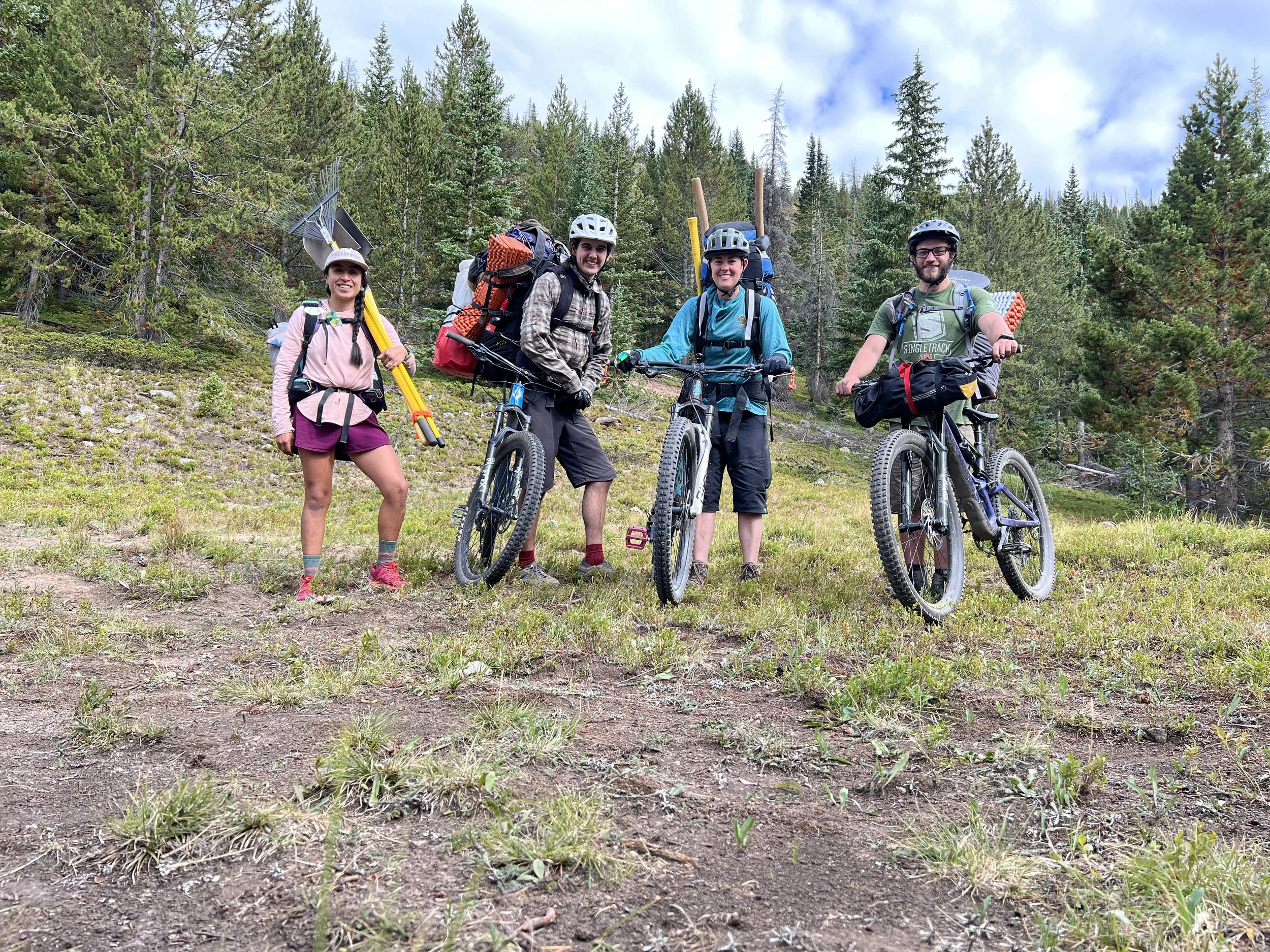
Zelzin: Trail building is a collective endeavor, and it’s crucial to recognize this. My top priority and perspective on trail building goes as follows:
Individual training and learning about the trail you’ll be working on is fundamental. Keep in mind that mountain terrains are always unique, and there’s no one-size-fits-all approach here.
Get to know the members of your crew. Who masters what tool, who wants to learn how to use a specific tool, etc. Please get to know what they want out of the trail-building experience.
Give feedback. It is good after each day of work to do an analysis of our work together; now, if you are a member of a team and there is no group feedback, go and ask your supervisor how you could improve individually, and this leads me to …
Listen; know how to listen; remember that none of us were born knowing everything.
Rotate: when we work for long days on a trail, rotating positions between members is vital to maintain efficiency. You also learn to use different tools.
Challenging yourself and setting daily goals will help you grow at work and increase your motivation in life.
Overcoming the Physical Challenges of Trail Building
Emily: What are the biggest obstacles (if any) you face being a female trail builder?
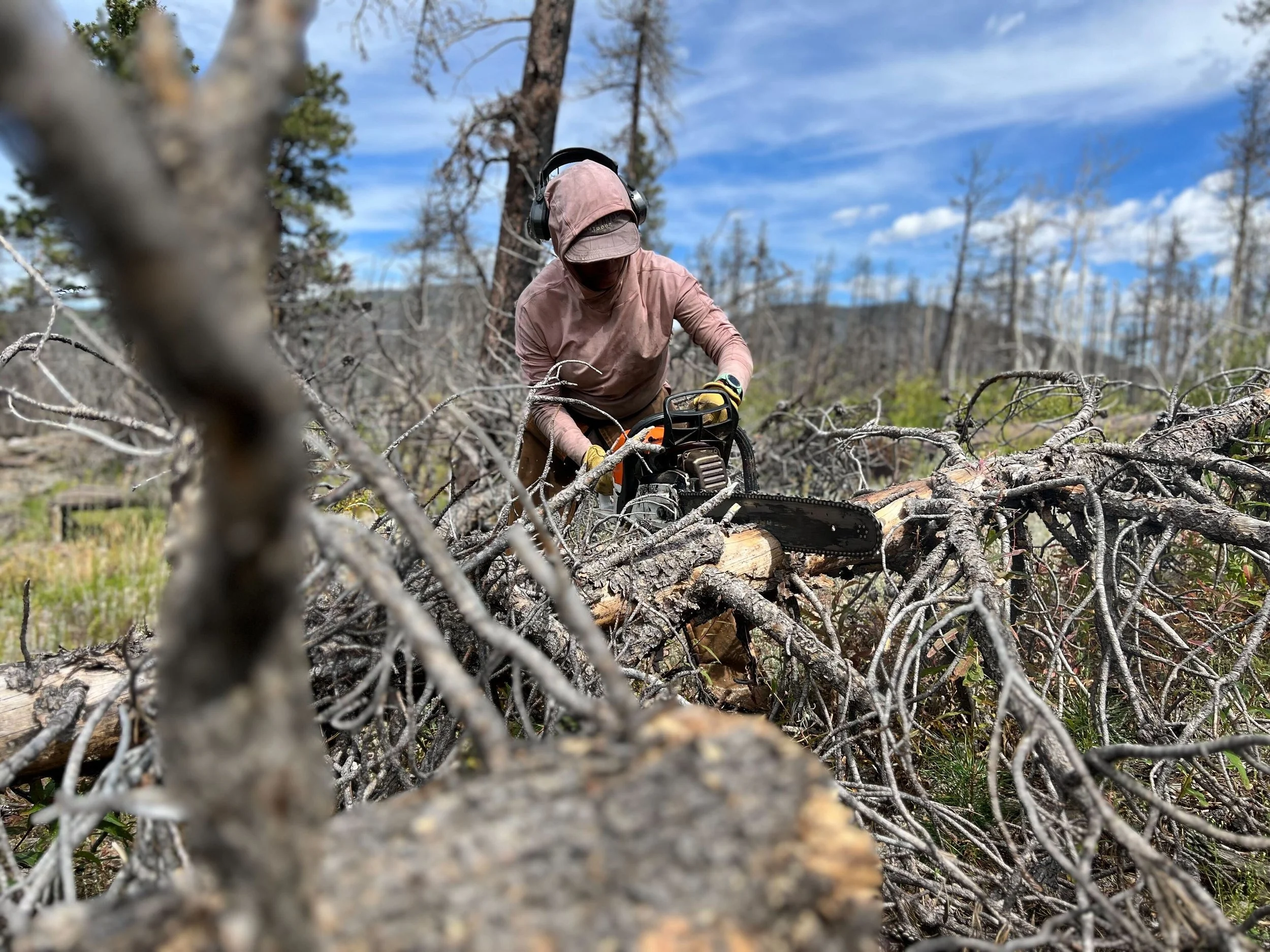
Zelzin: I am 1.58 meters tall and weigh 55 kilograms; my biggest obstacle has been carrying heavy objects, such as when we have to roll large stones or logs. I have overcome this little by little; it has been challenging but never impossible.
What has helped me is to stay in constant training outside of work. I can strengthen my body to avoid injuries and increase muscle strength. It has helped me to be able to support my colleagues and maintain the same performance as them at work.
A Favorite Trail Building Project on the Colorado Trail
Emily: What is your favorite trail that you have ever worked on?
Zelzin: I have worked on many different trail-building projects, and they are all my favorites because they are different and have challenged me differently. However, I would choose the Fooses Creek reroute on the Colorado Trail. We were a team of three people (2 females and 1 male). This tested our efficiency as a team. It took us two months to complete, and we camped the entire time we worked on the trail. It was so much fun!
Zelzin Aketzalli’s Favorite Mountain Bike Trails
Emily: What is your favorite trail to ride?
Zelzin: This is a complicated question because I have had fun on so many trails. I also still have so many more to explore. If I had to pick, I would have to say that for riding, I love the trail system in Helena, Montana, and the trail system in Kokopelli, Colorado.
Trail Building as a Practice of Learning and Teamwork
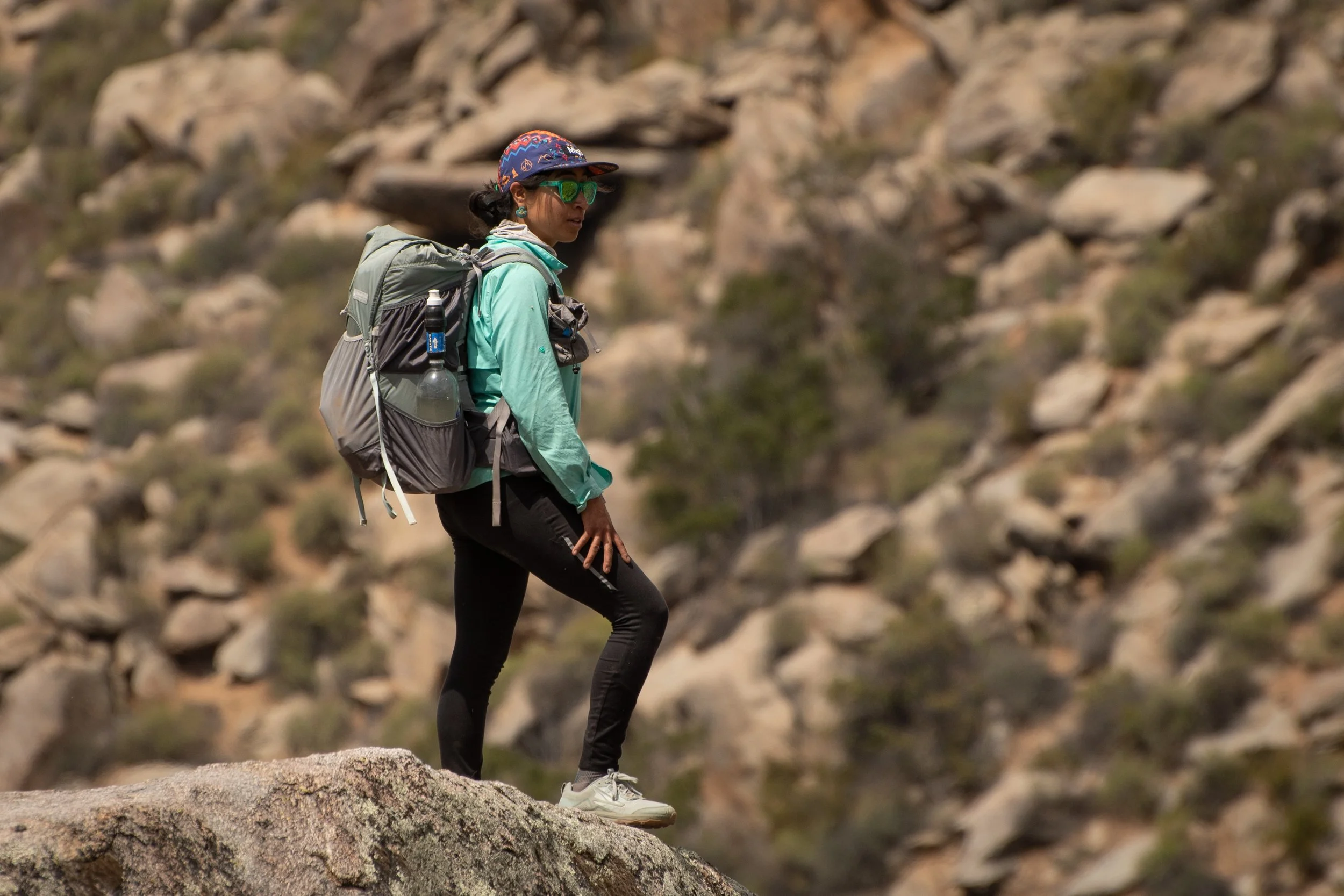
Aketzalli’s story is filled with big accomplishments, from competing in mountain biking to hiking thousands of miles and representing Mexico on an international stage. Yet some of the most useful lessons she offers trail builders are remarkably grounded.
Learn the terrain. Know your crew. Rotate responsibilities. Ask for feedback. Listen. Keep training. Set goals.
Her experience also reinforces something easily overlooked when attention turns toward tools, construction techniques, and finished trails: trail building is ultimately a collective endeavor.
There will always be another trail to explore, another tool to master, another challenge to overcome, and another lesson to learn. For Aketzalli, that seems to be part of what makes both trail building and life outdoors worth pursuing.
————————————
This article originally appeared in Volume 2, Issue 1 of Trail Builder Magazine.
Emily Williams
Emily Williams started riding mountain bikes about a decade ago in Central Oregon. The time spent with friends out in the woods was what made her fall in love with mountain biking. Emily’s background is in youth development and sports management.