The Volunteer Organizations That Keep Trails Alive
Most of the trail world runs on volunteers.
Small nonprofit organizations. Volunteer boards. Weekend dig crews. People balancing jobs, families, and life while still finding time to show up with a shovel, a saw, or a spreadsheet.
These are the groups that keep trails open and growing.
They manage relationships with land managers. They write grants. They lead dig days. They organize events that barely break even but build community. And in many places, they are doing all of it without staff, marketing teams, or much public recognition.
At Trail Builder Magazine, we believe these organizations deserve more attention. Mountain biking often celebrates riders, races, and gear, but the people building and stewarding trails are the backbone of the entire sport.
That’s why we’re launching a new interview series focused on the leaders behind volunteer-led trail organizations.
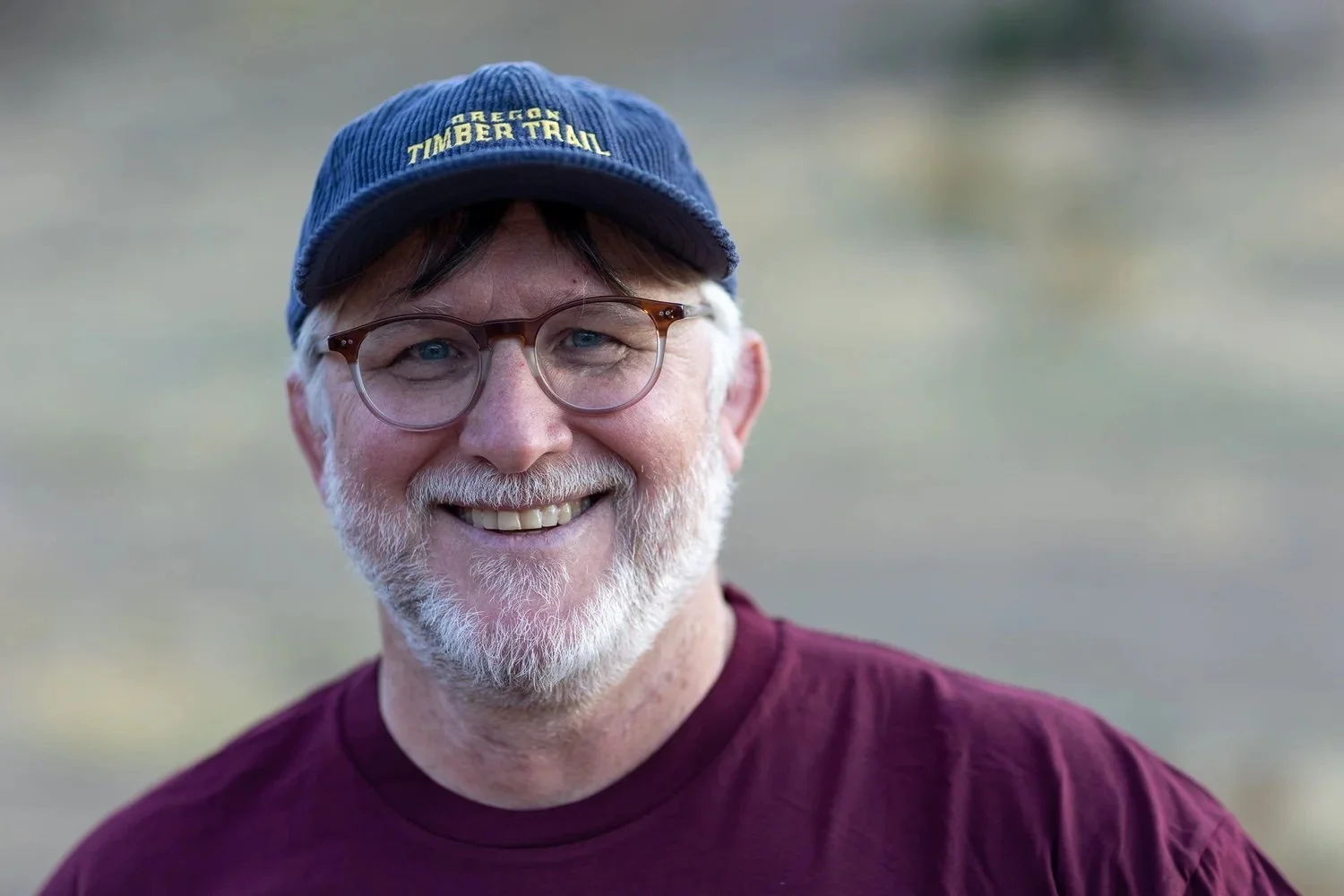
Our first conversation is with Steve Brook, President of the Oregon Timber Trail Alliance (OTTA). The nonprofit stewards the Oregon Timber Trail, a roughly 700-mile backcountry mountain bike route that runs the length of the state. Unlike most trail systems, this isn’t a network near a single town or trailhead. It’s a corridor stretching from the California border to the Columbia River Gorge, crossing multiple forests, ecosystems, and rural communities along the way.
Maintaining something at that scale requires partnerships, planning, and a volunteer network willing to tackle projects far from pavement or cell service.
In the conversation below, Steve shares how OTTA began, how the organization has evolved, and what it takes to steward a long-distance trail through some of Oregon’s most remote landscapes.
Where the Oregon Timber Trail Alliance Works Across Oregon
Where is your organization based, and what makes your riding region distinct from a trail building perspective?
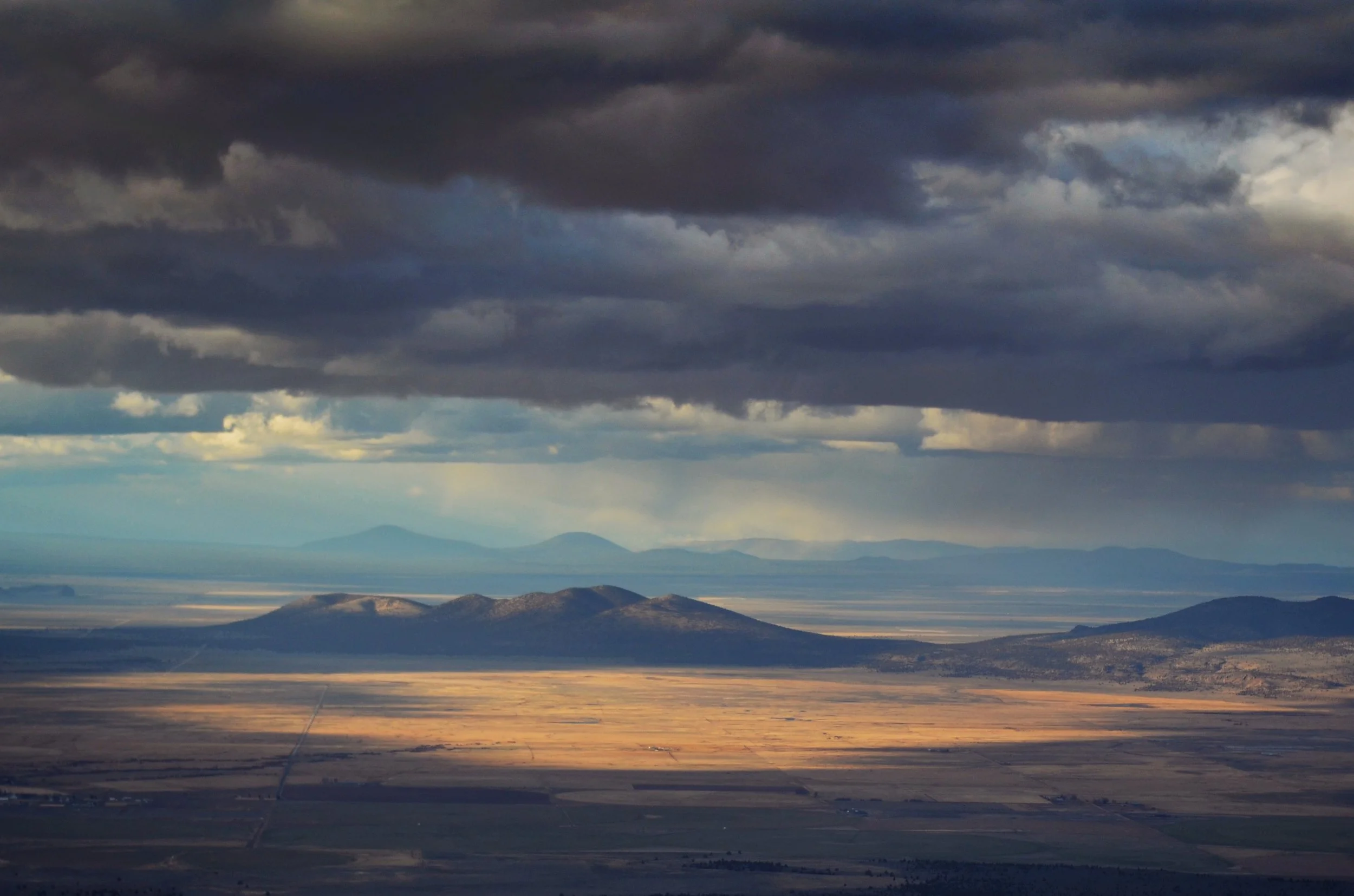
The Oregon Timber Trail Alliance is a statewide organization, but our work lives in the landscapes themselves, from the high desert near the California border all the way to the Columbia River Gorge.
That’s part of what makes this trail so unusual: it isn’t a single riding zone or a network around a town. It’s a 700-mile corridor crossing multiple ecosystems, ranger districts, and communities.
From a trail-building perspective, we’re working in true backcountry.
Remote access, volcanic soils, fire-impacted forests, and long distances between trailheads mean maintenance isn’t a weekly activity, it’s expedition work.
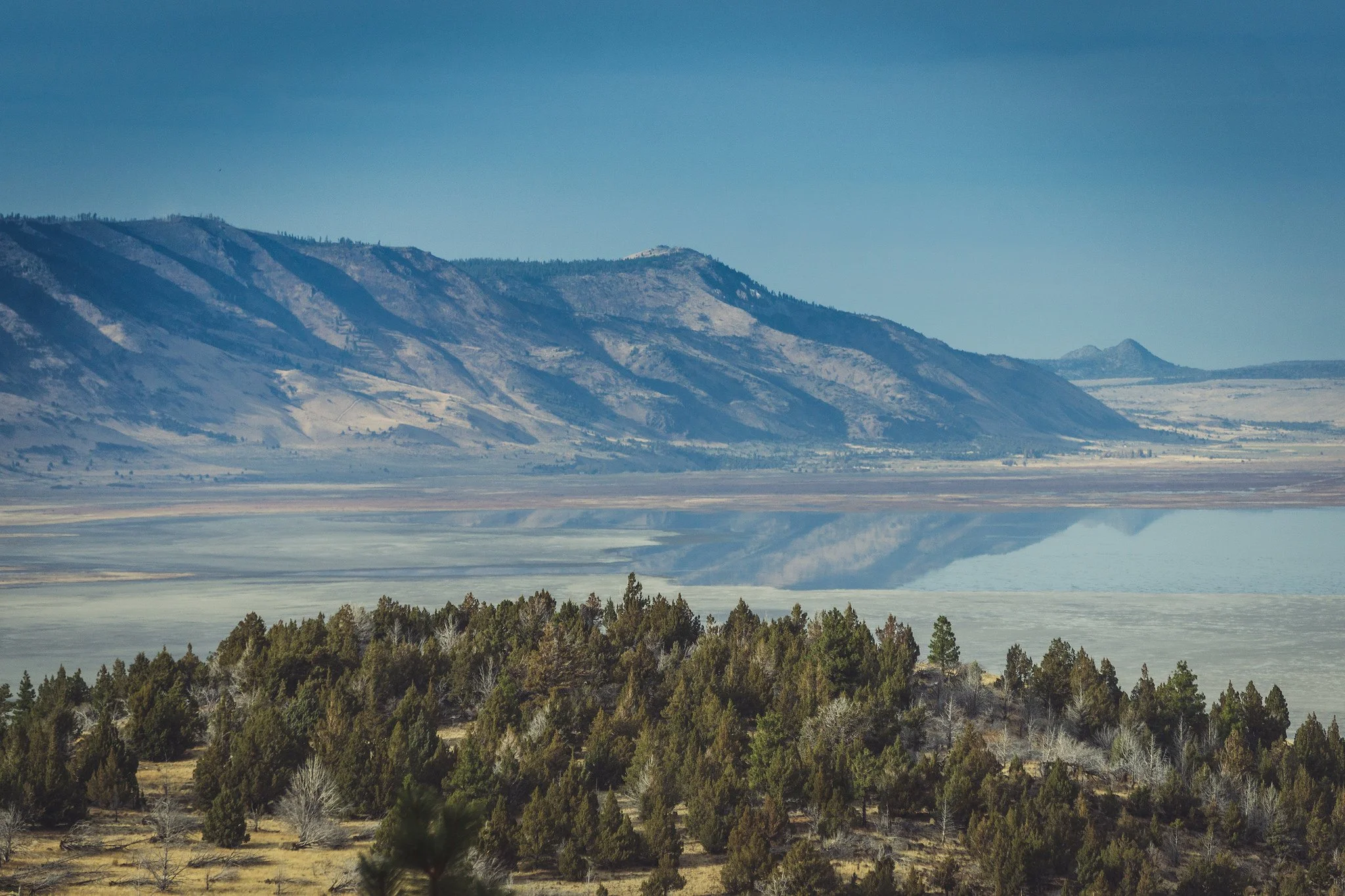
In places like the Fremont–Winema National Forest, crews may travel hours just to reach the worksite. You build differently when evacuation isn’t quick, and resupply isn’t easy. Sustainability, drainage, and durability matter more than perfection.
The Origin Story of the Oregon Timber Trail
How did your organization begin, and what problem were you originally trying to solve when you first formed?
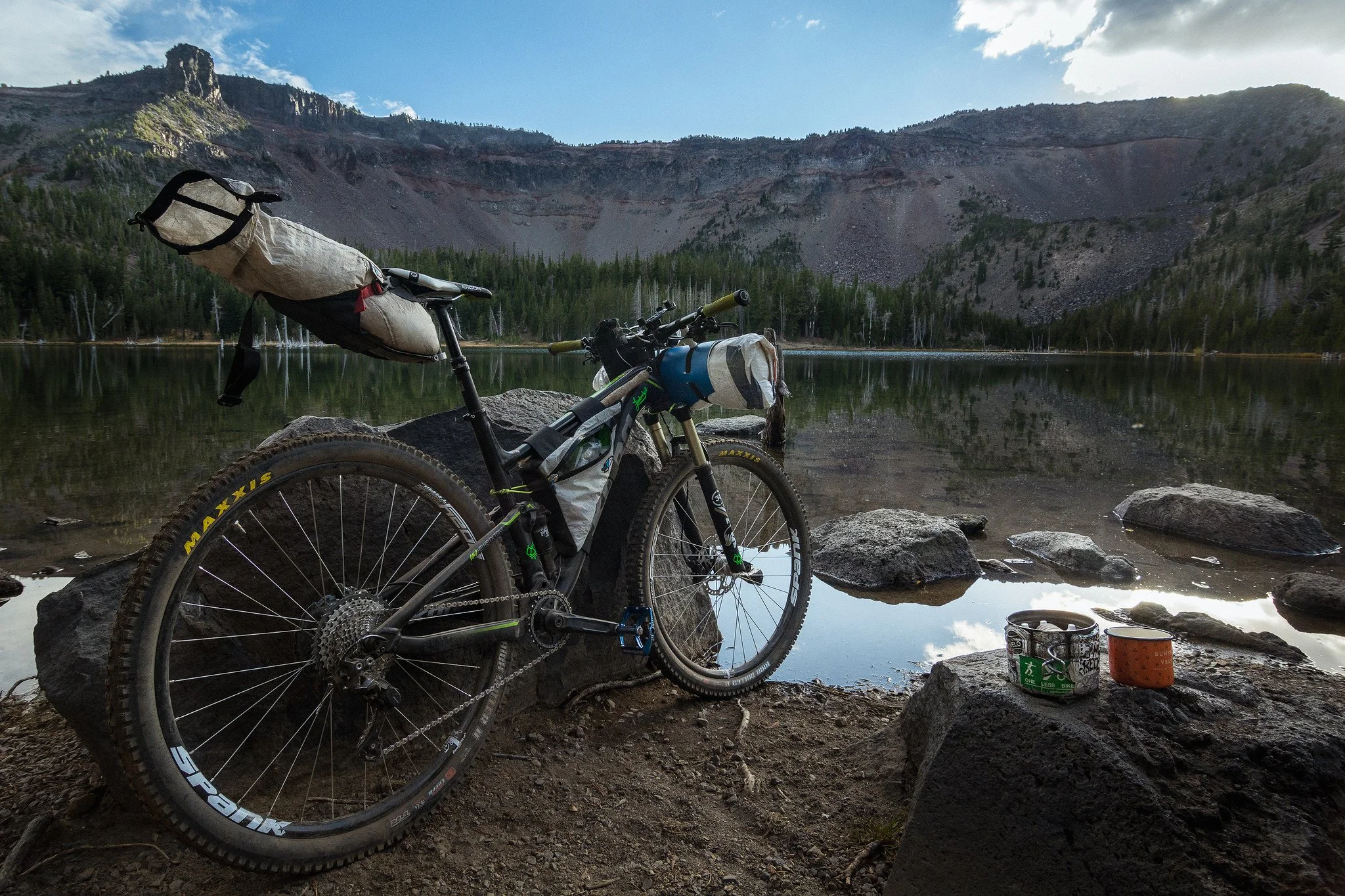
OTTA began with a simple idea: Oregon had world-class terrain but no continuous long-distance mountain bike route.
The original problem wasn’t a lack of trails; it was fragmentation. Incredible singletrack existed, but it wasn’t connected, documented, or stewarded as a unified experience.
The Alliance formed to stitch those pieces together into a cohesive backcountry route and, just as importantly, to create a stewardship structure capable of maintaining something at that scale.
Once the route existed, the real work began, keeping it rideable year after year.
How the Oregon Timber Trail Alliance Is Structured Today
How is your organization structured today in terms of leadership, staff, and volunteers, and how has that evolved over time?
We’ve evolved from a founder-driven startup nonprofit into a working board organization with specialized roles and stronger operational structure.
Over the past couple of years, despite fires, closures, and funding uncertainty, we’ve intentionally built a high-performing board made up of people who bring governance, land management, operations, and community development experience.
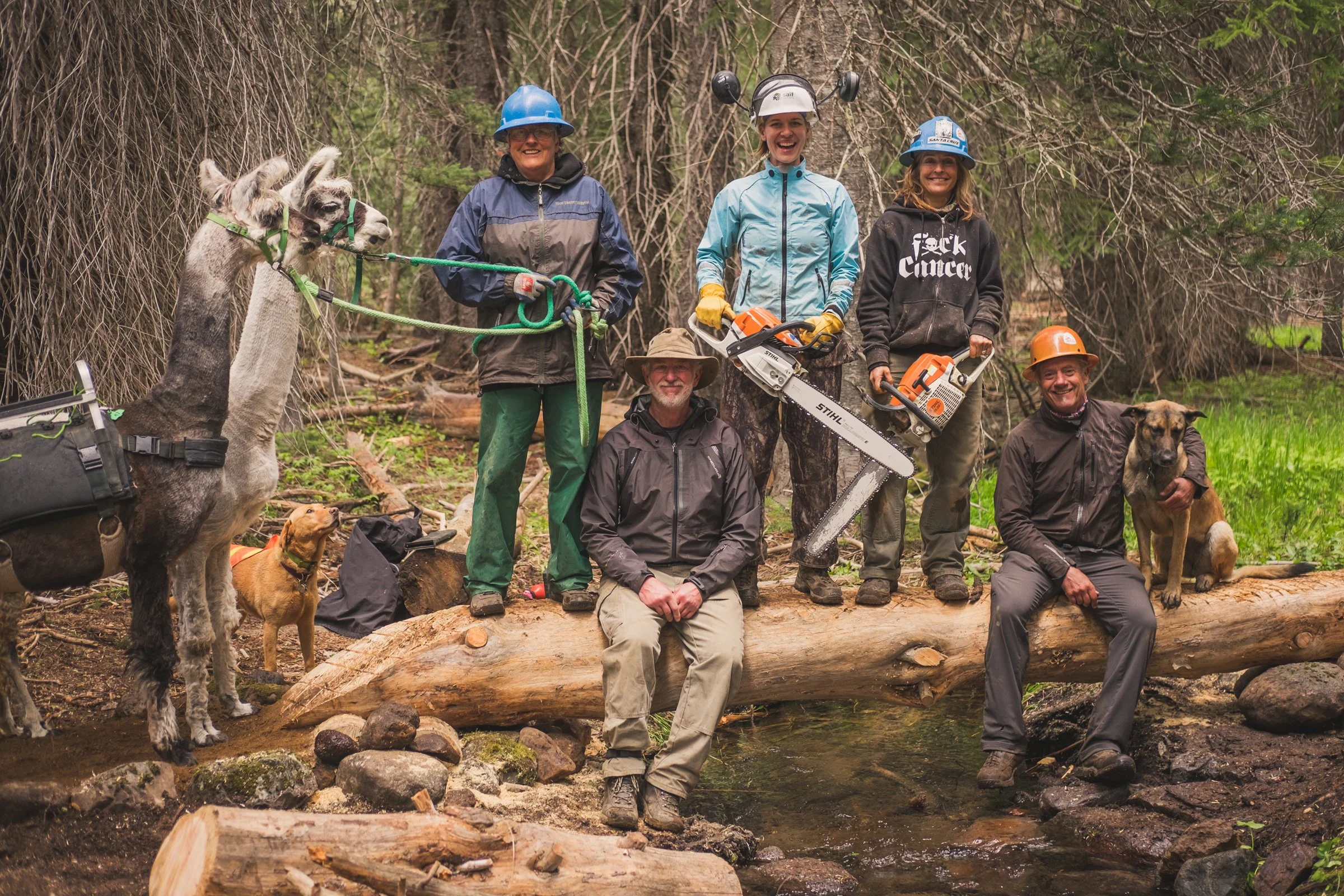
We remain largely volunteer-powered, but much more organized in how we operate. The board now focuses on strategy, partnerships, and sustainability, while project leaders and volunteers execute stewardship work.
That shift has been key to moving from maintaining a trail to managing a system.
What Membership Looks Like in a Volunteer Trail Organization
How many members or active supporters do you currently have, and what does “membership” actually mean in practice for your organization?
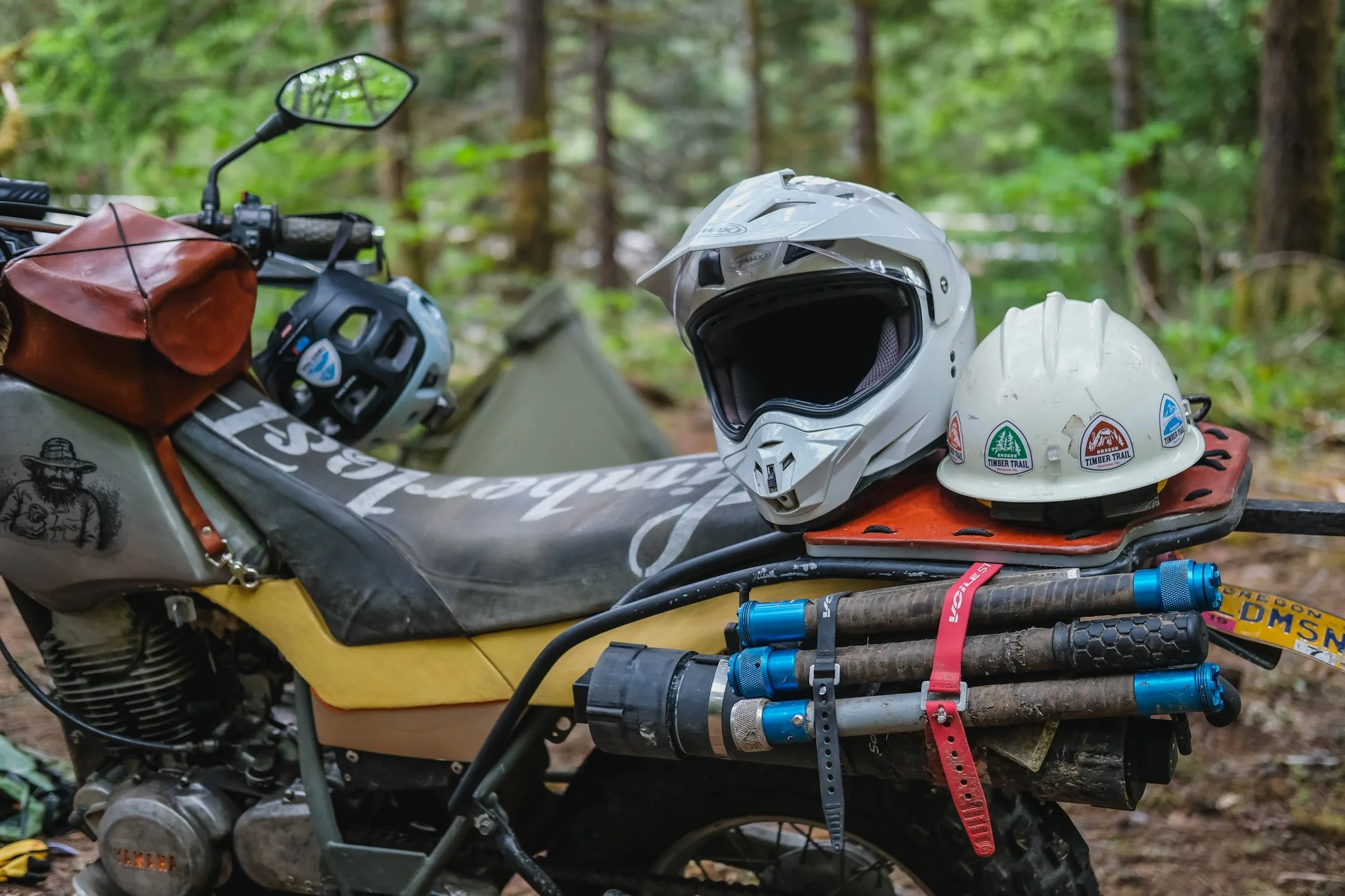
We have a broad base of supporters: riders, volunteers, donors, and local partners, spread across Oregon and well beyond.
Membership for us isn’t just a transaction; it’s participation. Some people donate, some clear trees, some host riders, someadvocate locally.
Because the trail spans rural communities, engagement often looks like showing up with a saw rather than signing up for a newsletter.
In practice, membership means shared responsibility for a long-distance trail that belongs to everyone but depends on individuals.
What Makes the Oregon Timber Trail Alliance Different
What do you think your organization does particularly well, or differently, compared to other trail nonprofits?
Most trail groups focus on a system near a population center.
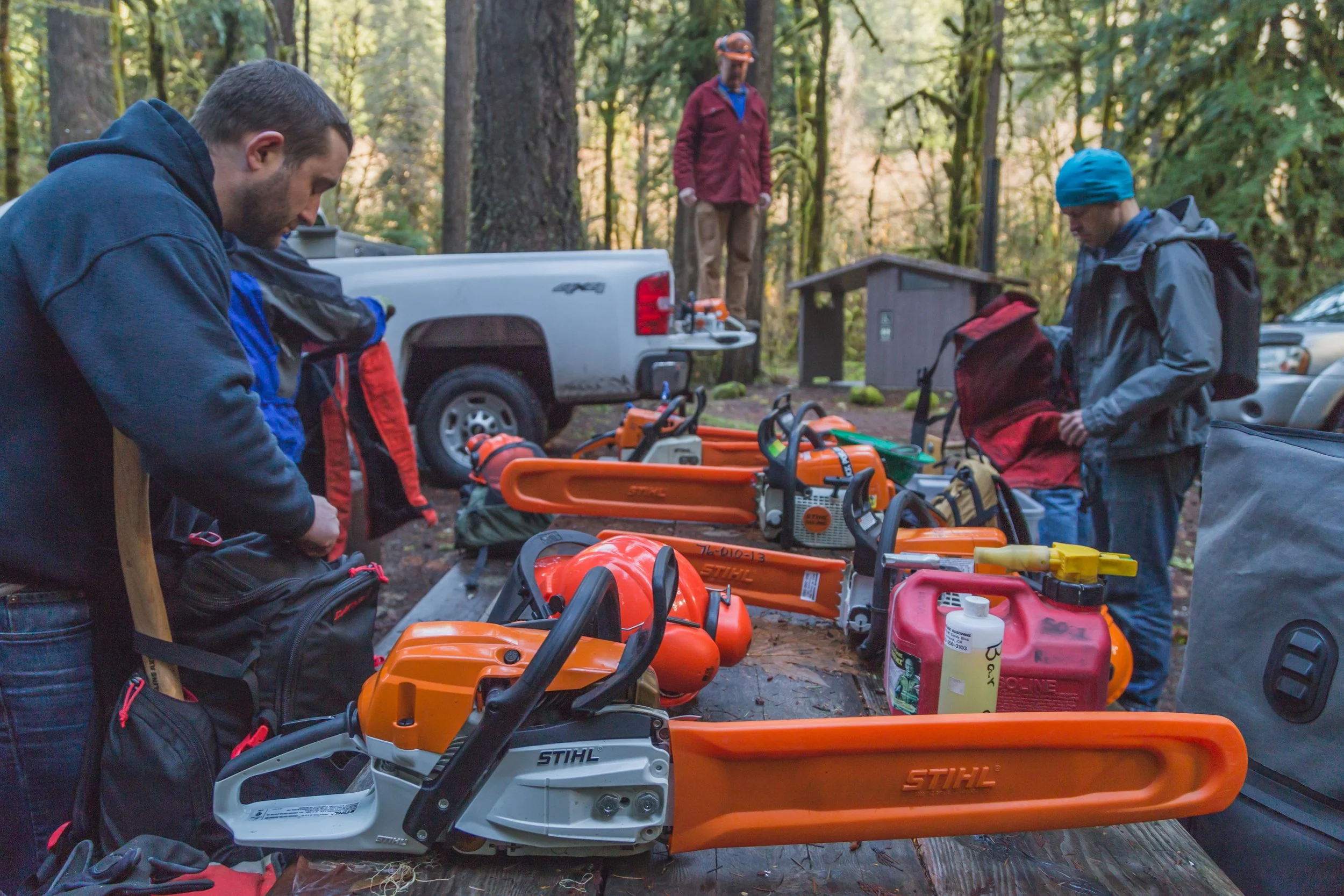
We operate across an entire state and in very remote environments. That forces collaboration with land managers, towns, and other trail organizations, because no single entity can manage a route like this alone.
We also treat the trail as both recreation infrastructure and community infrastructure. The riding experience matters, but so does whether a small town sees riders stop for a meal, a room, or a conversation.
Trail Restoration in the Fremont–Winema National Forest
What trail project or initiative best represents your organization’s impact, and why does it matter to your community?
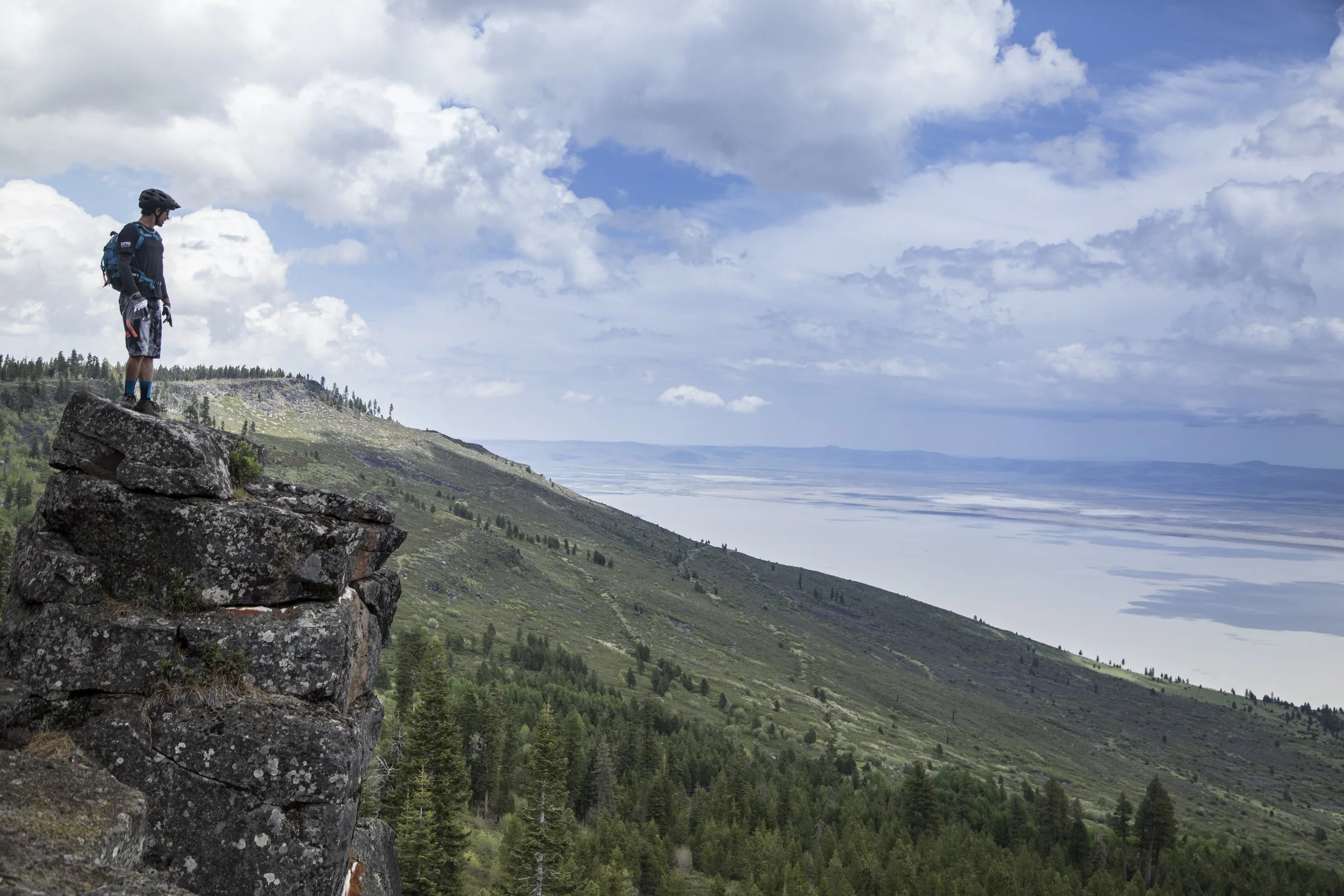
Right now, our work in the Fremont–Winema National Forest best represents who we are becoming.
It’s the most remote and fire-affected portion of the route, and for a while, it was at risk of becoming impassable.
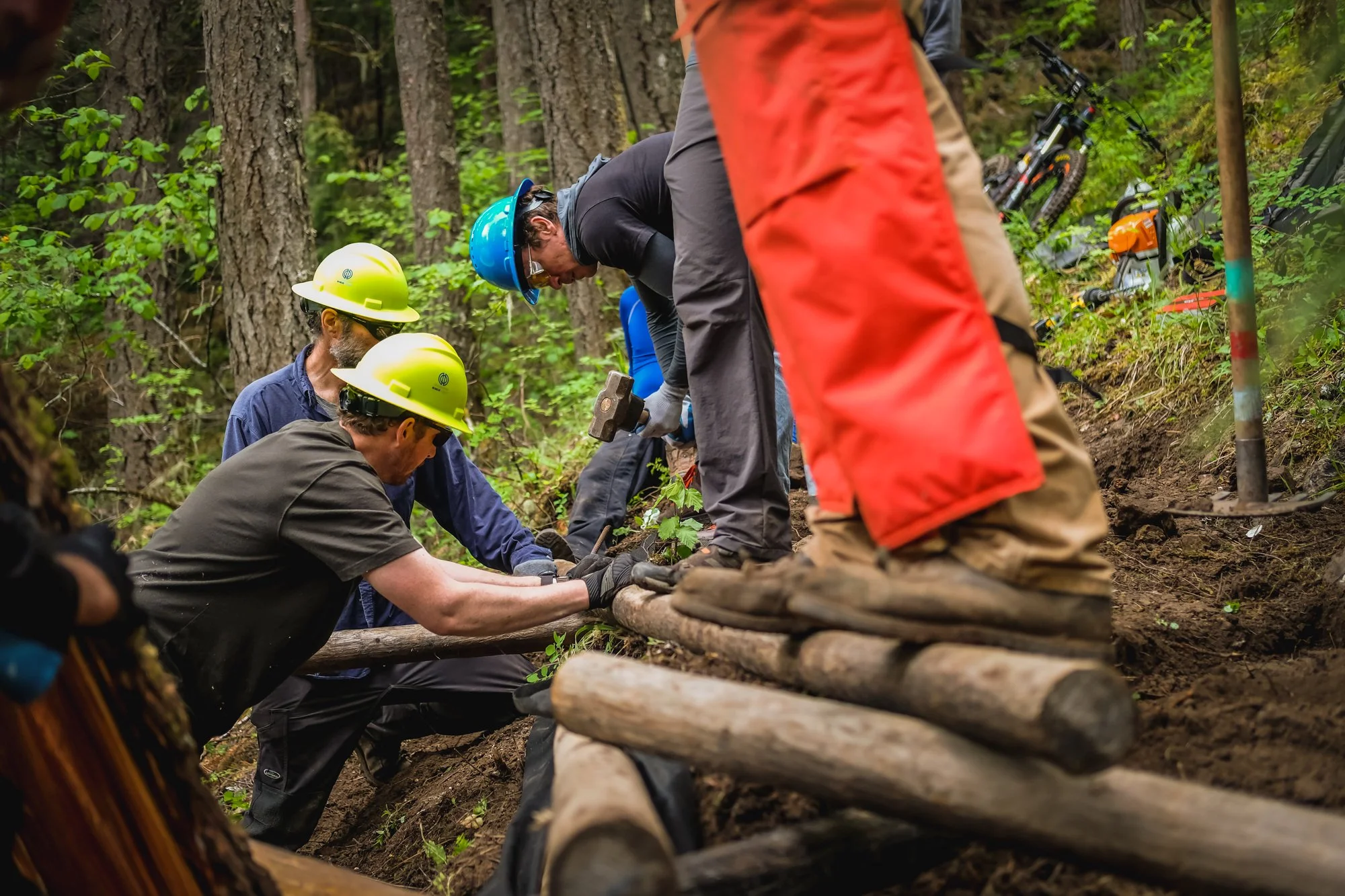
Instead of rerouting around it, we chose restoration. We’re rebuilding access, addressing deferred maintenance, and bringing volunteers back into an area that needs both stewardship and visitation.
That matters because trails in rural regions are tied directly to local economies and identity.
When the trail works, communities benefit.
The Biggest Challenges Facing Long-Distance Trail Stewardship
What are the biggest challenges you face right now?
Environmental impact is the constant one. Wildfire, storm damage, and changing forest conditions mean maintenance is never “done.”
Funding is another. Long-distance backcountry maintenance doesn’t fit neatly into typical grant cycles, and access costs are high.
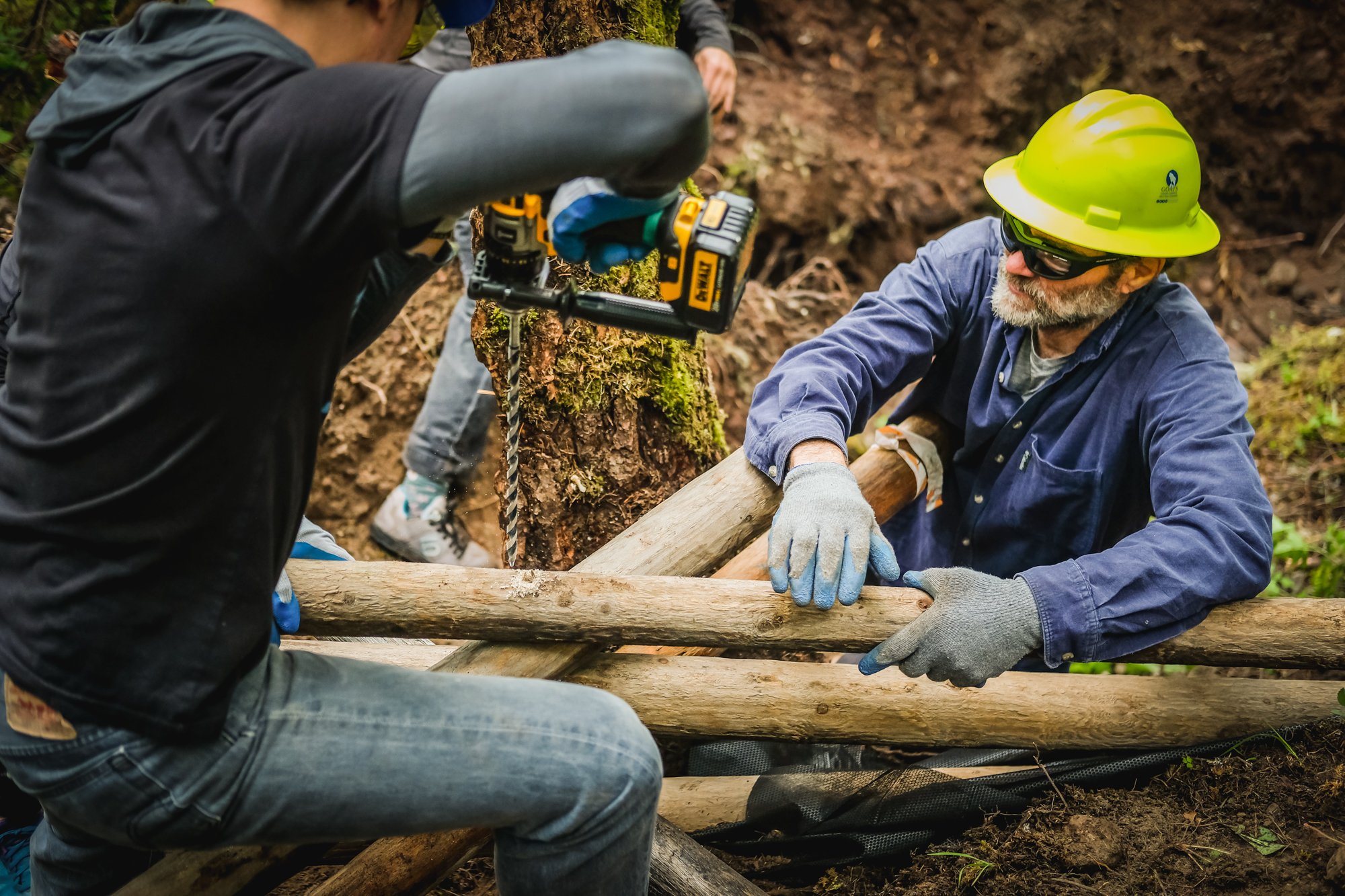
The third challenge is stewardship in remote terrain. Volunteer enthusiasm is strong, but working safely in isolated environments requires training, planning, and coordination with land managers.
A Turning Point for the Oregon Timber Trail Alliance
What has been a defining win for your organization that helped shift momentum or credibility?
Over the past couple of years, we moved from reacting to damage to building a long-term restoration strategy, particularly in the Fremont Tier.
Strengthening our board and aligning closely with the Forest Service gave partners confidence that we could handle projects at a larger scale.
That shift, from passionate advocates to reliable stewards, changed how others engage with us.
The Future of the Oregon Timber Trail
Looking ahead 5 to 10 years, what does success look like for your organization?
On the ground, success means the entire Oregon Timber Trail is sustainably maintained and reliably passable each season, with local communities actively connected to it through events and visitation.
Organizationally, success means a durable stewardship model: stable funding, trained volunteer leaders, and strong partnerships so the trail isn’t dependent on a few individuals but supported by a system that can outlast any one group of leaders.
Lessons for Volunteer-Led Trail Organizations
What is one lesson you’ve learned through your work that other trail nonprofits or volunteer groups around the world could benefit from?
Building a trail is exciting.
Maintaining it is the real commitment.
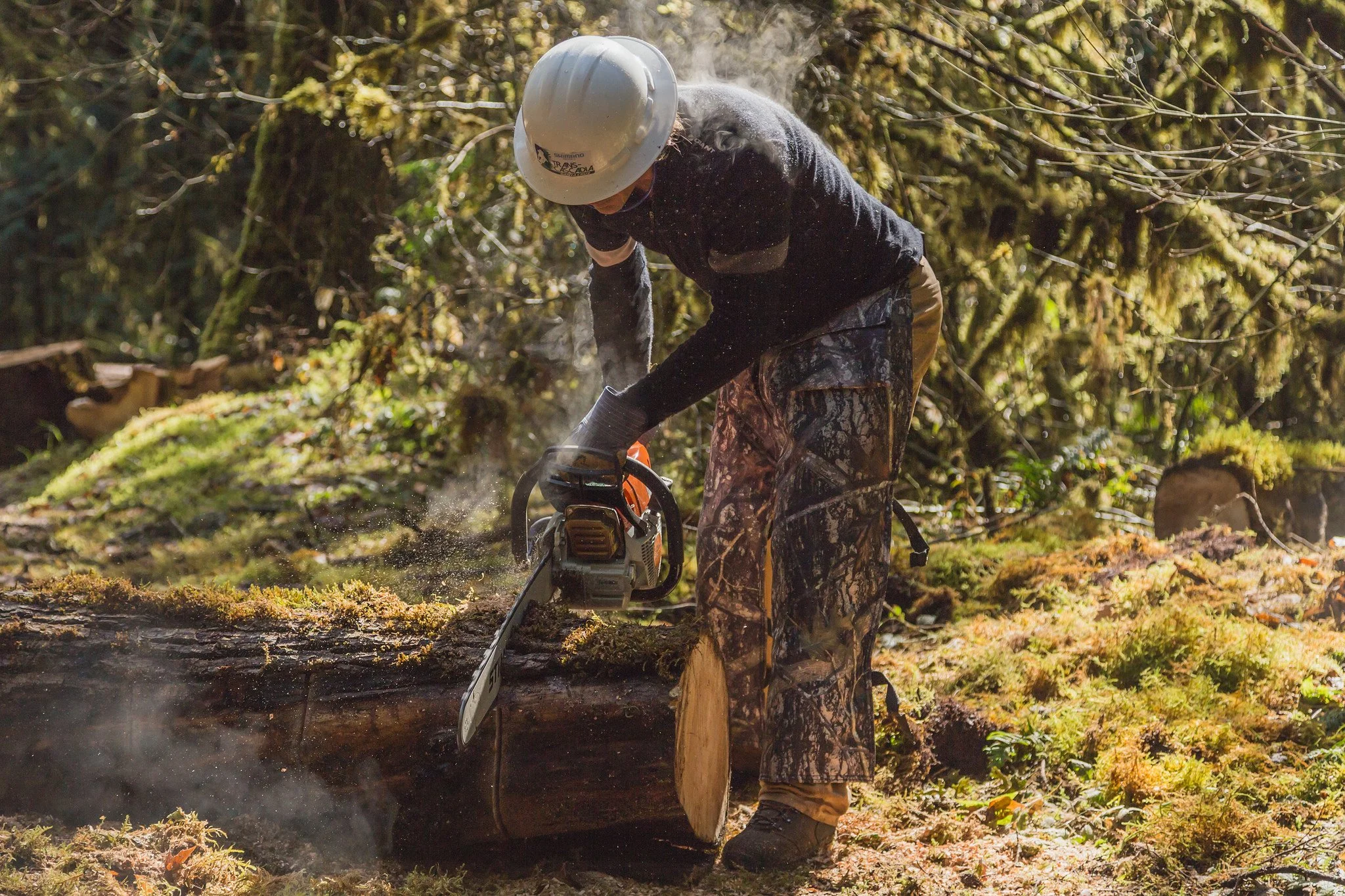
Long-term stewardship requires governance, partnerships, and patience as much as it requires shovels and saws.
The moment you think the project is finished is the moment it actually begins.
Why Volunteer Trail Organizations Matter
One theme runs through nearly every volunteer-led trail organization: the work never really ends.
A trail can be built in a season. Stewardship lasts decades.
Wildfire, storms, funding gaps, changing land management priorities, and simple wear and tear mean that trails require constant care. For organizations like the Oregon Timber Trail Alliance, that care happens across hundreds of miles of remote terrain, often far from the places where most riders live.
And yet, volunteers continue to show up.
They clear fallen trees. Rebuild damaged tread. Coordinate with land managers. Recruit new volunteers. Raise the funds needed to keep the work moving forward.
The Oregon Timber Trail itself is an impressive achievement. But what may matter even more is the stewardship culture that has grown around it.
A network of people who believe the trail is worth protecting and maintaining for the long haul.
Because behind every trail system, somewhere, there is a group of volunteers doing the quiet work that makes the ride possible.
Editor’s note: I am a current volunteer board member of the Oregon Timber Trail Alliance.
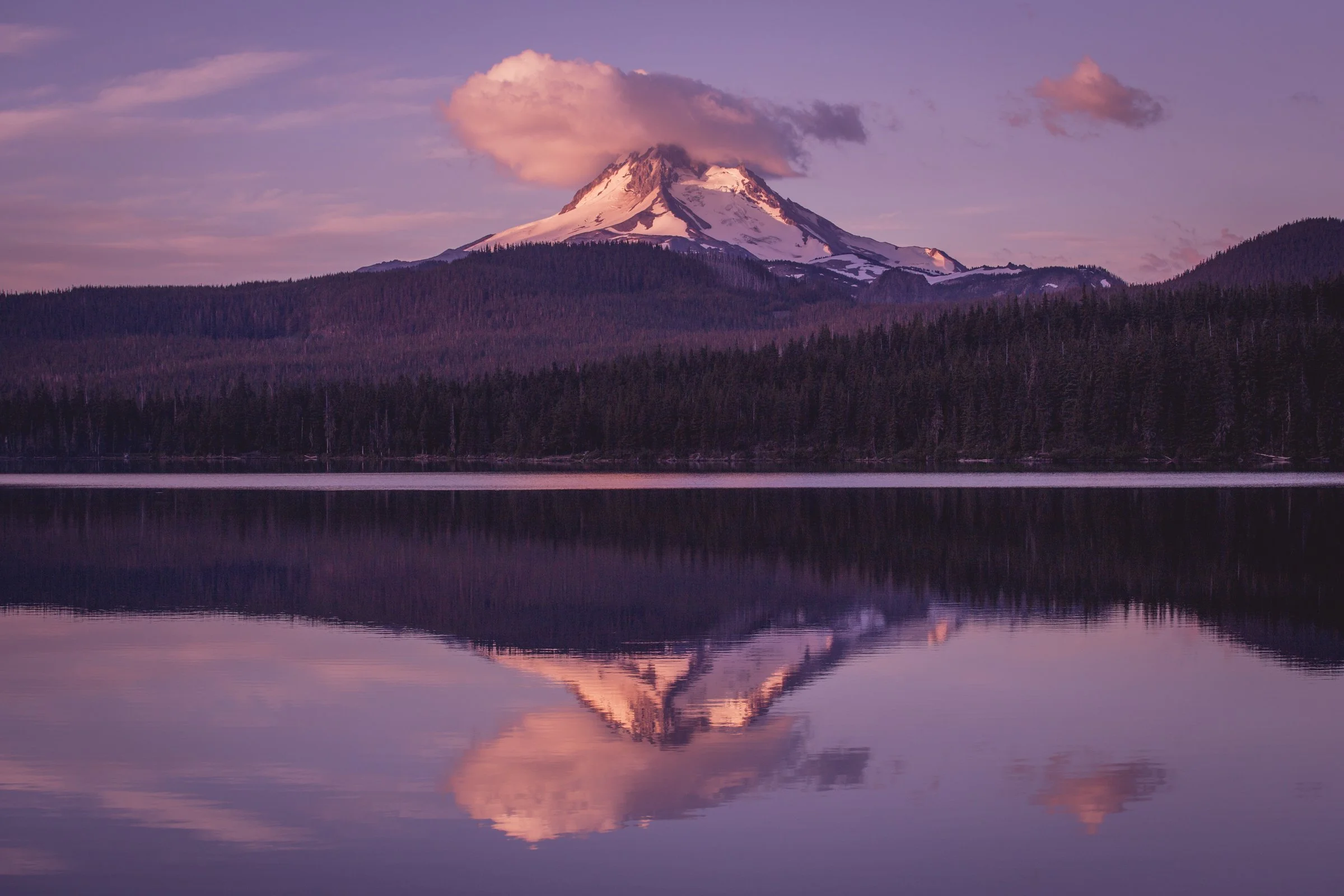
Photo credit: Gabe Tiller

Sean is the Founder and Editor-in-Chief of Trail Builder Mag, a digital media instructor, and the Communications Director for the Northwest Trail Alliance in Portland, Oregon. Email: sean@trailbuildermag.com