
Can Rural Communities Build a Trail-Based Economy?
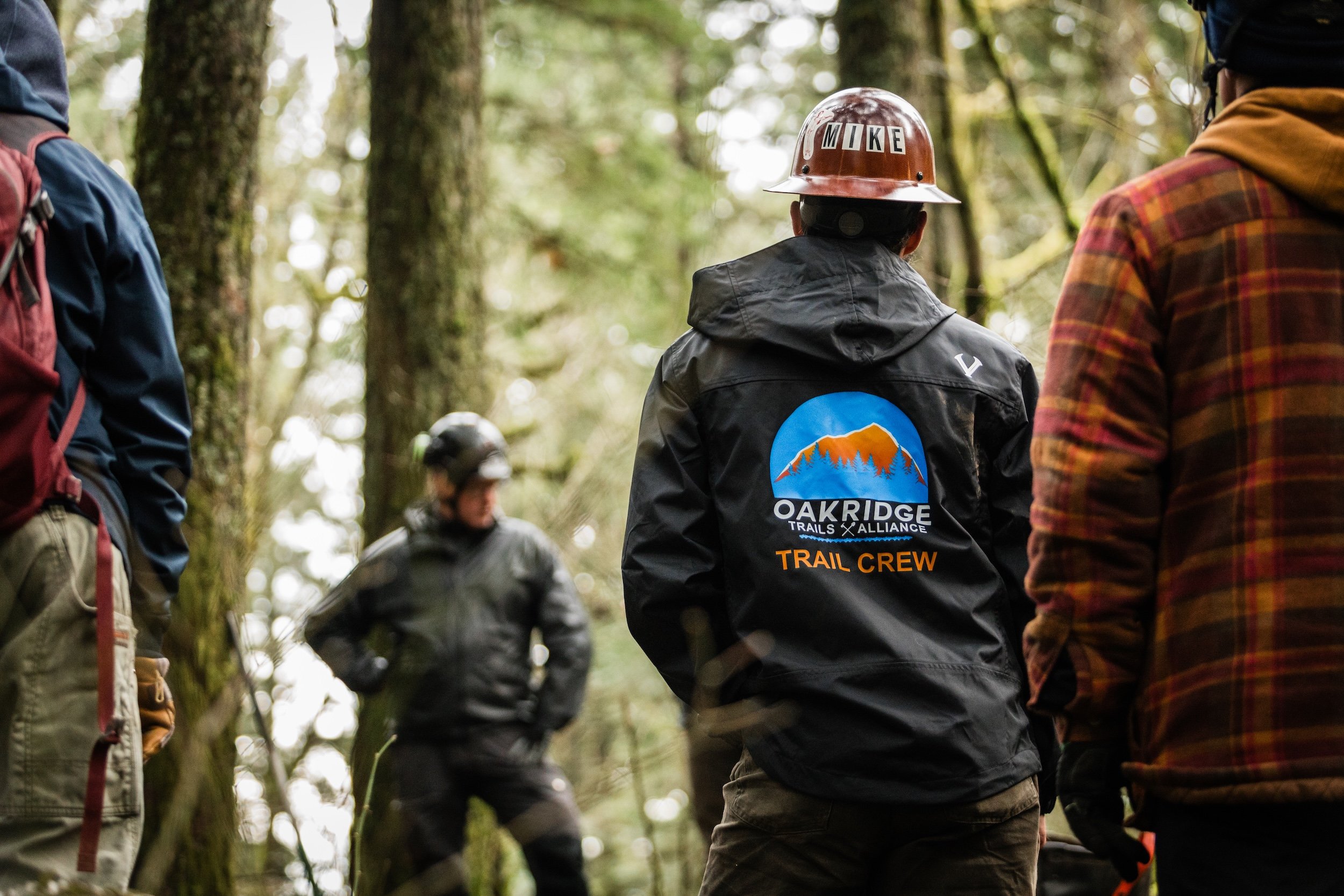
Every time we cut a new trail through the woods, not only are we changing the landscape, but we’re also changing the future of the communities that surround it.
Most of us don’t show up to a dig day thinking about hotel occupancy rates, tax revenue, or rural economic development. We’re thinking about drainage, sightlines, sustainable grades, rockwork, and building the best trail we can. And that’s exactly how it should be.
But whether we intend it or not, every trail eventually becomes part of a community’s story. In some places, it even becomes part of its economy.
That idea has fascinated me for years.
How the Oregon Timber Trail Alliance Maintains One of America’s Longest Mountain Bike Routes
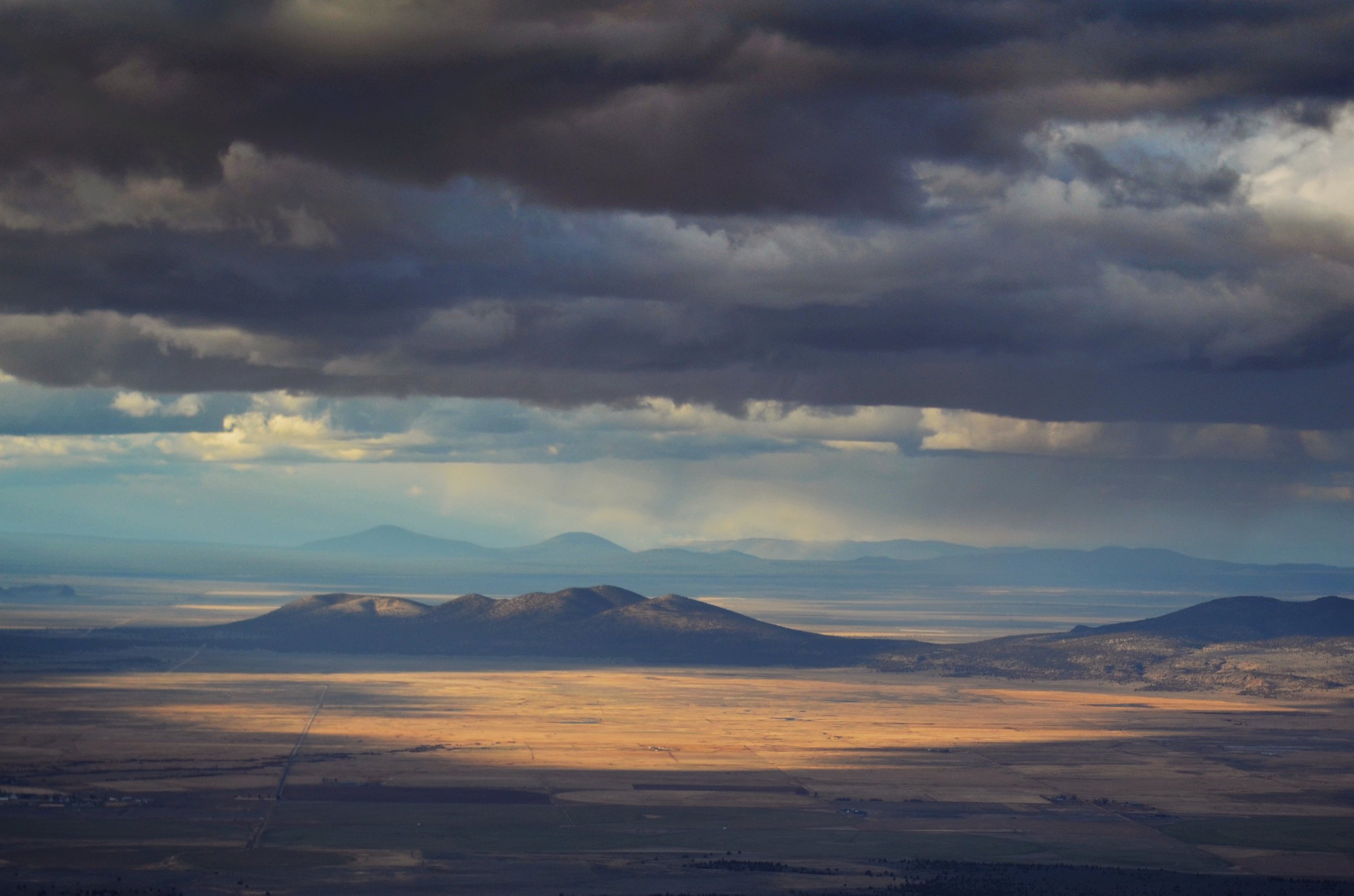
Our first conversation is with Steve Brook, President of the Oregon Timber Trail Alliance (OTTA). The nonprofit stewards the Oregon Timber Trail, a roughly 700-mile backcountry mountain bike route that runs the length of the state. Unlike most trail systems, this isn’t a network near a single town or trailhead. It’s a corridor stretching from the California border to the Columbia River Gorge, crossing multiple forests, ecosystems, and rural communities along the way.
