The Comprehensive Story of ITRS Through Its Architects: A Deep Dive with Mischa Crumbach and Edoardo Melchiori
A blue trail in one mountain bike destination can feel suspiciously like a black trail somewhere else.
For experienced riders, figuring out those differences may simply be part of visiting somewhere new. But inconsistent trail ratings create a larger challenge for riders, trail builders, land managers, and destinations trying to communicate what someone should expect before dropping into a trail.
What if there were a common language?
That is the problem Mischa Crumbach and Edoardo Melchiori are attempting to address through the International Trail Rating System, or ITRS.
Rather than relying entirely on the conventions of an individual trail system or region, ITRS uses objective criteria to create more consistent ratings while accounting for four distinct aspects of a trail: technical difficulty, endurance, exposure, and wilderness.
The project began when Crumbach and Melchiori discovered they were independently working on similar problems. Since then, ITRS has grown into something considerably larger, encompassing trail assessments, an app, professional training, destination certification, and an effort to build a global community around more consistent trail ratings.
Trail Builder Magazine spoke with Crumbach and Melchiori about where ITRS came from, what they have learned while developing it, and whether mountain biking can really create a trail rating system that means the same thing around the world.
How the International Trail Rating System Began
Sean: Welcome, Mischa and Edoardo. Let’s start at the beginning. How did the idea for ITRS come about?
Mischa: In 2020, we were both working independently on separate projects related to MTB trail rating systems and signage. I was leading a project to unify trail ratings in Switzerland. This project was initiated by Swiss Bike Park in Oberried, Switzerland, and funded by Innotour, the funding instrument of the Swiss State Secretariat for Economic Affairs, SECO.
Edoardo had started researching the topic in his role as an IMBA Europe board member some time before. When organizing an online workshop with experts on the topic, I learned about Edoardo’s work.
Our joint story kicked off during this workshop since we quickly realized that, by joining forces, we could address the challenges in a more comprehensive way. That collaboration was the seed that eventually grew into ITRS.
Building ITRS Around Safety, Quality, and Adventure
Sean: What are the core values that guide ITRS, and how have you engaged the community in its development?
Edoardo: From the outset, our goals were clear: enhance safety for bikers, improve the attractiveness and quality of biking destinations, and maintain the adventure that makes mountain biking so special.
We’ve been fortunate to have the support of IMBA Europe, which perfectly aligns with our mission. The biking community’s feedback has been invaluable, for example, through the numerous responses to a survey we ran in 2020. That feedback helped shape ITRS into a tool that truly reflects the needs and desires of riders and trail builders alike.
How ITRS Accounts for Weather, Erosion, and Changing Trails
Sean: The unpredictability of nature must pose significant challenges. How does ITRS address these?
Mischa: Absolutely. Factors like weather and erosion can drastically change trail conditions. We tackled this on two levels.
First, for the technical difficulty rating, one key principle of ITRS is that it does not depend on the weather but is defined by objective criteria. Bikers still have to draw their own conclusions about what it will be like to ride a trail with a certain difficulty rating when it’s wet compared to when it’s dry.
Secondly, erosion can actually affect the rating criteria of ITRS. A trail would either have to be restored, or the rating would have to be changed, most likely to a higher level.
To manage this, we developed a certificate for destinations through which they can show that they keep trail ratings up to date and trails in well-maintained condition.
Testing ITRS at Lake Garda
Sean: Can you share the impact of ITRS so far, particularly from the pilot project at Lake Garda?
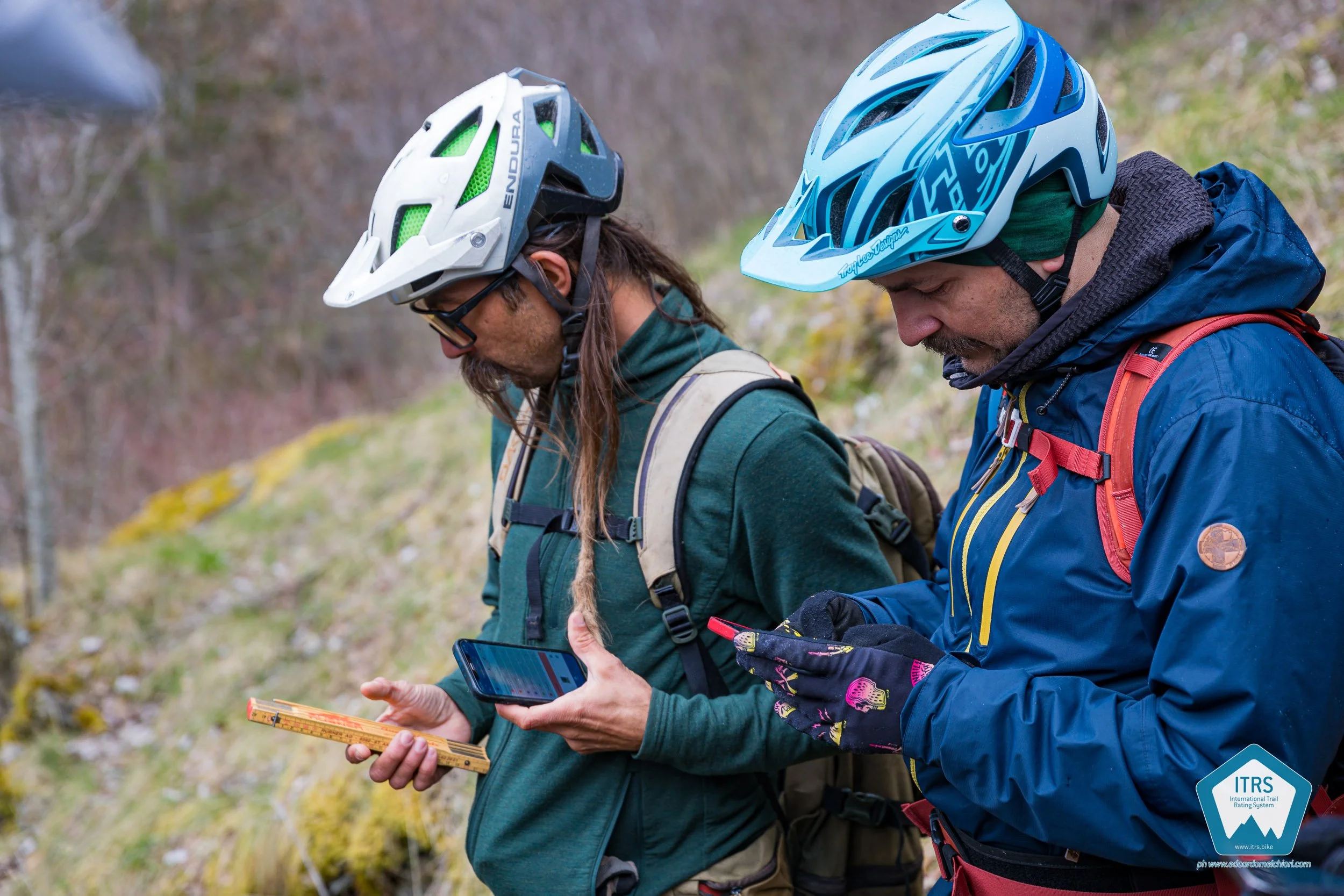
Edoardo: The feedback from Lake Garda has been incredibly affirming. A survey showed that bikers were happy with ITRS as a system. It’s evidence that when riders have better information, their enjoyment and confidence on the trails significantly increase.
How Mountain Bikers Helped Shape the Rating System
Sean: How has the community’s involvement shaped the development of ITRS? Can you share an example of feedback that led to a significant change or improvement?
Mischa: The main principles of ITRS were set after the survey we conducted in 2020, such as the number of levels for technical difficulty and the division into four separate rating aspects: technical difficulty, endurance, exposure, and wilderness.
Since then, numerous improvements have been implemented, and this evolution is ongoing. One example came out of the user survey at Lake Garda. Subsequently, we clarified that the endurance rating is based on non-e-bikes.
The Challenge of Creating Consistent Trail Ratings
Sean: What was one of the most unexpected challenges you faced in the development of ITRS, and how did you overcome it?
Edoardo: We soon realized that creating a framework to assess a trail was, by itself, not sufficient to make a change. A uniform application of ITRS by various users all over the world turned out to be an even bigger challenge.
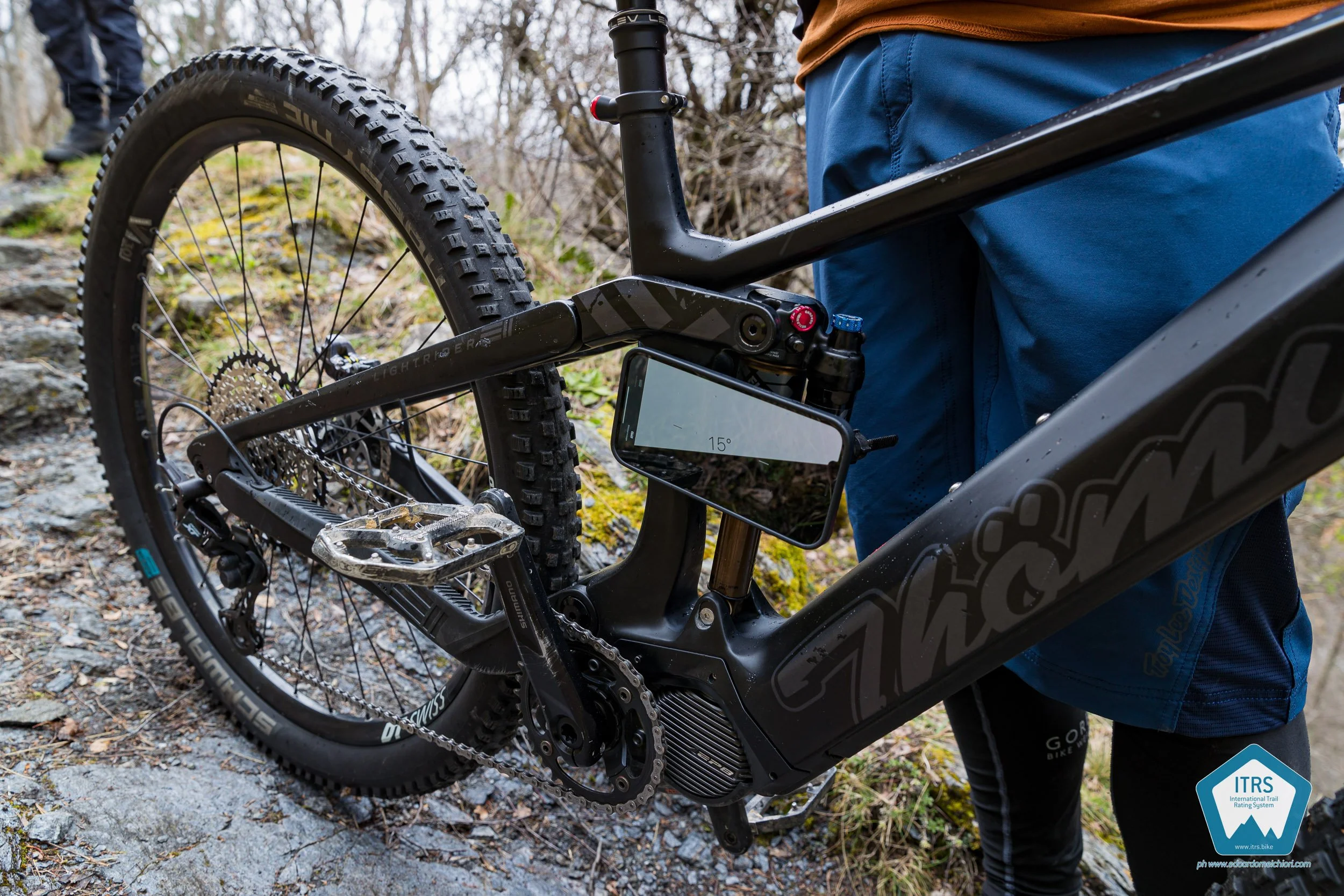
On top of that, the amount of data that needs to be collected for the rating is huge, and we had to develop an efficient and consistent rating process.
That’s where we started thinking about developing a dedicated trail rating app.
In addition, we developed a complete ecosystem around ITRS, including training for different roles in the system and certificates that destinations can apply for. We are building a community of certified ITRS professionals who share our goals and who can commercially offer their ITRS-related services.
How the ITRS Trail Rating App Works
Sean: How has the trail rating app transformed the way trails are assessed and rated, and what feedback have you received from users?
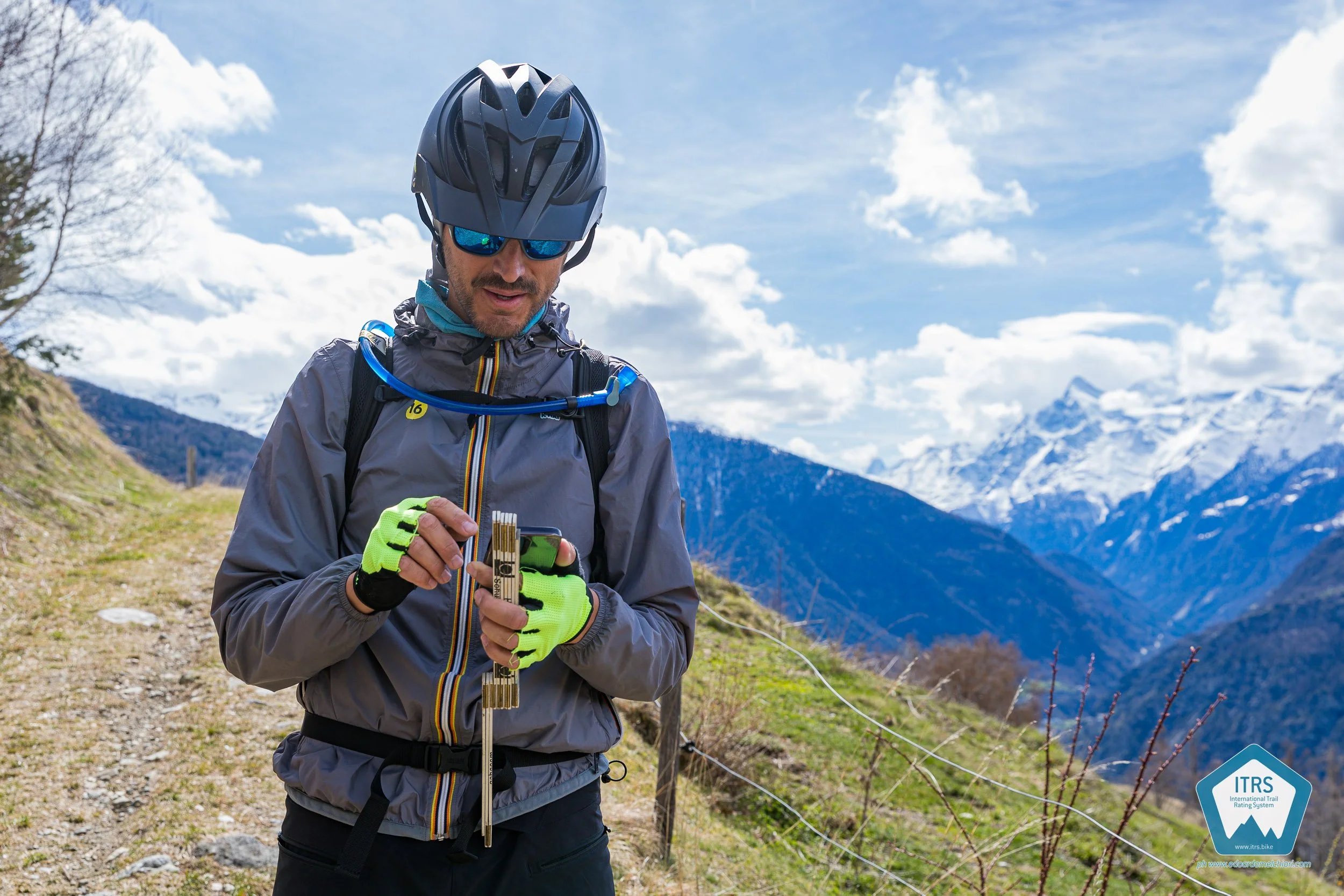
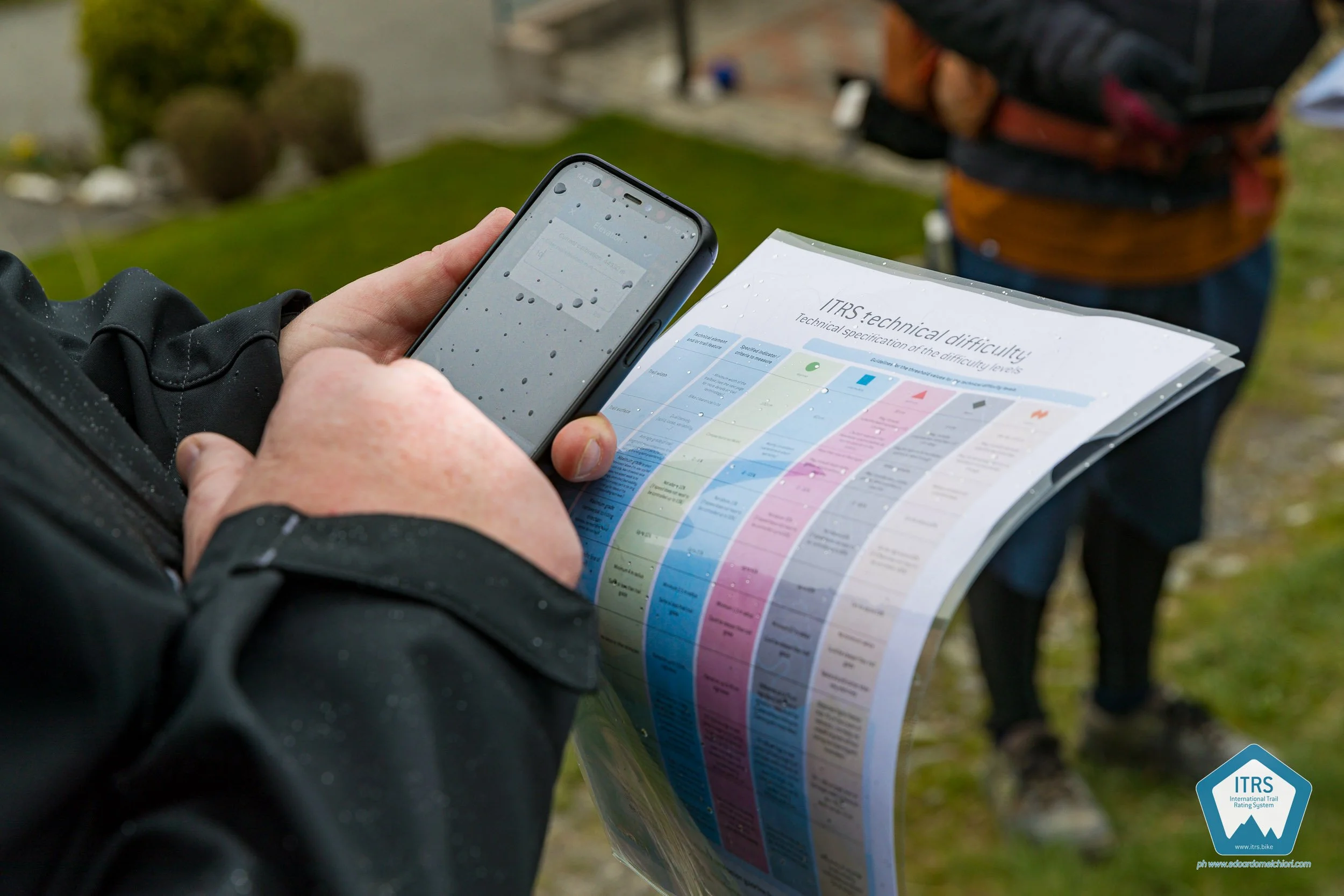
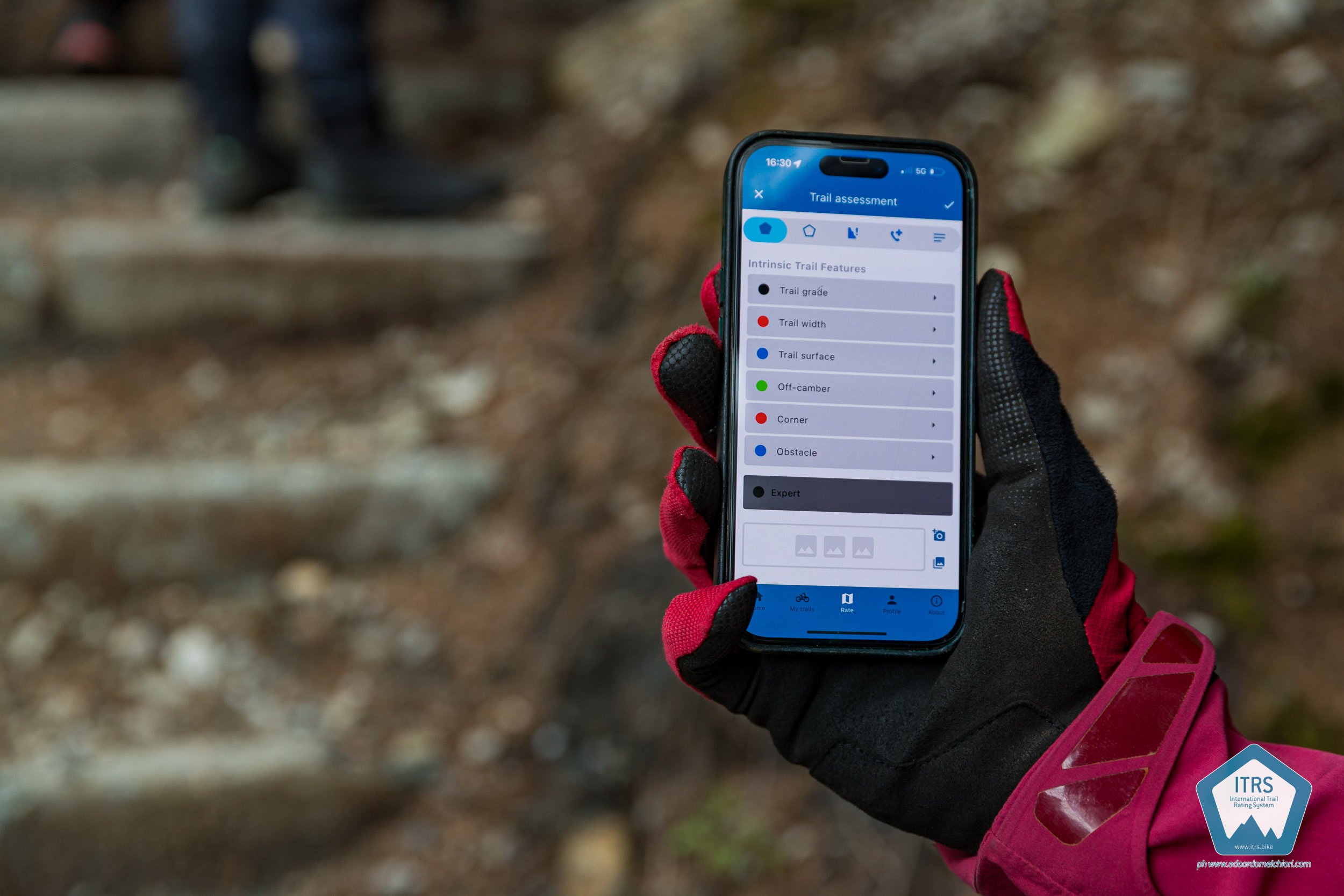
Mischa: The ITRS Trail Rating App is a game-changer in our field. It standardizes the trail assessment process, making it easier for trail raters to collect and analyze data consistently.
The app includes features like track and altitude logging through satellite and barometer data and detailed parameter inputs for the rating criteria, which ensure that every aspect of a trail is considered.
On top of that, the app serves as documentation of the work of the trail raters, which can become important in case of liability issues.
Feedback from users has been overwhelmingly positive, highlighting the app’s ease of use and its ability to produce reliable, consistent ratings across different users, regions, and conditions.
I’d like to quote two of the first professional users of the app who took part in our inaugural CTR, Certified Trail Rater, training in April this year:
“With the ITRS app and after only two days of training, the other participants achieved the same level of trail rating confidence that took me 2-3 years to develop.” - Christopher Riis, DGI Denmark & OnTrail Manager
“The ITRS and the ITRS app are at the core of our industry.” - Mark McClure, Trail Builder & DIRTT Tutor
Could ITRS Make Mountain Biking More Accessible?
Sean: Edoardo, where do you see the sport of mountain biking heading in the next decade, and what role will ITRS play in that future?
Edoardo: I believe mountain biking will continue to grow, becoming more inclusive and accessible. ITRS will play a crucial role in this evolution by providing a standardized, global system for trail rating, enhancing safety and fun on the trail.
We especially hope that ITRS contributes to increasing the inclusiveness of mountain biking by lowering the entry barrier and encouraging more people to explore the sport who, until now, may have been less confident to do so.
Can a Trail Rating Really Mean the Same Thing Everywhere?
Sean: As ITRS expands globally, how do you plan to tackle the challenge of localizing the system for different regions and trail conditions?
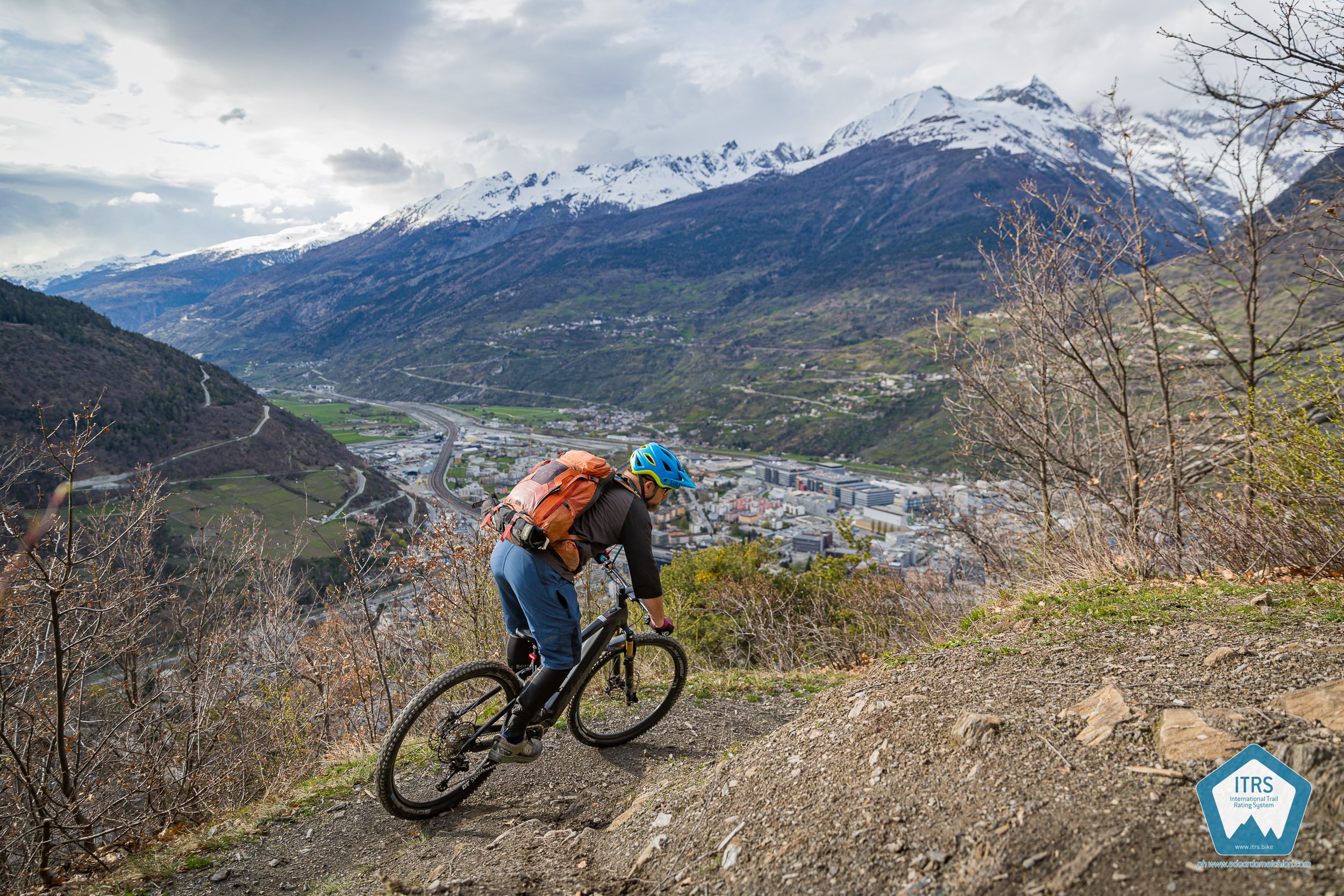
Mischa: By being based on objective criteria, the ITRS rating does not depend on regions or different trail characteristics.
It is possible, for example, to find trails that have the technical difficulty level Expert/Black in the Netherlands. One does not need alpine terrain or steep slopes for that level.
To achieve the goal of global consistency and reliability for bikers, an Intermediate/Red trail has to be of the same difficulty everywhere. Imagine bikers having to learn that Red trails in Finland are less technical compared to France. Then we would again have the situation that we have now.
But in contrast to the ratings, signage is very dependent on regions and destinations. Legislation on signage varies strongly across countries and regions, and on top of that, each bike park may want to give its signs an individual touch.
For this reason, ITRS does not prescribe if and how trails have to be signed. We provide standardized ITRS symbols and give recommendations and guidelines. With those, signage can be adapted to local requirements, and we can support these adaptations.
Over time, we will collect and share best-practice examples for different situations.
The Long-Term Vision for a Global Mountain Bike Trail Standard
Sean: Edoardo, looking beyond the immediate future, what is your long-term vision for ITRS and its impact on the global mountain biking community?
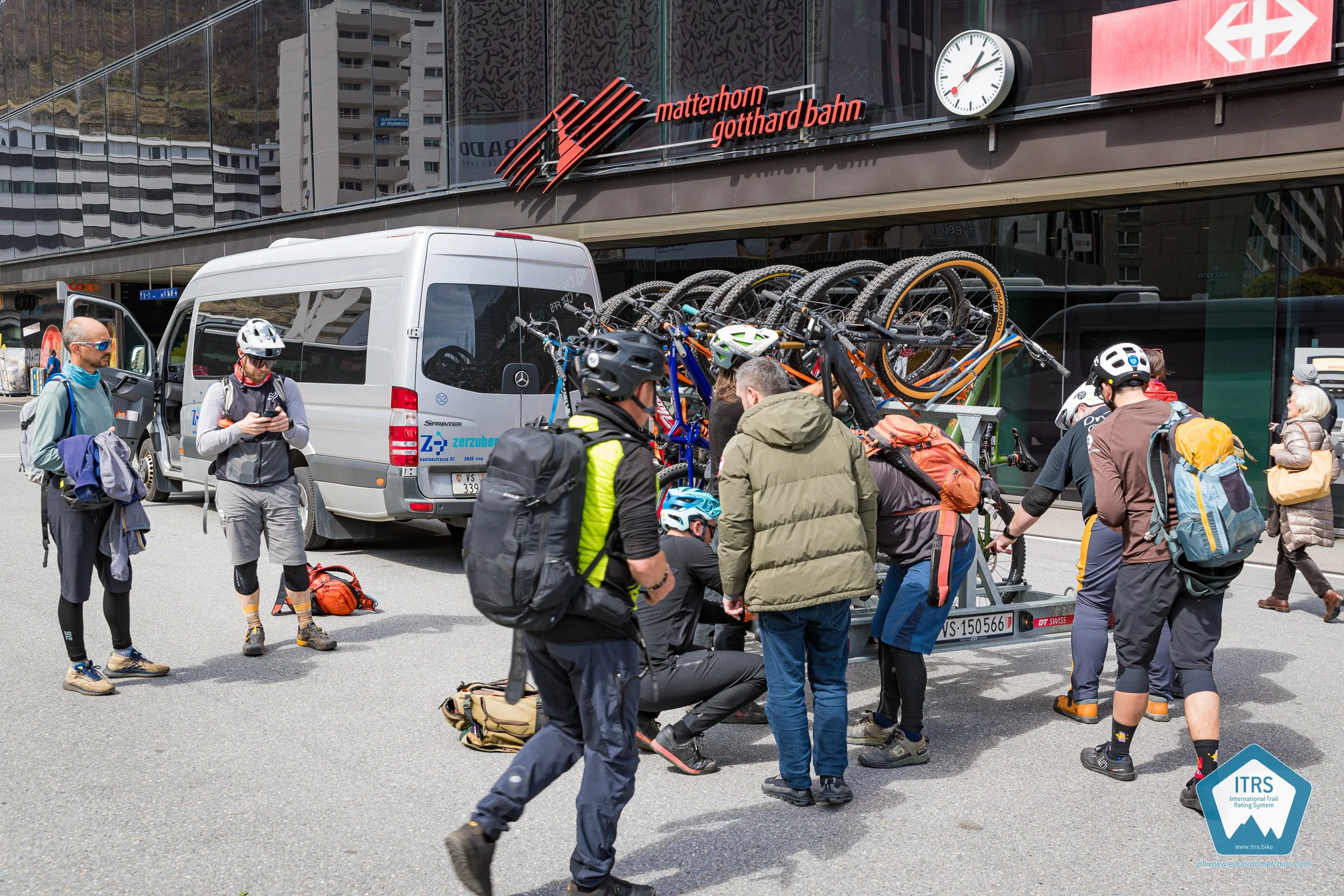
Edoardo: Our long-term vision is for ITRS to become the global standard for trail rating, fostering a safer, more connected mountain biking community.
We envision a future where anyone, anywhere, can access reliable trail information, encouraging exploration while respecting nature and other trail users.
Training the Next Generation of Certified Trail Raters
Sean: What role does Certified Trail Rater training play in making ITRS consistent across different regions and trail systems?
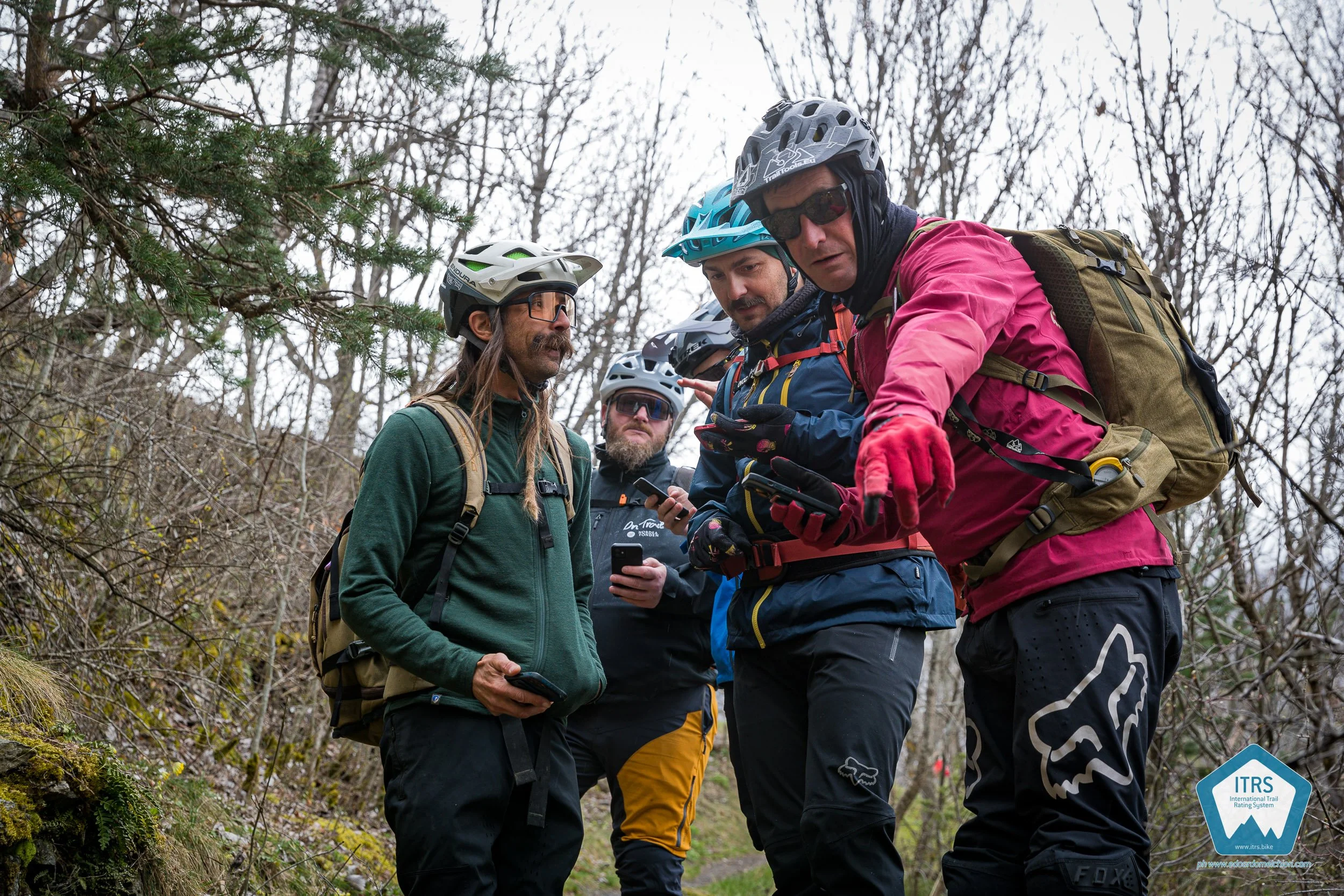
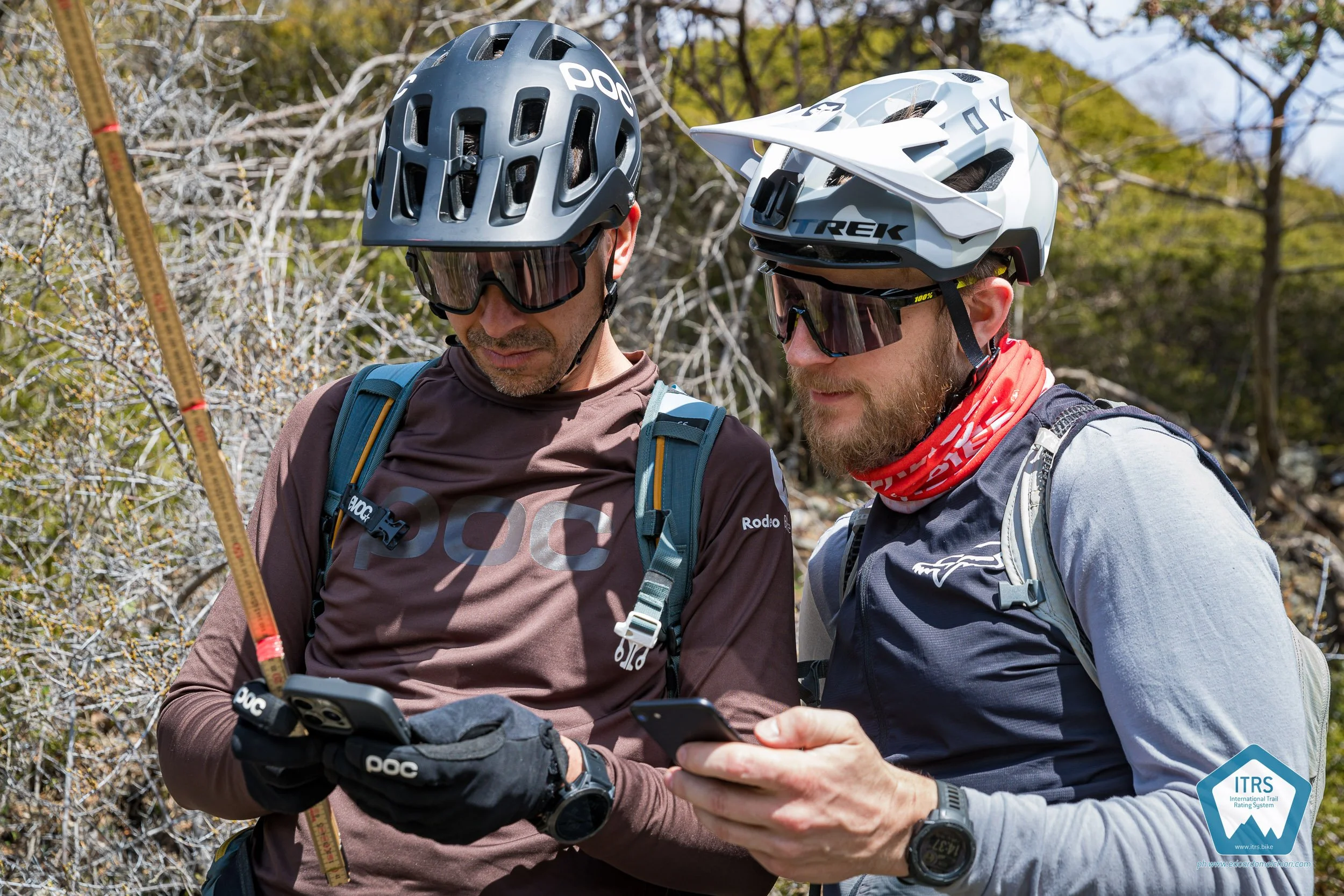
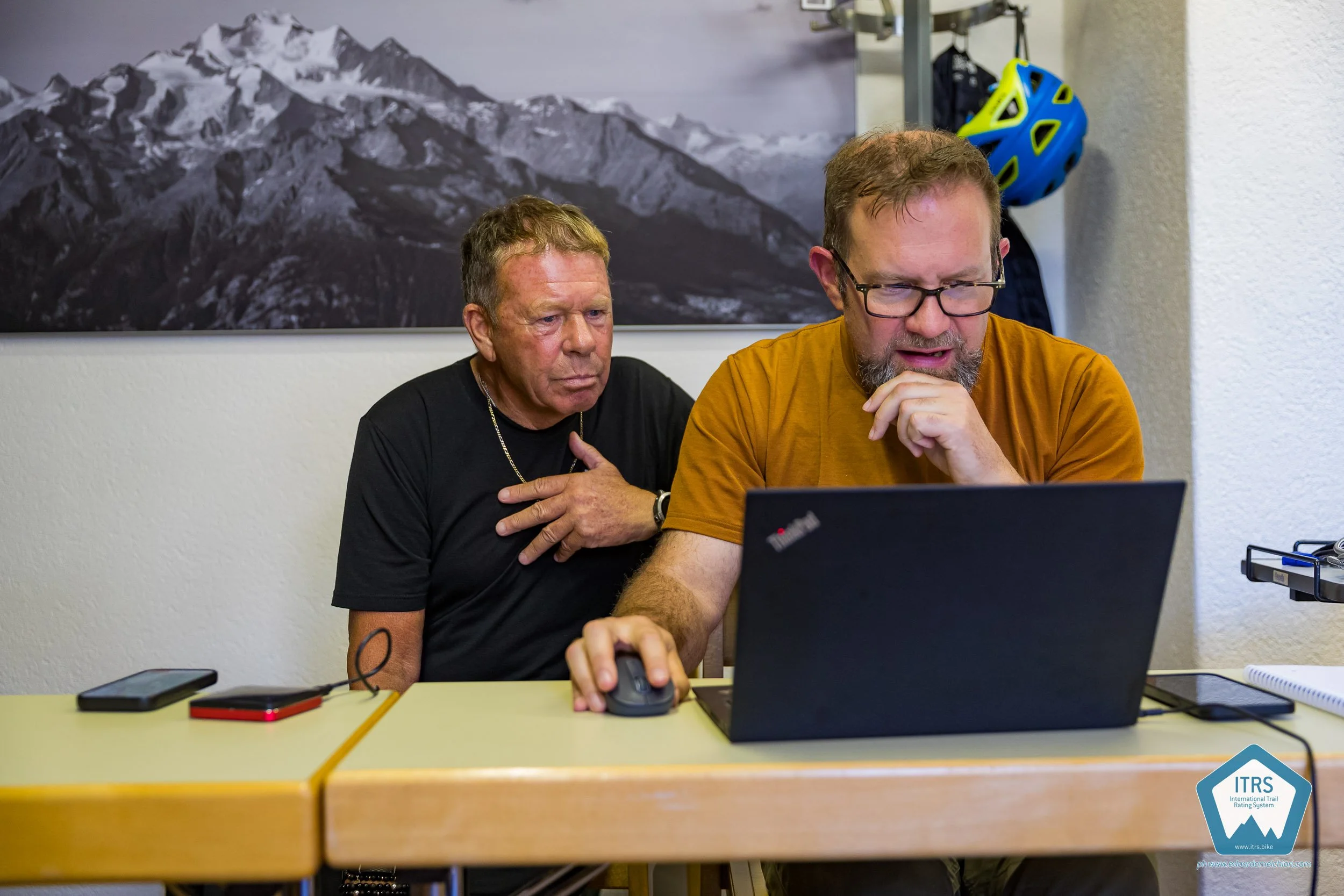
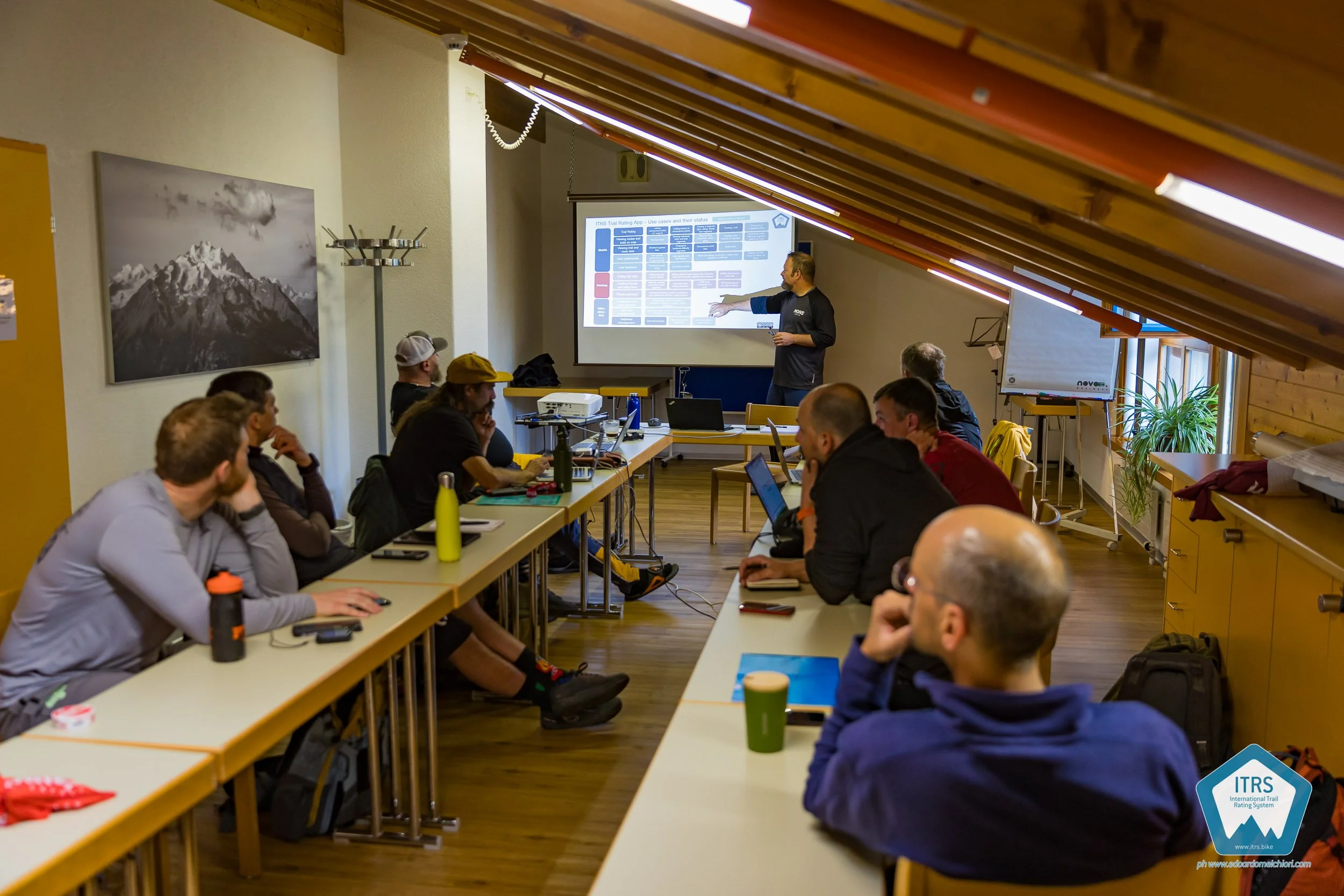
Mischa: Certified Trail Rater training is an important part of ensuring that ITRS is applied consistently. The training brings together participants who want to develop a deeper understanding of trail rating principles and learn how to apply the ITRS methodology in the field.
The program combines theoretical instruction with hands-on trail assessments using the ITRS Trail Rating App. Participants learn how to evaluate trails using the system’s criteria, collect the necessary data, and apply ratings consistently and accurately.
A particularly important part of the training is putting that knowledge into practice. Participants assess complete routes and compare their ratings against established references. This helps demonstrate that different trail raters can reach consistent results when using the same methodology and tools.
Ultimately, the goal is to build a growing community of Certified Trail Raters who can help maintain reliable trail rating standards across different destinations, regions, and countries.
Expanding ITRS Beyond Mountain Biking
Sean: Finally, are there any future collaborations or partnerships in the pipeline that you’re particularly excited about?
Edoardo: We’re in talks with several stakeholders, land managers, and biking associations in various countries to integrate ITRS into their trail systems.
And we are receiving interest from the hiking scene as well.
These partnerships are incredibly exciting as they’ll significantly expand the reach and impact of ITRS, bringing it to new audiences around the world.
Creating a Common Language for Mountain Bike Trails
The challenge ITRS is attempting to solve sounds simple: give riders better information about the trail ahead.
Doing that consistently across countries, landscapes, trail systems, and organizations is considerably more complicated.
As Crumbach and Melchiori discovered, creating the criteria was only part of the challenge. Those criteria also have to be applied consistently, kept current as trails change, communicated clearly to riders, and understood by the people responsible for assessing and managing those trails.
That is what makes the evolution of ITRS particularly interesting for trail builders and land managers.
The larger question is whether mountain biking can eventually establish a shared language for trail difficulty. Can an Intermediate/Red trail in Finland communicate the same level of technical difficulty as an Intermediate/Red trail in France? Can a rider arriving at an unfamiliar trail system have a better idea of what awaits them before their tires ever touch dirt?
ITRS is betting that the answer is yes.
And if that vision succeeds, the familiar colors on a trail sign could eventually tell riders considerably more than they do today.
————————————
This article originally appeared in Volume 2, Issue 2 of Trail Builder Magazine.
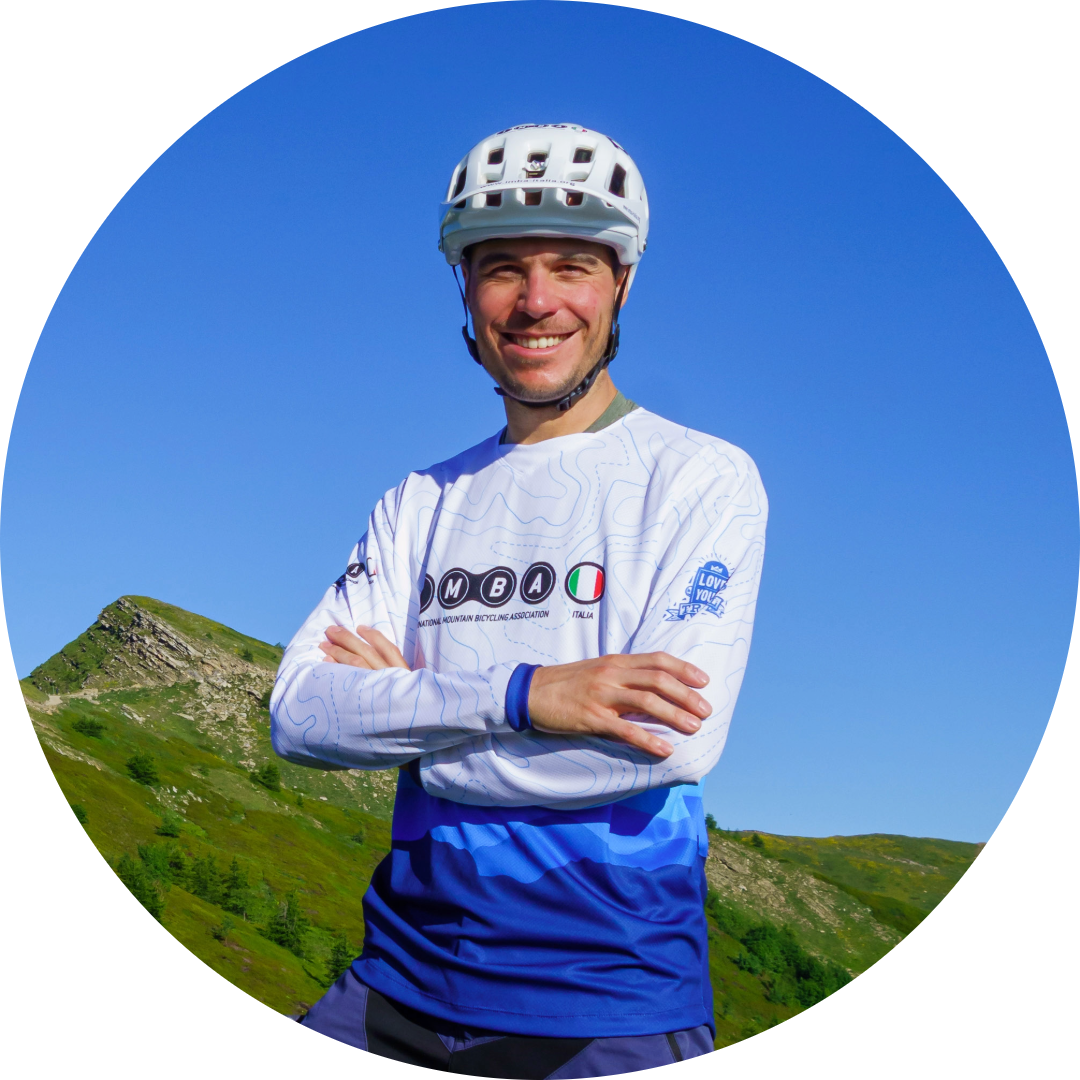
Edoardo Melchiori is President of IMBA Italia and a board member of IMBA Europe. With over a decade of experience as a certified mountain bike instructor and guide, Edoardo co-developed the International Trail Rating System (ITRS). Edoardo is committed to making mountain biking safer and more accessible for riders of all levels, promoting the health and social benefits of the sport.
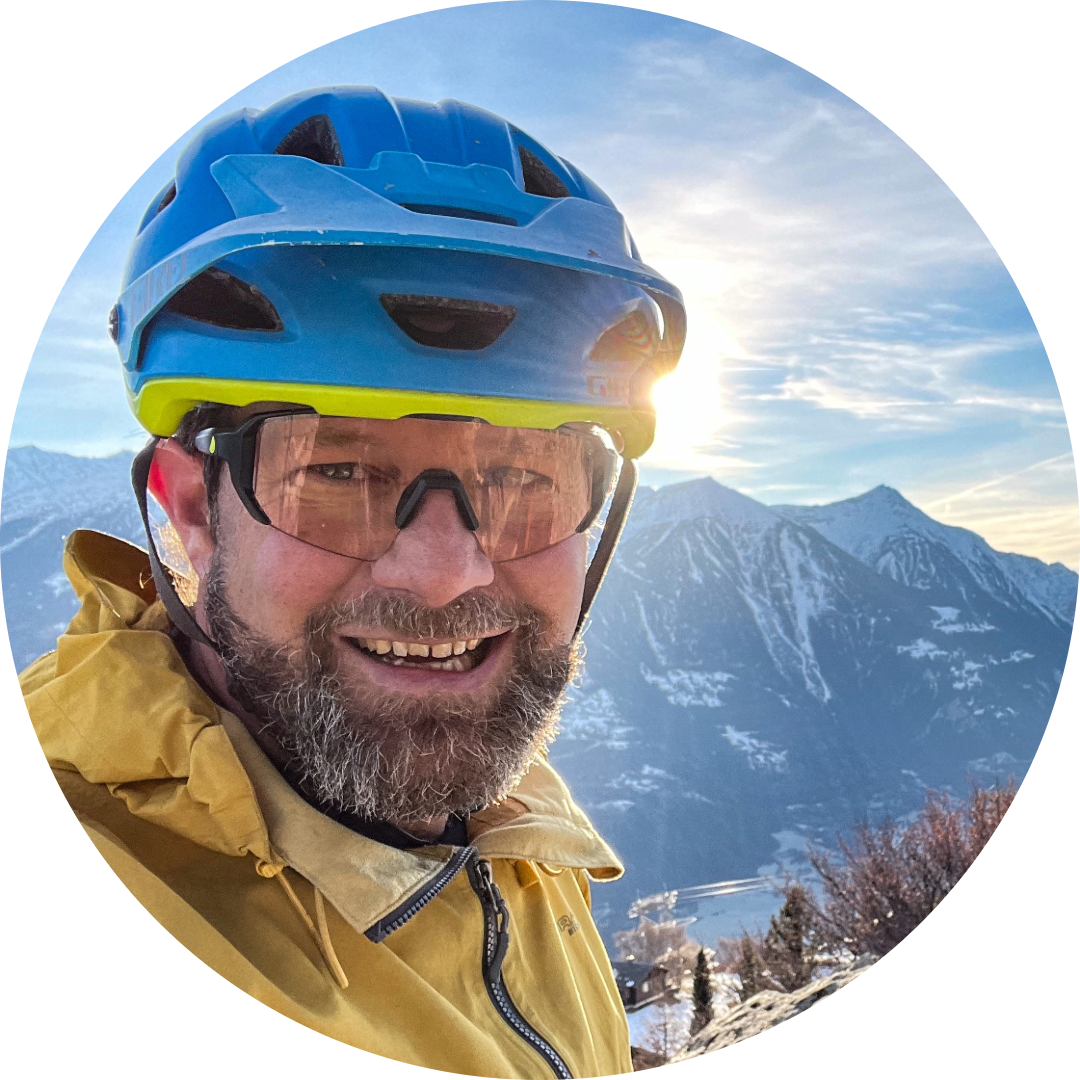
Mischa Crumbach is a co-developer and manager of the ITRS. He is co-founder and CEO of Trail Therapy GmbH, one of the two companies that are managing the ITRS. Biking since 1991, he has seen the development of the sport from a niche to where it is today. For a long time, with the eyes of a leisure biker in love with enduro-style riding, but since 2016 also from the perspective of a certified Bike Guide. He has a background in natural science and engineering and long experience in management and business consulting.