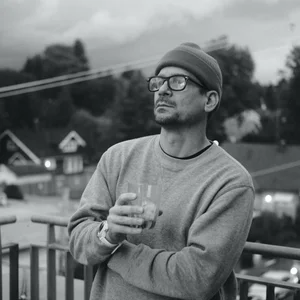
Professional Builder Profile: Marcos Groenenberg of Patagonia Trail Evolution
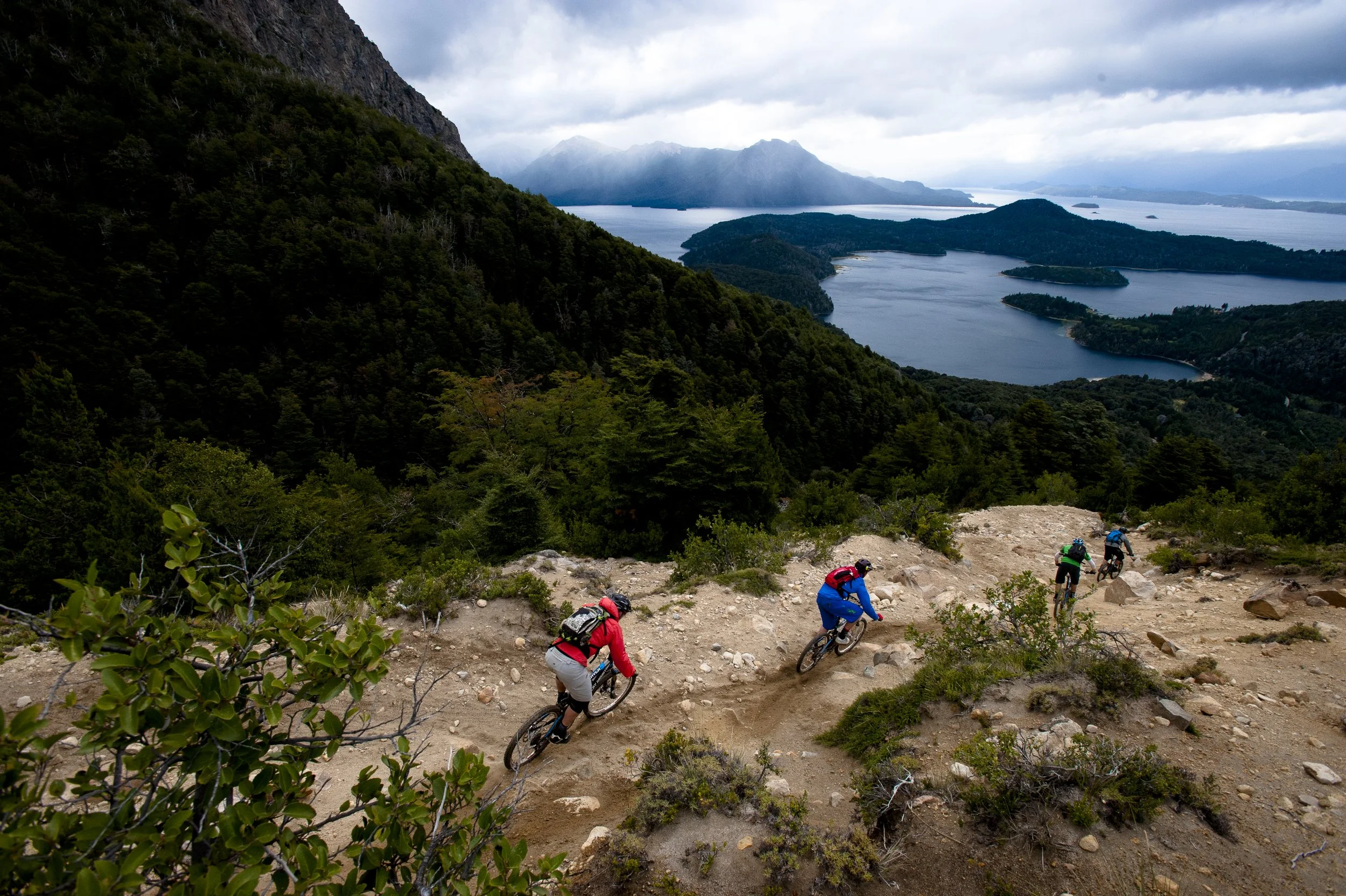
Bringing World-Class Trail Building Home to Patagonia
When Marcos Groenenberg left Patagonia for Whistler, British Columbia, he never intended to stay forever.
Instead, he viewed the world-renowned bike park as the ultimate classroom. For years, he immersed himself in one of the most respected trail building programs on the planet, learning not only how to build exceptional trails but also how successful trail systems can transform entire communities.
The goal was always to return home.
Today, that vision has become Patagonia Trail Evolution, a company helping shape the future of mountain biking across Argentina. From developing lift-accessed bike parks and community trail networks to partnering with local governments on outdoor recreation initiatives, Groenenberg and his team are building so much more than simply trails. Instead, they’re helping create an outdoor economy that can benefit riders, businesses, and local communities for years to come.
We recently caught up with Marcos to discuss his journey from Whistler to Patagonia, what it takes to launch a trail building company, and why the work that happens before the first shovel hits the ground is often the most important.
From Whistler to Patagonia
What projects are you currently working on?
We’re currently juggling quite a few projects at different stages.
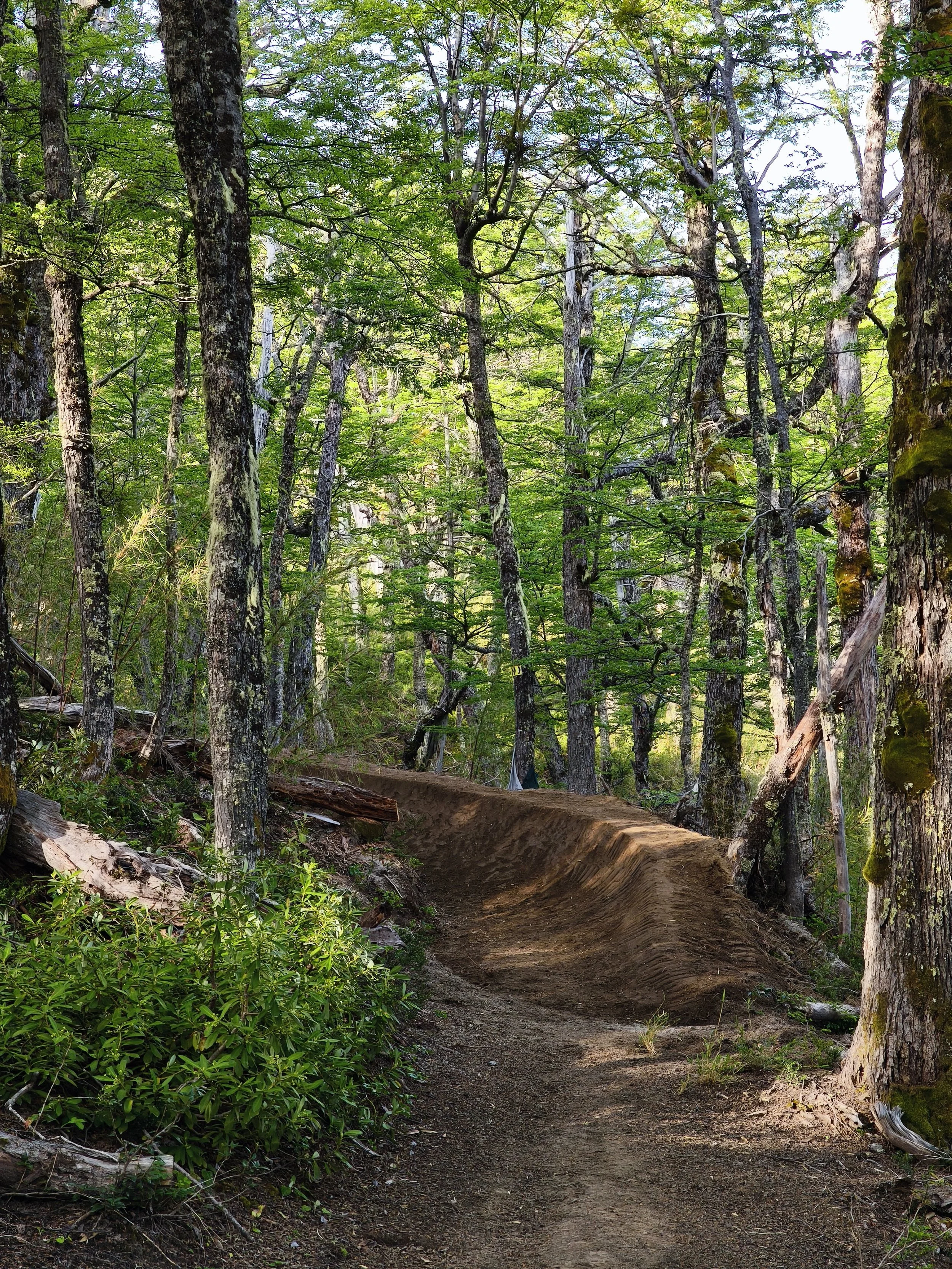
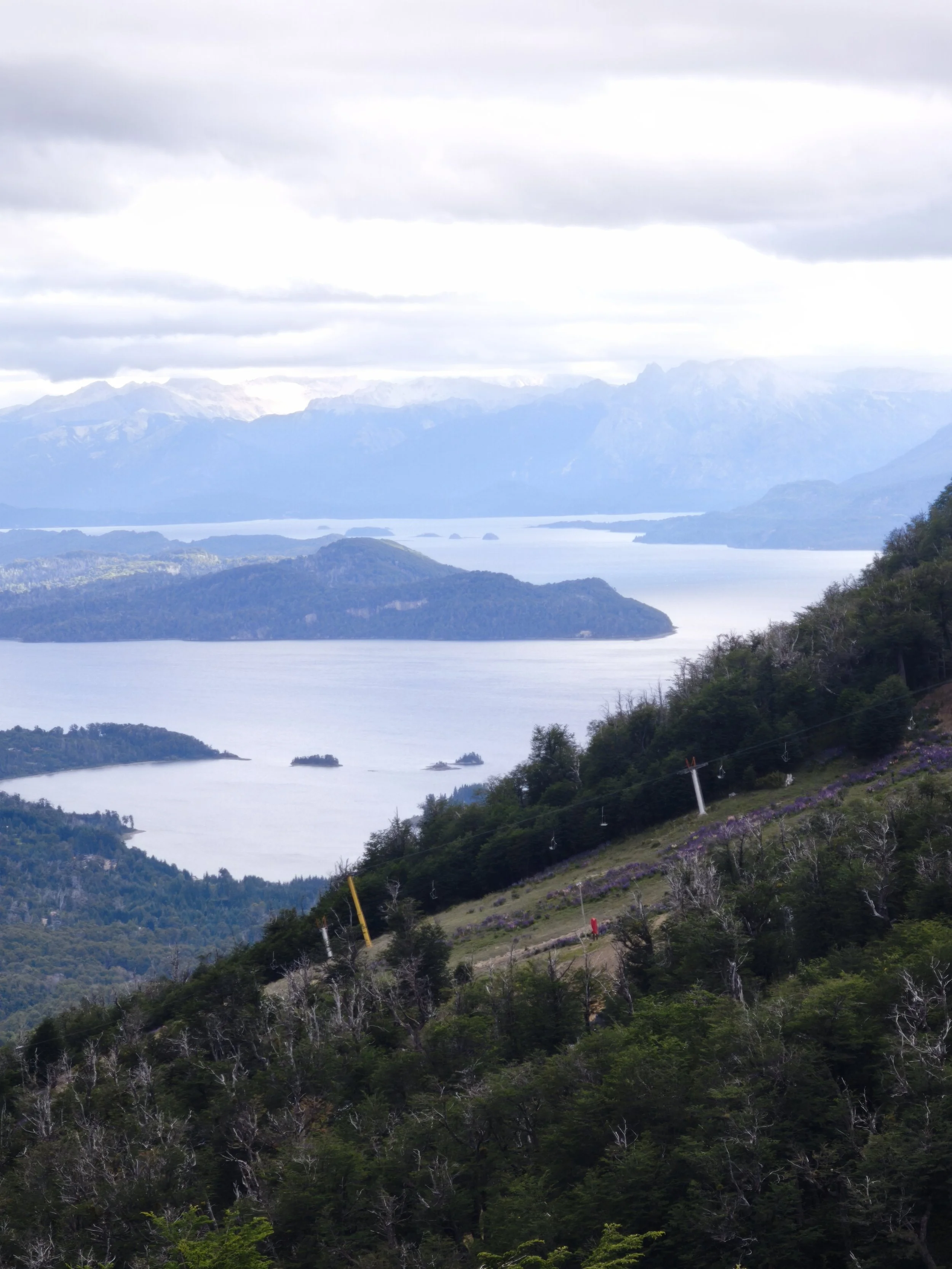
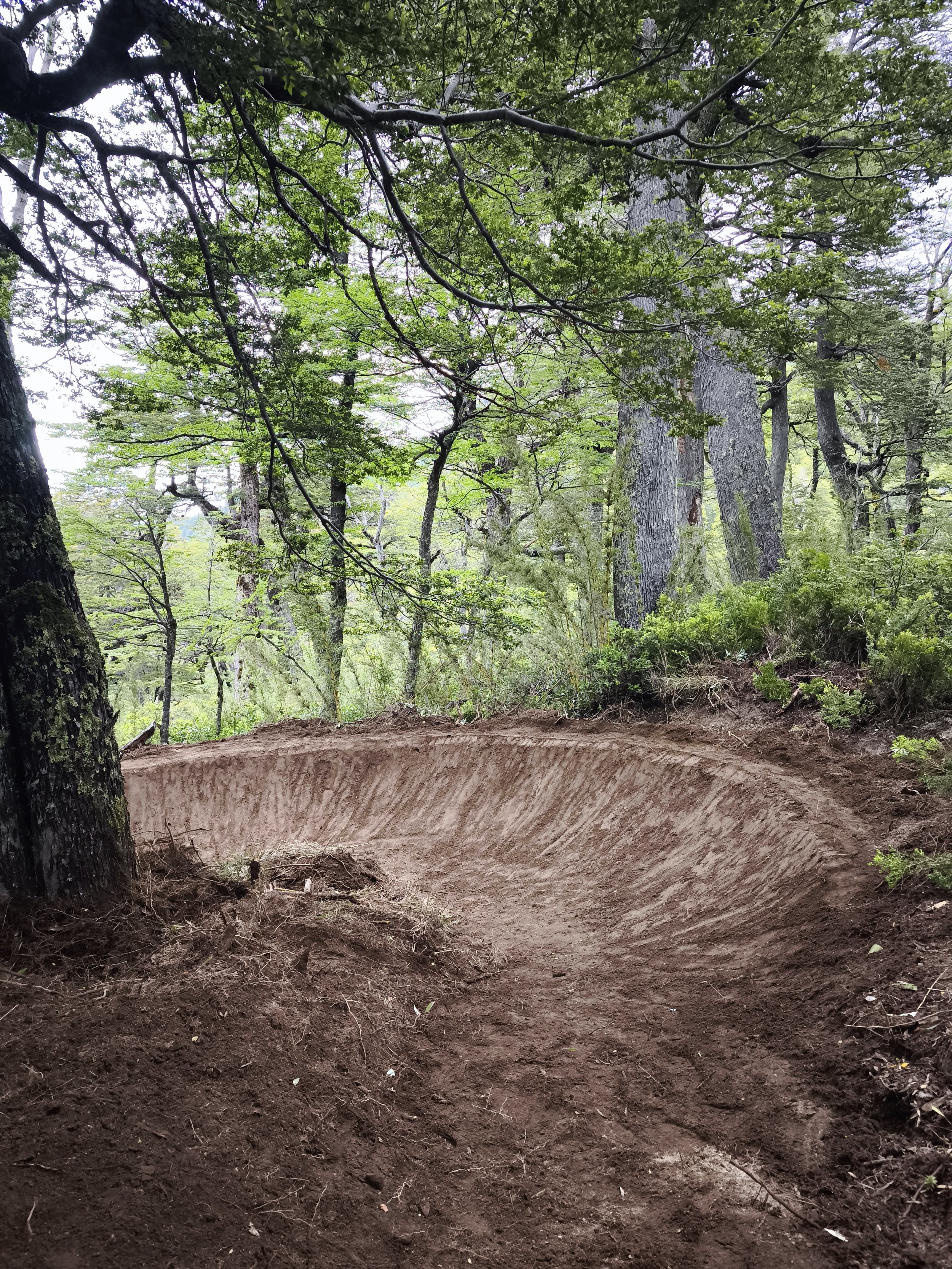
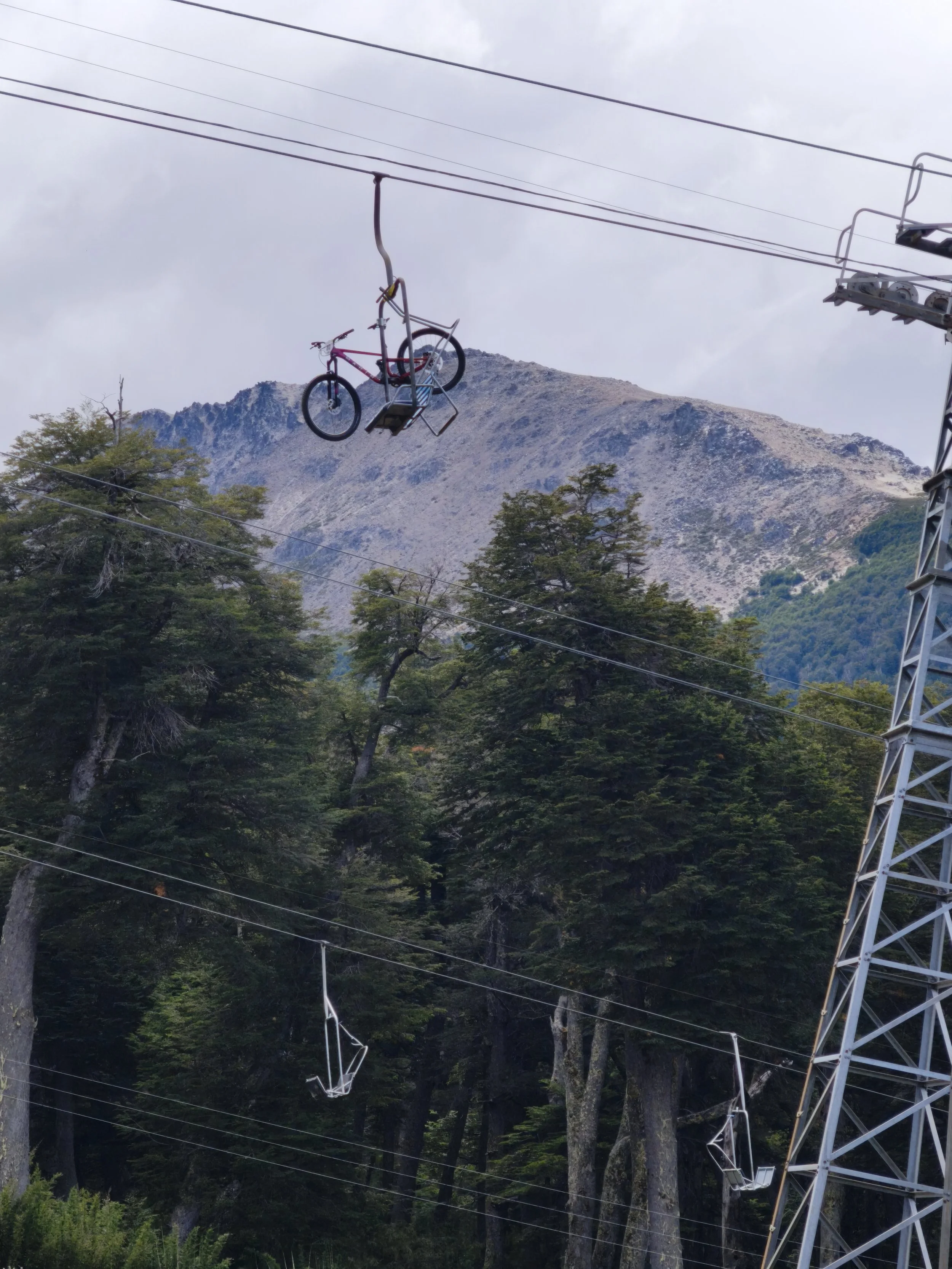
The most visible one is Cerro Bayo Bike Park in Villa La Angostura, currently Argentina’s only lift-accessed bike park. We just wrapped up our first season, and we’re really happy with both the reception and the numbers.
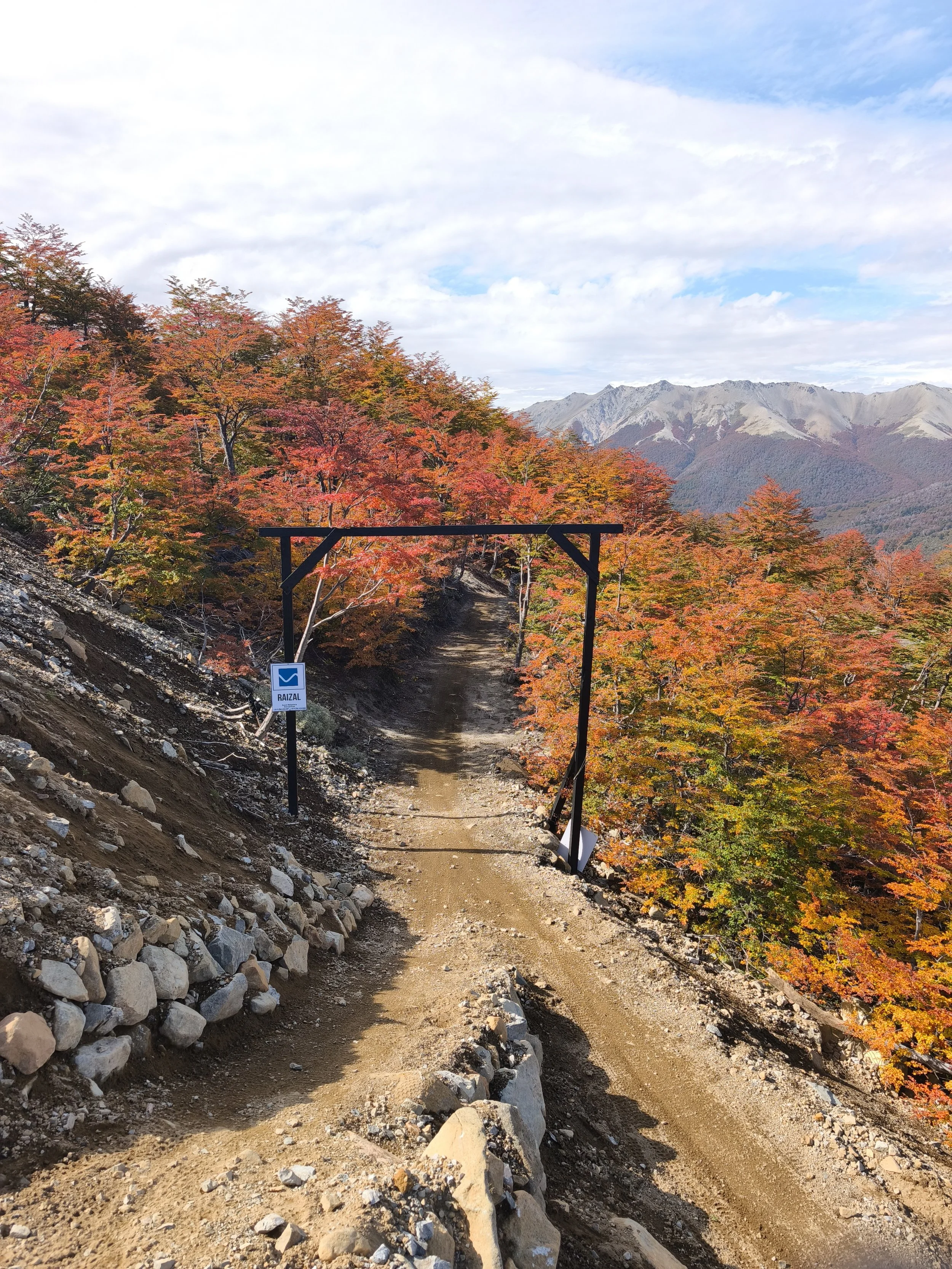
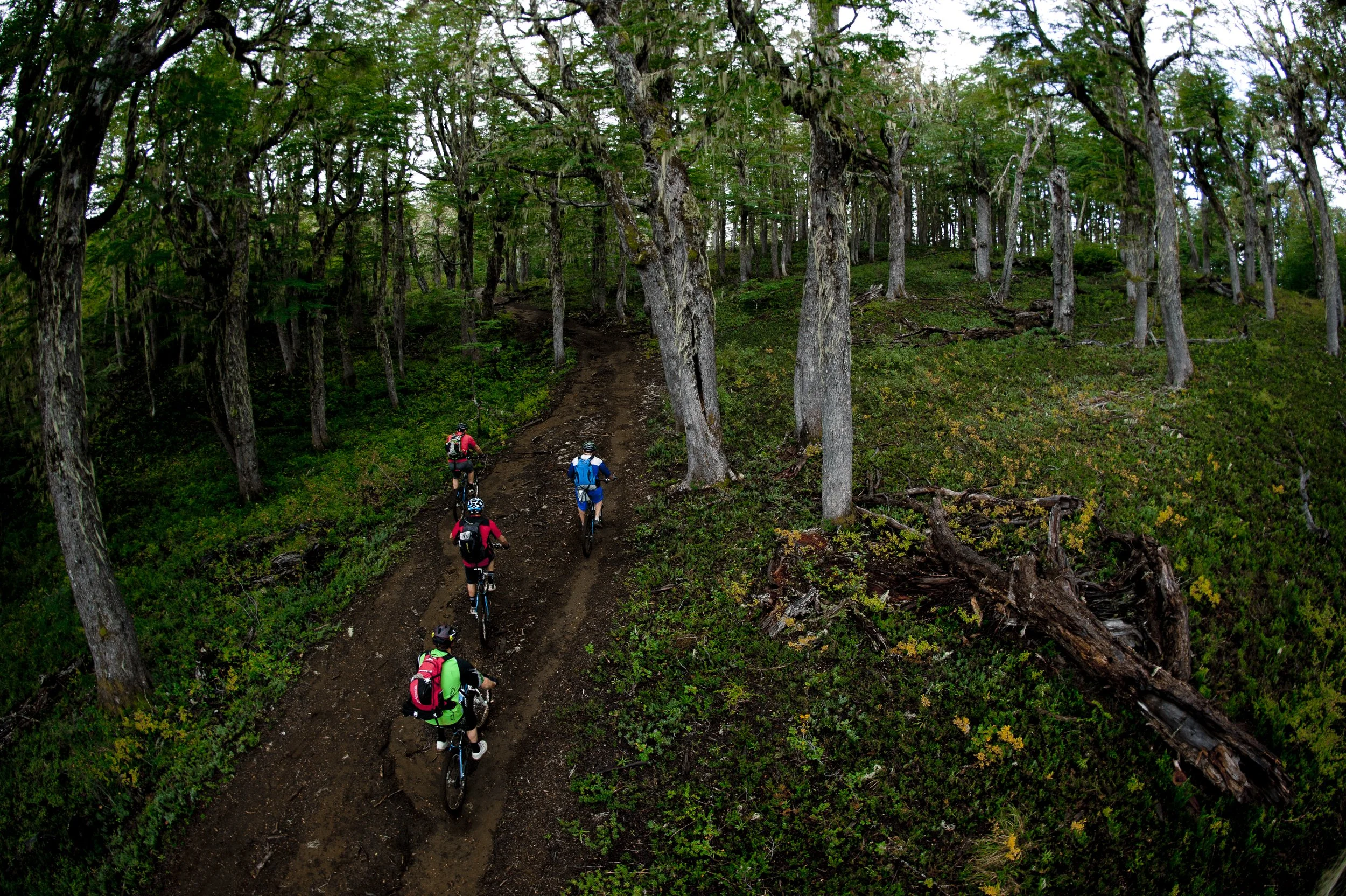
In Bariloche, we’re building a trail network of around 20 kilometers for mountain biking, trail running, and trekking. At the same time, we’re working with local governments across Patagonia and beyond to develop trail networks in smaller communities as a genuine economic engine.
We’re also launching Argentina’s first nationwide mountain bike survey in partnership with a local university.
And this coming September, I’ll be heading back to Whistler to work with the UCI Downhill World Cup venue crew on a trail I helped build over many years. It’s always great to come back. Whistler has a piece of my heart.
What inspired you to launch Patagonia Trail Evolution?
From the very beginning of my time at Whistler Bike Park, the plan was always to come back.
I saw Whistler as the greatest trail building school in the world, and I wanted to absorb as much as I could before bringing that knowledge back to Patagonia. It wasn’t a vague “someday.” It was always the goal.
The defining moment came one Christmas when my wife and I sat down and made the decision: two more years, and we’d be home. We landed back in Argentina in January, about twenty days later than planned. Close enough.
Argentina is a challenging country to operate in, so we wanted to come back with a real plan. Before the move, I reached out to the person who is now my business partner, one of South America’s most recognized figures in mountain biking, and we started designing what the company could become.
Whistler already had everything.
Patagonia had the terrain, the landscapes, and the potential, but almost none of the infrastructure.
That gap was the opportunity.
We bought an excavator almost immediately after I arrived, and we haven’t stopped building since.
How different was the reality from what you expected?
Honestly, I wasn’t sure what I’d find.
I didn’t know what the mountain bike scene looked like, how easy it would be to connect with the people already building trails, or whether there would be an appetite for what we wanted to do.
What I found was better than I expected.
There were incredibly talented, knowledgeable people who had been quietly doing this work for years, with deep local experience and context that I simply didn’t have. I’d spent fifteen years living between Canada and Patagonia, so while I wasn’t disconnected from the local scene, I’d been away long enough to have real gaps in my understanding.
It turned out to be very easy to join forces and learn from one another.
The harder part was operational.
Finding the right machine wasn’t easy. Small excavators aren’t common here, and the market is limited. Then there’s Argentina itself. Inflation was running in the triple digits, making long-term budgeting incredibly difficult. You’re essentially trying to plan projects using a currency that shifts beneath your feet.
Behind Every Trail Is Months of Preparation
Before construction begins, what happens behind the scenes that people never see?
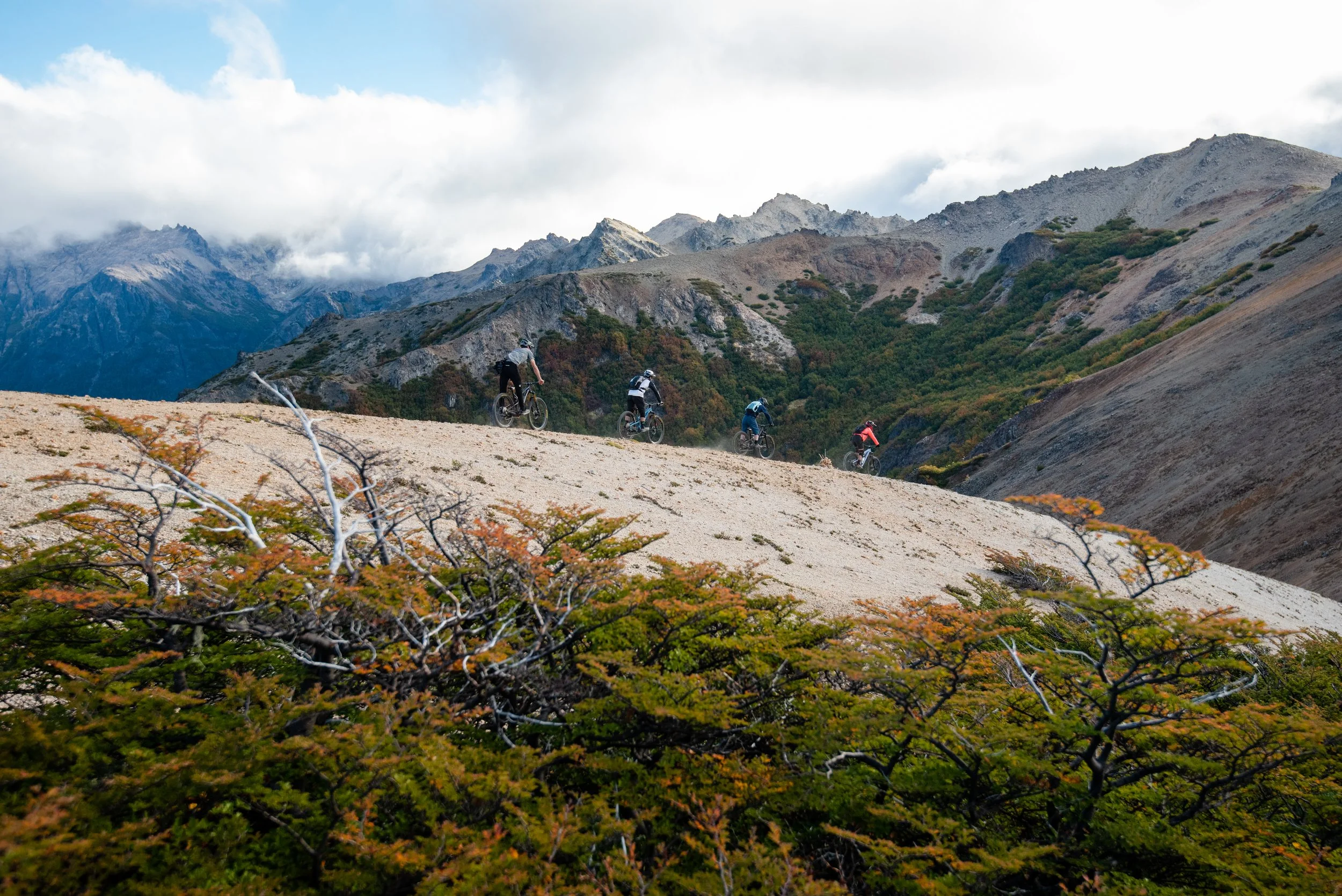
By the time the first shovel touches the ground, we’ve usually been working on the project for months.
Permits, meetings with landowners, contracts. All of that happens long before any dirt moves, and it takes a substantial amount of time.
We also don’t rush the design process.
We spend countless hours studying topographic maps, satellite imagery, and drone footage to understand the terrain before committing to a line.
What’s the purpose of this trail?
Who’s it for?
How does it fit into the overall network?
Some projects never make it beyond that stage, and that’s okay. When we finally go in with tools, we want to know we’re building the right trail.
How do you balance building trails with running a business?
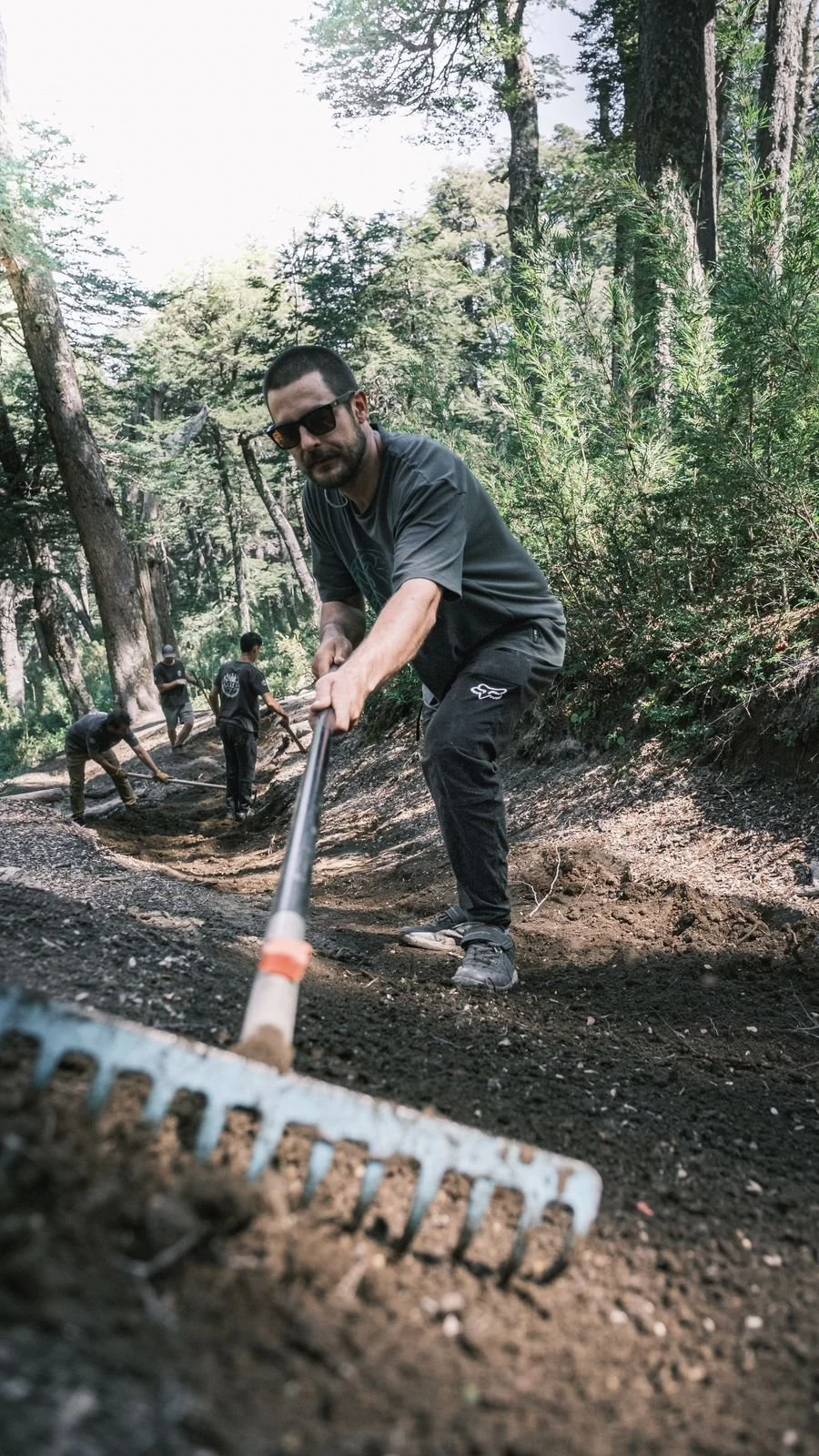
I try to build as much as I can because it’s still what I love most.
I came up as hand crew at Whistler, and that’s where my heart still is.
These days I’m also developing my skills as a machine operator, which has opened up a whole new side of the work.
In reality, it’s probably fifty-fifty.
Half my time is spent on the tools. The other half is spent in meetings, writing contracts, chasing permits, and managing logistics. That’s simply part of building a company from scratch.
It also depends on the project.
Cerro Bayo is practically in my backyard, so I’m on-site constantly. Projects farther away require me to spend more time on design, oversight, and coordination, while other members of the team handle more of the day-to-day construction.
Building Partnerships That Last
What have you learned from working with governments, agencies, and private landowners?
The biggest lesson has been learning to understand what each party actually needs, not just what they’re saying on the surface.
That takes patience.
A lot of patience.
We’ve found that presenting solutions instead of problems goes a long way. The goal is finding where their needs and ours intersect, then building from that point.
A good example is Cerro Lindo in Bariloche.
It was a piece of private land that had been informally used for mountain biking for years. Working together with the landowner and the municipal government, we developed a trail network that separated mountain biking, trekking, and trail running while still allowing some shared corridors.
What had essentially been abandoned land became a popular destination for the entire city.
That project only worked because the government, the landowner, and our team all found value in the same outcome.
What has been your biggest challenge so far?
Right before our first season at Cerro Bayo, our main chairlift broke down.
The repairs were going to take months, well beyond our planned opening date.
We had two other lifts on the mountain, so we made the decision to run the bike park using both of them. That meant relocating all the bike carriers and essentially redesigning the entire operation around a different lift system.
It was stressful.
But we made it work.
Ironically, one of those lifts will probably become a permanent part of the bike park going forward.
More broadly, building a company from scratch means constantly pushing against your own limitations. You always need more people, more equipment, and more capacity.
The challenge is growing enough to take on bigger projects without becoming too large and expensive to operate.
Beyond The Trails
What makes a trail building company sustainable over the long term?
We evaluate every project through three lenses:
Revenue.
How interesting, fun, or challenging the work is.
And the legacy it leaves behind.
We value all three equally.
If we only chased money, we’d burn out.
If we only chased passion projects, we’d go broke.
A huge part of what we do is also dedicated to growing mountain biking itself. If we help create more riders and more demand for trails, we’re also helping secure our own future.
And none of that works without building a strong team around you.
What impact do you hope your work has on the communities where you build?
At the most basic level, we’re creating infrastructure that gets people outside and having fun.
Over time, though, that infrastructure becomes something much bigger. It becomes a place where locals ride every week while also attracting visitors who generate real economic activity for the community.
Just as importantly, we care about what happens after we leave.
We invest heavily in transferring our knowledge to the people who live there so they can maintain their trails, train future builders, and continue growing without us.
That creates long-term employment opportunities for guides, instructors, trail builders, and maintenance crews.
We create capacity, not dependency.
And none of this would be possible without the people who were already here building when I arrived.
Advice for the Next Generation
What advice would you give someone who wants to start their own trail building company?
There’s never going to be a perfect moment.
At some point, you simply have to take a leap of faith and do everything in your power to make it happen.
Everything you know matters.
Every relationship you’ve built matters.
Every skill you’ve developed matters.
The more prepared you are, the more you bring to the table, and the better your chances.
Being organized.
Being efficient.
Being someone people genuinely want to work with.
That all compounds over time.
It won’t be easy.
But what’s the fun in it if it is?
Looking Ahead
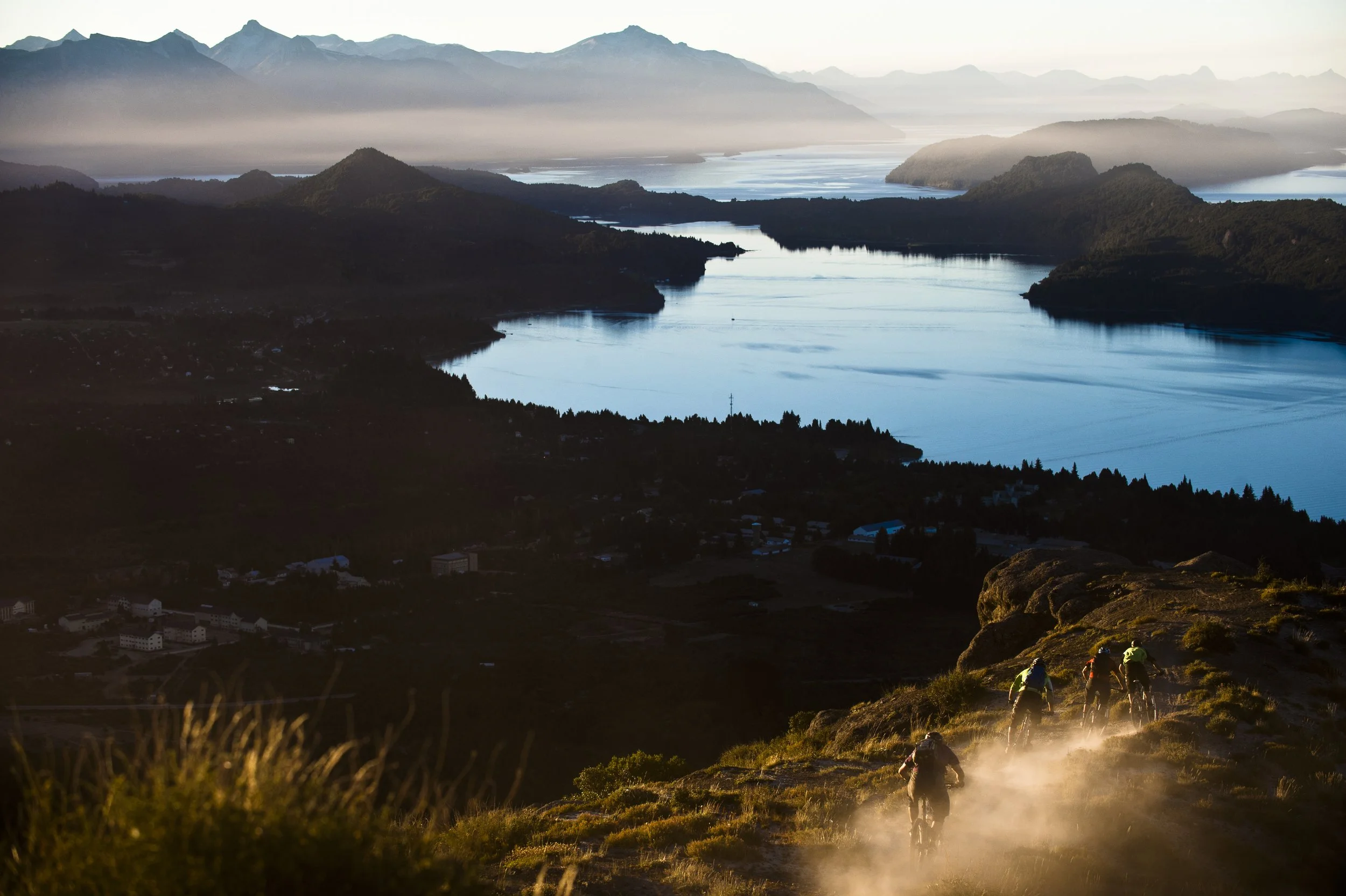
Patagonia Trail Evolution is still a young company, but its vision extends far beyond building individual trails.
Groenenberg sees trail systems as long-term investments that strengthen communities, create jobs, support tourism, and give local riders a reason to stay engaged with the outdoors. Whether he’s helping launch Argentina’s first lift-accessed bike park, working alongside municipal governments, or returning to Whistler each year to continue learning, his approach reflects a simple philosophy: great trails are built through collaboration, patience, and a commitment to leaving places stronger than they were before.
For Marcos, success isn’t measured solely by kilometers of trail completed. It’s measured by the people who will continue riding, maintaining, and building those trails long after the machines have left the mountain. And perhaps that’s the greatest legacy any trail builder can hope to leave.
—————————-
That concludes our interview. If you have a story to tell, click the button below and drop me an email.

Sean is the Founder and Editor-in-Chief of Trail Builder Mag, a digital media instructor, and the Communications Director for the Northwest Trail Alliance in Portland, Oregon. Email: sean@trailbuildermag.com