Can Rural Communities Build a Trail-Based Economy?
Every time we cut a new trail through the woods, not only are we changing the landscape, but we’re also changing the future of the communities that surround it.
Most of us don’t show up to a dig day thinking about hotel occupancy rates, tax revenue, or rural economic development. We’re thinking about drainage, sightlines, sustainable grades, rockwork, and building the best trail we can. And that’s exactly how it should be.
But whether we intend it or not, every trail eventually becomes part of a community’s story. In some places, it even becomes part of its economy.
That idea has fascinated me for years.
There Are Many Ways to Contribute to Trails
There are countless entry points into the trail building world.
A cursory glance at the Trail Builder Magazine community makes that obvious. Some of you work for nonprofit trail organizations. Others work for city, state, or federal agencies. Some build trails professionally. Many are volunteers. Others are just beginning to pick up a shovel for the first time.
We all have our reasons for being here.
I certainly do.
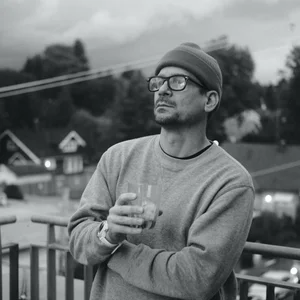
I’m not the guy swinging a Pulaski every weekend. My contribution to the trail world looks different. I tell stories. I document the work. I spend more time behind a camera and a keyboard than behind a shovel. Most days you’ll find me in my home office writing articles, answering emails, editing photos, or posting on social media. When I do get out on the trail, I’m usually carrying a camera instead of a trail tool.
So why tell you all of that?
Because every one of us brings a different perspective to this work. Every perspective matters. Without them, the conversation becomes one-dimensional. One of the lenses I can’t seem to stop looking through is the relationship between trails and rural communities.
Why Rural Trail Economies Fascinate Me
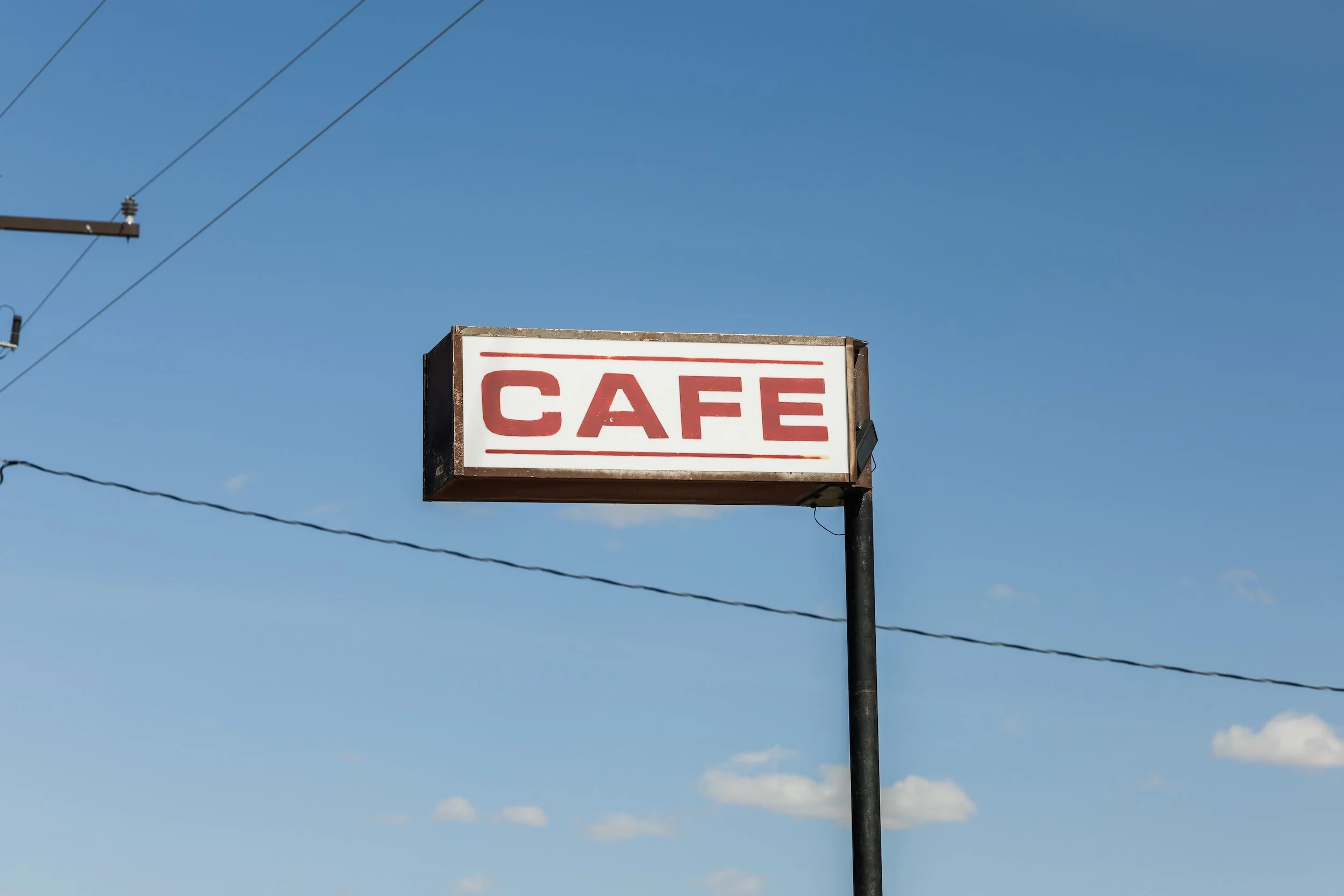
Living in Portland, Oregon, I’m not even sure there’s a meaningful way to quantify the economic impact of our local trail systems. Most of the people using them already live here. They’re not booking hotel rooms, eating breakfast at the local diner, or filling up their gas tanks because they drove hundreds of miles to ride a trail.
Rural communities are different.
When someone travels across a state or across the country to ride, every tank of gas, motel room, restaurant meal, cup of coffee, and bike repair represents new money entering that community. That’s where this conversation becomes interesting.
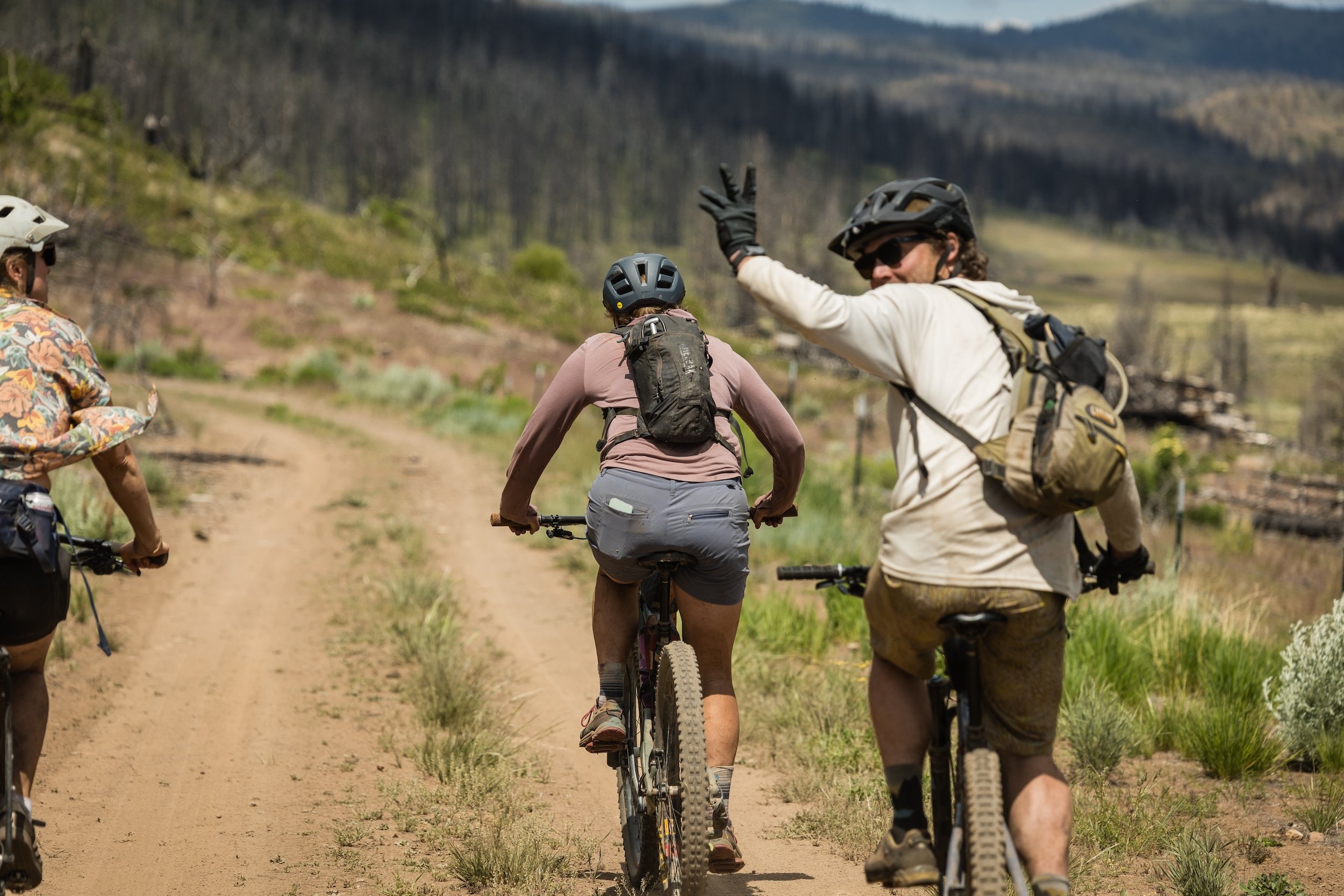
The Oregon Timber Trail Reality Check
I’ve shared before that I serve on the all-volunteer board of the Oregon Timber Trail Alliance. We help steward the 670-mile Oregon Timber Trail stretching from the California border to the Columbia River.
To say the task is overwhelming would be an understatement. Every board member squeezes this work into evenings, weekends, and whatever spare time life allows.
One of the reasons I joined the board was because I wanted to stay grounded in the unglamorous work that happens behind the scenes. Trail advocacy is easy to romanticize until you’re standing in the woods staring at a trail that has simply disappeared beneath hundreds of downed trees.
The other reason I joined was because of the communities.
The Oregon Timber Trail skirts along the edges of towns that many Oregonians have never even heard of. They’re places that have spent decades watching industries disappear, populations decline, and opportunities become harder to find. I wanted to know something simple.
Could one long-distance trail actually make a meaningful difference to a community like that?
My preliminary answer?
Not yet.
A Trail Without Riders Can’t Transform a Town
One of the questions we’re currently trying to answer as an organization is embarrassingly basic: How many people actually ride the Oregon Timber Trail each year? The truth is, we don’t know yet.
Sure, there are riders who tackle individual sections or spend a weekend exploring one of the four tiers, but overall visitation remains relatively small.
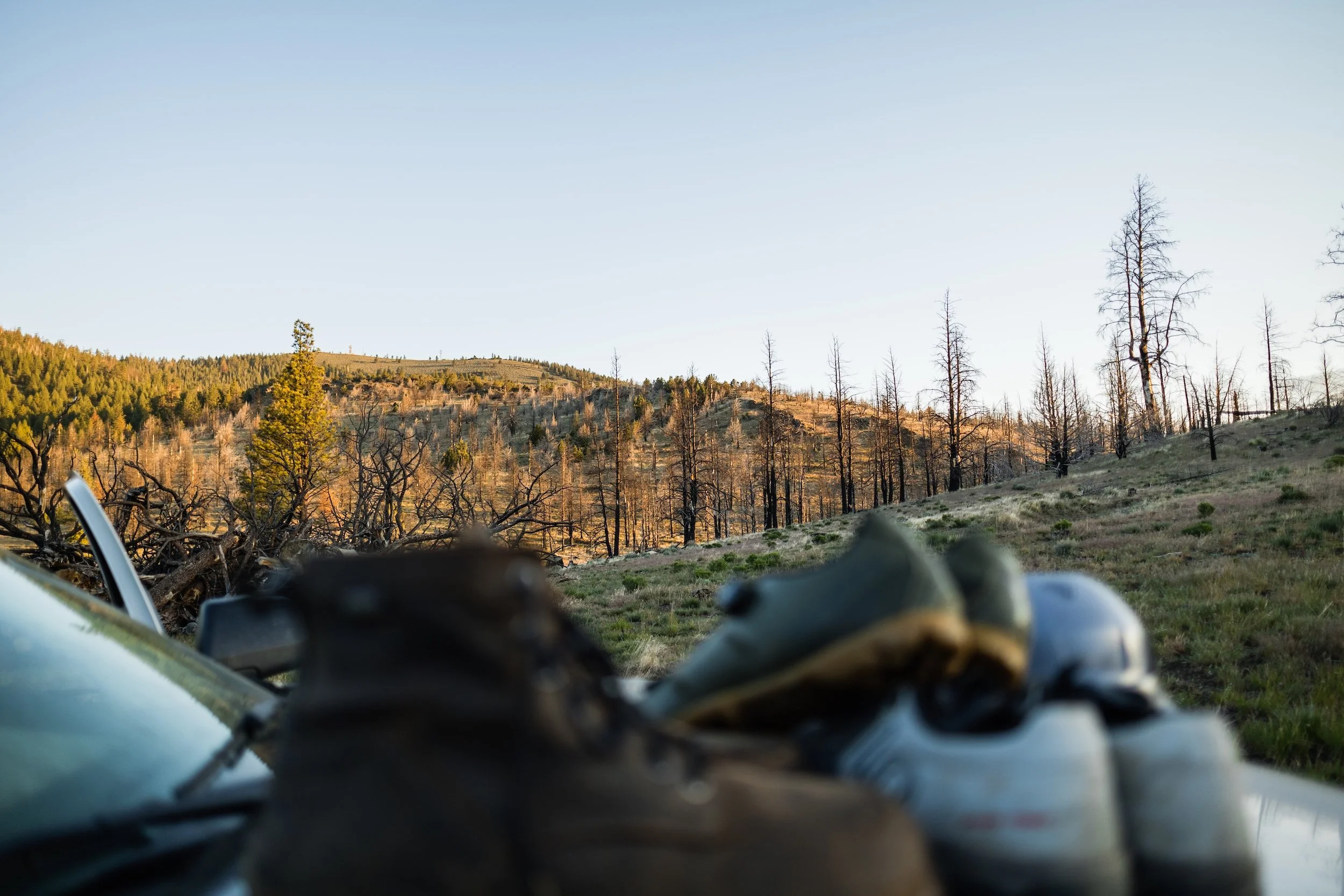
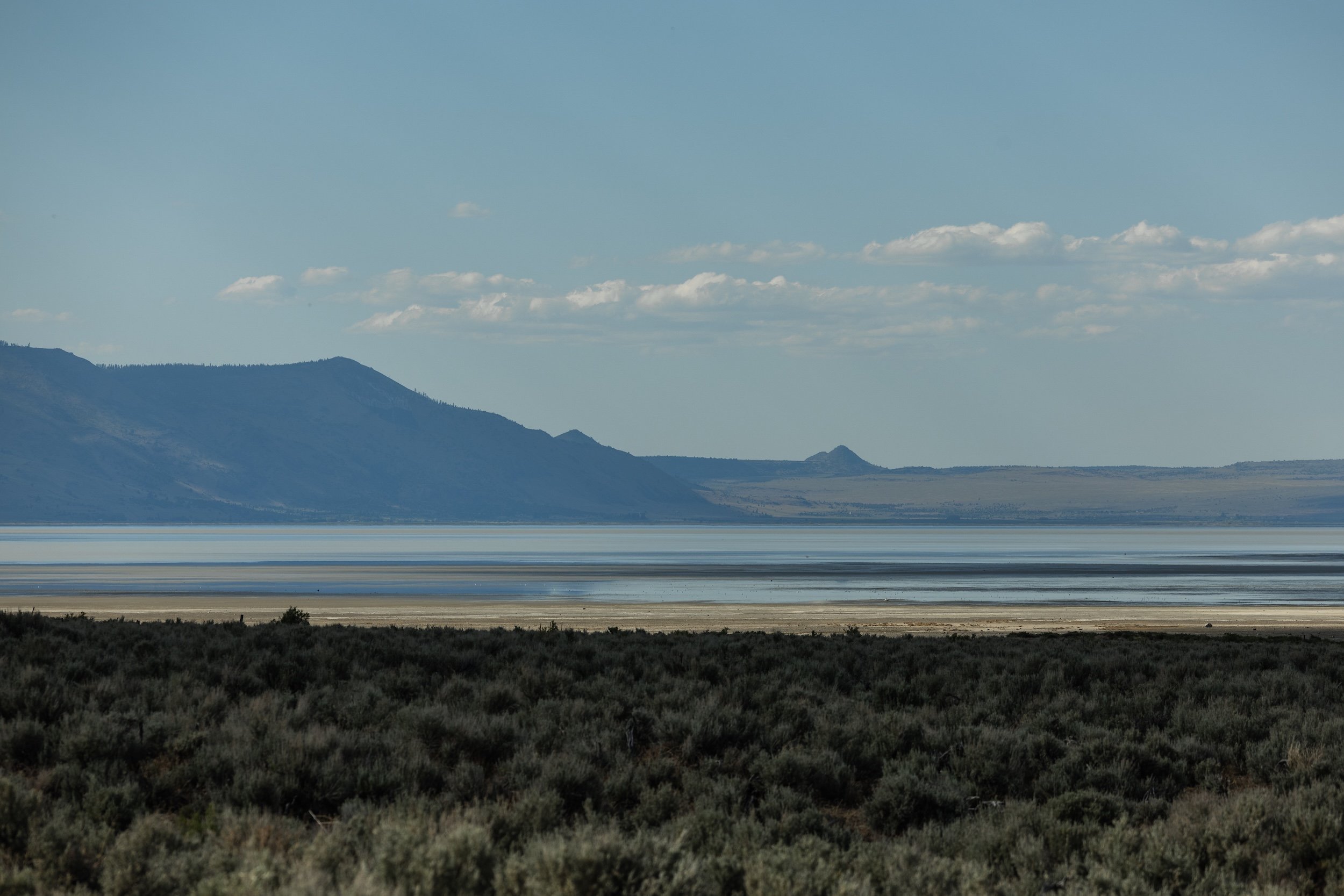
Recently, I joined one of our volunteer work parties on the Fremont Tier in south-central Oregon. When we arrived at the trailhead that morning, we couldn’t even see the trail. It was buried beneath so many downed trees that before we could improve anything, we first had to rediscover where the trail actually went.
There are important conversations to be had about deferred maintenance, volunteer capacity, funding, and stewardship. Those are conversations Trail Builder Magazine has had and will continue to have.
But my mind kept wandering back to one of the communities listed on our website as a designated resupply town.
Lakeview.
Lakeview and the Search for a New Economic Future
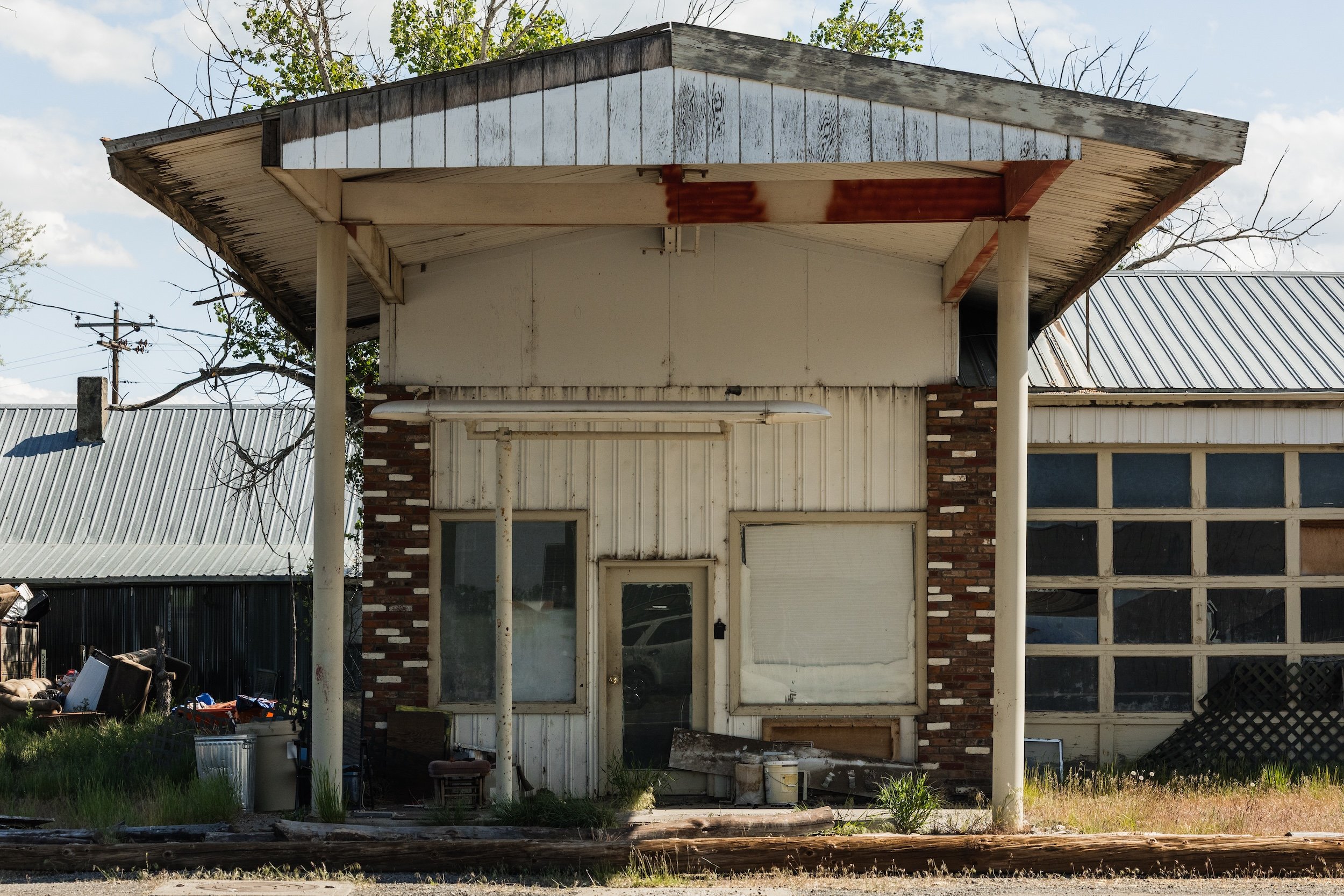
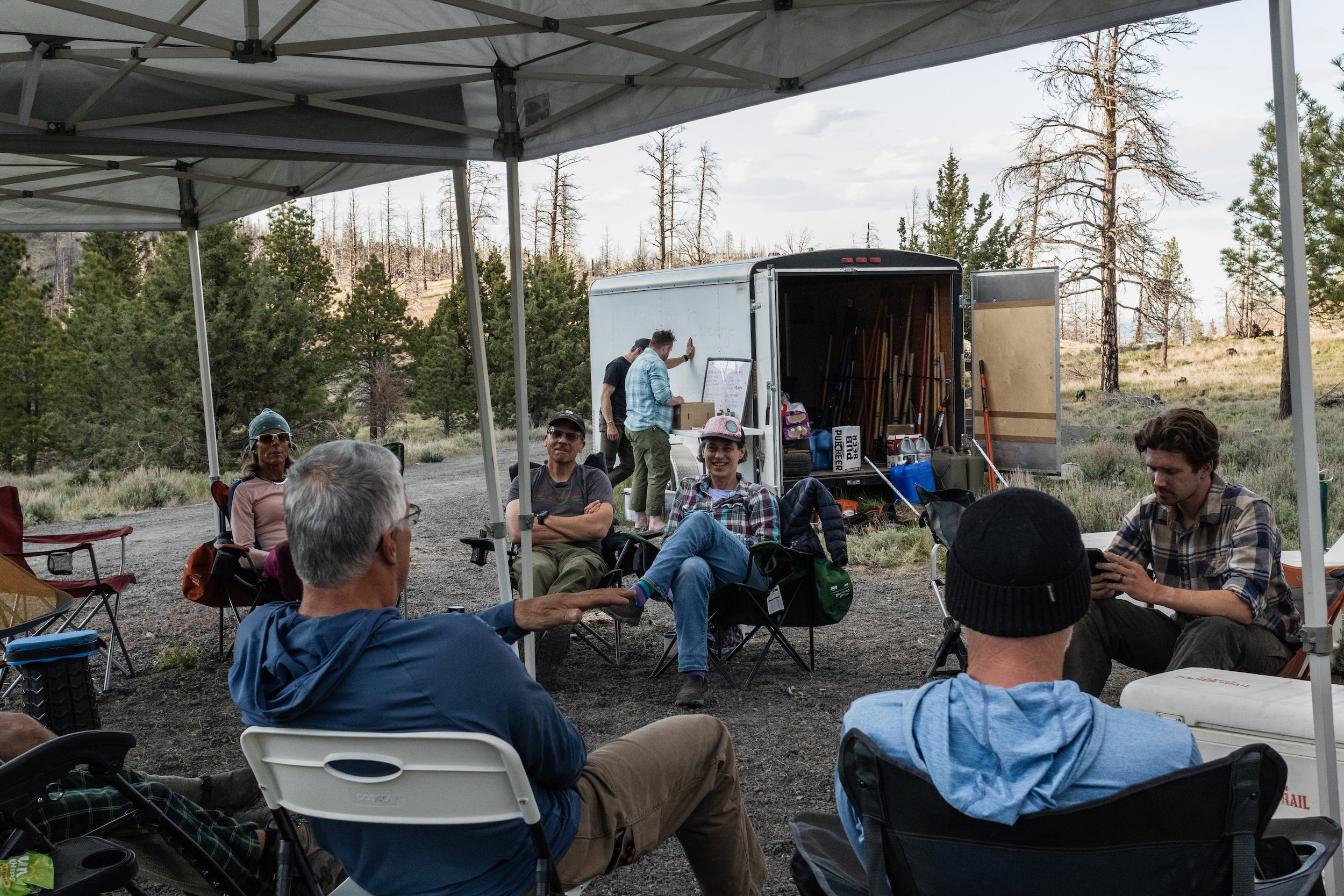
Like many small communities across the American West, Lakeview has spent years trying to reinvent itself after the decline of traditional resource-based industries. Rather than waiting for another major employer to arrive, local leaders have increasingly looked toward outdoor recreation as one piece of a broader strategy for community reinvention, investing in quality of life while hoping to attract visitors, entrepreneurs, and eventually new residents.
I find that fascinating.
We often celebrate places that went all in on trails and became international success stories.
Bentonville.
Moab.
Sedona.
Their downtowns are filled with bike shops, breweries, coffee roasters, and Sprinter vans carrying bikes worth more than my SUV.
Those stories deserve to be celebrated. They’ve become proof that trails can reshape communities.
But they also create an illusion.
They make success feel inevitable.
It isn’t.
For every community that became synonymous with mountain biking, there are hundreds, perhaps thousands, of communities like Lakeview hoping trails might become part of their next chapter.
Why Trail Town Success Isn’t Guaranteed
Today, I don’t think the Oregon Timber Trail is making much of an economic impact on communities like Lakeview.
Yet.
That little three-letter word matters a lot to me … yet..
Life isn’t static. It’s dynamic.
Boom towns become ghost towns. Ghost towns become destinations. Industries rise and fall. Communities reinvent themselves. We’ve watched that cycle repeat itself throughout the history of the American West.
Hope always exists.
At the same time, building a world-class trail network isn’t a cure-all, especially if your community sits well off the beaten path.
Trails, by themselves, rarely transform a local economy. They have to be part of something larger. They need community leaders willing to think long-term. They need businesses that welcome visitors. They need marketing. Events. Partnerships. Lodging. Restaurants. Volunteer stewardship. Trail maintenance. Local buy-in.
Successful trail economies aren’t built on dirt alone.
They’re built on ecosystems.
Research into trail-based economies consistently reaches this same conclusion. The communities that thrive are the ones that invest not only in trails, but also in the businesses, partnerships, maintenance, and long-term vision that surround them.
Trails Are Infrastructure
Thinking about places like Lakeview has also made me ask a different question.
What responsibility do we, as trail builders and advocates, have once communities begin viewing trails as economic infrastructure?
That’s a different level of responsibility.
Suddenly, maintenance isn’t just about creating a better riding experience. Volunteer recruitment isn’t just about getting more people to a dig day. Advocacy isn’t just about gaining access. Long-term stewardship isn’t simply good trail etiquette.
It’s part of protecting an investment that communities are counting on.
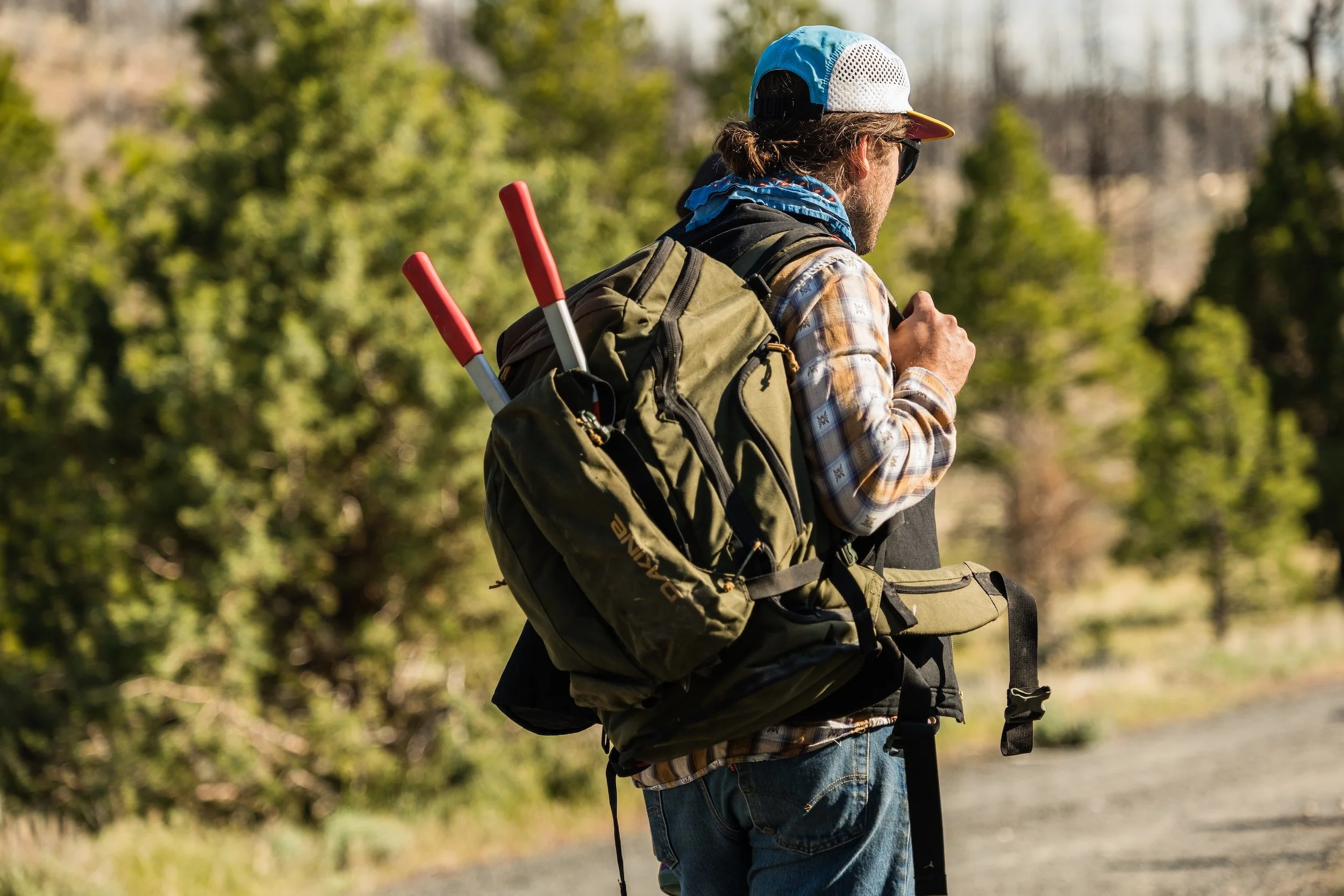
That’s easy to forget when you’re cleaning drains in the rain, cutting out blowdown, or hauling rock one bucket at a time. But the work we do reaches far beyond the trail corridor.
Every shovel of dirt carries two futures.
One leads deeper into the forest.
The other leads back into town.
Every Trail Creates Another Possibility
Maybe that’s the lesson.
As trail builders, advocates, volunteers, agencies, nonprofits, and communities, we sometimes place too much weight on what trails alone can accomplish.
Trails are incredibly powerful. They improve quality of life. They protect access to public lands. They strengthen communities. They create healthier people. They attract visitors. And yes, they can become meaningful economic engines.
But they’re rarely the entire strategy.
They’re one piece of a much larger puzzle.
That’s the irony I keep coming back to.
Communities can’t build an economy around trails that disappear beneath downed trees.
Maintenance isn’t just stewardship ... it’s economic development.
Perhaps the real question isn’t whether trails can transform rural communities. We already know they can.
The better question is whether we’re willing to build, maintain, advocate for, and invest in them long enough for that transformation to happen.


Sean is the Founder and Editor-in-Chief of Trail Builder Mag, a digital media instructor, and the Communications Director for the Northwest Trail Alliance in Portland, Oregon. Email: sean@trailbuildermag.com