What would compel a group of people to give up precious free time and even resources to fight for and steward trails? Oh, and not get paid for it. Even more so, especially when there’s no budget and no paid staff.
Welcome to the world of serving on the board of a nonprofit trail organization.
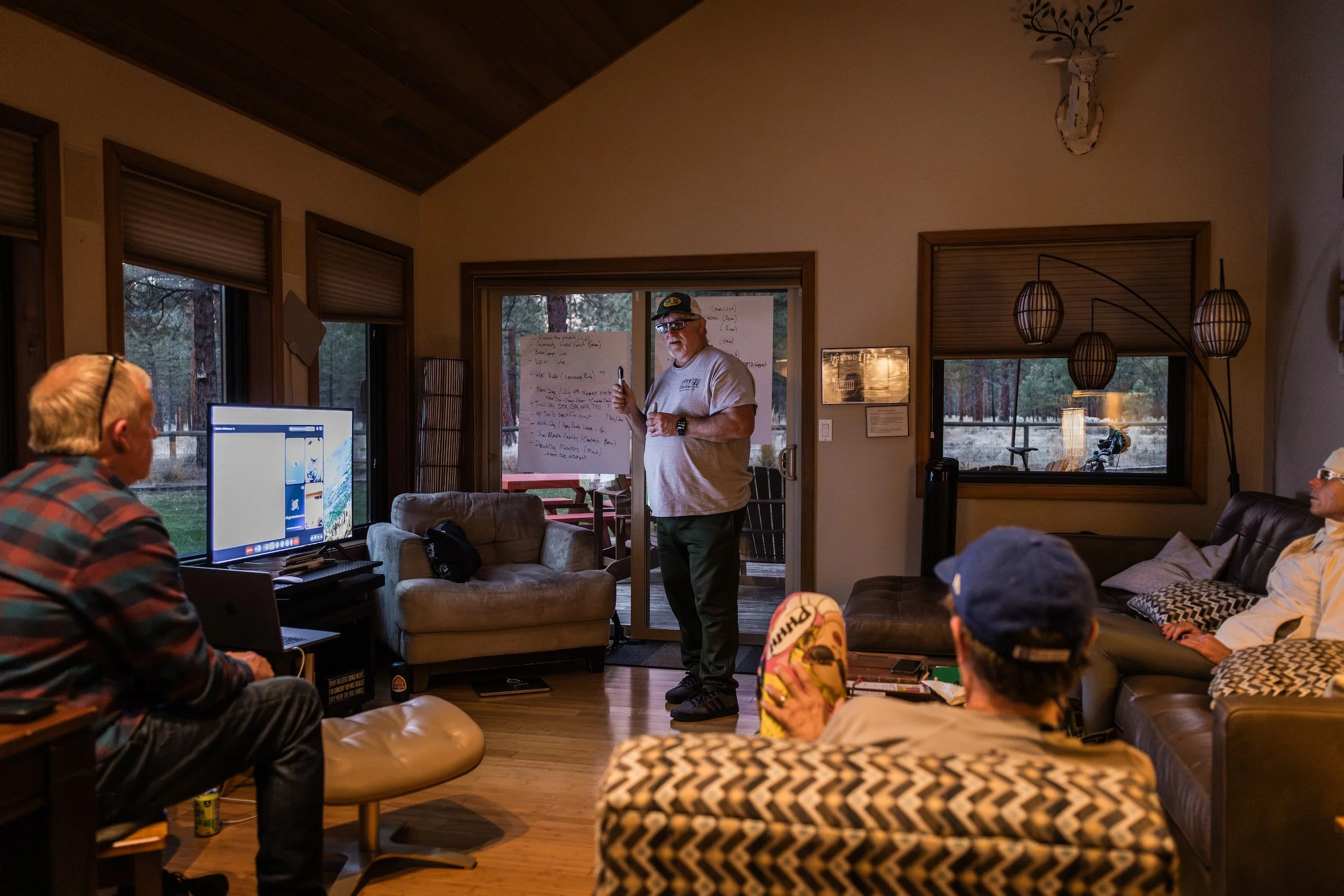
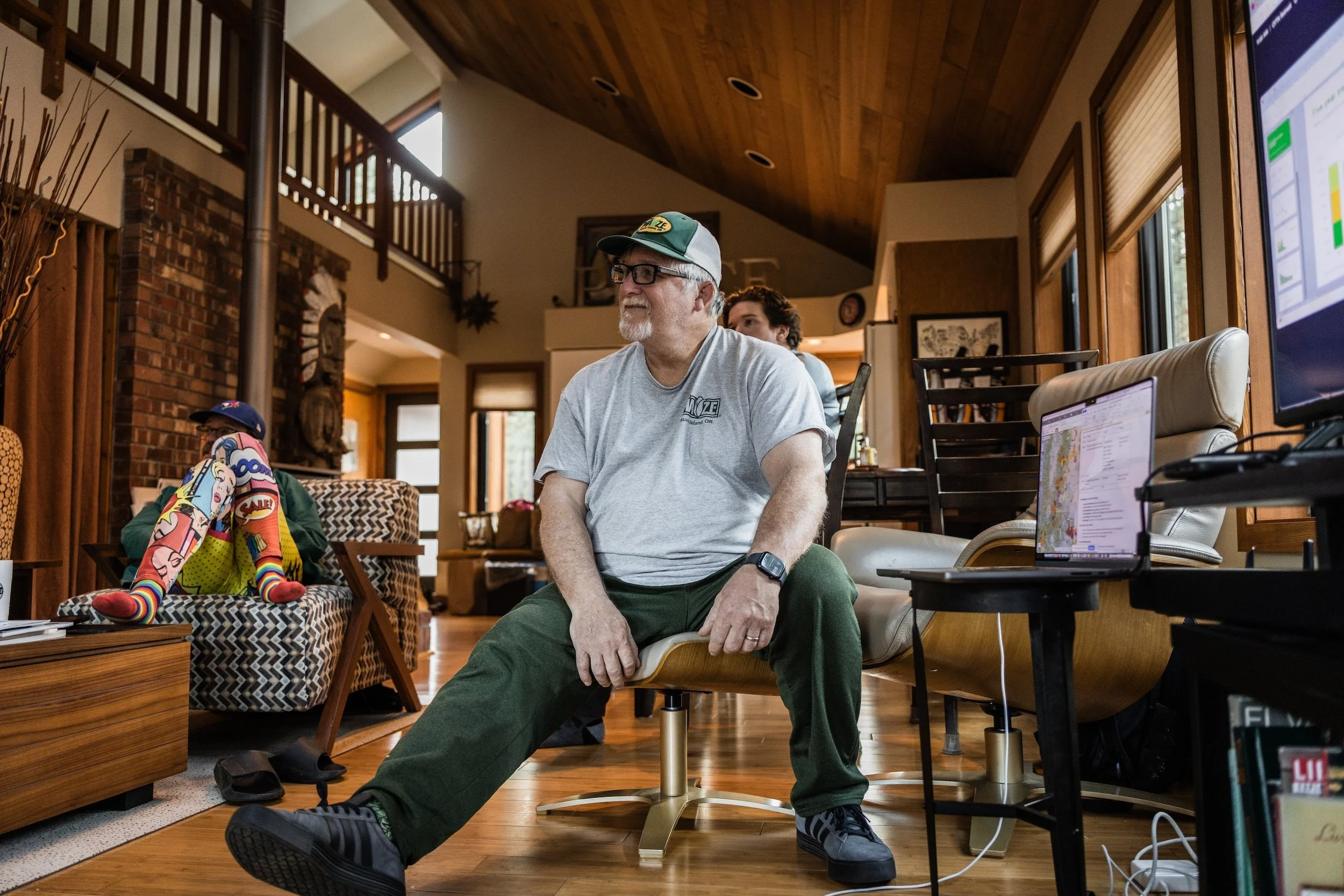
This past weekend, we had our board retreat for the Oregon Timber Trail Alliance in Sisters, Oregon. I left Saturday morning at 5:30 a.m. to make the three-hour drive. That gave me a lot of time to think.
Like anyone and everyone, my time is valuable to me. Weekends are coveted. I normally take half a day off on Saturday before getting back to prepping for classes and all of my other work. My margins are razor-thin.
And yet, here I was, casting all of that aside to spend a couple of days at this board retreat.
Why?
The Reality of Serving on a Nonprofit Trail Organization Board
Last week, we explored the realities of serving on the board of a nonprofit trail organization. The responsibilities, the challenges, and the often-unseen work that happens behind the scenes. But there’s another side to that conversation.
If serving on a nonprofit trail board demands so much, often with so little in return, why do people keep showing up?
My story is your story, and it is a story multiplied thousands of times all over the world. It may not always look the same, given the differences in laws and regulations governing nonprofits or charities from country to country. However, the common theme remains: innumerable people give up their time, treasures, and talents for the sake of trails.
As you can imagine, it’s thankless work. It is indeed work. Volunteer work. No pay.
The benefits? Often, it means wading through local and federal policies, raising funds, working with land managers, and figuring out how to get trails built or maintained.
Sometimes momentum swings in your favor. Most of the time, it’s that feeling of pushing a large boulder up a hill.
So why bother?
Why Mission-Driven Trail Organizations Keep Going
We’re smitten with the mission and vision of what we’re trying to accomplish.
It’s actually because there are obstacles, frustrations, and setbacks that a board can become galvanized around a common purpose.
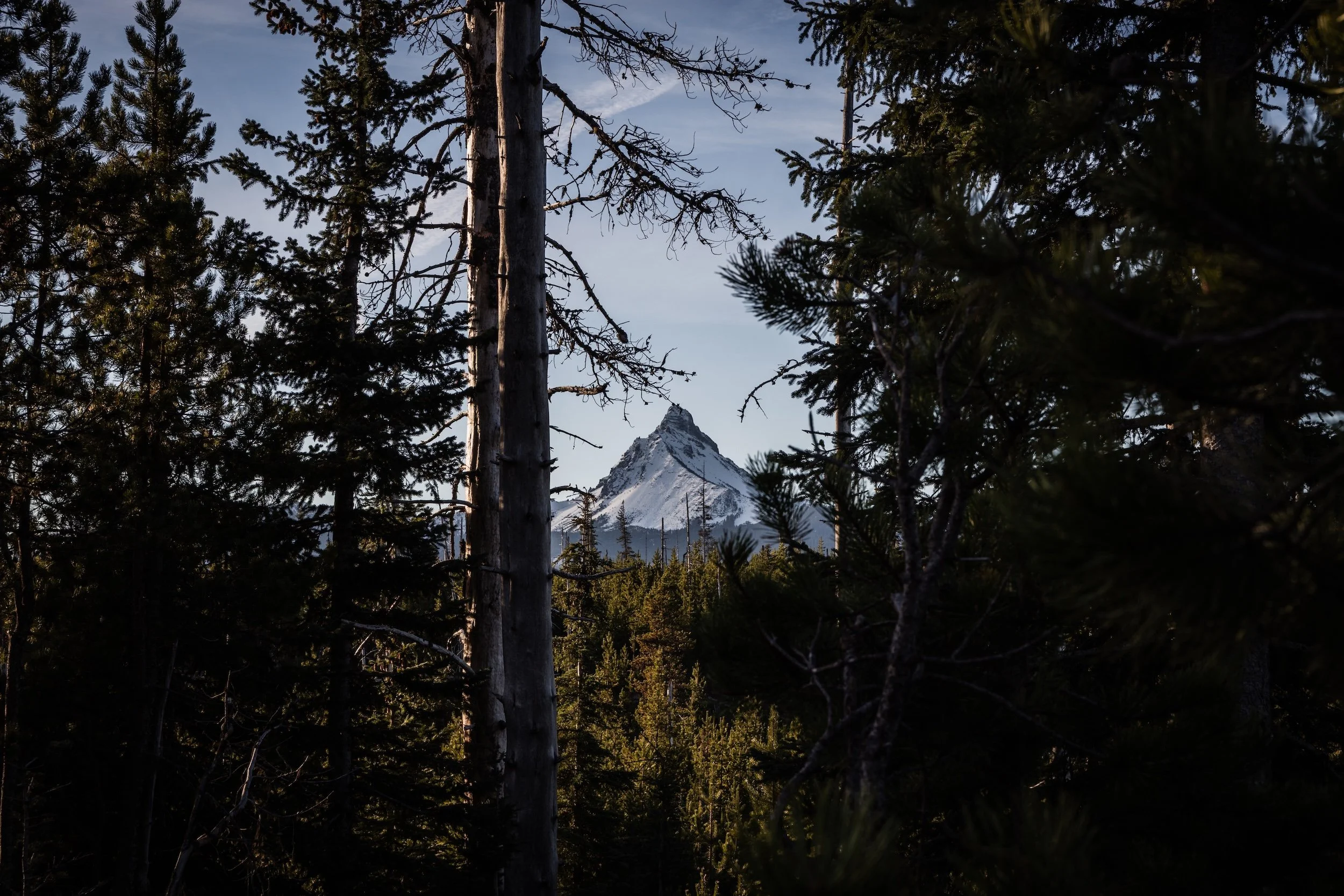
There’s a feeling of “it’s us against the world.” No, I don’t mean we’re in conflict with anyone. What we’re in conflict with is what it takes to will a trail system into existence from scratch. Or, in the case of the Oregon Timber Trail Alliance, figuring out how an all-volunteer board can oversee the stewardship of a 670-mile trail.
Sounds impossible. At times, it feels that way. And yet, here we are.
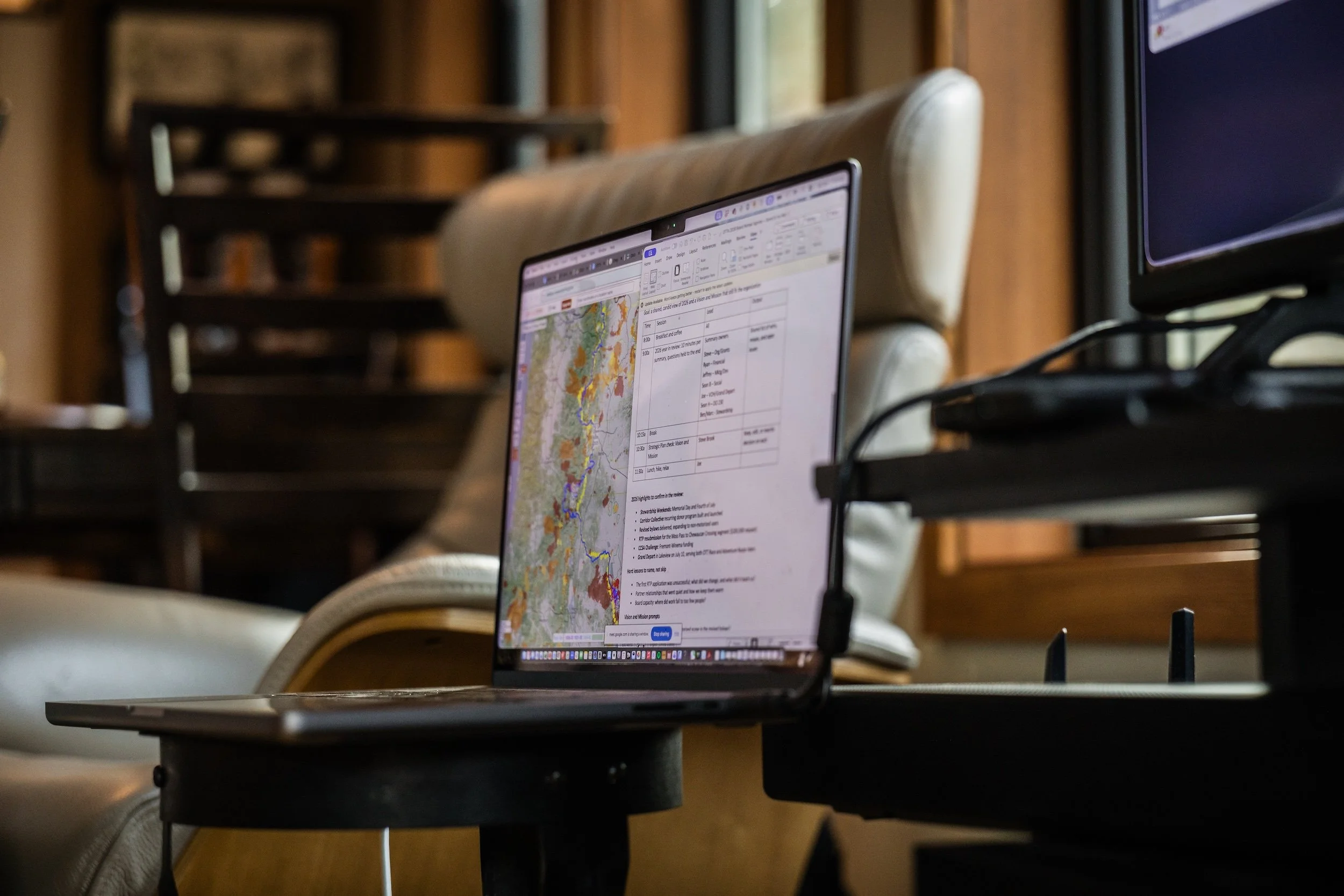
The Challenge of Maintaining the Oregon Timber Trail
Since much of the Oregon Timber Trail crosses terrain where other local trail organizations operate, we have the privilege of partnering with them whenever possible.
Last year, we decided to go all-in on a section of the trail covering roughly the first 200 miles of the route. We call this the Fremont Tier. What that means for us is that we’re concentrating our stewardship efforts along this stretch of trail.
Why?
There are no other trail orgs dedicated to maintaining this remote section of what is known as the Oregon Outback.
One of the many challenges along the Oregon Timber Trail is the damaging impact of wildfires. Fires leave behind dead and weakened trees, and over time, countless trees fall across the trail. We’re always playing catch-up.
Those who venture out to race or ride the Oregon Timber Trail often reflect that one of the biggest challenges is the seemingly endless hike-a-bike sections over deadfall.
Imagine being an all-volunteer organization responsible for stewarding a remote trail that stretches hundreds of miles, where wildfires, fallen trees, limited funding, and difficult access are constant challenges. It’s enough to make anyone question whether the effort is worth it. But that’s where something interesting happens.
The obstacles don’t necessarily discourage us. For me, they give us something worth overcoming.
From Organizational Survival to Renewed Hope
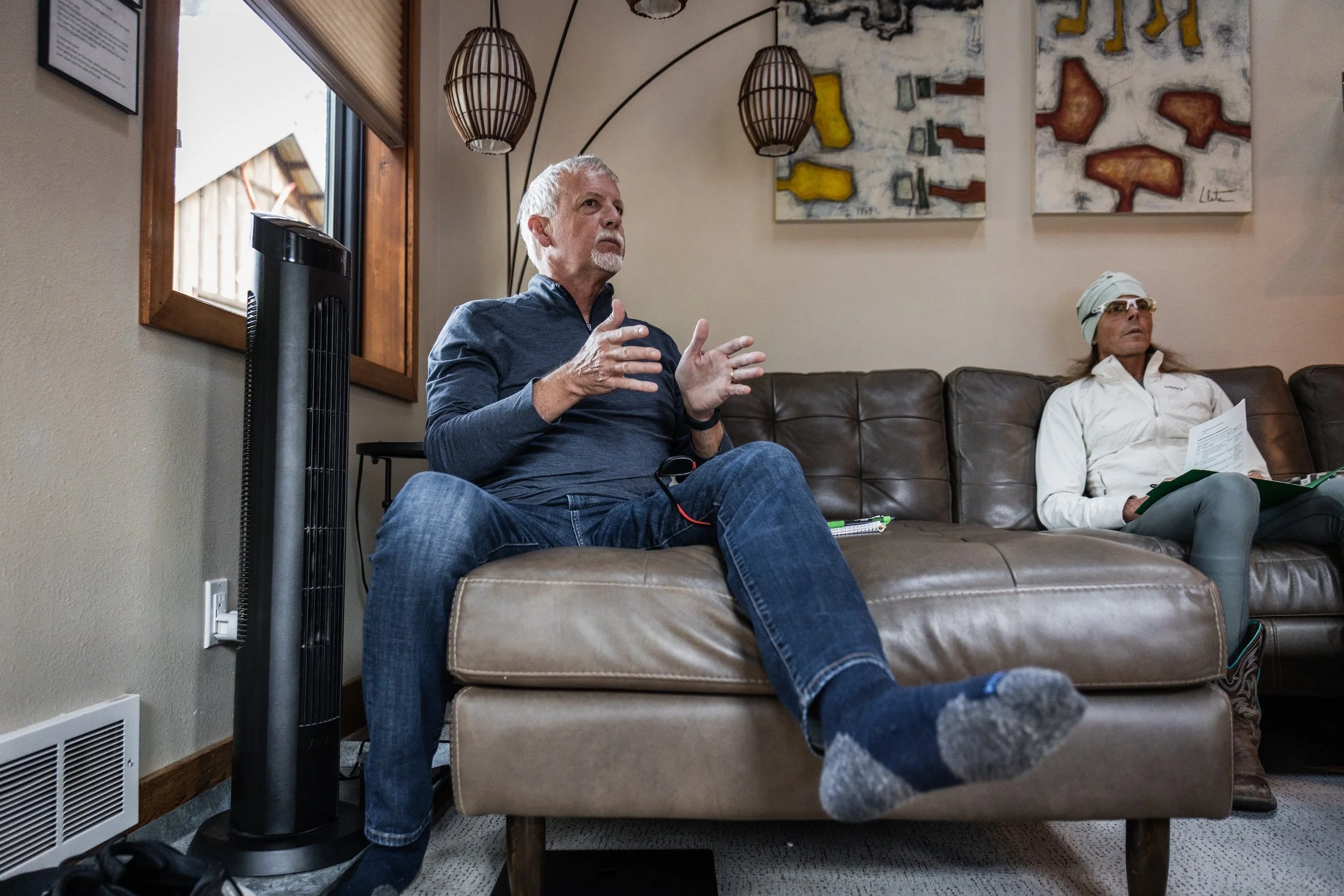
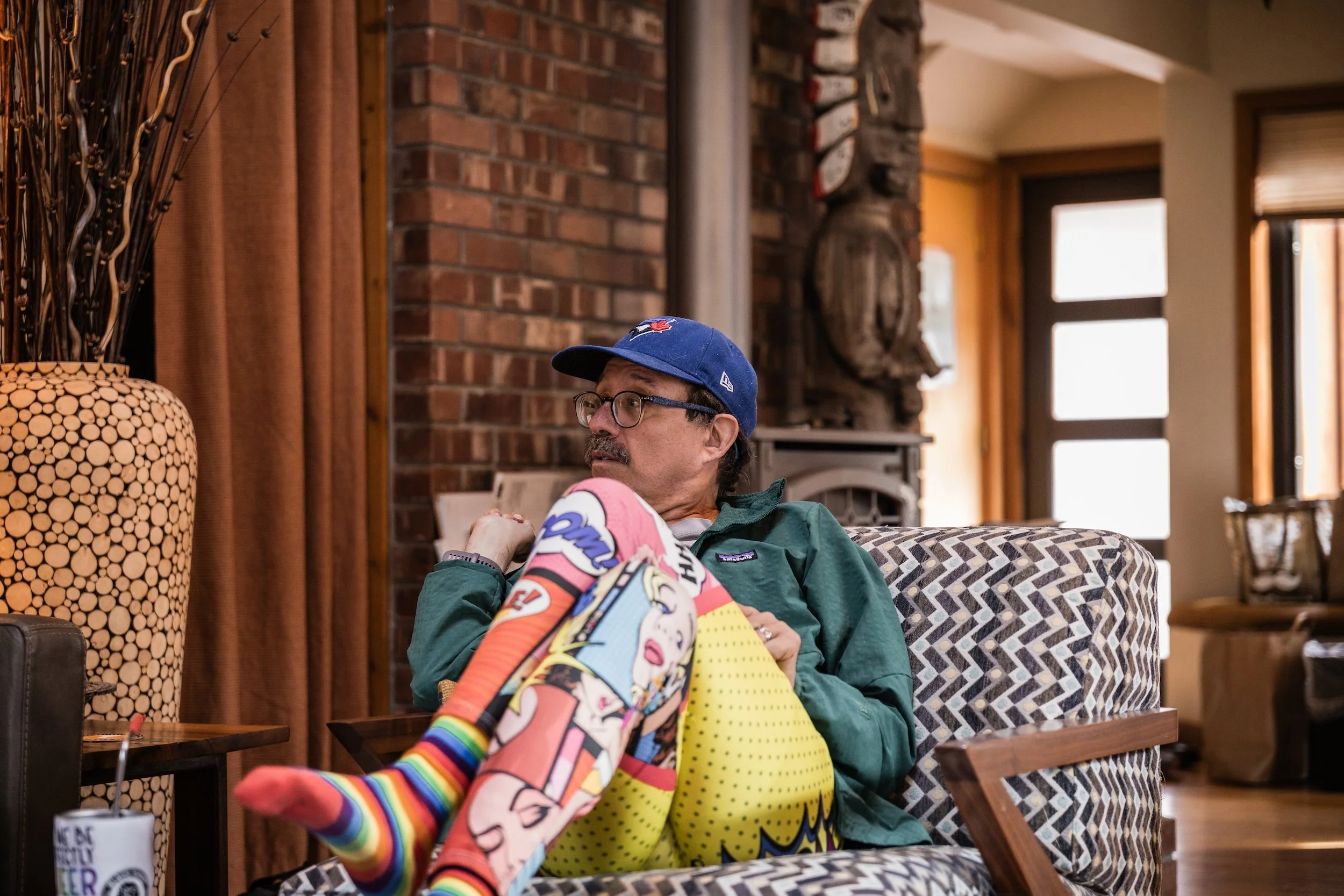
Sitting in a house outside the town of Sisters, we came together to plan and strategize what we want to accomplish in 2027. While we realize our efforts are small compared to the enormity of the challenges, there’s also a burgeoning sense of hope as we gain momentum.
It was only a few years ago, before any of the current board members joined, that there were discussions about shutting down the organization. We were bleeding funding and had to let go of our full-time executive director. Board members were resigning one by one. Not only was the trail in disarray, but so was the organization.
But now? Hope. Excitement. Energy.
One of the most meaningful activities we did over the weekend was sharing not only why we’re each personally involved, but also where we’d like to see the Oregon Timber Trail Alliance in five years. For me, this had the same effect as a rousing halftime speech from a coach whose team is down. Except in this case, we weren’t listening to a coach. We were sharing our own dreams and aspirations for the trail.
Interestingly, nearly all of those dreams were less about the organization itself and more about the trail and the communities along the way. Some talked about how this trail could make a positive economic impact on rural communities. Others talked about making the Fremont Tier a travel-worthy destination, one that belongs on people’s bucket lists.
We talked about what could be, not simply what is.
When a Trail Organization’s Vision Is Bigger Than Its Budget
There are so many spectacular trails, including long-distance routes like the Arizona Trail, Continental Divide Trail, and others. Many of these trails are stewarded by organizations with budgets that surpass a million dollars. We’re trying to cobble together trail work seemingly with duct tape, chewing gum, and baling wire.
And we couldn’t be more excited.
There’s something powerful about being part of an organization where the vision is considerably larger than the resources available to accomplish it. We know what we want to see happen. We know the challenges standing in the way. What we don’t always know is how we’re going to get there.
That’s where a compelling mission becomes so important. It gives people a reason to keep showing up, even when the work is frustrating, progress is slow, and the finish line seems impossibly far away.
Of course, passion alone doesn’t clear fallen trees, secure funding, or build sustainable partnerships. Mission-driven organizations still need realistic plans, responsible leadership, and the resources to carry out their work. And there’s a danger in allowing passion to become an excuse for expecting volunteers to continually sacrifice more than they can reasonably give.
But there’s another kind of danger. The kind that emerges when a group of people sees an enormous challenge, understands the odds, and decides to pursue it anyway.
The Dangerous Optimism of a Mission-Driven Trail Organization
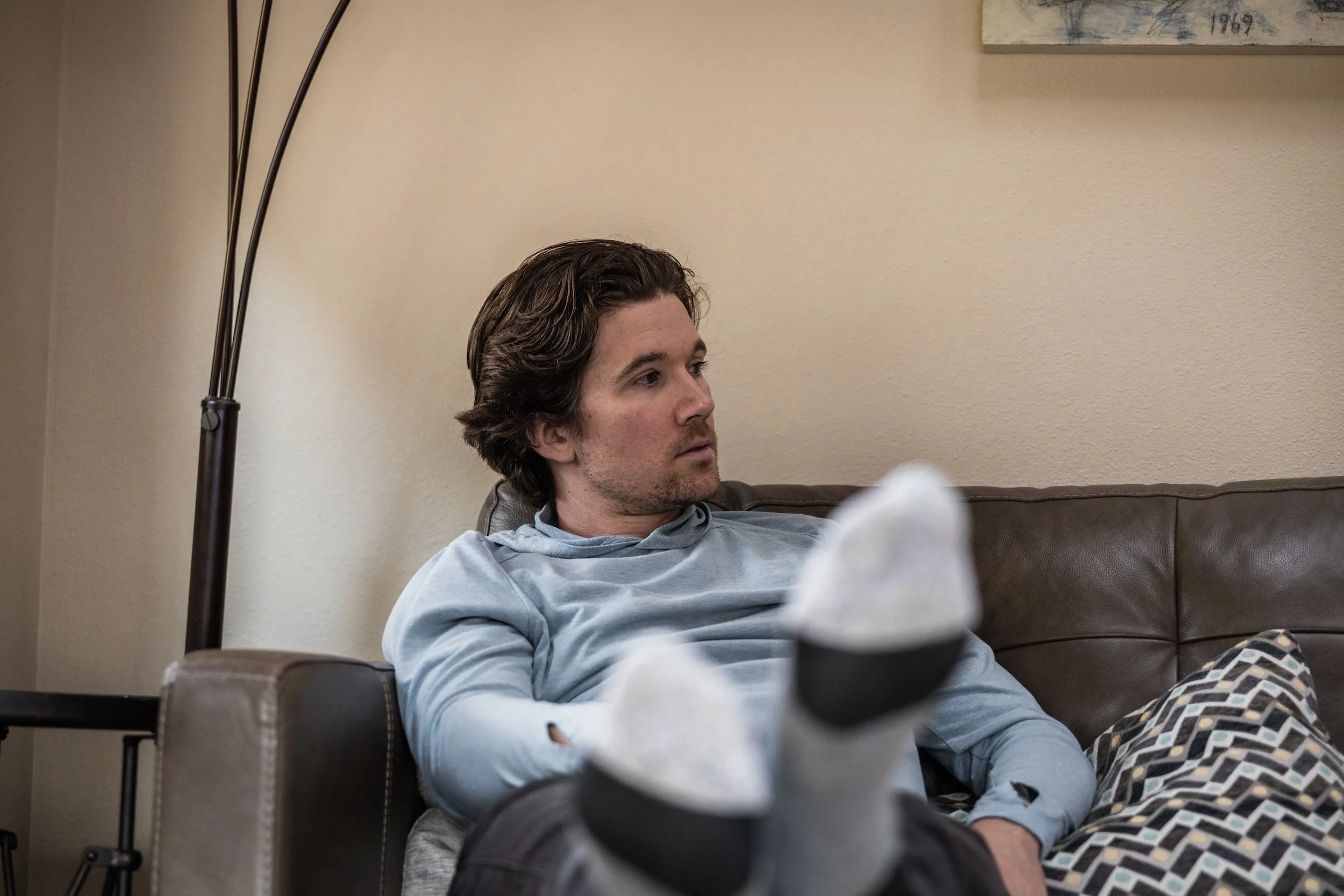
There’s something dangerous, in a good way, about a mission-driven trail organization. When the mission and vision are compelling and worth fighting for, obstacles become problems to solve rather than reasons to quit.
Funding? We’ll find a way.
Clearing thousands of downed trees? It’ll happen.
Seeing more riders venture into the Oregon Outback, potentially bringing an economic lift to some of these remote communities? That’s what we’re working toward.
Is any of this guaranteed? Of course not. But that’s the thing about a group of people who believe deeply in what they’re trying to accomplish. They’re willing to do the work without knowing exactly how everything will turn out. They’ll spend weekends in meetings. They’ll write grants, build relationships, coordinate volunteers, and navigate the seemingly endless complexities of trail stewardship. They’ll give up precious time they could be spending doing something else.
Why? The outcome is worth the effort.
Why Volunteer Trail Boards Are Worth Celebrating
Nonprofit trail orgs come in all shapes and sizes. Some are well-funded, with multiple staff members and growing budgets. At the other end of the spectrum, representing many of the organizations I interact with through Trail Builder Mag, are trail organizations led by all-volunteer boards with no paid staff.
No pay. Limited resources. Insurmountable obstacles. Thankless work. And yet, they keep showing up.
What keeps everyone going? It’s the vision of the impact that trails can have.
It’s imagining a trail system that doesn’t exist yet. It’s seeing a neglected trail restored to something people want to ride. It’s believing that a remote rural community might one day benefit from visitors who come specifically to experience its trails. It’s recognizing that the work we’re doing today might create opportunities for people we’ll never meet.
That’s what makes mission-driven trail organizations so compelling. The people involved are working toward a future they believe is possible, even when the present circumstances suggest otherwise.
As I drove home from Sisters, I thought about the hours we’d spent together, the challenges ahead, and everything we’d discussed. I also thought about the countless other volunteer trail boards around the world having similar conversations.
Different trails. Different communities. Different challenges. But the same underlying conviction. This is worth doing.
And as many of you intimately know, it’s worth clawing and fighting for. That’s the dangerous optimism of a mission-driven trail organization.
And it’s exactly why trails keep getting built.

Sean is the Founder and Editor-in-Chief of Trail Builder Mag, a digital media instructor, and the Communications Director for the Northwest Trail Alliance in Portland, Oregon. Email: sean@trailbuildermag.com