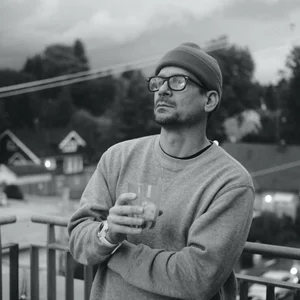
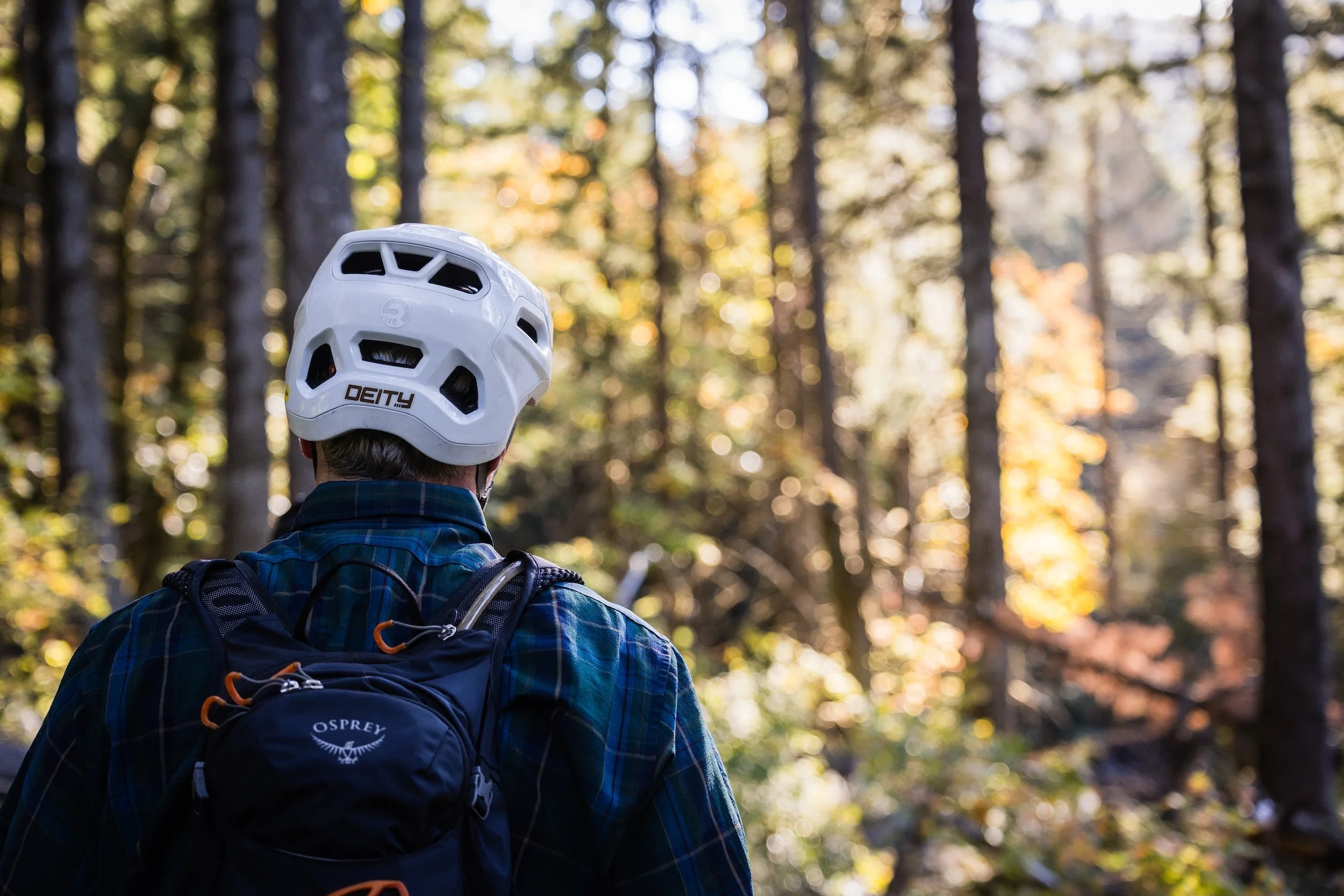
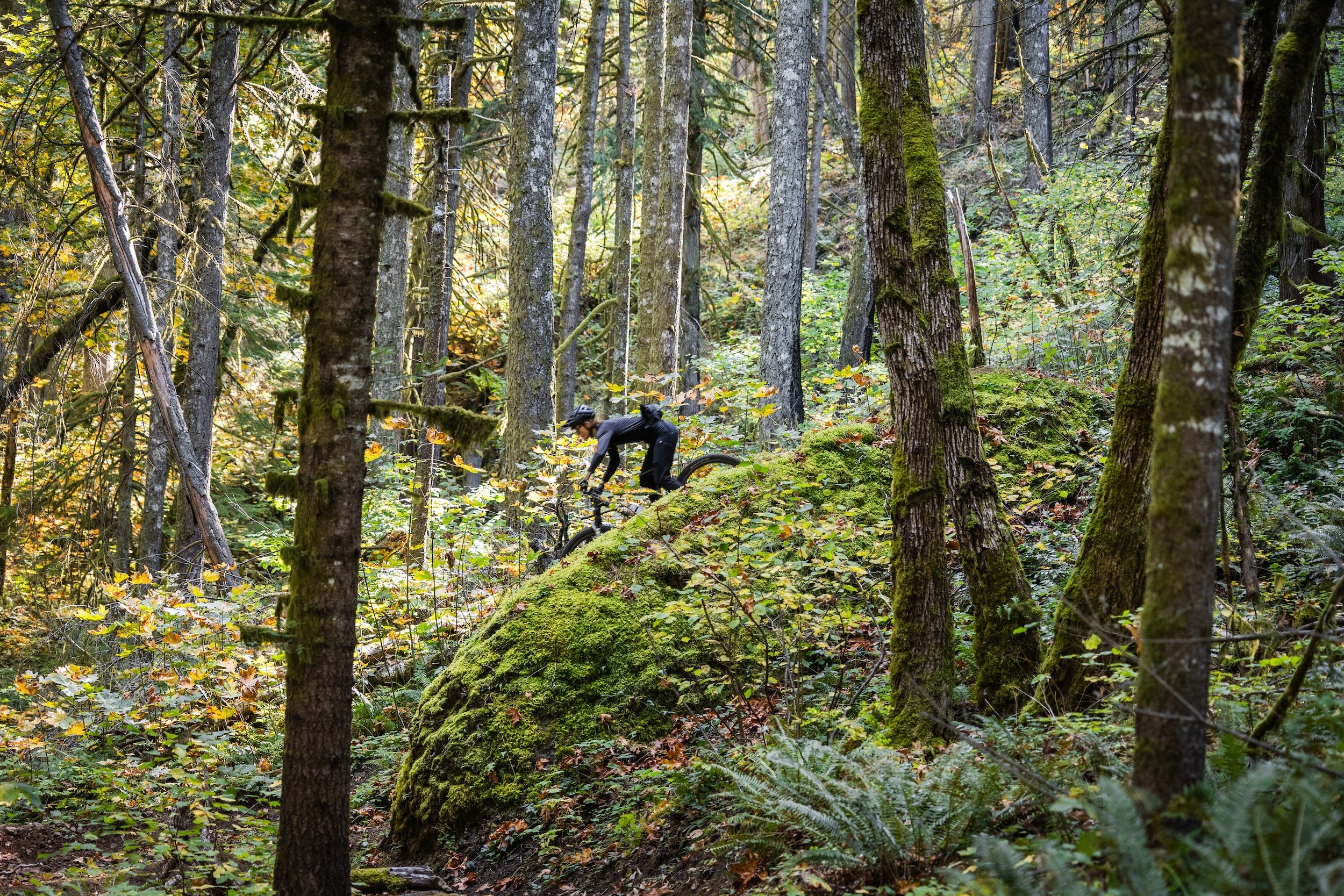
Sharing a meal and beers post-ride at Gorges Beer in Cascade Locks, Oregon, I was surrounded by staff and board members from the NW Trail Alliance (NWTA). We'd just wrapped up a full weekend of our annual board retreat. Sure, we had a lot of business to discuss around tables in our office the day before, but today was about celebration and getting out together.
Cascade Locks sits in the heart of the Columbia River Gorge on the Oregon side of the river. For decades, it’s been a sleepy small town in the Gorge you’d stop at for gas or snacks while driving through to other places to ride, like Hood River. However, more and more people are now stopping in Cascade Locks to ride.
Within the past year, Cascade Locks has earned an IMBA designation as a Trail Town. Seemingly forever, the idea of building not only trails, but mountain biking trails in the Gorge was a fever dream for many. Through the plucky determination of NWTA volunteers, the idea moved from dream to reality. Now you can ride mountain bikes on purpose-built trails in one of the most iconic destinations in the U.S.
How Volunteer Trail Organizations Are Transforming Mountain Biking
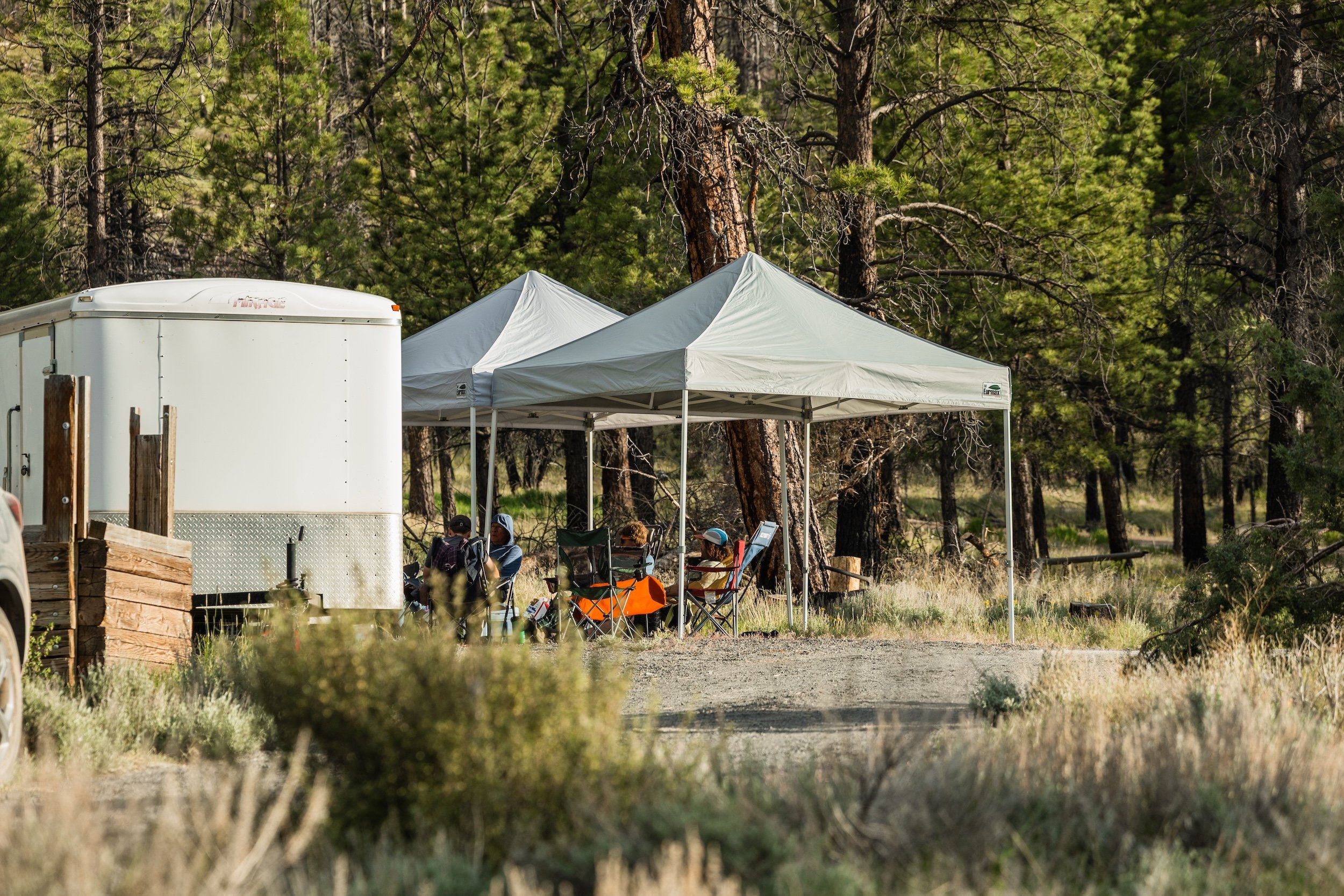
Even today, volunteers coordinate and lead all work parties.
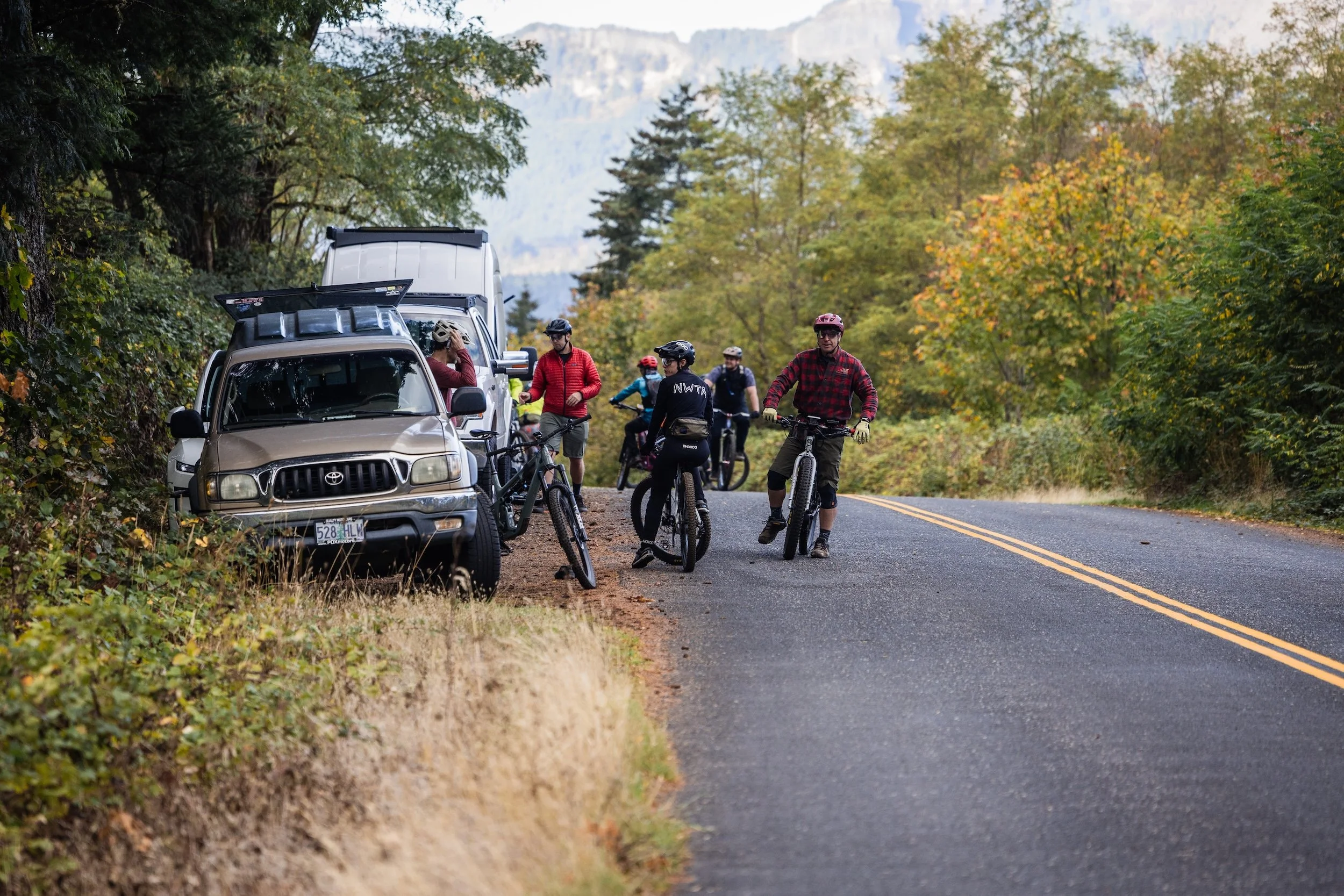
The final day of our Board retreat was a half day spent together laughing and riding these trails. I had previously been out numerous times to shoot photos for dig days. If you know this area, you know some of those days meant a downpour, and keeping camera equipment from getting soaked was a challenge.
But on this day, what started as overcast burned off, revealing blue skies and sunshine. It was a picture-perfect day for a ride.
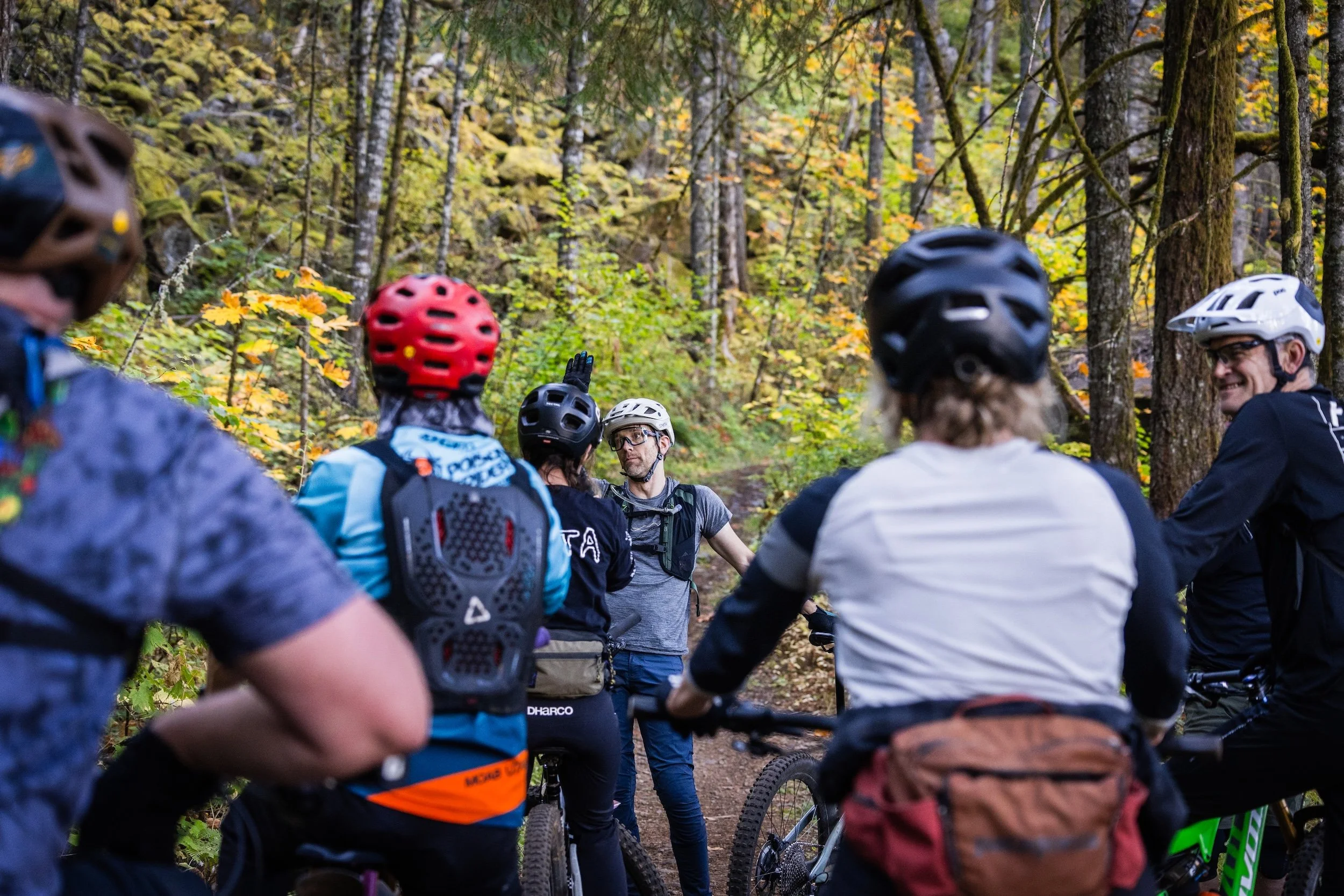
If you’re reading this, you know how special it is to ride with a community. Lots of stopping, talking, laughing, and cheering each other on. These are the kinds of experiences that stick with you and linger … in a good way. I believe what makes them even more memorable is that we’re all doing this because we’re aligned on the mission of building, maintaining, and advocating for more trails and more access.
What It’s Really Like to Serve on a Nonprofit Trail Org Board
I sit at this odd intersection of working for, with, and on nonprofit trail orgs.
On the side, I am the Communications Director for the NWTA here in Portland. I’ve been in this role for five years now, shooting photos, updating the website, and posting on social media. This was part of my origin story for launching Trail Builder Mag. To highlight and tell stories of trail builders.
I regularly interact with our amazing Board of Directors and am privileged to have worked with incredible people over the years. When I first started, I was the only paid staff member (part-time). I worked with the volunteer Board. Since then, we’ve hired a full-time executive director, a full-time trails director, and a full-time youth and programming director. It’s been an exciting adventure to watch this nonprofit trail org grow.
A year and a half ago, I took the plunge and joined the board for the Oregon Timber Trail Alliance (OTTA). It’s been both an exhilarating adventure and an exhausting struggle. By struggle, I mean squeezing time for my marketing and communications role into a busy schedule when, during the school year, I teach full-time and don’t really have any margins. We have no paid staff, and we’re a 100%-volunteer-led board. That means we’re a working board, so we lead and carry out the work.
Lastly, through Trail Builder Mag, I am in constant communication with non-profit trail org boards far and wide. Whether I’m publishing content from board members or creating resources to help these kinds of orgs, a huge chunk of our audience has some role, involvement, or responsibilities with their local trail org.
Working Boards vs. Governing Boards: Understanding the Difference
I’ve sat on several boards over the past few years. They range in size, scope, and personal involvement. At one end of the spectrum, I’ve been on the board of a multinational non-profit with a global staff and large budget. As a board, we flew at 30,000 feet above the fray and provided broad oversight. At the other end, I’ve served on boards with little-to-no budget where the board is truly a working board. Meaning, we’re de facto unpaid staff who carry forward the mission of the org.
That is where I find myself with the Oregon Timber Trail Alliance.
The Hidden Challenges of Being a Volunteer Nonprofit Board Member
For months, I’ve been pondering writing an article titled, “Why I’m a horrible board member.” The truth is, volunteer board members aren't just volunteers; we squeeze time in where we can. Over the course of the year, my schedule ebbs and flows around the school year. During the summer, I feel like I’m a super board member and have ample time to dedicate to the OTTA. During the school year? That’s a different story. I can barely keep up. Too often I feel like I’m letting everyone down.
That’s the plight of volunteer board members.
So many trail orgs operate in this space. Yes, some are bigger, with paid staff and boards that provide oversight. Most smaller ones? Well, that’s on the board to make things happen. When we get busy with our lives and day jobs, working on the org lags.
I’m continually humbled and impressed by how much trail work out there is done by volunteers. Volunteer board members. Volunteer trail builders. This is the backbone of our trails.
Yes, there are shining moments when we get a grant and can hire a pro builder on a critical project. However, in between those times, it falls on our shoulders.
The Never-Ending Work of Trail Maintenance and Stewardship
The OTTA stewards the nearly 700-mile Oregon Timber Trail that begins near the California border and zigs and zags its way to the Columbia River at the Washington border. Most of the trail crosses terrain where at least one trail org stewards trails in the area.
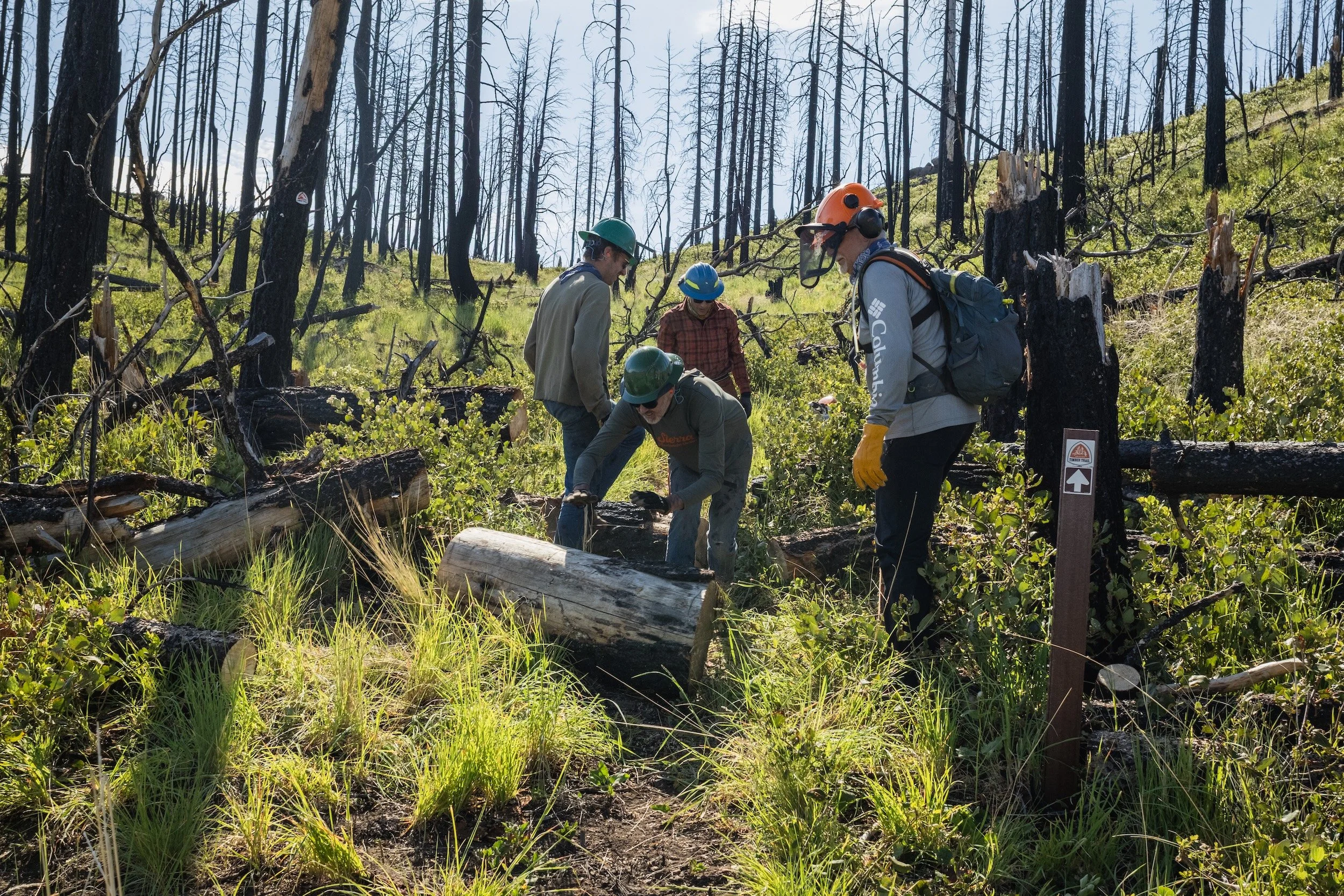
In those locations, much of our work is collaborating with these orgs on trail work. However, the first 200 miles are on our own. This stretch is also remote and sees very little trail use. Oh, and during fire season year after year, another portion of the trail seems to get burned out.
Between fire damage and deadfall, keeping the trail clear of downed trees is full-time work, and yet we can only schedule and get other volunteers a handful of weekend trail work parties.
Every summer is the Grand Depart, where a handful of plucky intrepid adventurers attempt to race the full Oregon Timber Trail. One common theme we hear from racers is how many times … in the hundreds … they have to climb across a downed tree. Oftentimes it's more of a mental test than a physical one.
I bring this up to highlight the challenge we all face building and maintaining trails. For the Oregon Timber Trail, we’re not even at the point where we can think about tread work. All of our efforts are focused on clearing deadfall and brushing. That’s it.
And that’s just trail work.
By the way, we still need to raise funds, which entails a team effort of applying for grants, maintaining our website, communicating via email newsletters and social media, and so much more. It’s exhausting and overwhelming. That’s why I so often feel I’m lagging and small in what I can do.
Why Volunteer Trail Builders Are the Backbone of Mountain Biking
If you made it this far, I’m sure a lot of you can relate. I don’t bring this up out of doom and gloom or “woe is me.” Instead, I want to highlight the work it takes to steward trails. It’s never-ending work. At the same time, it's worth it. All of it.
I created Trail Builder Mag to celebrate trail builders and maintainers, who are the unsung heroes of mountain biking. We regularly celebrate riders, racers, influencers, and bike brands. They deserve all of the accolades. At the same time, without trail builders, who are mostly volunteers, there would be no trails in places like the Columbia River Gorge.
To all of the volunteer builders and board members, thank you. To all of the pro trail builders who work with local non-profit trail orgs, thank you. To everyone who works for government agencies, thank you. Trail work is truly a collaborative endeavor.
No dig, no ride.

Sean is the Founder and Editor-in-Chief of Trail Builder Mag, a digital media instructor, and the Communications Director for the Northwest Trail Alliance in Portland, Oregon. Email: sean@trailbuildermag.com