Somewhere on the west coast of the United States, a mountain bike trail exists in an unusual state of limbo.
It isn’t officially sanctioned. No, it wasn’t designed or built through an approved government process. Yet the local municipality knows it exists, riders continue using it, and volunteers periodically maintain it.
For now, the trail is tolerated.
One of the people helping maintain it is also working to get it officially recognized by the city.
That makes this story and interview with a rogue trail builder different from many accounts of unsanctioned trail building we’ve shared before. When it comes to the “official system,” the builder isn’t trying to work around it. Instead, he’s working within it while continuing to care for a trail that technically shouldn’t exist. And he’s discovering that turning an unofficial trail into a sanctioned one may be more complicated than building it in the first place.
Why Sanctioning Mountain Bike Trails Is So Complicated
From the outside, approving an existing mountain bike trail might seem relatively straightforward. The trail already exists. People are riding it. Volunteers are maintaining it. If the community supports the trail, why not simply make it official? However, the reality is considerably more complicated.
According to the builder, municipalities have a long list of concerns when considering mountain bike trail development. Liability. Safety. Conflicts between trail users. Parking. Noise. Neighborhood complaints. Each concern represents another obstacle that must be addressed before a project can move forward. And those concerns aren’t necessarily unreasonable.
Public agencies are responsible for managing land for multiple purposes and user groups. A new mountain bike trail may create opportunities for recreation, but it can also introduce challenges that officials are obligated to consider.
The builder has learned that much of the process involves anticipating problems before they become public controversies. Rather than simply asking the city to approve a trail, he’s trying to identify every likely objection and develop a response. That includes thinking about how the project will affect nearby residents, how riders will access the trail, and how the municipality might manage the area over time.
He believes city officials are often motivated by a desire to minimize complaints and conflicts. After all, few public officials want their inboxes filled with angry emails from residents upset about mountain bikers using public land.
The challenge, then, isn’t only convincing officials that mountain bike trails have value. It’s convincing them that approving those trails won’t create more problems than they’re willing to manage.
When Trail Approval Moves at the Speed of Government
The builder has reason to believe the project could eventually succeed. There is support within the local government, and the community has a history of people building and riding trails in the area. But support doesn’t automatically translate into approval.
Funding is one obstacle.
During the COVID-19 pandemic, many municipalities received additional federal funding for parks and infrastructure improvements. Some communities also approved local funding measures. Much of that money has since been allocated or spent.
Without a dedicated funding source, even projects that have political support can remain stalled. The builder has been told that the trail project may need to wait until the municipality’s next long-term parks development plan. That could mean several more years before anything substantial happens.
It raises an important question. When a trail already exists and has an established user base, should the process for sanctioning it be different from the process for developing an entirely new trail?
The Challenge of Building Trails That Riders Actually Want
There is another complication.
The builder doesn’t simply want the city to approve a trail. He wants it to approve a trail that people will actually enjoy riding. He believes public agencies sometimes approach mountain bike trail development with an emphasis on avoiding difficult features. Steep terrain, jumps, drops, and technical sections can make officials uncomfortable because of perceived safety and liability concerns. Yet those features are precisely what some riders want.
The builder isn’t advocating exclusively for highly technical trails. Instead, he wants a progressive riding area where people can develop their skills.
“I also try to stress with the city that we want to build progressive trails and features for educational purposes and skills improvement, not just double black diamond gnarly jumps and huge gaps,” he explained.
His vision includes opportunities for beginner and advanced riders, skills instruction, and potentially organized youth programs. He believes these educational opportunities could make the project more appealing to city officials and strengthen the case for public investment. But he also worries about compromise going too far.
“I also don’t want it to get dumbed down by the city and end up with something boring and lame that no one wants to ride.”
That tension is familiar throughout mountain bike trail development. Agencies want trails that are accessible, safe, and manageable. Experienced riders want trails that challenge them and offer progression.
Why Public Opposition Can Derail Mountain Bike Trail Projects
Beyond government bureaucracy, the builder sees another significant obstacle: opposition from other recreation users and nearby homeowners. He has attended contentious public meetings where mountain bikers were portrayed negatively.
Some opponents characterized riders as irresponsible or disruptive, reinforcing stereotypes that make it harder to build support for new trails. The builder believes organized opposition from hikers, equestrians, and homeowners can become especially influential during the approval process.
At the same time, he acknowledges that some mountain bikers contribute to the problem. He describes a familiar dynamic in which a small percentage of riders create a disproportionate number of conflicts.
A rider passing a horse at excessive speed or behaving aggressively toward hikers can shape how an entire community is perceived. Those incidents can become powerful arguments against trail development, regardless of how responsibly most riders behave.
This is one reason the builder is cautious about generating publicity for the project too early. He wants to establish relationships, address concerns, and develop a workable proposal before opening the discussion to a broader audience. He believes premature attention could generate misinformation and opposition before the project has a realistic opportunity to succeed.
For trail advocacy orgs, this presents a difficult balance. Public engagement and transparency are essential parts of planning recreational infrastructure on public land. But the builder’s experience also illustrates how quickly a proposal can become politically contentious.
Can Rogue Trail Builders Become Partners With Land Managers?
The builder’s situation challenges a common assumption about unsanctioned trail building.
Rogue builders are often portrayed as people who reject authority, ignore public processes, and have little interest in working with land managers. Some undoubtedly fit that description. But others may be frustrated advocates who would gladly work within the system if they believed it offered a realistic path forward.
This builder is actively pursuing that path. He isn’t demanding that the city simply overlook unauthorized construction forever. He wants public investment, professional trail design, structured maintenance, and official recognition. He’s also willing to spend years navigating the bureaucracy to make it happen.
That doesn’t erase the fact that the existing trail was built without authorization. Nor does it eliminate legitimate concerns about environmental impacts, public safety, liability, and the rights of other land users.
But it does reveal an opportunity.
The Future of Unsanctioned Trail Building May Depend on Cooperation
One of the more revealing moments in the interview had little to do with government regulations or trail design.
The builder recalled walking his dog near the riding area when a young girl passed with her mother. She was riding a small pink bicycle. As they approached the trail, the girl looked up at her mother and asked: “Mommy, can we pwease go on the jumpy twail?” It’s a small (and cute) moment, but it captures something easily lost in debates about unsanctioned trails.
For the girl, the trail wasn’t a political controversy, a liability concern, or an unauthorized alteration of public land. It was simply a place where she wanted to ride her bike. The builder sees that enthusiasm as part of the reason communities should invest in better mountain bike infrastructure. He believes agencies can create safe, inclusive riding opportunities while addressing the concerns of other user groups.
His message to land managers is straightforward. “Please find a way to expedite approval and budget and minimize conflict.”
Whether his particular project will eventually become sanctioned remains uncertain. The process could take years. Funding may never materialize. Public opposition could emerge. The municipality could ultimately decide against the proposal.
For now, the trails remain unofficial.
But to me, this story offers an important perspective on the larger issue of unsanctioned trail building. Not every rogue builder wants to remain outside the system. Some are actively trying to get inside.
Maybe then the most productive question for land managers isn’t simply how to stop people from building without permission. It’s how to create a process that makes builders want to seek permission in the first place. Would there be fewer rogue trails then???
—————————-
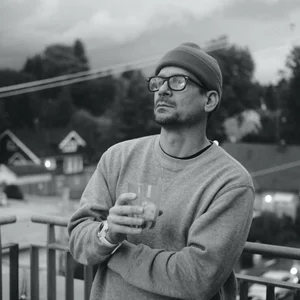
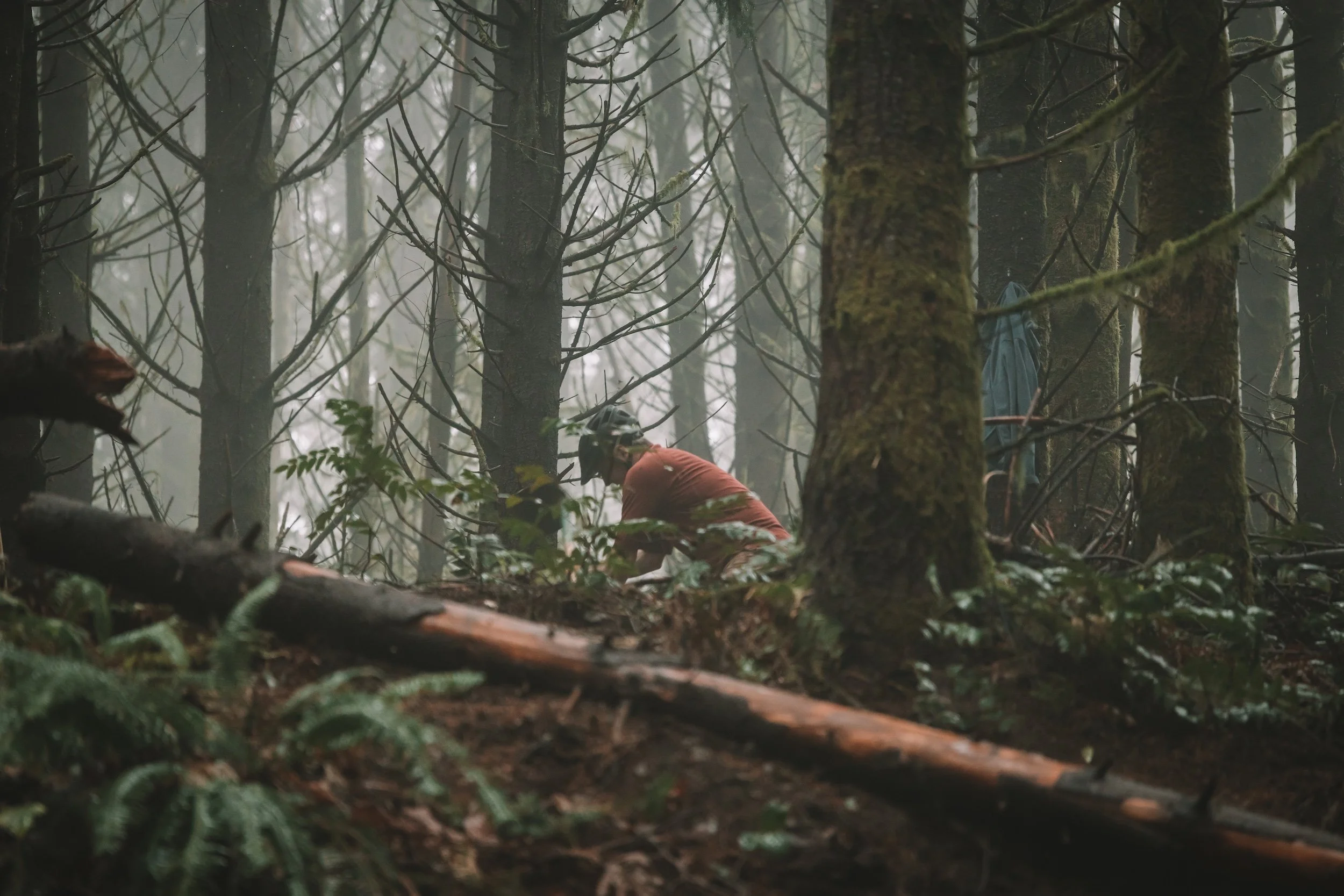
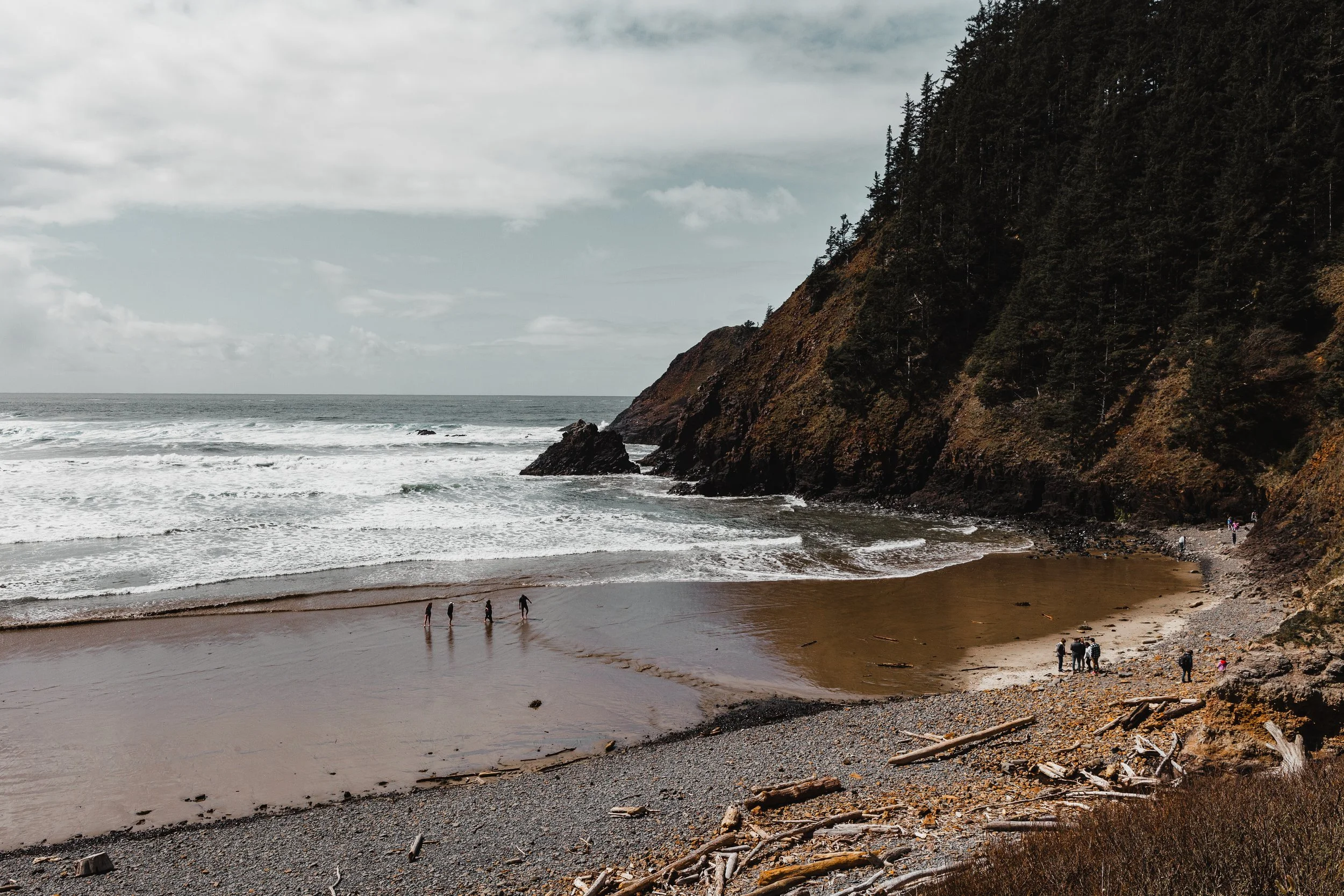
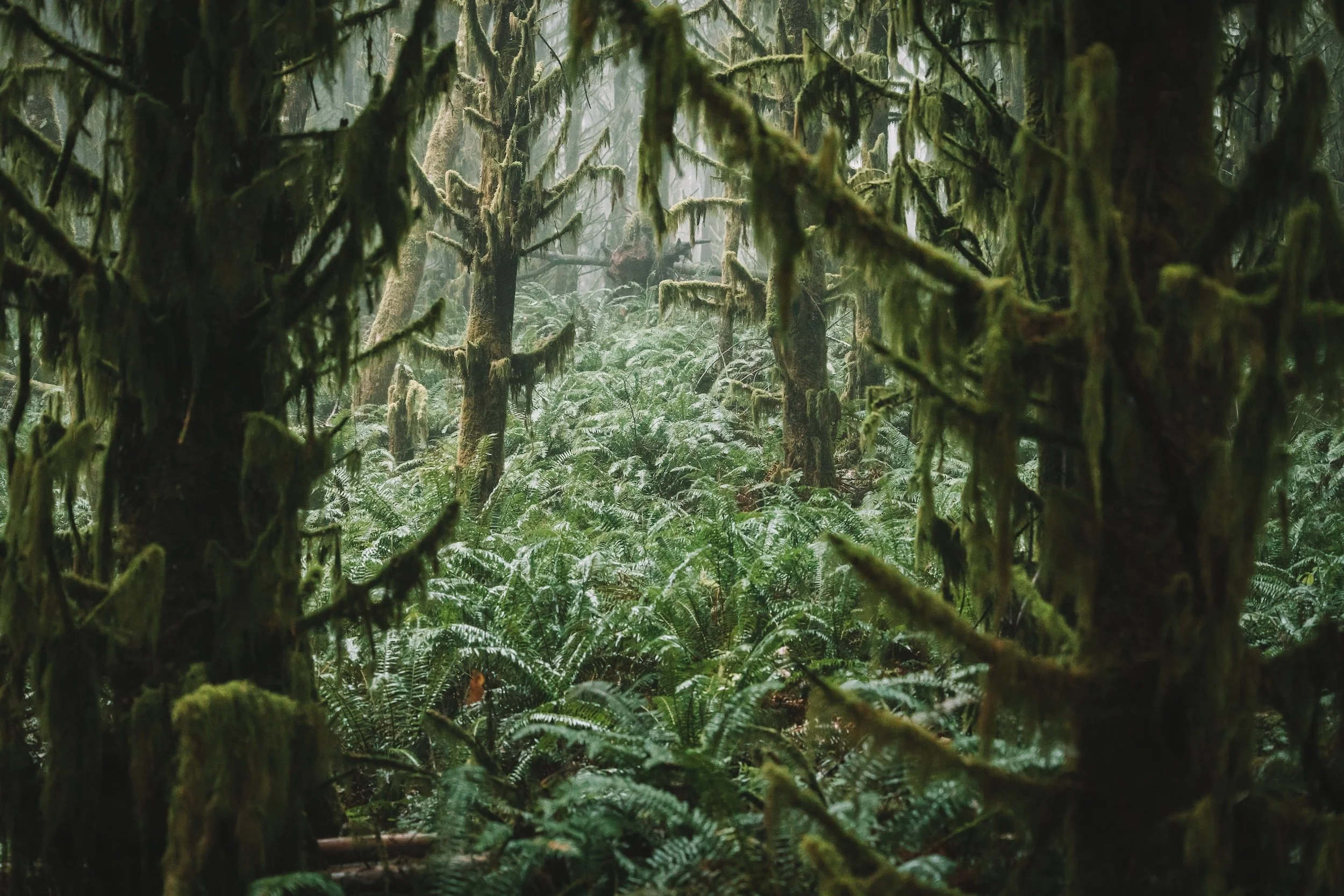
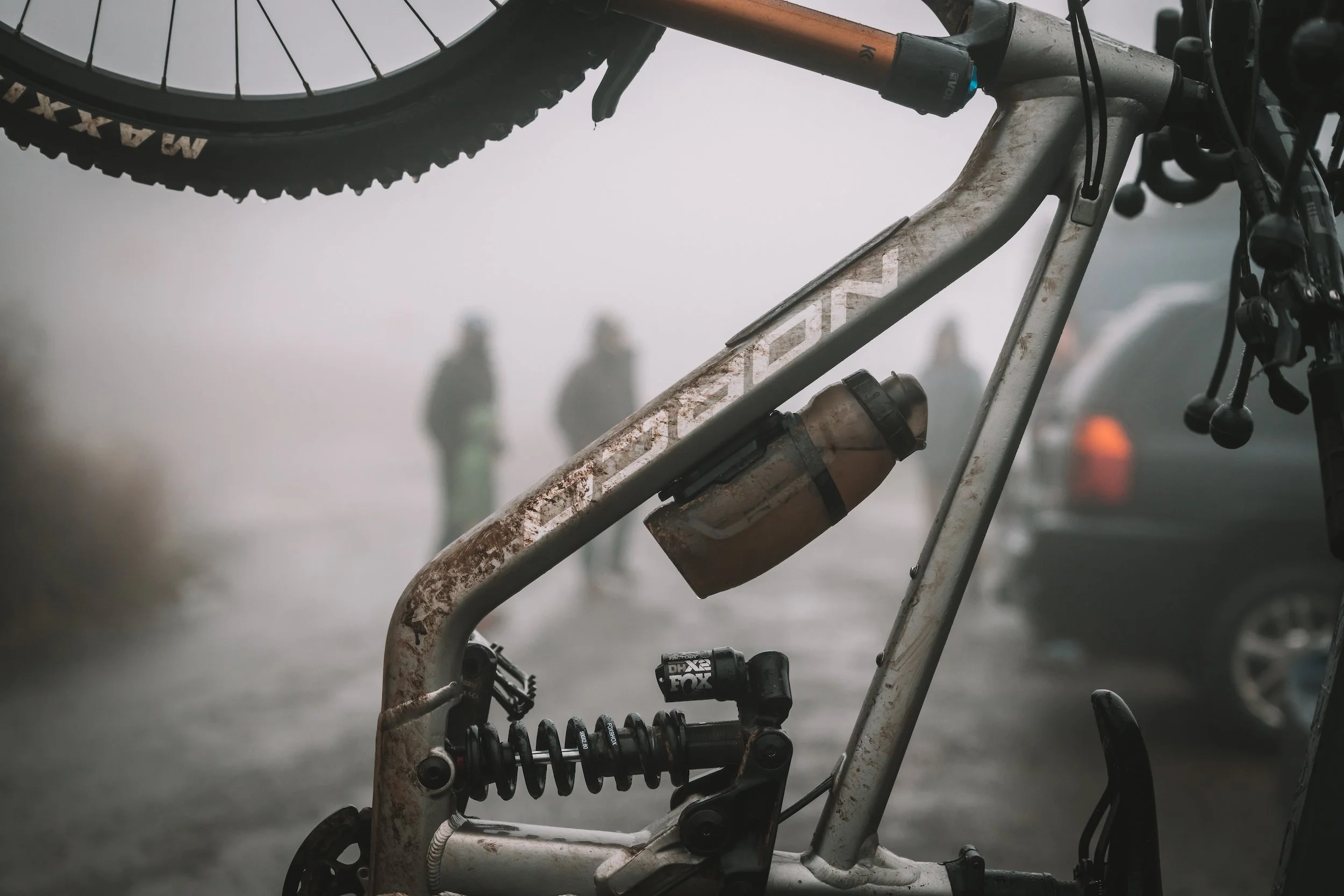
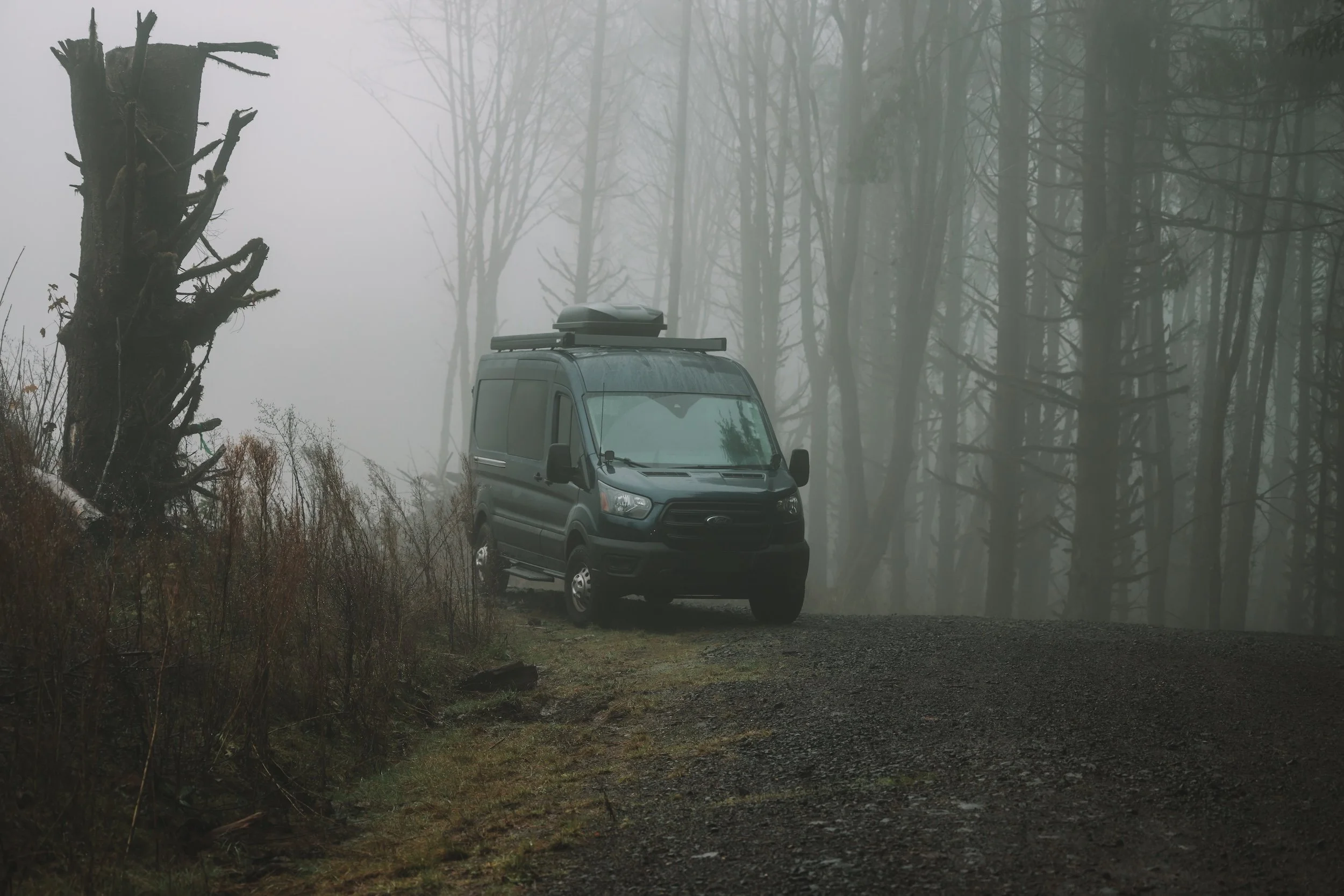
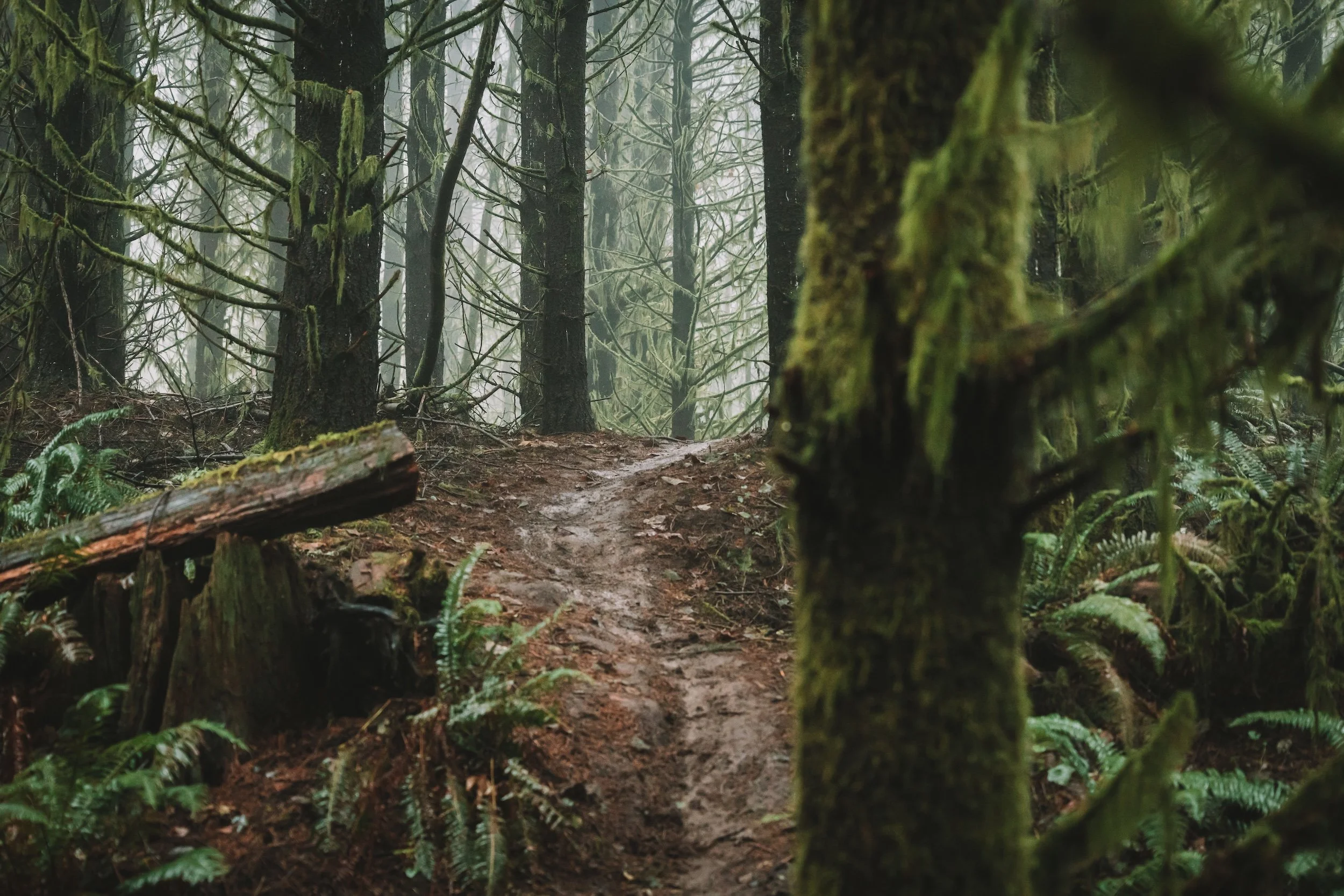
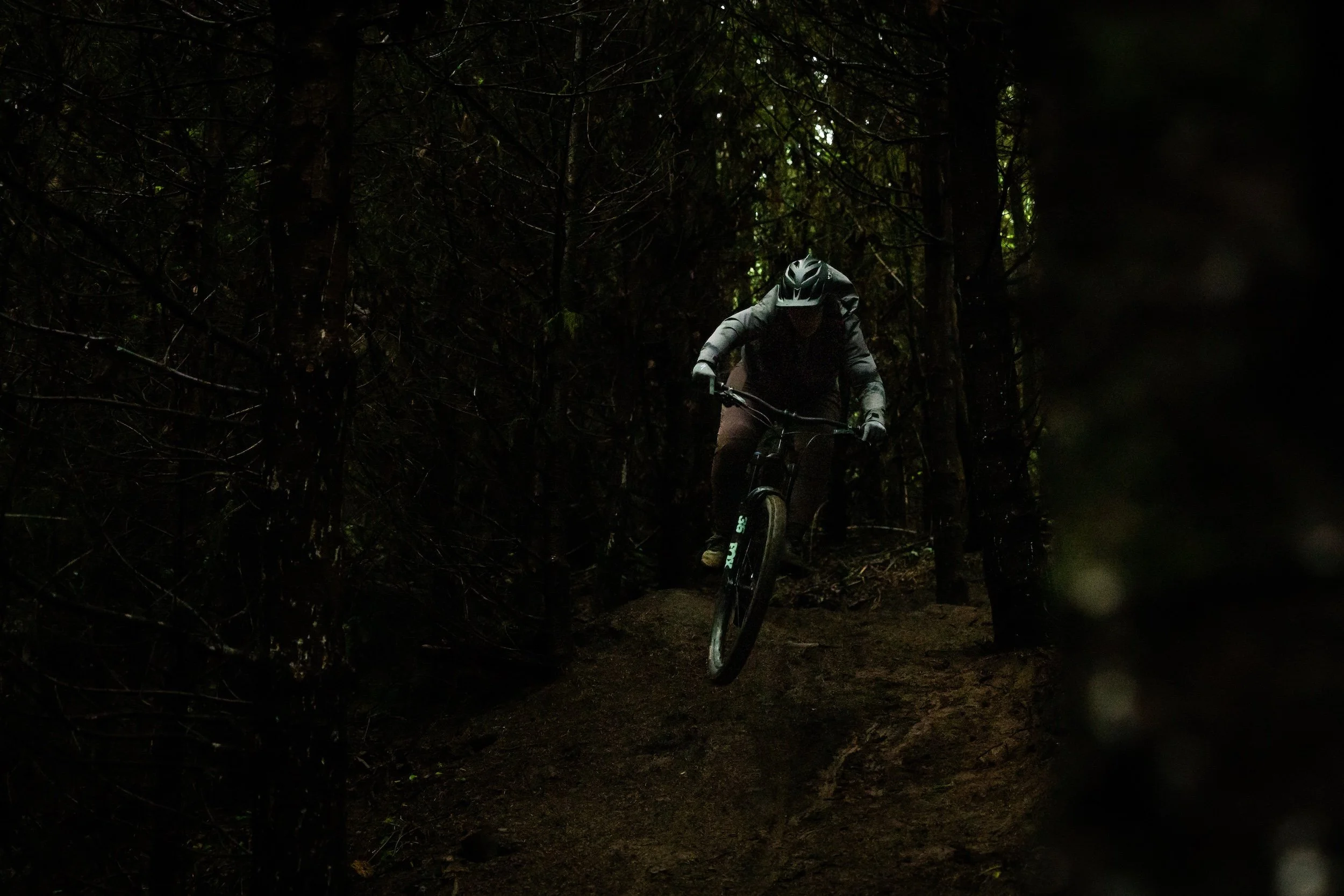
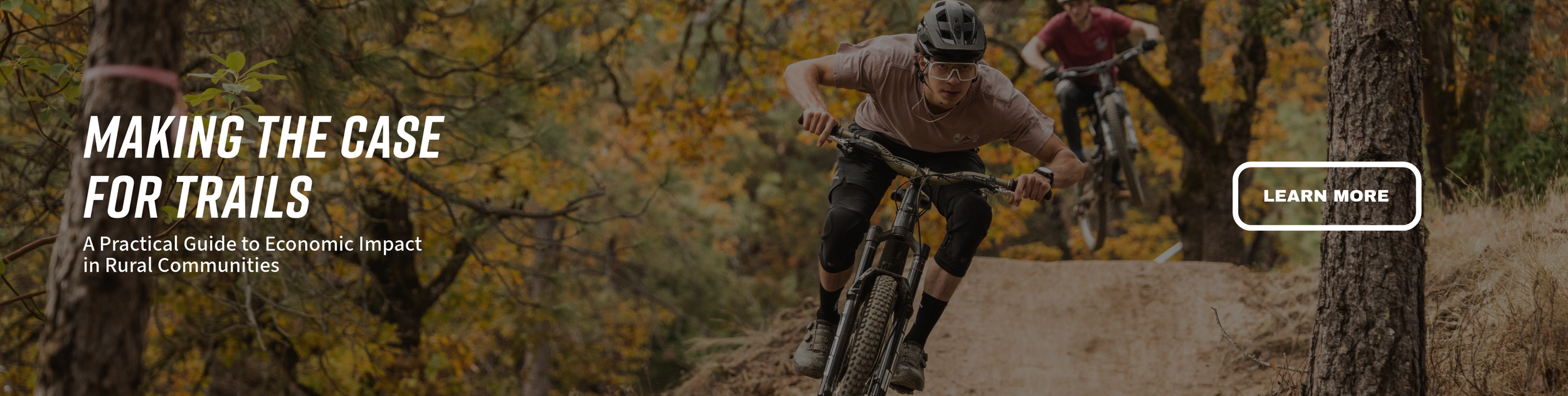
Editor’s note: Whenever we do these interviews with rogue trail builders, I try to make sure I don’t share too many details about where they’re from. These photos are merely representative and hopefully help shape the story.

Sean is the Founder and Editor-in-Chief of Trail Builder Mag, a digital media instructor, and the Communications Director for the Northwest Trail Alliance in Portland, Oregon. Email: sean@trailbuildermag.com