Why Trails Succeed in Some Rural Communities and Stall in Others
What Determines Whether Rural Trail Development Gains Momentum or Falls Flat
If trails are so powerful, why do they work in some rural communities and stall in others?
It is a fair question.
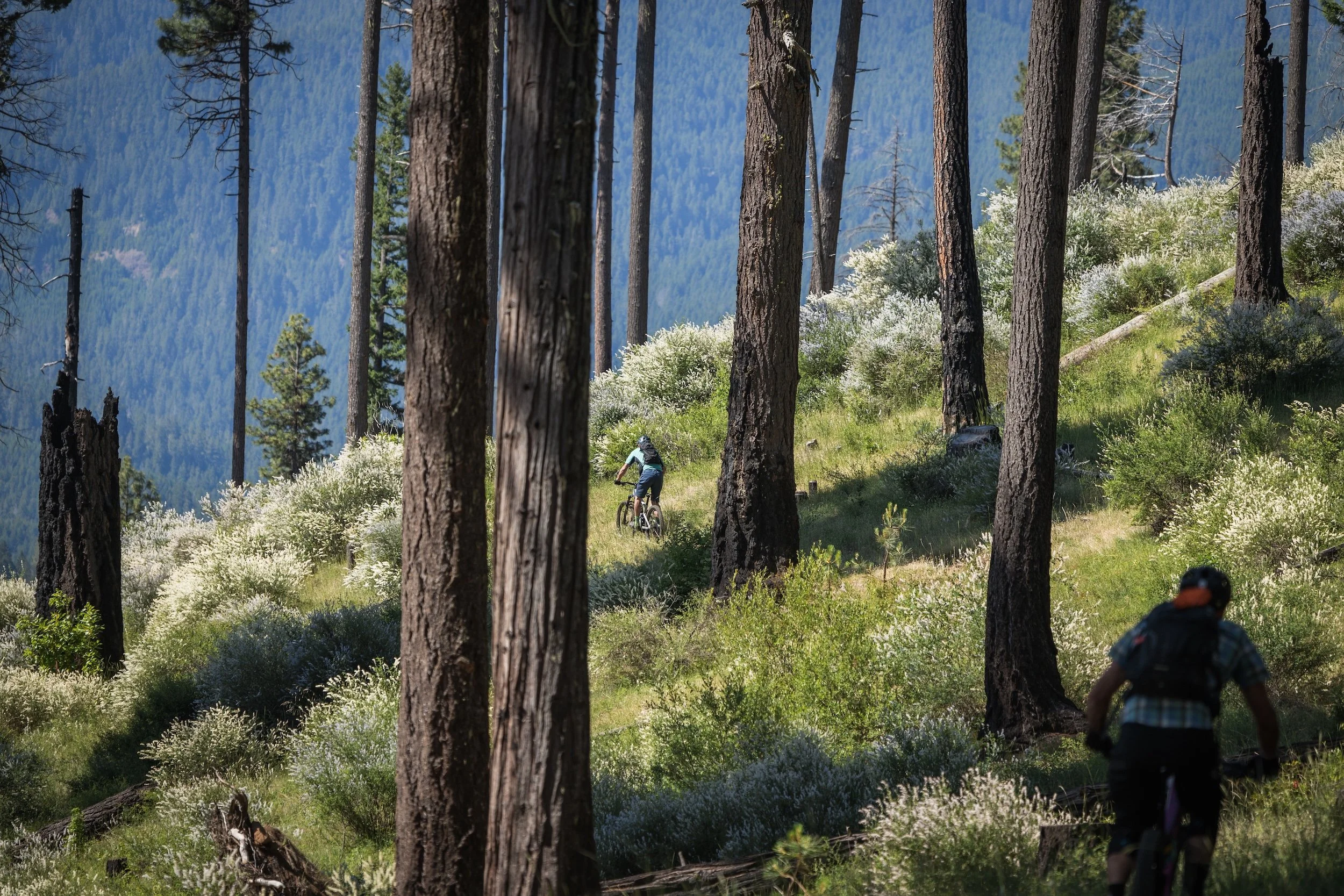
Take Oakridge, Oregon.
Oakridge is often held up in national trail-building and mountain biking media as a turnaround success story. And in many ways, that is true. The trails are world-class. Visitors show up. Momentum is visible. But spend real time there, and you quickly realize something else. It is still rough around the edges.
Economic transition takes time. Community identity shifts slowly. Not every resident is aligned. Not every problem is solved just because trails exist. Oakridge is not a fairy tale. It is a process.
Because for every community that gets highlighted as a success, there are others with just as much potential that struggle to gain traction. The terrain might be just as beautiful. The vision just as ambitious. Yet the outcomes are very different.
After watching trail projects unfold across multiple rural communities, certain patterns emerge. Trails do not succeed because of geography alone. They succeed because of alignment.
Trust. Timing. Community ownership. Internal alignment.
When those elements are present, trail systems gain momentum. When they are missing, even well-funded projects can stall.
Let’s break down why.
Trust Is the Foundation of Rural Trail Success
Before trails drive tourism, they must build trust. Trust between volunteers and local leadership. Trust between nonprofits and land managers. Trust between longtime residents and new advocates.
In rural communities, relationships run deep. History matters. Old conflicts do not disappear simply because a good idea shows up.
Where trails succeed, you often see years of relationship-building behind the scenes. Conversations before construction. Listening before promotion. Shared wins before expansion.
Where trails stall, there is often unresolved tension. A perception that the project is being pushed rather than built together. A sense that decisions are being made by a few, not with many.
Trail development is social infrastructure. If the relational foundation is weak, the physical infrastructure will struggle to hold.
Timing Matters More Than Enthusiasm
Not every community is ready for a trail initiative at the same time.
Some towns are emerging from economic transition and actively looking for a new direction. Others are in the middle of political strain or leadership turnover. Some are facing basic infrastructure challenges that understandably take priority.
Enthusiasm alone does not determine readiness.
Communities that succeed often share one characteristic. There is a window of openness. Local leaders are curious. Residents are willing to experiment. The idea of trails feels additive rather than disruptive.
In communities where projects stall, timing is often overlooked. The idea may be strong, but the broader community is not yet aligned around change.
Sometimes success is less about pushing harder and more about recognizing when to build slowly.
Community Ownership Is Non-Negotiable
One of the clearest patterns is this: trails succeed when they are owned locally.
Not just funded locally. Owned.
When trail projects are perceived as external initiatives, even well-intentioned ones, resistance grows quietly. People want to know that the trail reflects their values, their needs, and their long-term vision.
In communities where trails thrive, you see:
Local champions who are trusted voices.
Volunteer days that feel communal, not transactional.
Decisions that incorporate local knowledge of land and history.
Ownership definitely does not mean everyone agrees. It just means people feel included in the process.
When ownership is thin, momentum fades quicker than knock-off disc brakes after the initial excitement.
Internal Alignment Prevents Public Conflict
Trail systems do not operate in a vacuum. They intersect with economic development, tourism, conservation, and local politics.
Where trails succeed, key stakeholders are aligned early. Not necessarily unanimous, but aligned enough to move forward without constant friction.
Economic development groups understand the long game.
Land managers are clear on expectations.
Trail advocates understand local sensitivities.
Where projects stall, misalignment often surfaces publicly. Mixed messaging. Competing visions. Confusion about goals.
Alignment is rarely dramatic. It is quiet and deliberate. It happens in small meetings long before ribbon cuttings.
The Terrain Is Rarely the Real Issue
It is easy to blame terrain, funding, or marketing when a trail project struggles.
But more often than not, the issue is structural.
The community skipped the trust-building stage.
The timing was off.
Ownership was unclear.
Stakeholders were not aligned.
The physical landscape is only one variable. The social landscape is usually the deciding factor.
What Successful Rural Trail Communities Have in Common
When you step back, the pattern becomes clearer.
Successful communities:
Start smaller than they talk.
Invest heavily in relationships.
Communicate consistently and transparently.
Celebrate incremental progress.
Let identity shape the trail, not the other way around.
They treat trail development as a process, not a project. And they understand that the work happening before construction often determines the outcome after it.

Conclusion: Trails Are Powerful, But Process Determines Impact
Trails can transform rural communities. We have seen it and we want to see more.
But transformation does not happen automatically.
It happens when trust is built. When timing is respected. When ownership is shared. When internal alignment is intentional.
If trails are going to serve rural communities well, the focus cannot be limited to design and funding. The focus must include process.
The communities that understand this tend to move slower at the beginning.
And faster in the long run.

Sean is the Founder and Editor-in-Chief of Trail Builder Mag, a digital media instructor, and the Communications Director for the Northwest Trail Alliance in Portland, Oregon. Email: sean@trailbuildermag.com