

Tell the Story, Build the Support: How Small Trail Organizations Can Use Social Media to Rally a Community
In Pioche, Nevada, a new trail system is transforming more than just the landscape—it’s helping reshape the town’s identity. And they didn’t do it with big sponsors or flashy marketing. They told their story.
In our latest article, we explore how small and underfunded trail nonprofits, for-profit builders, and rural communities can use social media to build momentum, invite others in, and grow support—without needing a big budget.

Why Trail Builders Need Their Own Platform ... And Why It’s Working
Mountain biking celebrates the elite. Trail building celebrates everyone else. You show up early. Haul tools. Shape berms. Drain puddles. And most days, nobody notices. I started Trail Builder Magazine because I wanted to change that.

Unsanctioned: A Series About Rogue Trail Builders - Part 4: East Africa
In a forested region in East Africa, a small group of mountain bikers is quietly building trails. There are no press releases, no grants, no signage. Just machetes, shovels, and a deep respect for the land and the communities who live alongside it. In this installment of our Unsanctioned series, we spoke with one of the builders behind these efforts. What follows is a rare window into what it means to build trails when the rules are unclear, the forest is contested, and success isn’t measured in Strava segments but in schoolchildren crossing muddy paths and reforestation crews finding safe passage.

Price & Purpose
In “Price & Purpose,” trail builder Dillon Osleger calls for a shift in mountain biking culture—away from commodified, copy-paste flow trails and toward restoration, local engagement, and ecological stewardship. He critiques the industry’s fixation on new trails as economic drivers and urges a deeper reckoning with the environmental and cultural impacts of trail development. Trails shouldn’t just be sold—they should serve people and place.

Discovering Oaxaca: 5 Years of TranSierra Norte
As fall starts rolling in the South Central Mexican Mountains, the soil gets moist, mornings get colder and the forests get ready for a yearly celebration of life on two wheels. If you roam about in Oaxaca City around these times, you will find the scent of orange and purple flowers, skulls made out of sugar, and “papel picado,” a colorful paper decoration. This is when riders from all over the world travel, to subliminally celebrate life on two wheels, slicing through soft, deep, organic, high-altitude Oaxacan soil. But how did this riding area get so popular?

Why Spain Needs More Trail Builders (And What We Can Learn from Willard Bruce)
In this interview, trailbuilder Willard Bruce reflects on his journey from BMX roots in the U.S. to shaping trails across Europe. Now based in Barcelona, he shares insights on Spain’s growing MTB scene, the challenges it faces, and why more local trailbuilders are urgently needed.

Why Trail Manos’ Leather Work Gloves Belong in Every Builder’s Kit
Trail builders need gloves that can handle real work. We tested Trail Manos’ leather work gloves while scouting trail damage and fixing drainage, and they delivered. No break-in needed, solid grip, and all-day comfort. Whether you’re a pro or a volunteer, these gloves are worth the upgrade.

Do Unsanctioned Trails Hurt Mountain Biking?
Rogue trails are everywhere: hidden behind neighborhoods, winding through forest hillsides, and quietly passed from rider to rider. But what’s the cost? This article explores the world of unsanctioned trail building—why they exist, who builds them, the risks to access and ecosystems, and how we might bridge the gap between rebellion and responsibility.

From Gravel Roads to Trail Towns: A Pathway for Rural Revitalization
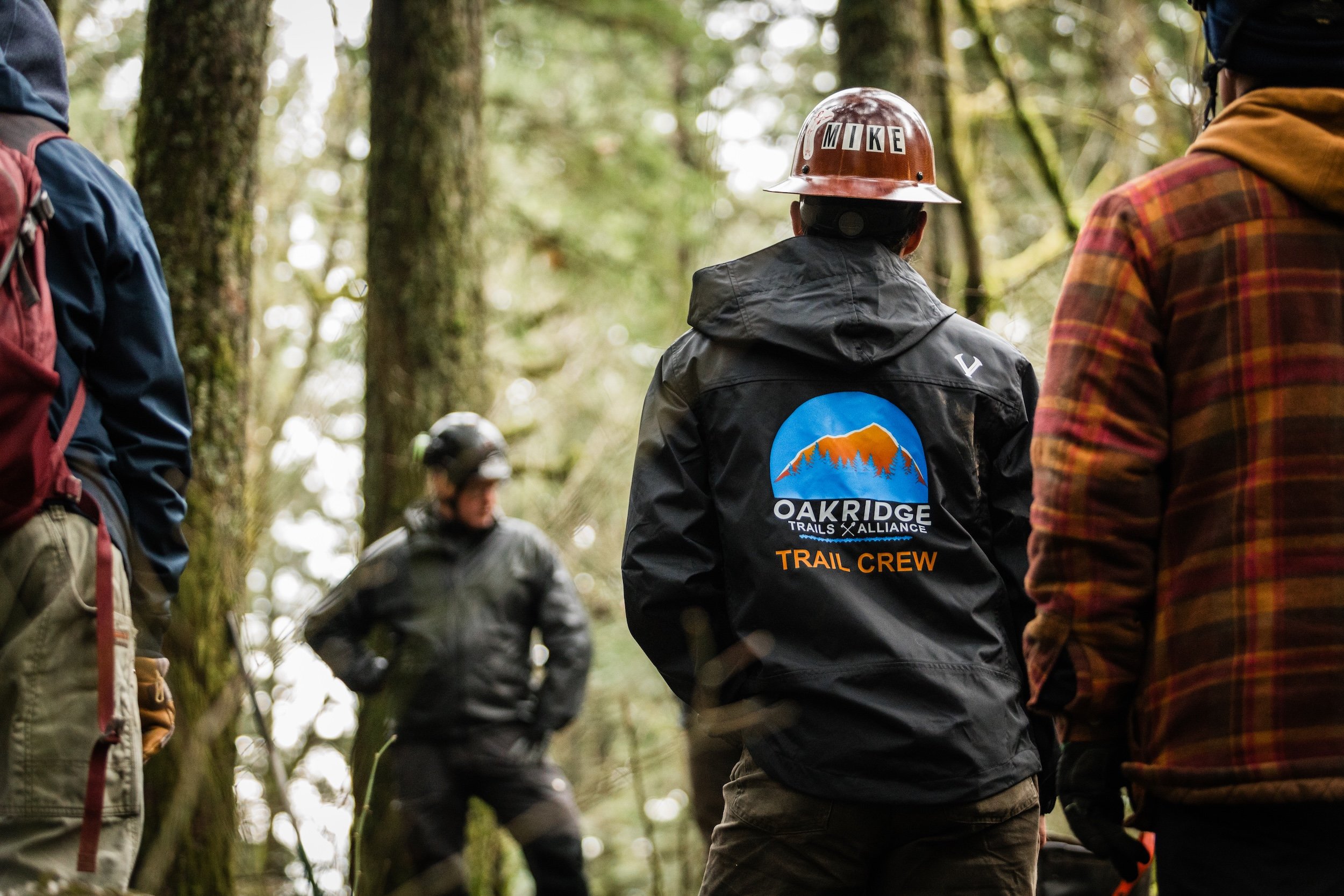
A few years back, I found myself riding in the Oakridge-Westfir area of Oregon at Mountain Bike Oregon. It’s the kind of place that makes you believe in second chances, not just for old logging towns, but for entire communities looking for a new way forward. The singletrack was (and is) world-class, and the ridgeline views were unforgettable. But what struck me most wasn’t the trail—it was the people. A small, tight-knit community that had weathered economic downturns and reinvested in itself through the simple act of getting people out on bikes.
That didn’t happen overnight.
If you’re a rural town dreaming about becoming the next trail destination, the reality is this: building a network of mountain bike trails is a long, bureaucratic process. It involves securing access to land, navigating environmental and zoning approvals, funding construction, and then maintaining those trails season after season. It’s not just dirt and tools. It’s diplomacy, funding cycles, and a whole lot of patience.
And yet, there’s good news.

Trail Builder Tested: Treeline Coffee Roasters’ Lighthouse Roast Delivers Flavor and Fuel
Before the first tool scraped dirt or the crew finished their first jokes, the kettle in Nacho the Van was already on.
It was one of those Pacific Northwest mornings—the kind that clings to your flannel and seeps into your bones. My van was parked just off a gravel spur road, pine needles crunching under boots as everyone trickled in. Tools rattled, mugs clinked, and the aroma of fresh coffee started cutting through the cold.
Lighthouse from Treeline Coffee Roasters is a single-origin Guatemalan with notes of strawberry, cola, and a winey finish. But tasting notes aside, it just hits right in the stillness of a trailhead morning.
