

What Does It Take to Become a Trail Town?
The Oregon Outback is a place most people outside of Oregon don’t even know exists.
When most people think of Oregon, they picture the rain-drenched coast, the volcanic spine of the Cascade Mountains, ubiquitous waterfalls, the Columbia River Gorge, and … did I mention rain?
The Oregon Outback is different.

You Built the Trails. Now You Have to Tell People About Them
You built the trails (yay!).
Maybe it took years of tedious planning, meetings with skeptical land managers, countless grant applications, endless fundraising campaigns, technical environmental reviews, fun-filled volunteer work parties, professional construction, and more volunteer hours than anyone cares to count.
Eventually, after all that work, the trail system finally opens.
Ok ... then what?

What Happens When a Mountain Bike Park Becomes an Economic Engine?
For years, advocates have argued that mountain biking can transform rural communities.
Now, new economic data from Tasmania suggests that, under the right conditions, that argument is no longer just aspirational. It is measurable.
A recently released economic impact report found that Maydena Bike Park generated an estimated $53.96 million annually for the Tasmanian economy, accounting for nearly 46% of the state’s entire mountain bike tourism economy. Of that total, $45.1 million came from interstate and international visitors, bringing significant new spending into the region.

Can Rural Communities Build a Trail-Based Economy?
Every time we cut a new trail through the woods, not only are we changing the landscape, but we’re also changing the future of the communities that surround it.
Most of us don’t show up to a dig day thinking about hotel occupancy rates, tax revenue, or rural economic development. We’re thinking about drainage, sightlines, sustainable grades, rockwork, and building the best trail we can. And that’s exactly how it should be.
But whether we intend it or not, every trail eventually becomes part of a community’s story. In some places, it even becomes part of its economy.
That idea has fascinated me for years.

Why Trails Succeed in Some Rural Communities and Stall in Others
If trails are so powerful, why do they work in some rural communities and stall in others?
It is a fair question.
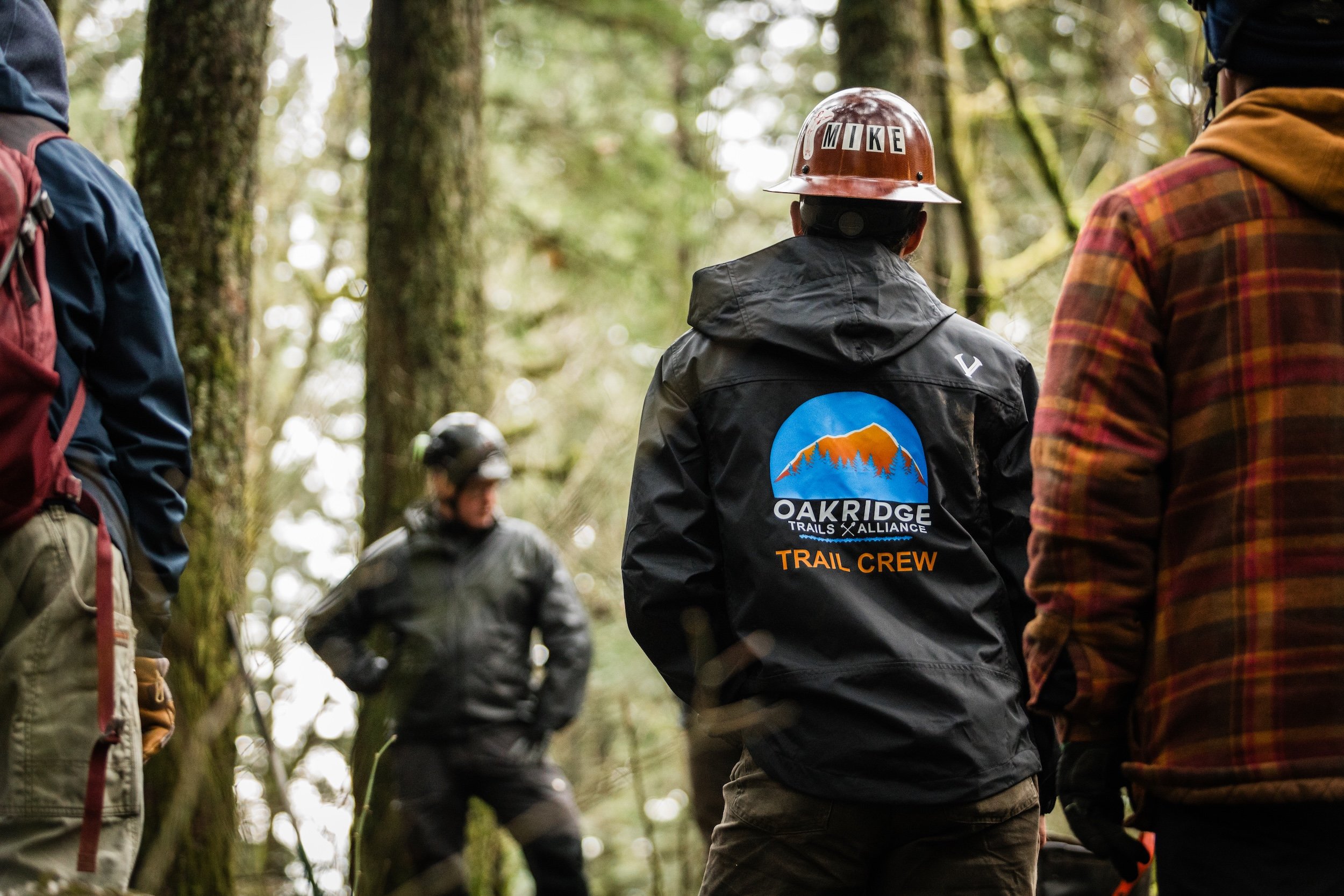
Take Oakridge, Oregon.
Oakridge is often held up in national trail-building and mountain biking media as a turnaround success story. And in many ways, that is true. The trails are world-class. Visitors show up. Momentum is visible.
But spend real time there, and you quickly realize something else.
It is still rough around the edges.

The Overlooked Benefits of Trails in Rural Communities That Don’t Show Up in Economic Reports
When rural communities talk about trails, the conversation usually centers on economic impact.
Visitor spending. Job creation. Grants. Tourism metrics.
Those numbers matter ... A LOT. They help unlock funding, justify investment, and give trail advocates the language they need in meetings with elected officials and agency partners.
But economic impact is only part of the story.

Do You Think Trails Benefit Your Town’s Economy?
A decade ago, Gallup, New Mexico wasn’t exactly known as a trail town. It was a rural hub on the edge of the Navajo Nation, surrounded by wide desert, mesas, and sandstone formations, but not much in the way of tourism buzz.
Then came the High Desert Trail System, a volunteer-built network of singletrack that began attracting riders from across the region.

How to Measure the Economic and Social Impact of Trail Building
Learn how trail builders and advocacy groups can measure and report the economic and social impact of their trail work. From tracking visitor spending to gathering volunteer data, this article offers practical steps to prove the value of trails to funders, policymakers, and community leaders.

Tell the Story, Build the Support: How Small Trail Organizations Can Use Social Media to Rally a Community
In Pioche, Nevada, a new trail system is transforming more than just the landscape—it’s helping reshape the town’s identity. And they didn’t do it with big sponsors or flashy marketing. They told their story.
In our latest article, we explore how small and underfunded trail nonprofits, for-profit builders, and rural communities can use social media to build momentum, invite others in, and grow support—without needing a big budget.

Price & Purpose
In “Price & Purpose,” trail builder Dillon Osleger calls for a shift in mountain biking culture—away from commodified, copy-paste flow trails and toward restoration, local engagement, and ecological stewardship. He critiques the industry’s fixation on new trails as economic drivers and urges a deeper reckoning with the environmental and cultural impacts of trail development. Trails shouldn’t just be sold—they should serve people and place.
