Building Without Permission: Inside Germany’s Unsanctioned Trail Scene
Unsanctioned Trails in Germany: When the System Creates Rogue Builders
There are trails that exist because they were approved. And then there are trails that exist because nothing else did.
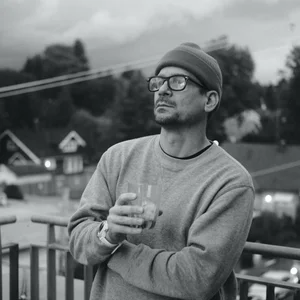
In the forests of southwest Germany, one trail builder operates in both worlds. He works within the system, advocating for legal trails. And at the same time, he builds outside of it.
“I’m building and taking care of sanctioned AND unsanctioned trails.”
This is part of our ongoing Unsanctioned series. We’re not here to endorse or condemn, but to understand. Even more so, to have these kinds of conversations in a public space. Why?
Because sometimes, the line between legal and illegal isn’t as clear as it seems.
Why Unsanctioned Trail Building Starts with Frustration
For this builder we interviewed, it didn’t start with rebellion. It started with maintenance.
“The reason to start with trail care was the bad state of unofficial trails, which were just consumed but not maintained.”
He began with small acts. Clearing drains. Pruning branches. Raking leaves.
At the time, he wasn’t pro-rogue building. In fact, he actively pushed against it.
“Don’t build rogue trails! And if you do, please keep it low-key …”
But while he was maintaining trails and advocating for legal access, something else was happening.
Nothing changed.
The Failure of the Legal Trail Building Process
For nearly a decade, he worked through official channels.
“As a one-man show, I contacted the authorities. The authorities started talking but ultimately decided to ignore and sit out the need for official trails.”
What followed is a pattern that will feel familiar to many trail communities:
Riders build trails
Authorities tear them down
Builders rebuild them
The cycle repeats
He describes it simply:
“A vicious cycle of repairing/rebuilding … tearing down again … rebuilding bigger.”
At one point, there was even an informal truce.
“No new trails, no tearing down of old trails.”
They called it Bikefrieden.
It didn’t last.
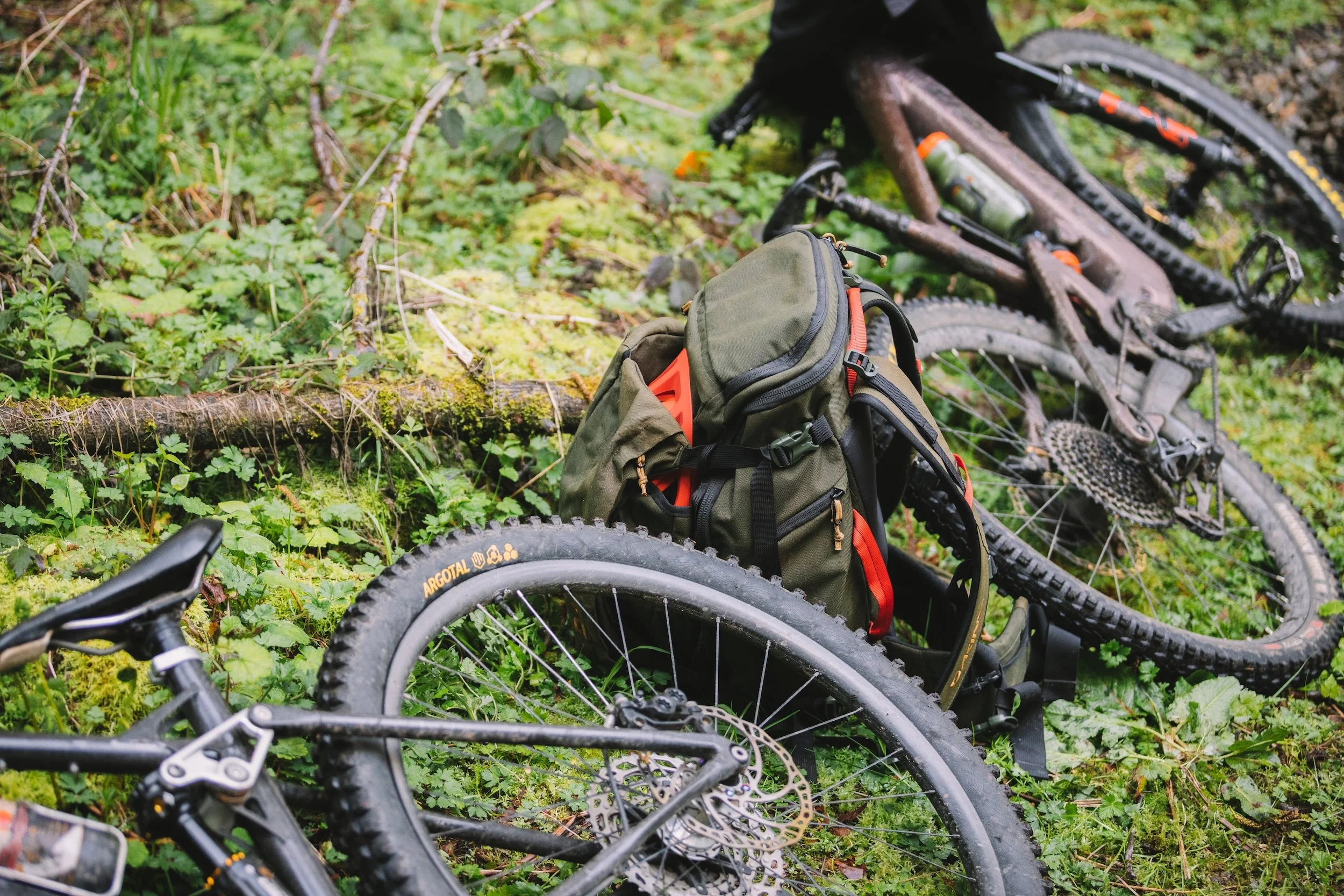
When Advocacy Turns Into Action
Over time, frustration turned into something else.
Not full rebellion. Something more complicated.
“The frustration and insights of going through the due process made me become ‘half-rogue’ so to speak.”
What changed wasn’t just his mindset, but what he was seeing on the ground.
New rogue trails were appearing, except many of them weren’t built well.
“They were not sustainable … steep, fall line, brake bumps inducing, erosion prone.”
And worse, they were often built in sensitive areas.
“You would also see whole areas being criss-crossed by several lines. Trails should not be a random pattern of old and new scars on the soil.”
So he stepped in.
This time not just to build, but to fix.
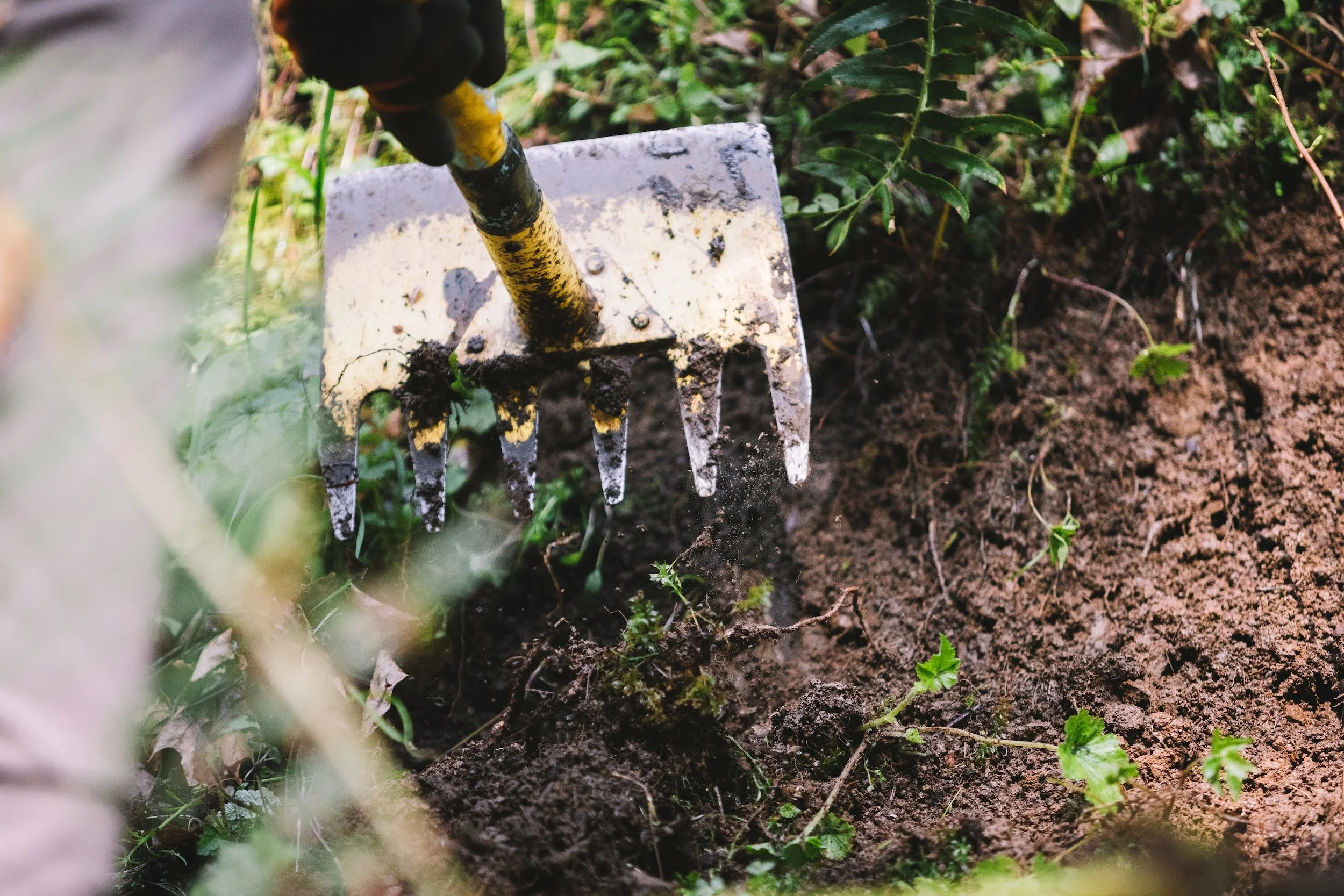
Building Unsanctioned Trails with Intention
This is where the story shifts.
He began building to:
Improve existing lines
Connect fragmented trails
Guide riders away from sensitive zones
“I started building in order to optimize and complete existing lines and make them work better as part of local trail tours.”
And eventually, something even more strategic emerged.
Building trails that could become legal later.
“This then ultimately led to building new unofficial trails with good chances of being legalized.”
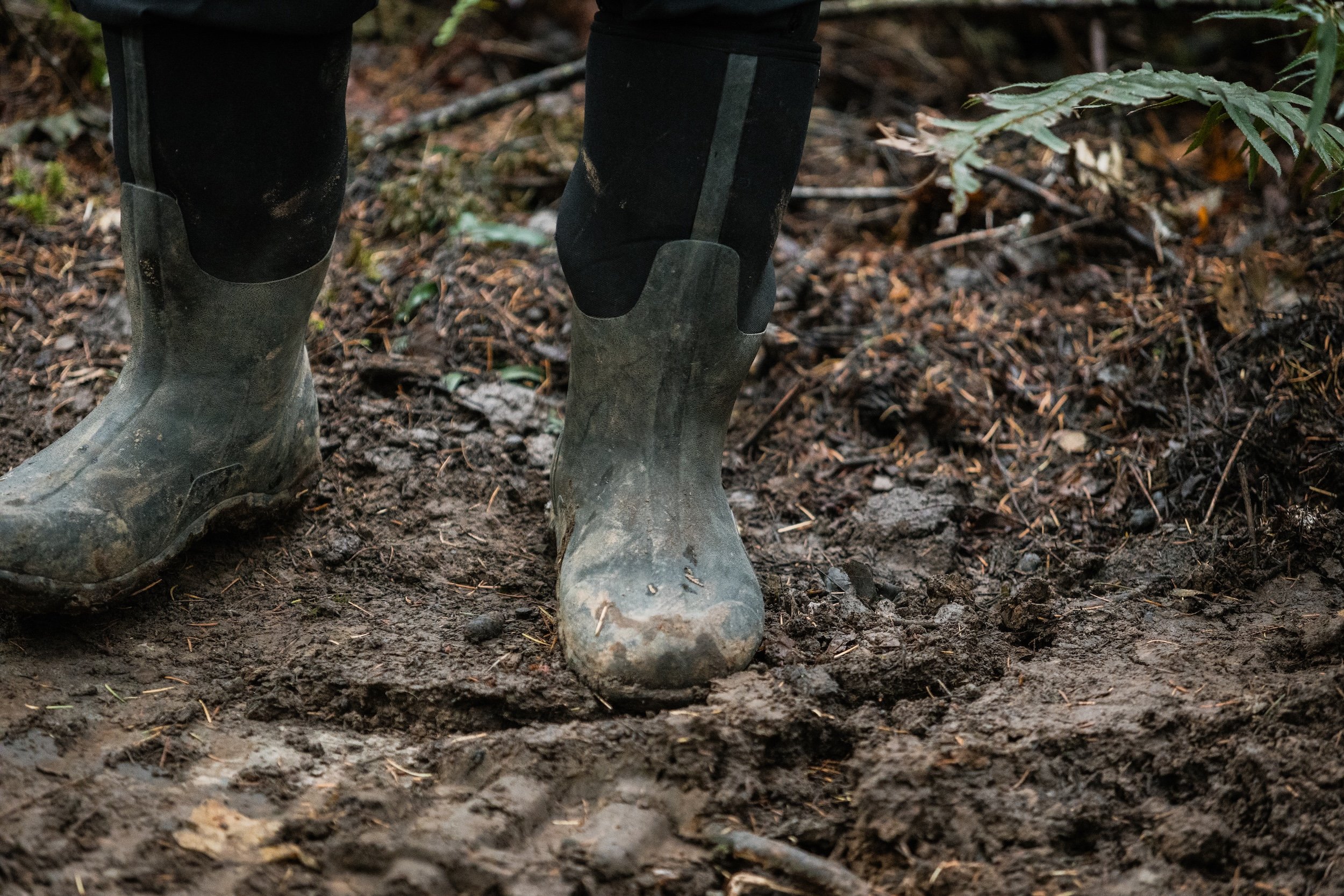
The Uncomfortable Truth About Rogue Trails
At the center of this story is a reality that many land managers may not want to hear.
“The terrible truth is that the rogue route works so much better than the official route.”
In this region, unsanctioned trails aren’t just filling gaps of unmet needs.
They’re shaping the future trail system.
“Legalization of a new trail is much more complicated than legalizing an unofficial existing trail.”
In other words:
Build it first. Legalize it later.

The Consequences of Trail Enforcement
Authorities often respond to illegal trails with removal. But according to this builder, that approach can backfire.
“Destroying trails without offering any alternative is counterproductive.”
Instead of stopping trail building, it pushes it deeper into the forest. Into harder-to-reach and often more sensitive areas.
“Demolition activities drive builders to build in ever more remote places.”
Why the System Needs the Builders
Despite everything, this builder is not anti-system. He’s deeply involved in it.
“I am an active member of the relevant local and country organizations.”
And his message to decision-makers is clear:
“Try to find a solution with the local bikers, not against them.”
Unless there is collaboration, the cycle continues.
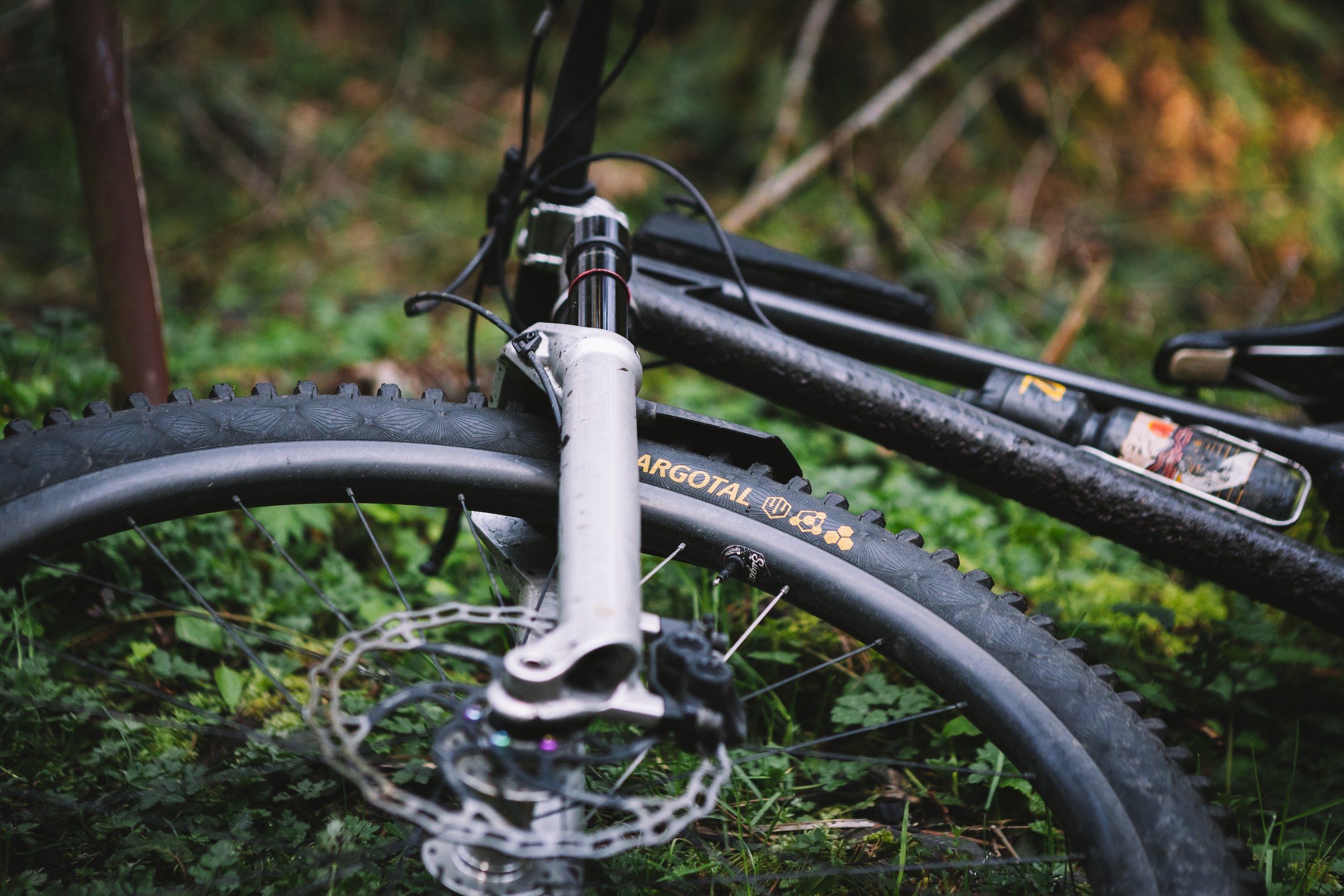
The Catch-22 of Legalizing Trails
Even when trails do become legal, new problems emerge.
“A legal situation will never be the same as the wild outlaw situation.”
Fewer trails. More restrictions. Less raw character.
And higher expectations.
“As soon as a trail turns official, people will demand better trail care. They will blame you.”
It’s a trade-off.
One that not everyone is willing to accept.
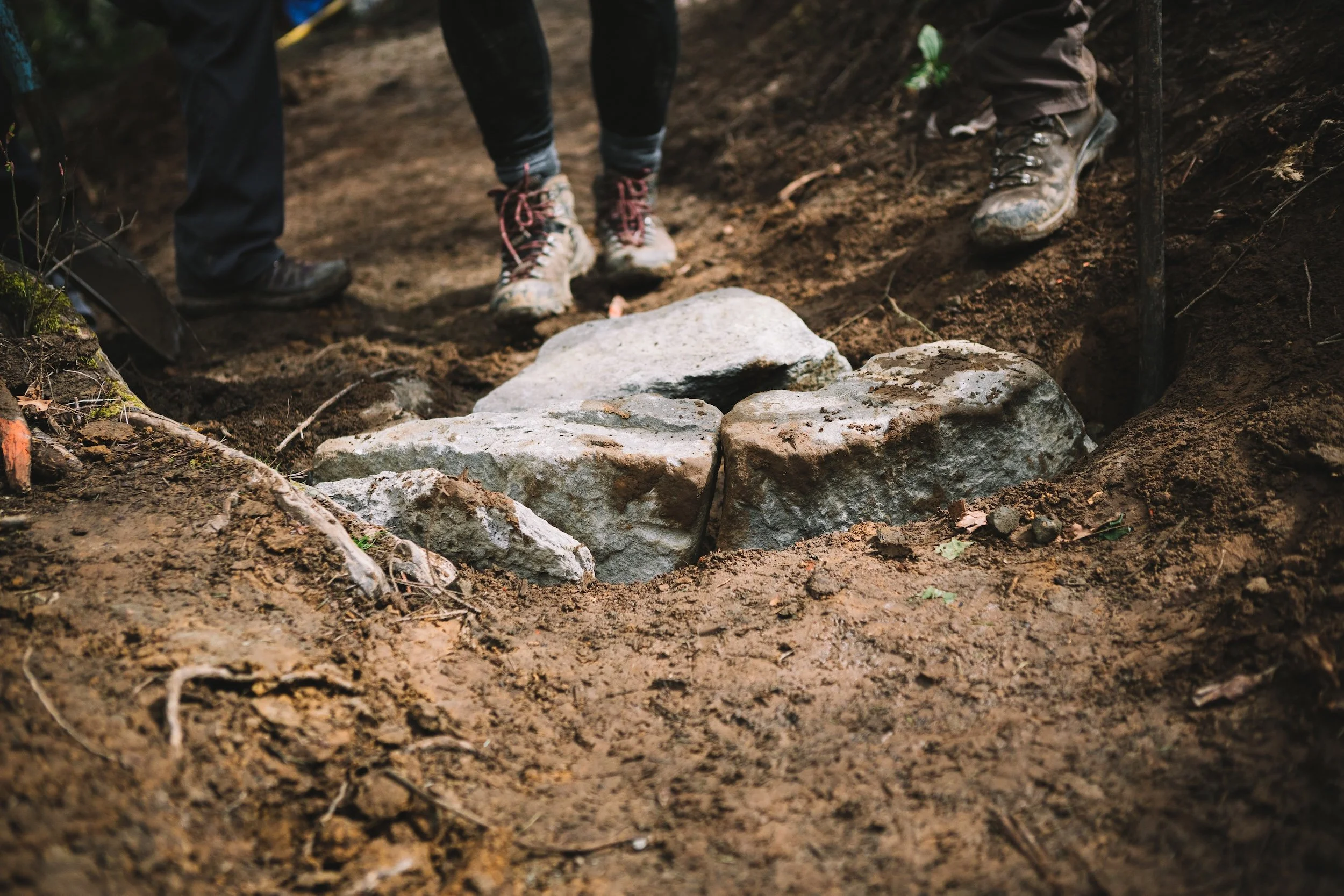
Understanding the Gray Area of Unsanctioned Trails
This is where things land. Not in a clear answer, but in tension.
Unsanctioned trails can:
Improve access
Push trail design forward
Fill gaps the system ignores
They can also:
Damage ecosystems
Create conflict
Put long-term access at risk
And often, they do both at the same time.
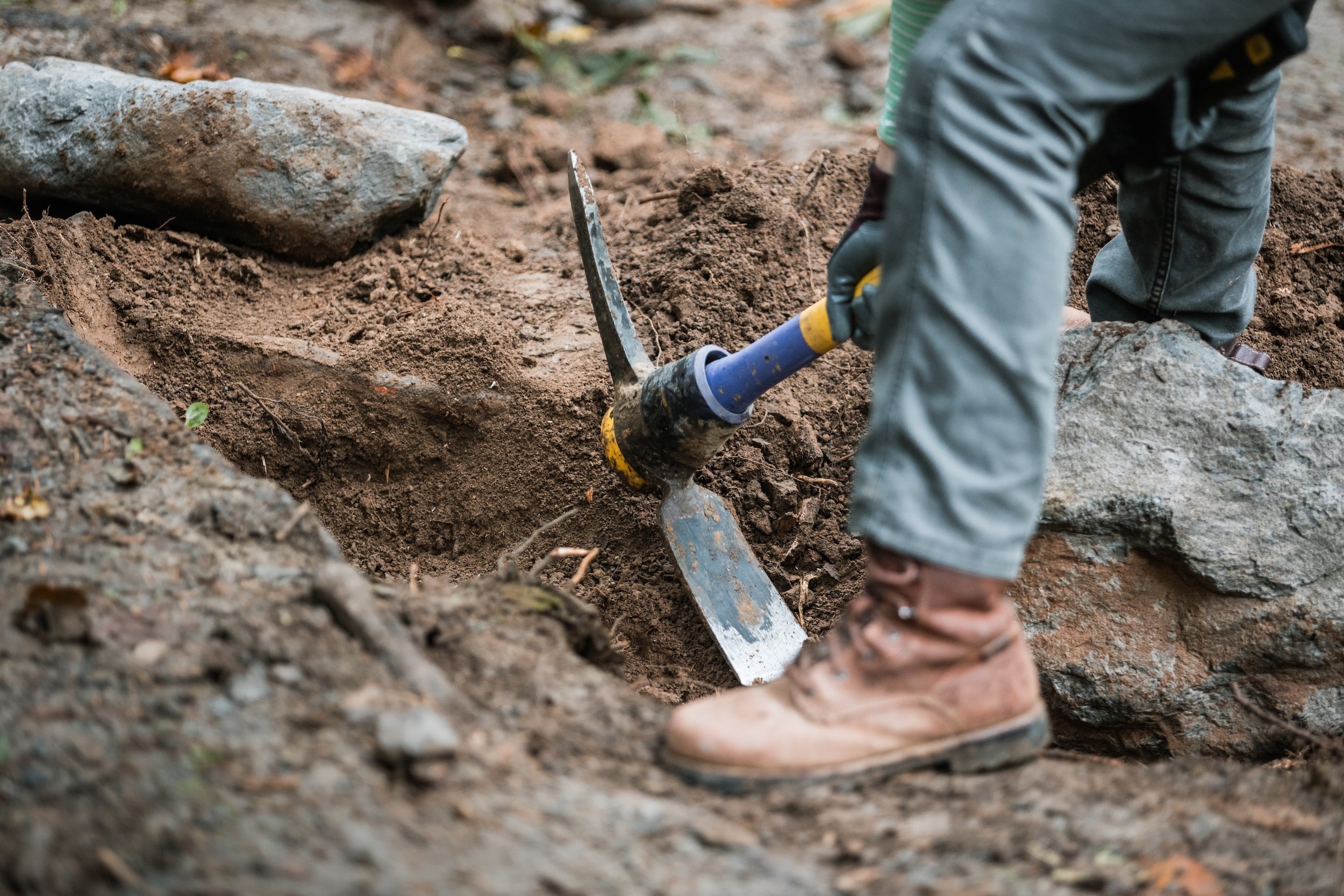
A Final Thought from the Builder
After years of working in both worlds, his perspective is grounded.
“Get involved, campaign for legal access, take care of trails! But also enjoy biking!"
For this builder we interviewed, it was never just about building. It was about making something better than what existed before.
Editor’s Note
The Unsanctioned series exists to document the realities of informal trail building around the world. Trail Builder Magazine does not encourage unsafe, environmentally harmful, or reckless trail construction. At the same time, we recognize that unsanctioned trails often emerge where access, resources, or clear pathways do not yet exist. By telling these stories, we aim to help builders, land managers, and communities better understand how trails are actually born, and how collaboration can follow.

Sean is the Founder and Editor-in-Chief of Trail Builder Mag, a digital media instructor, and the Communications Director for the Northwest Trail Alliance in Portland, Oregon. Email: sean@trailbuildermag.com