In the mountains of southern New Mexico, the difference between sanctioned and unsanctioned trails is not particularly close.
One local builder estimates that unofficial trails outnumber sanctioned trails by roughly ten to one. That ratio reflects a deeper divide over what kinds of trails should exist, who they should serve, and how long riders are expected to wait for something different.
Yes, there are sanctioned trails in the area. However, what is missing, according to the builder, are trails designed specifically for mountain bikes, particularly trails that challenge advanced riders.
The closest bike-specific trails are approximately 40 miles away and sit between 1,500 and 2,000 feet lower in elevation. During the summer, when temperatures rise across southern New Mexico, those lower-elevation trails can become uncomfortably hot.
For riders seeking steep, technical, and challenging terrain closer to home, the official network offers few options.
So they build their own.
Why Sanctioned Mountain Bike Trails Do Not Serve Every Rider
Discussions about unsanctioned trails often begin with permission.
Who owns the land? Who authorized the construction? Did the builders complete an environmental review? Were the trails professionally designed? Who will maintain them? What happens if someone gets hurt?
While those questions are critical, they do not fully explain why unsanctioned trails continue appearing despite enforcement, closures, and repeated warnings from land managers.
The builder interviewed for this story believes one major cause is consistently overlooked. Many sanctioned trail networks do not provide enough progression or technical challenge for experienced riders. “Not all mountain bikers care to ride easy green and blue hiking trails,” the builder explained. In southern New Mexico, many of the legal trails were not designed around mountain biking. Riders may be allowed to use them, but that does not necessarily make them bike-specific trails.
A trail built primarily for hiking may offer access to the landscape, but it may not provide the features, rhythm, difficulty, or descending experience that some mountain bikers seek. Advanced riders want places where they can test their abilities. When agencies decline to approve challenging trails, those riders are left with three choices: travel elsewhere, accept the available terrain, or build something themselves.
Some choose the third option.
Why the Legal Trail Approval Process Can Take Years
The builder says he would prefer to work through the official process. He has previously lived in an area where unsanctioned trails were eventually adopted into a Bureau of Land Management trail system. That experience demonstrated that unofficial trails can sometimes become part of a legitimate network.
In southern New Mexico, however, he sees no feasible path toward the same outcome.
The current trails are on land managed by the United States Forest Service. The builder described the approval process as long and difficult, assuming the agency is willing to consider a proposal at all.
He believes creating a sanctioned trail could take between seven and ten years. That timeline is enough to discourage riders who might otherwise participate in the formal process. “I would like to build trails using due process,” he said. “However, due process really isn’t feasible unless you can wait at least seven to ten years.” His frustration can be summarized in one sentence: “If the system worked, I would work with the system.”
For land managers, a lengthy review may reflect environmental responsibilities, limited staffing, competing priorities, public input, funding challenges, or federal regulations. For riders, it can feel like a process designed to prevent trail construction rather than guide it.
When years pass without meaningful progress, unauthorized building can begin to feel less like an act of rebellion and more like the only available path.
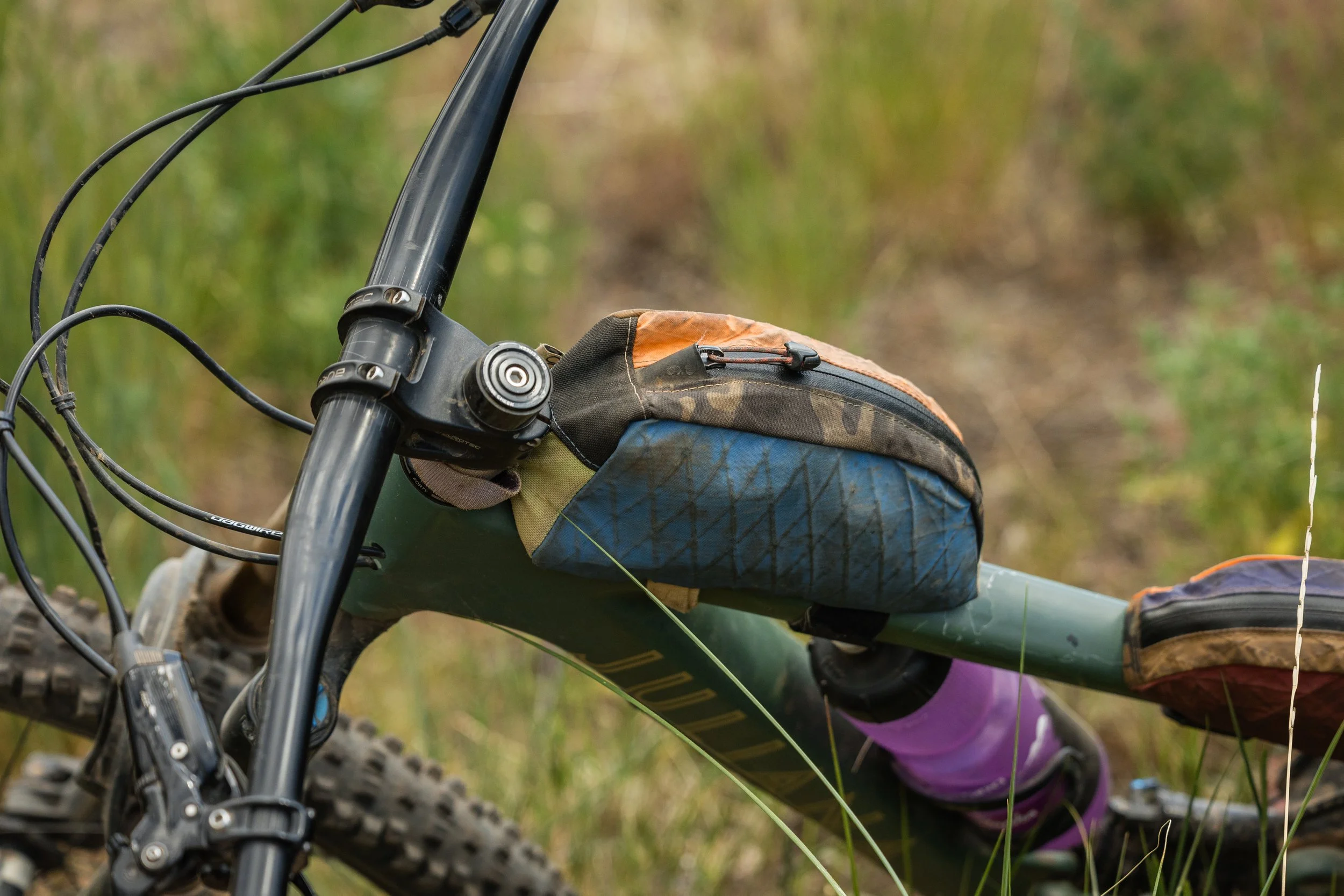
How Shared-Use Trail Conflict Pushes Riders Toward Unsanctioned Trails
The lack of mountain bike-specific trails has also contributed to conflict between user groups.
According to the builder, mountain bikes are not perceived favorably by parts of the local hiking and outdoor recreation community. Encounters with hostile hikers have made some riders feel unwelcome on existing shared-use trails. That tension further increases the appeal of unofficial trails.
Instead of repeatedly confronting hikers on trails designed around a different type of use, riders create places where they can ride in the style they prefer without the same level of conflict. From their perspective, unsanctioned trails can reduce user tension by separating incompatible experiences. From a land manager’s perspective, those same trails represent unauthorized construction on public land.
Both sides can look at the same trail and see a different problem.
The agency may see vegetation disturbance, erosion risk, unapproved structures, liability, fragmented habitat, or a precedent that could encourage more unauthorized work. The builder sees a trail that fills a need the official system has failed to address.

When Forest Service Employees Privately Support Mountain Bike Trails
The conflict becomes more complicated because not everyone within the Forest Service necessarily disagrees with the builder’s assessment.
He has taken friends who work for the agency onto the unsanctioned trails. According to him, those employees agreed that the region needs more mountain bike-specific trails like the ones being built unofficially. That does not amount to formal agency approval. It does reveal a distinction between what individual employees may recognize and what an institution can authorize.
A Forest Service employee can appreciate the quality of a trail, understand the demand for advanced terrain, and privately agree that the official system is inadequate. That does not mean the employee has the authority, funding, or organizational support to legalize the trail.
The builder has also approached a local rails-to-trails organization. He found that its interest centered on hiking rather than mountain biking. Attempts to work with the local Forest Service have created little confidence that new mountain bike trails will be supported.
From the builder’s point of view, agencies appear more interested in limiting recreation than expanding it.
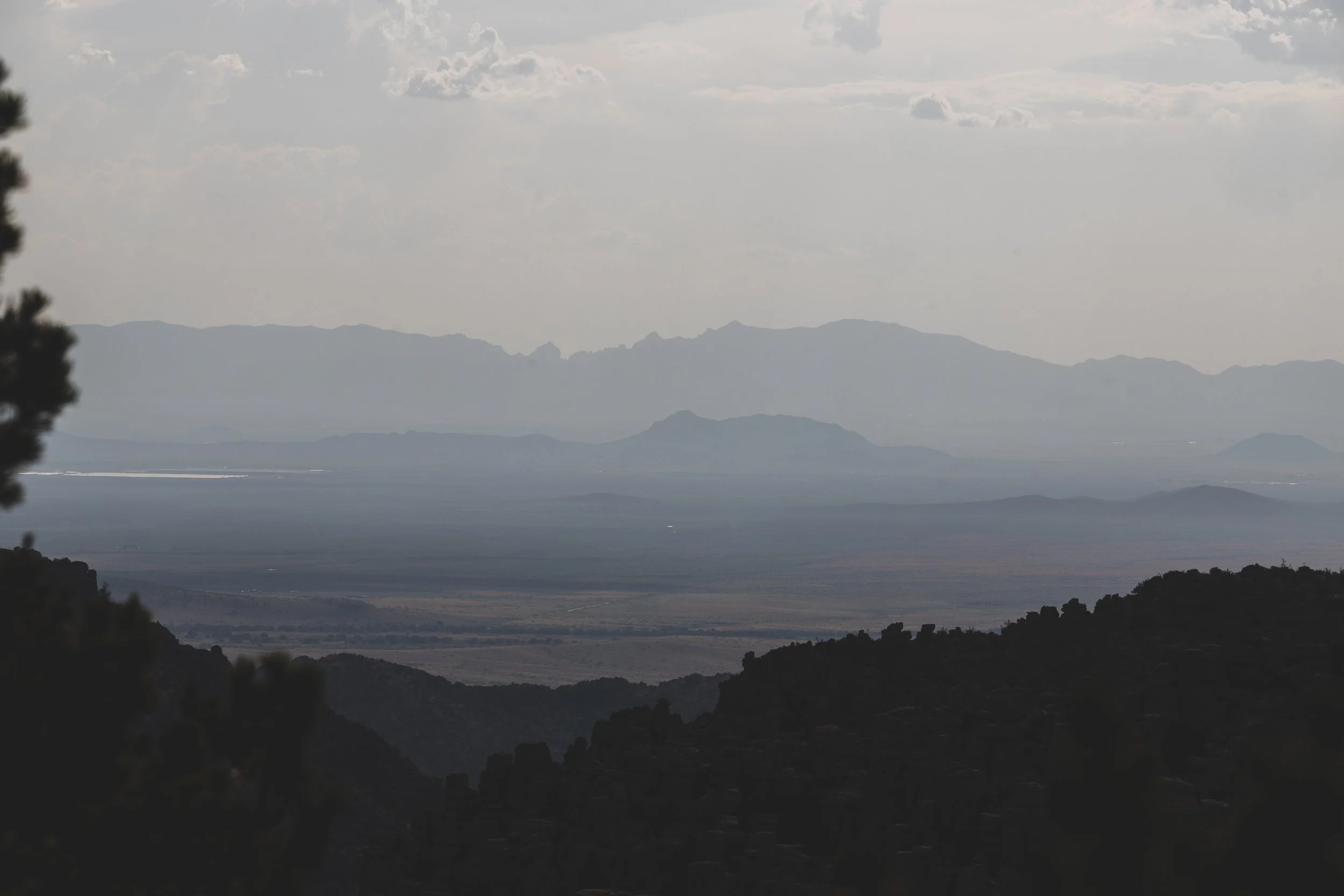
How Trail Enforcement Creates a Cat-and-Mouse Game
The trails have not been destroyed, but they have been discovered. Small rocks and limbs have occasionally been placed on the routes, apparently to discourage riders from continuing to use them.
The builder also says friends within the Forest Service have warned him that the agency is actively trying to identify those responsible and may have placed cameras in the forest (Trail Builder Magazine could not independently verify whether cameras are being used specifically to identify unsanctioned builders).
The possibility has still changed the way the group operates. The builders are more cautious. They spend less time working on the trails than they once did. The work continues, but with a heightened awareness that they may be watched. The builder describes the situation as a series of “silly cat-and-mouse games.”
Enforcement has not resolved the underlying problem. It has only pushed the activity farther from view.
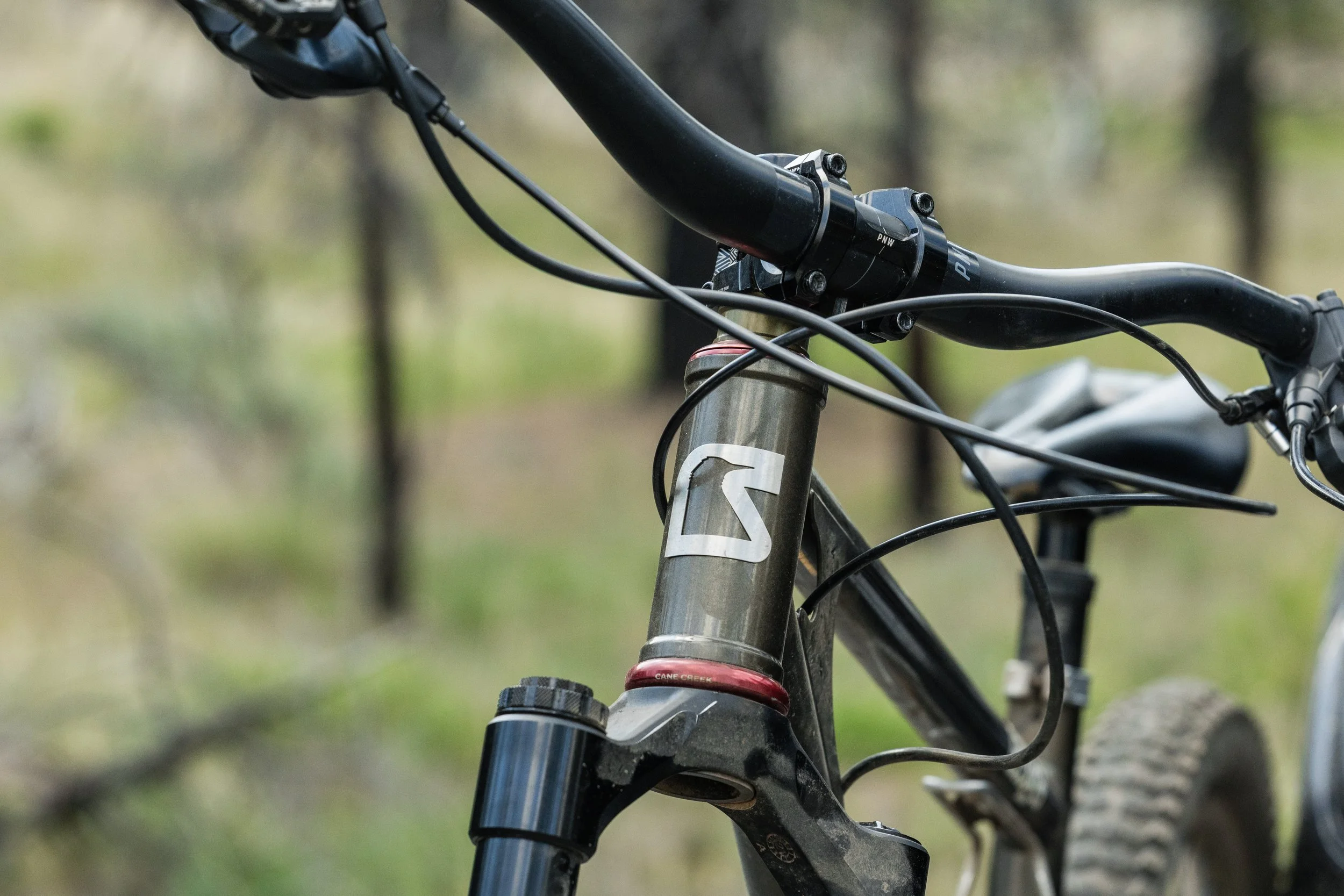
Why Rogue Trail Builders See Trail Building as an Art Form
The builder rejects the idea that he does this work for attention, status, or recognition.
“It’s not for glory, for ego, or to be called a builder,” he said. Instead, he describes trail building as an art form. It begins by looking at the landscape and recognizing a natural line. A hillside, rock formation, drainage, or corridor suggests a possibility. The builder then shapes that possibility into something rideable. The satisfaction comes from transforming an imagined line into a physical experience.
“Seeing natural lines and turning them into a reality that I can ride brings a sense of satisfaction and joy,” he explained.
This is where the gap between builders and agencies may be especially difficult to bridge. An agency evaluates a proposed trail through policies, planning documents, environmental reviews, budgets, and public processes. A builder may experience the same landscape intuitively. He sees how a rider could enter a turn, move across a rock feature, carry speed through a section, and connect one piece of terrain to the next.
One side sees a project requiring approval.
The other sees a line waiting to be ridden.
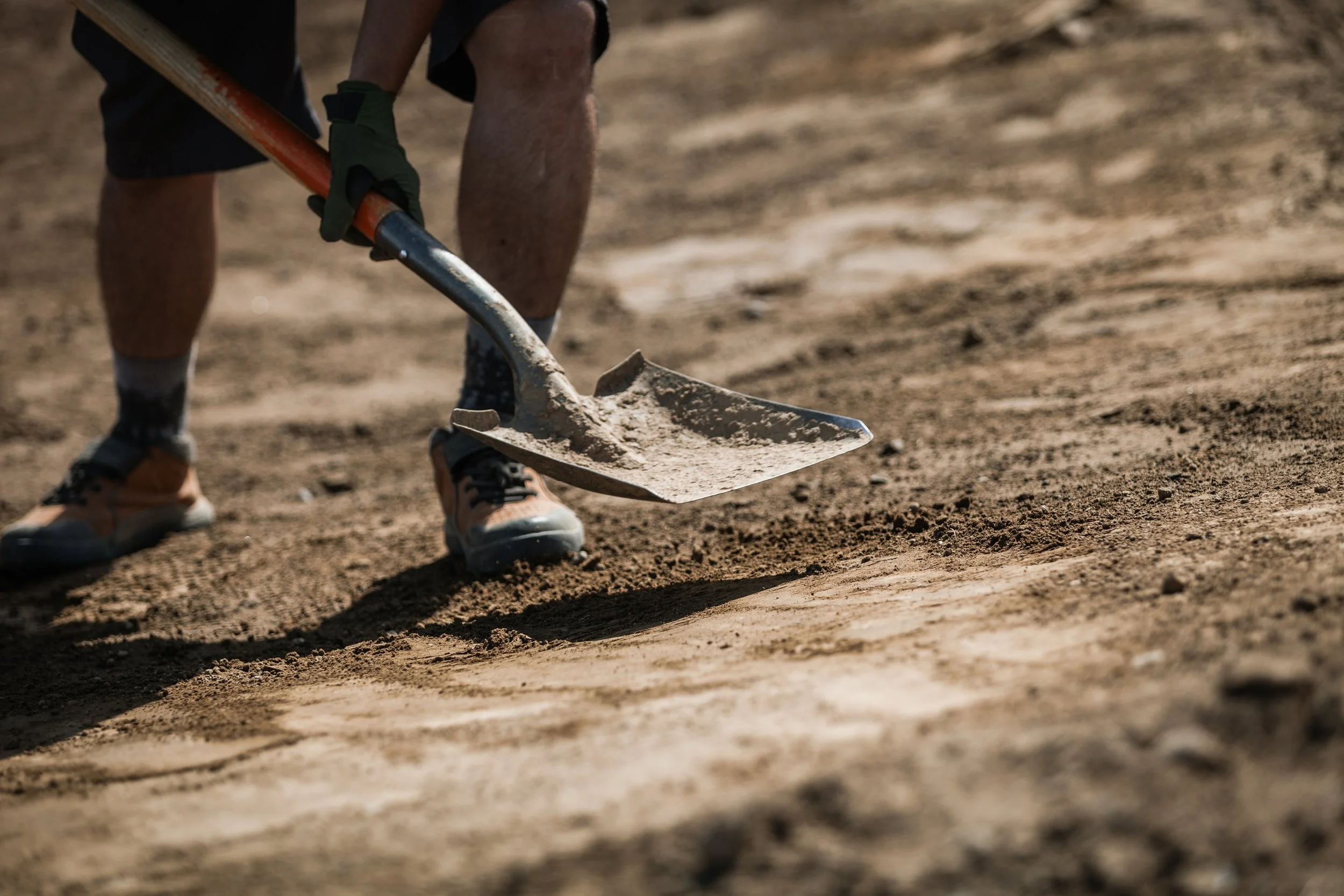
Why Advanced Mountain Bike Trails Are Missing From Public Lands
Technical trails can make land managers nervous.
They may present greater consequences for riders. They can be more expensive to design, build, inspect, and maintain. Agencies may worry about injuries, emergency access, liability, erosion, and whether challenging features are appropriate on public land.
Those concerns are legitimate.
Avoiding difficult trails entirely, however, does not eliminate the demand for them. It relocates the construction outside the sanctioned system. Advanced riders do not stop wanting challenging terrain because the official network offers only easier trails. Some travel to bike parks or other destinations. Some adapt to what is available.
Others enter the forest with tools.
This does not mean every unsanctioned trail is well designed, environmentally responsible, or appropriate for adoption. Some may cause damage, create safety hazards, cross sensitive areas, or interfere with other land uses. It does mean that agencies cannot fully understand unsanctioned building without asking what riders are unable to find within the legal network.
When nearly every sanctioned trail is designed for broad accessibility, advanced riders may conclude that their preferred form of recreation has no legitimate place on public land.
Can a Better Trail Approval Process Reduce Unsanctioned Building?
The builder does not believe unsanctioned trails are inevitable.
He believes they are partly the product of a system that is too slow, too restrictive, or too unwilling to accommodate different kinds of riding. “We need to revise the system and provide one that functions,” he said. “Possibly unsanctioned trails could become a thing of the past.”
That possibility would require more than enforcement.
It would require land managers to recognize that mountain biking is not a single experience. Some riders want gentle trails, scenic routes, and accessible loops. Others want steep descents, natural features, technical rock, and opportunities to progress.
A complete trail network can make room for both.
It would also require builders to accept responsibility. Working outside the system does not eliminate the need to consider drainage, erosion, wildlife, cultural resources, rider safety, other trail users, and the long-term consequences of trail construction.
Public land belongs to more than the person holding the shovel. That is the unresolved tension within the unsanctioned trail debate. The builder sees unmet demand, an ineffective approval process, and a landscape capable of supporting the trails advanced riders want. The agency sees unauthorized work on land it is legally responsible for managing. Neither enforcement nor continued rogue building is likely to produce a lasting solution on its own.
The more important question may not be whether unsanctioned trail building should happen.
It is whether land managers and riders can create a system that makes it unnecessary.
———————
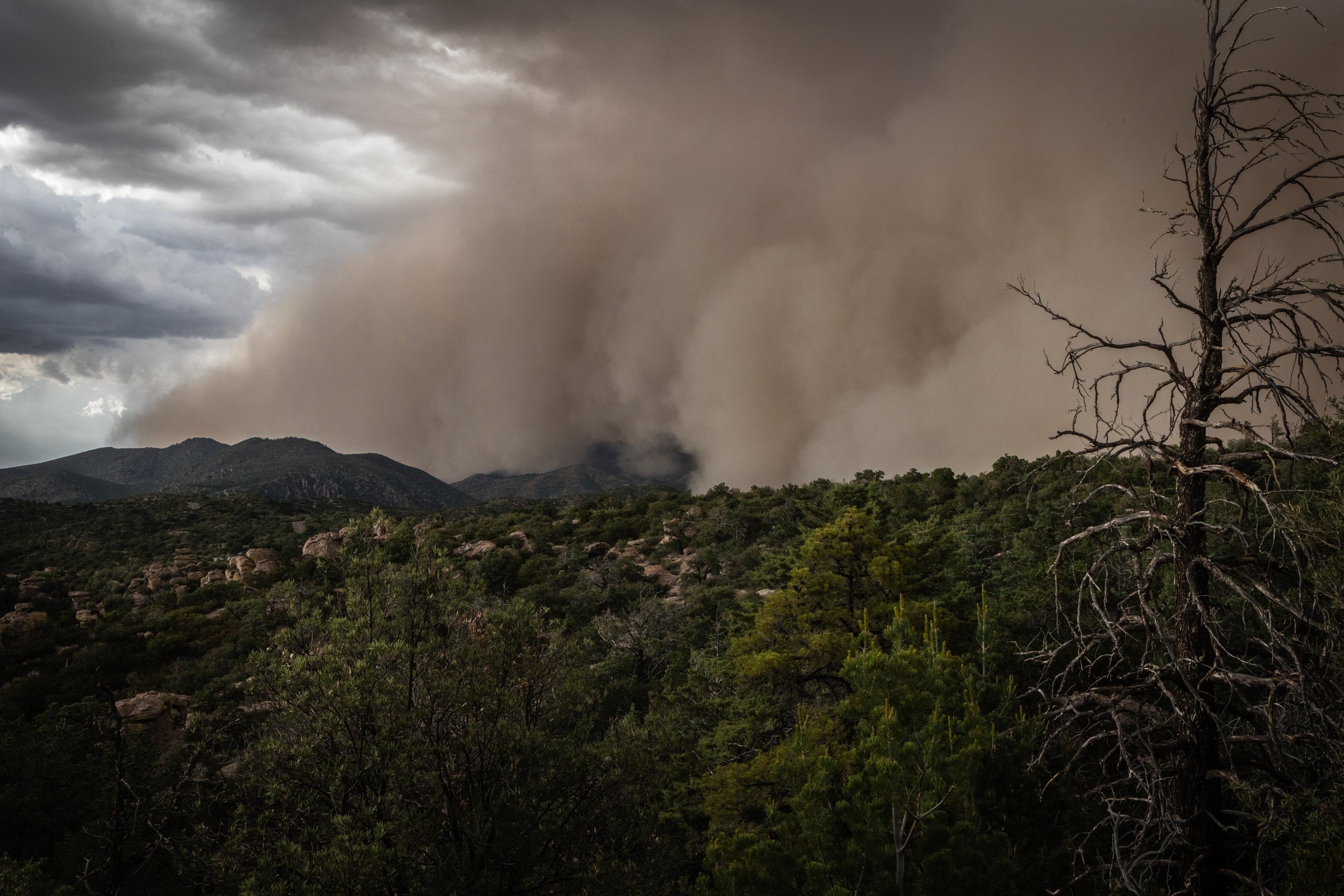
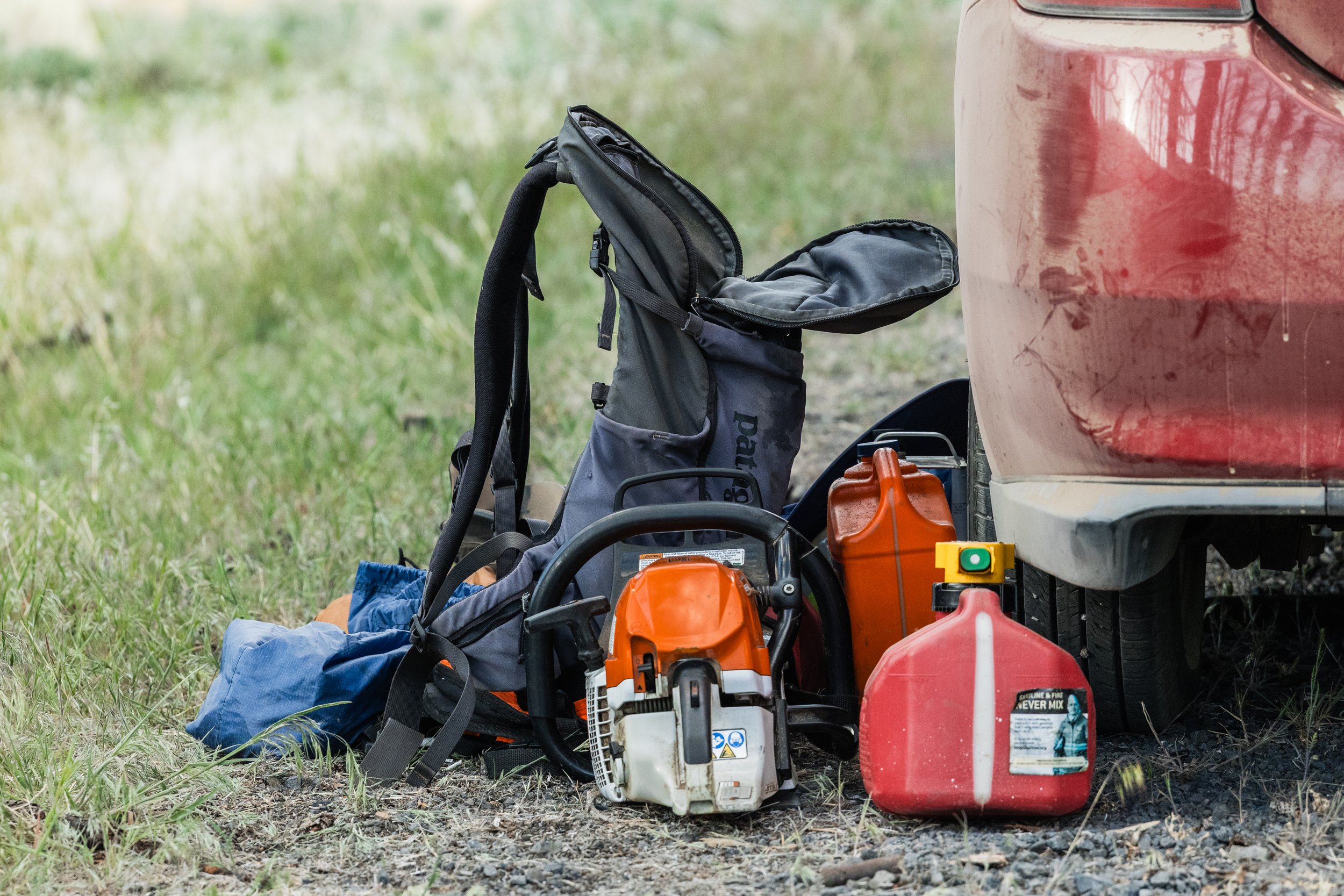
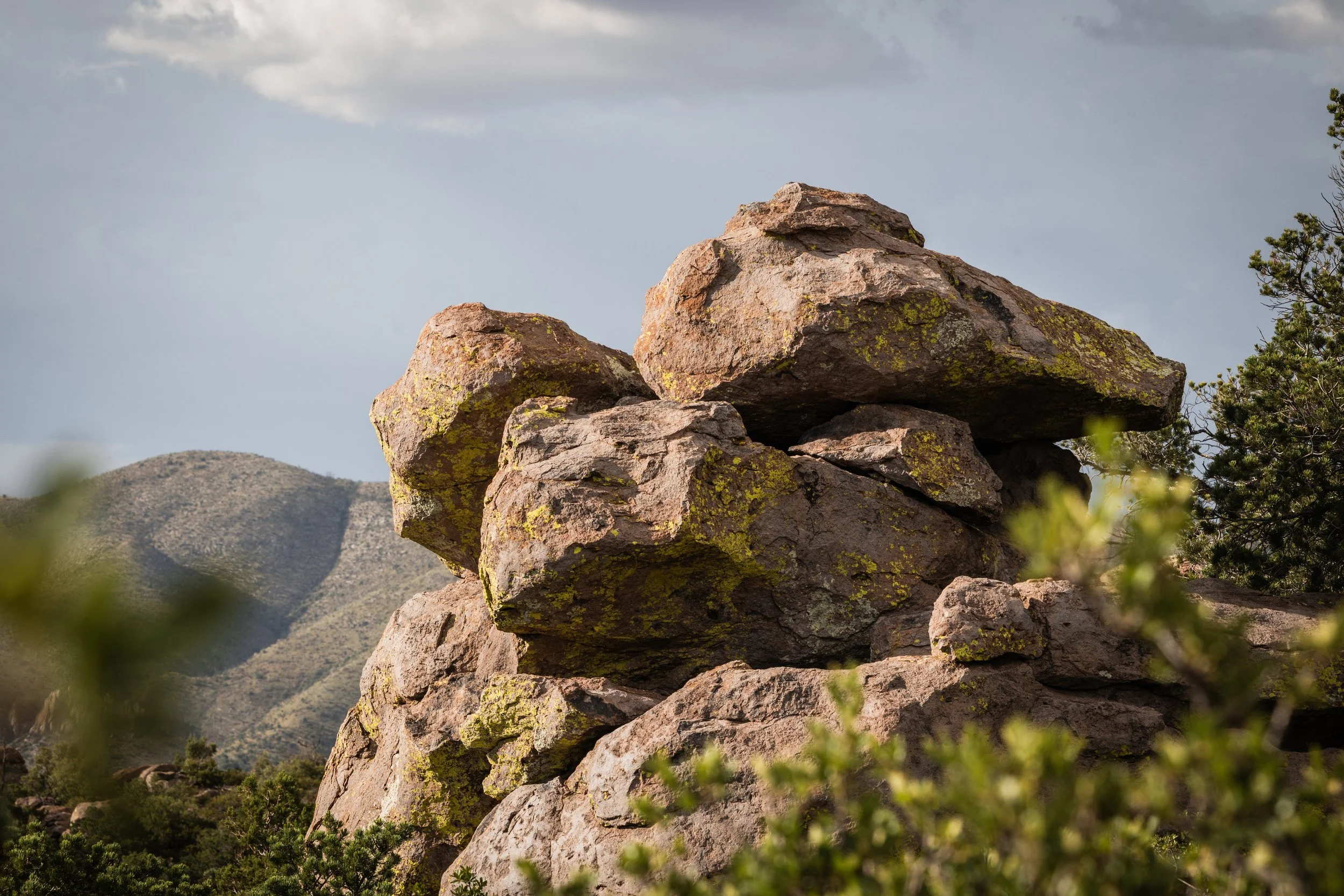
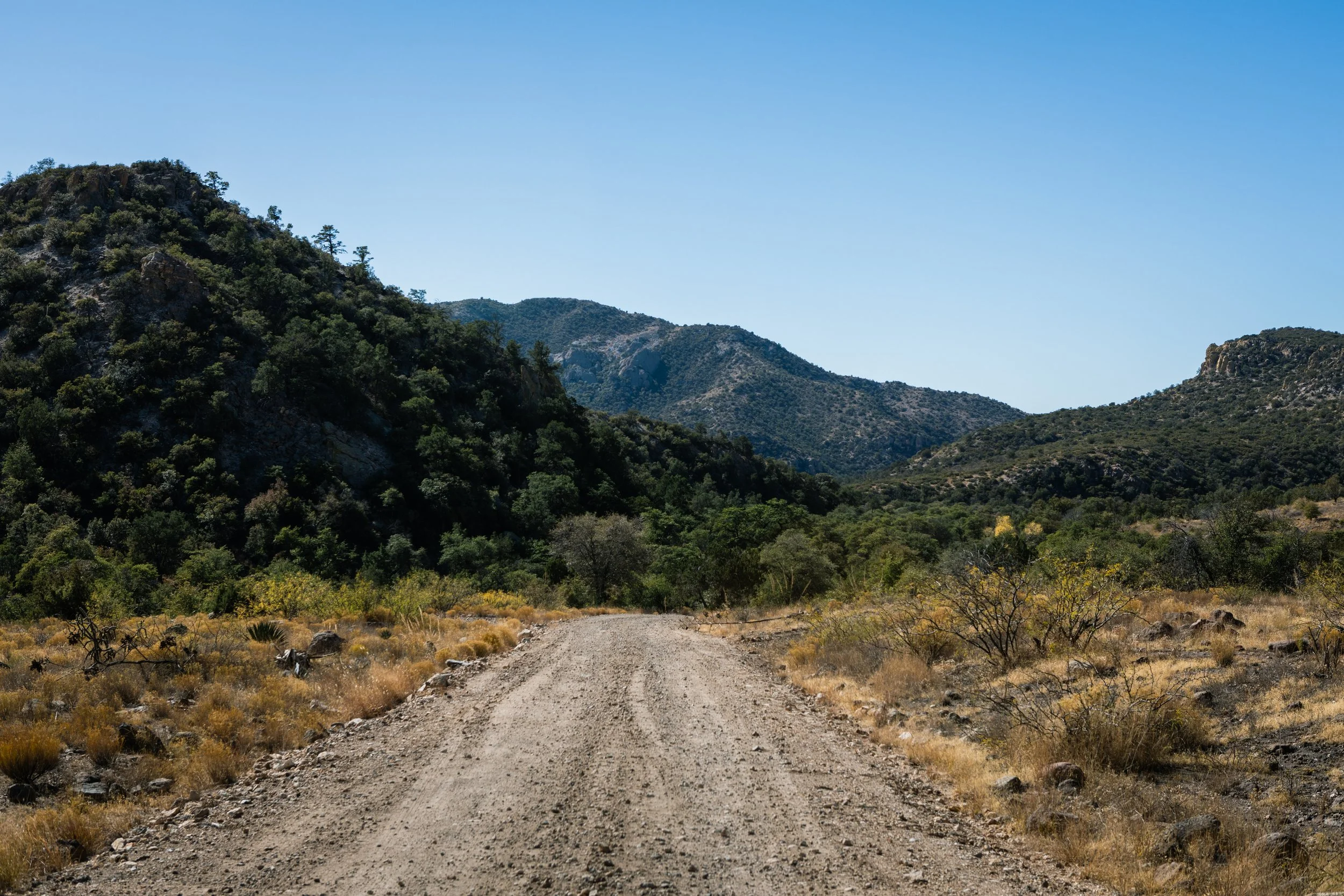
Editor’s note: As much as I would’ve enjoyed snapping photos with the trail builder interviewed here, I didn’t. At least I can still pretend I did and picked up green chilis while down in Hatch (IYKYK). Some of these photos are from personal explorations along the AZ-NM border and some generic builder pics. Hope you don’t mind. Hint: there is ONE photo from New Mexico … can you guess which one?


Sean is the Founder and Editor-in-Chief of Trail Builder Mag, a digital media instructor, and the Communications Director for the Northwest Trail Alliance in Portland, Oregon. Email: sean@trailbuildermag.com