
Subsistence: Revisiting Backyard Terrain
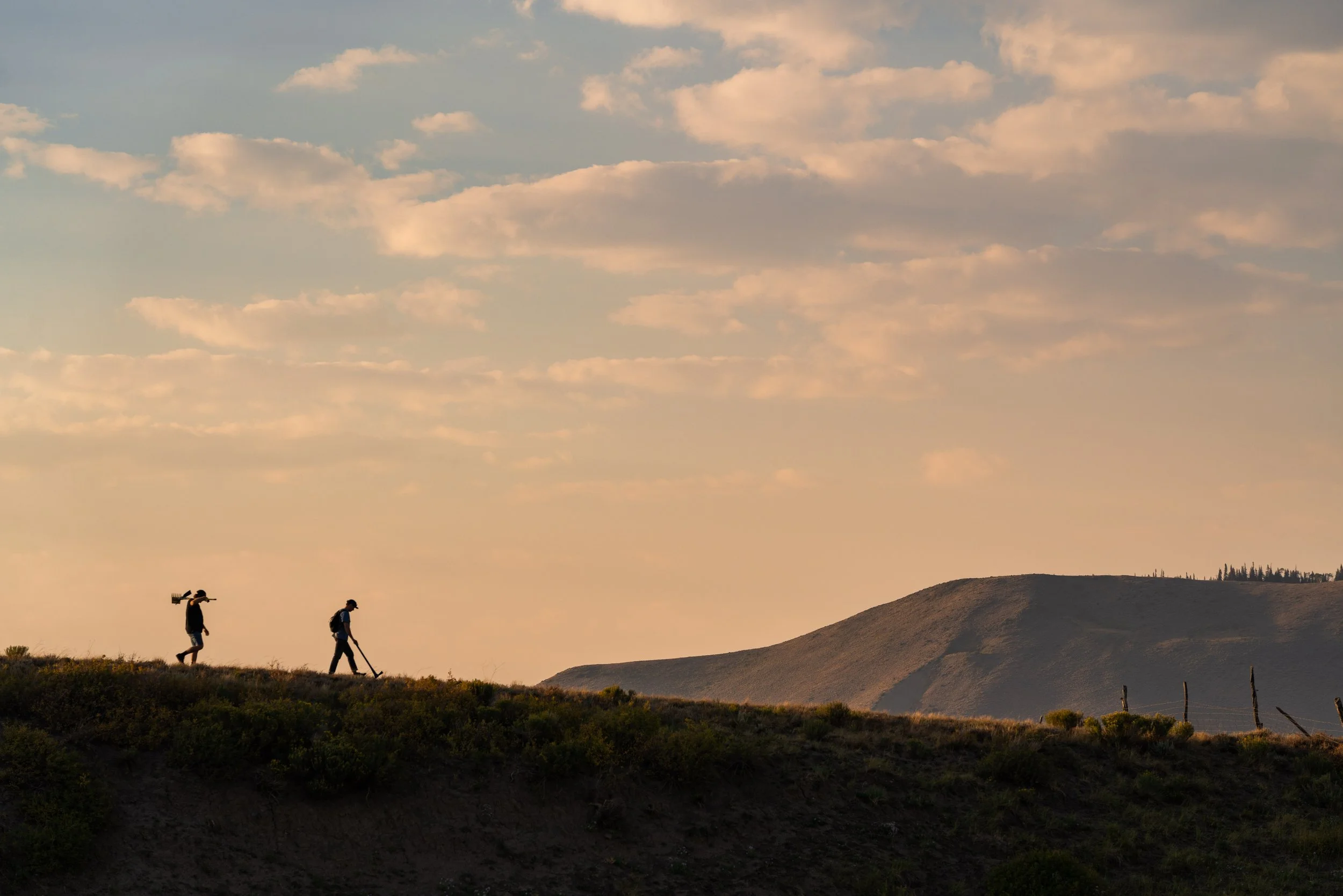
After years of building professionally, my energy to build full top-to-bottom trails in my free time has dwindled, but the urge has remained. It’s forced me to rethink how to get in the woods and be productive. Subsistence is a collaboration between me and fellow rider/digger Alex Chay to scratch that itch. We set out to reimagine the mountains looming over our homes: Alex’s backyard of central Colorado, mine of Northwest Washington, and where we met and called home for years, Wyoming.
A rule of thumb in professional trail building is to avoid “feature to feature” trails where you’re linking spots that, on their own, look great, but when tied together just don’t flow. Naturally, I get hung up on the features we let go, the rock roll that got away, the perfect step up, the canyon gap you couldn’t quite build an in-run for… So for this project, I wanted to focus on those perfect features, the one-offs, the line that lasts seconds and abruptly ends, the line that has no entrance or exit.
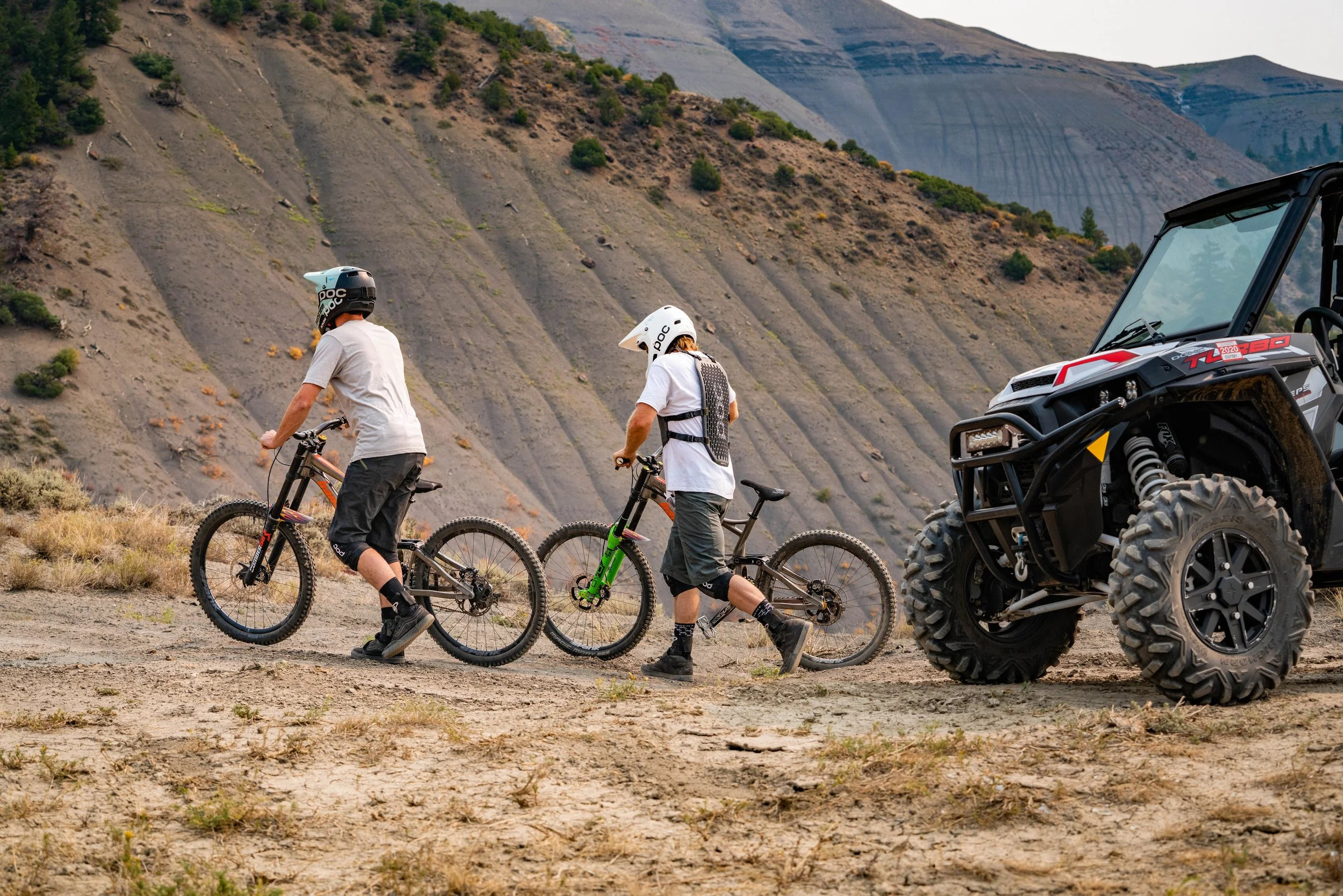
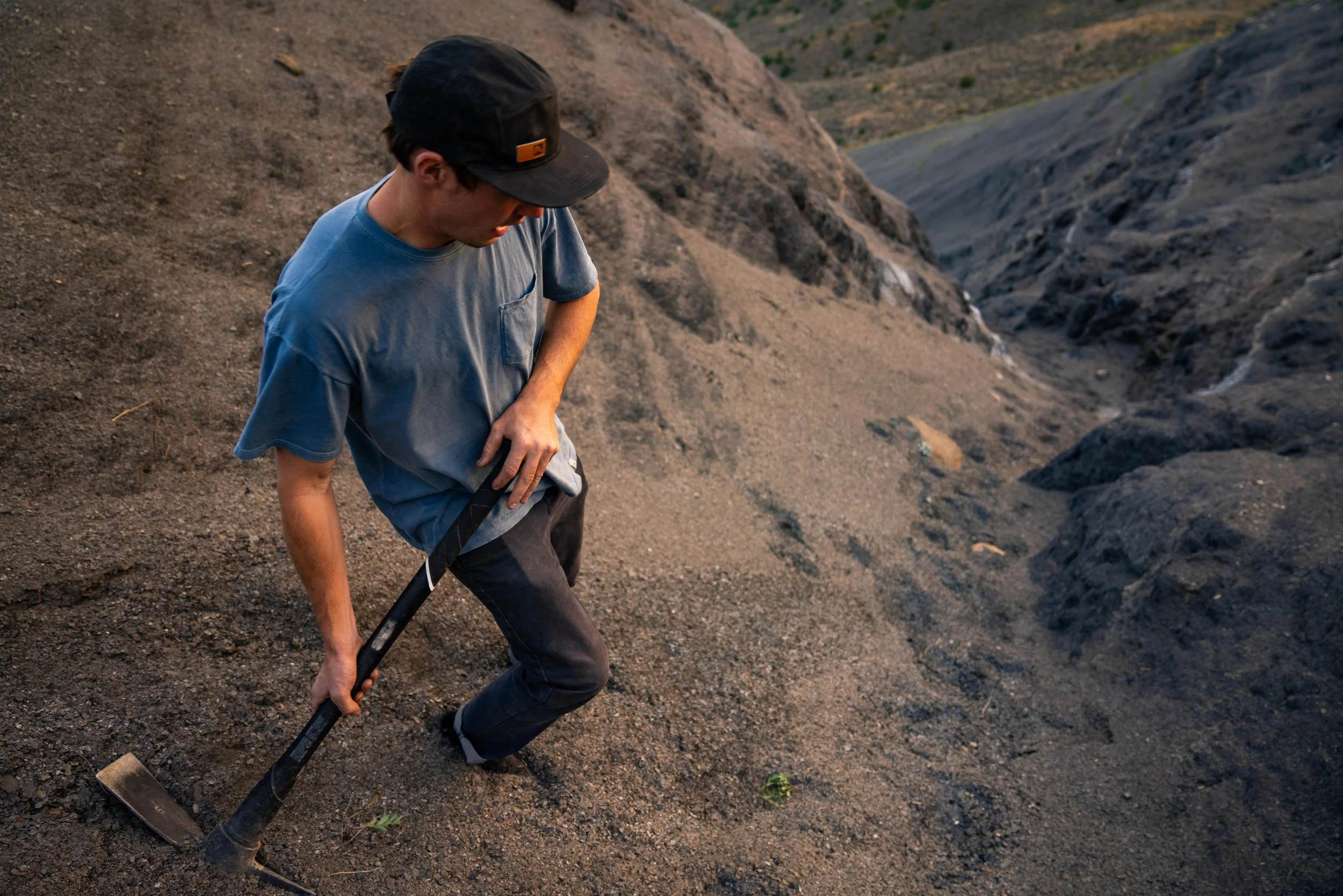
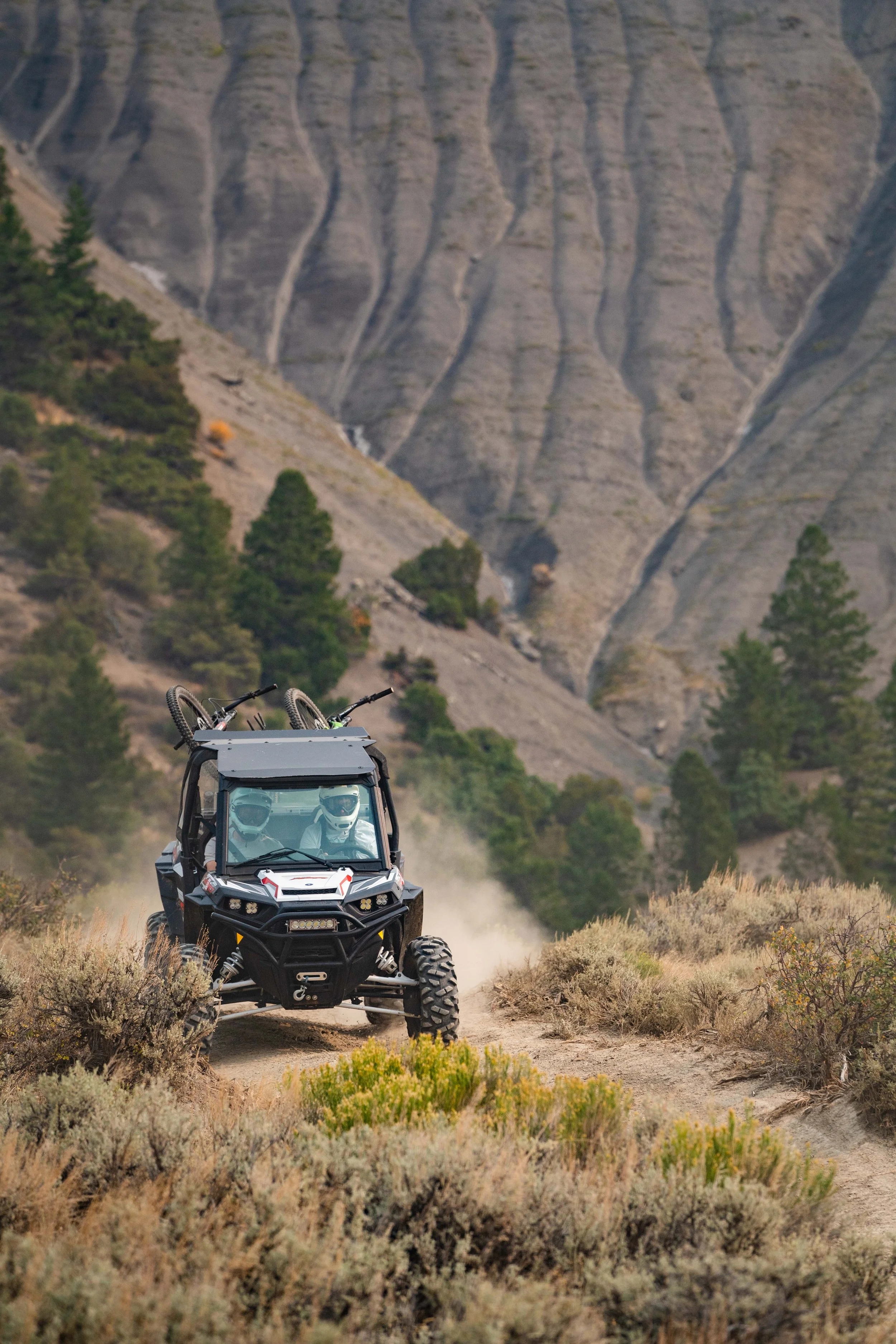
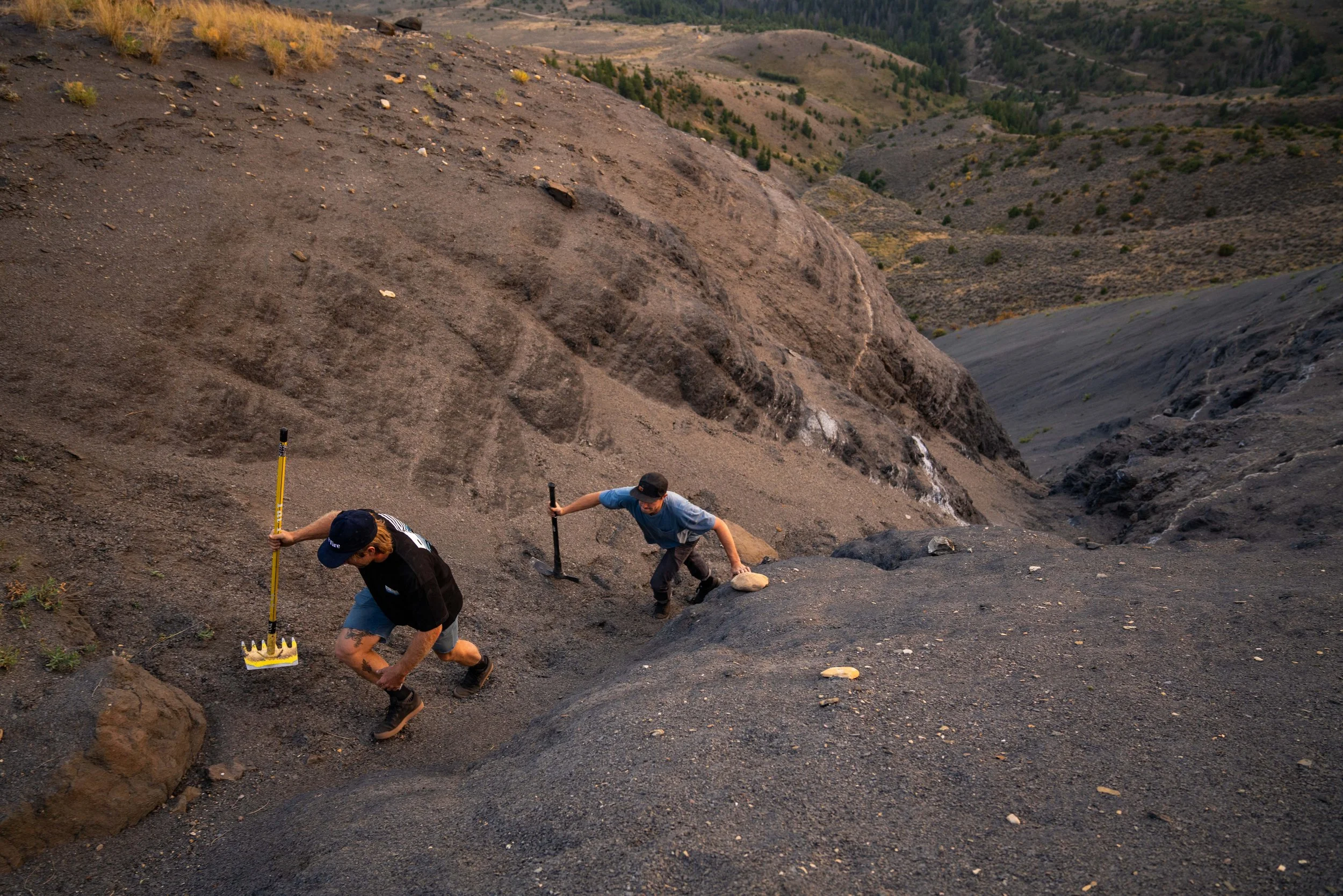
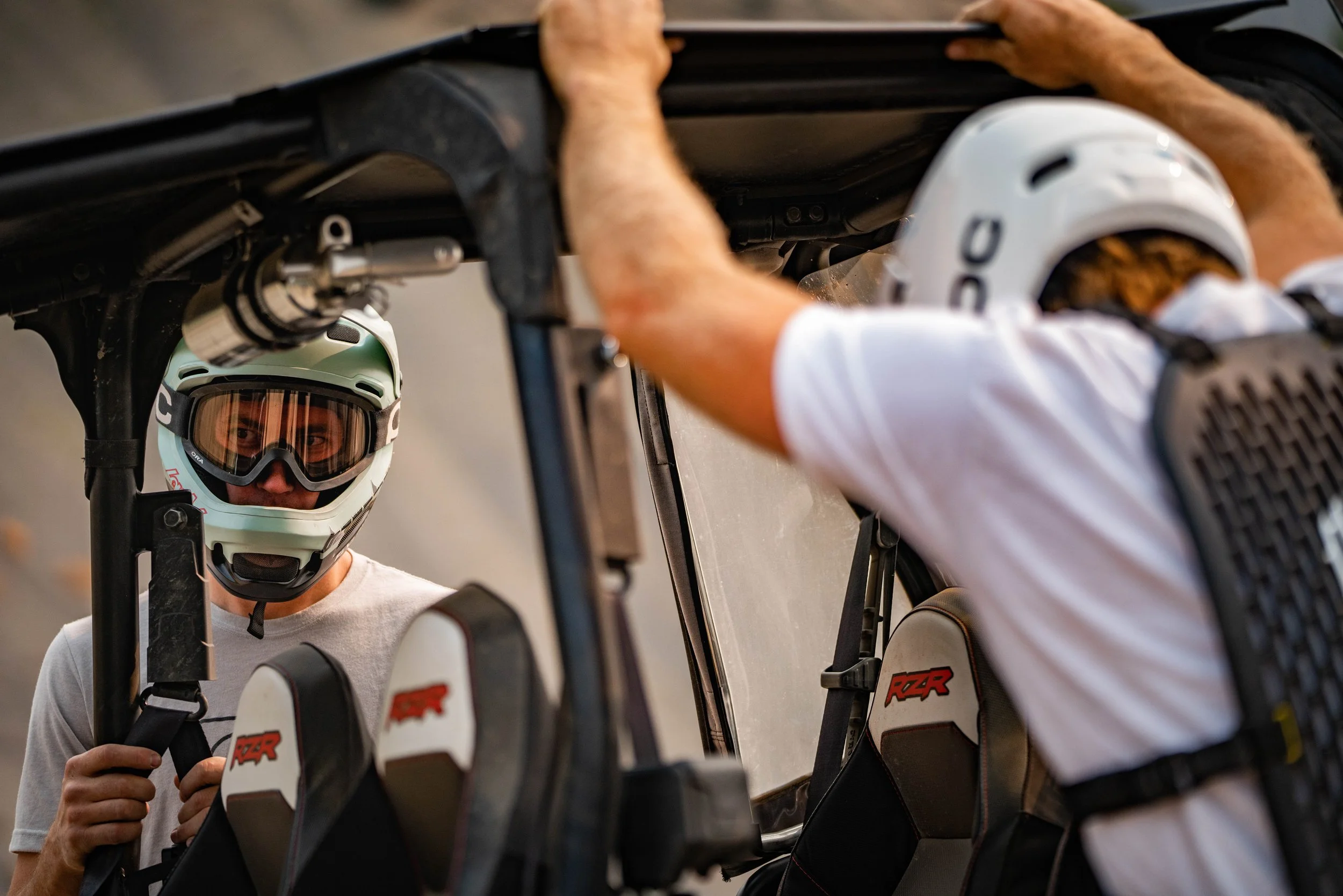
With that in mind, we found ourselves following Alex into the scree fields in the wild canyons of Colorado. The terrain barely needed a shovel, and we all looked on excitedly as Alex pointed out untouched spines, chutes, ridgelines, and wide-open faces only comparable to large ski-type descents. As if that weren’t enough, Alex then showed off the skidder trails he’d been silently raking in when the freeride lines ended through the trees. Alongside these trails, he’d built a one-off massive wooden drop. The drop was built as something you wouldn’t want mid-trail, but worked perfectly as a feature we could session and hype each other up to hit.
As our days in Colorado wound down, it became clear that linking freeride style terrain with custom-built trails was a rare and worthy combination. Equipped with a bike rack-studded RZR 4x4, these big lines left us inspired to continue to explore what minimalist trail builds combined with natural features could provide. After a down day fishing on the river, our minds shifted to how this could translate to the lush forests of Western Washington.
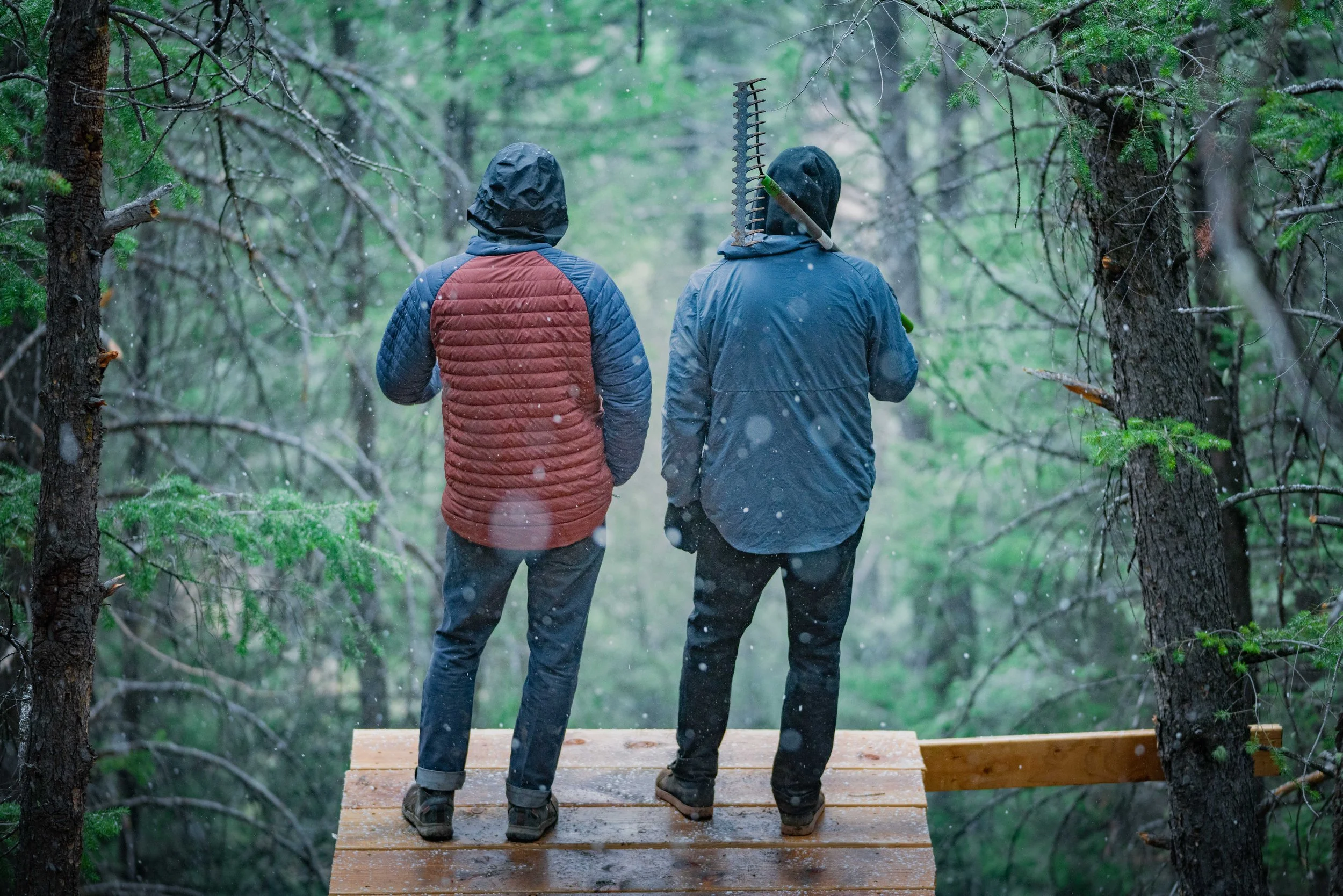
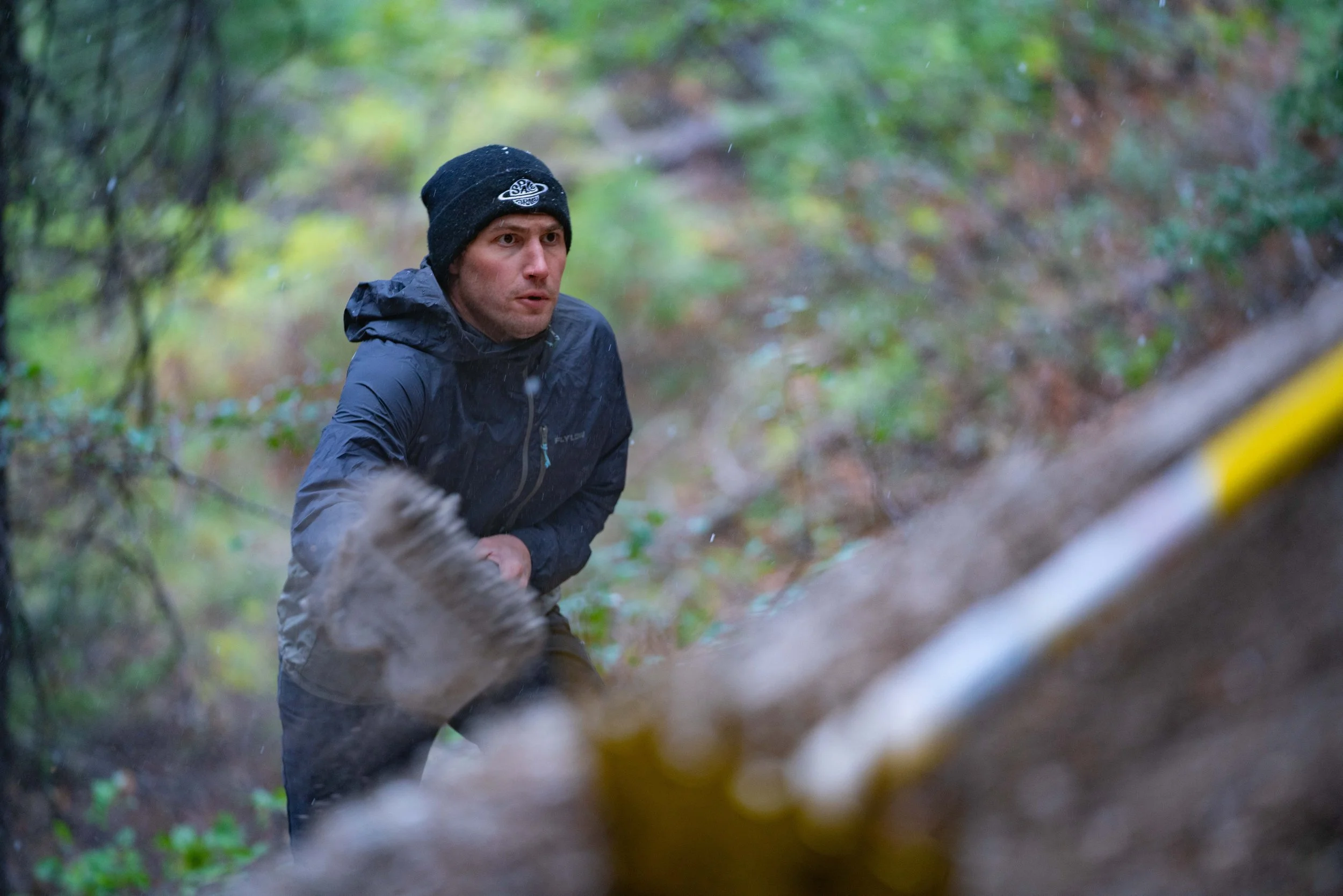
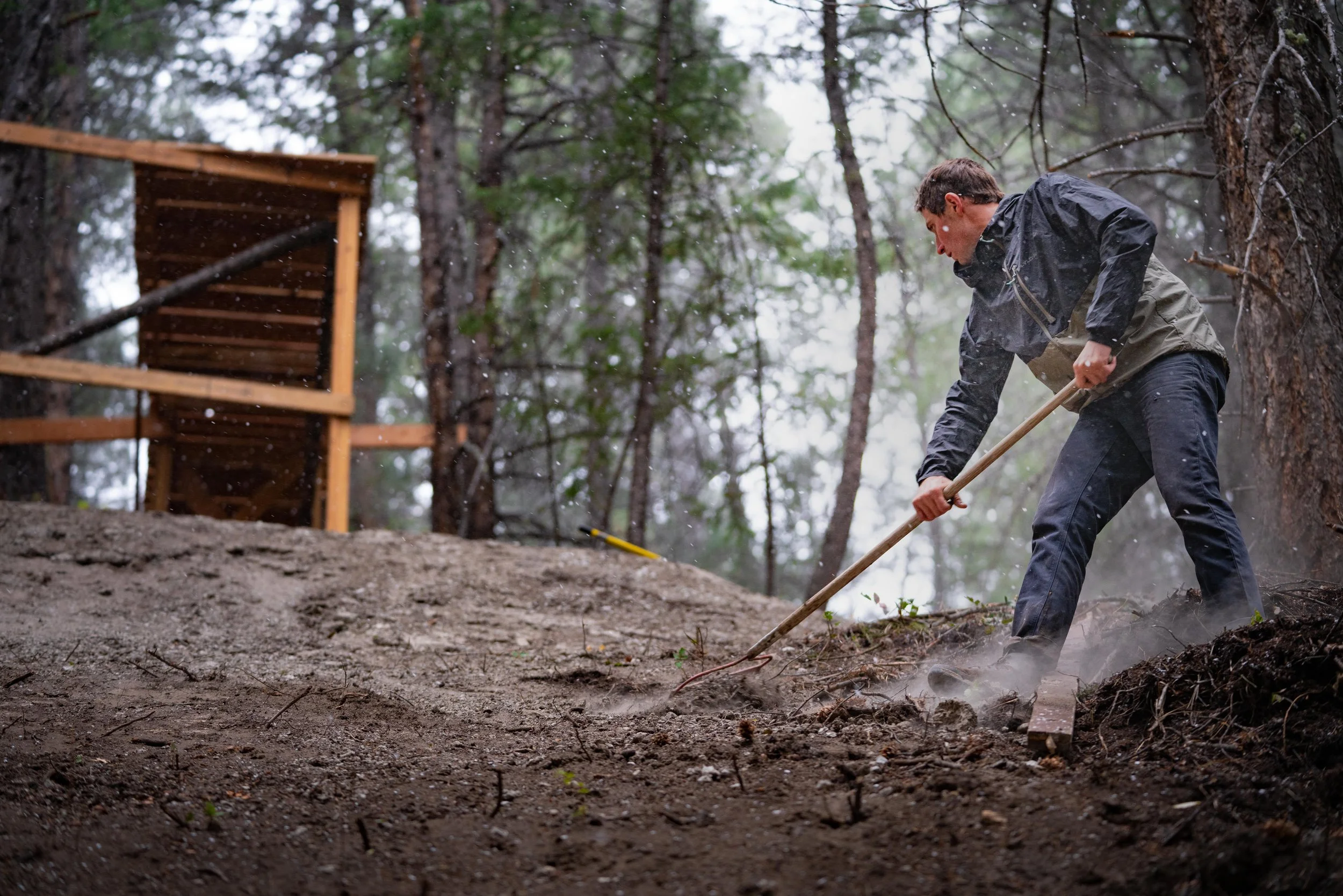
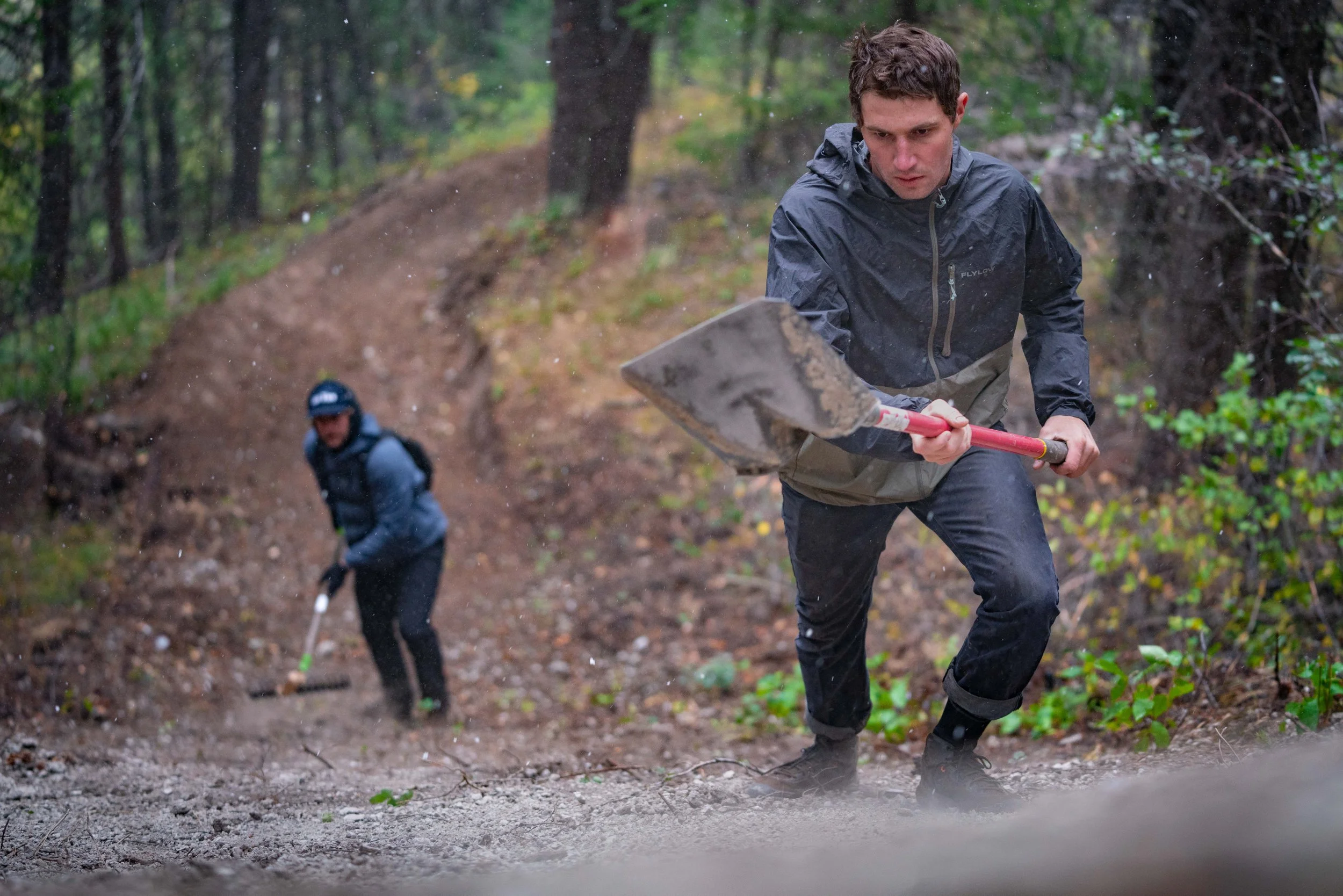
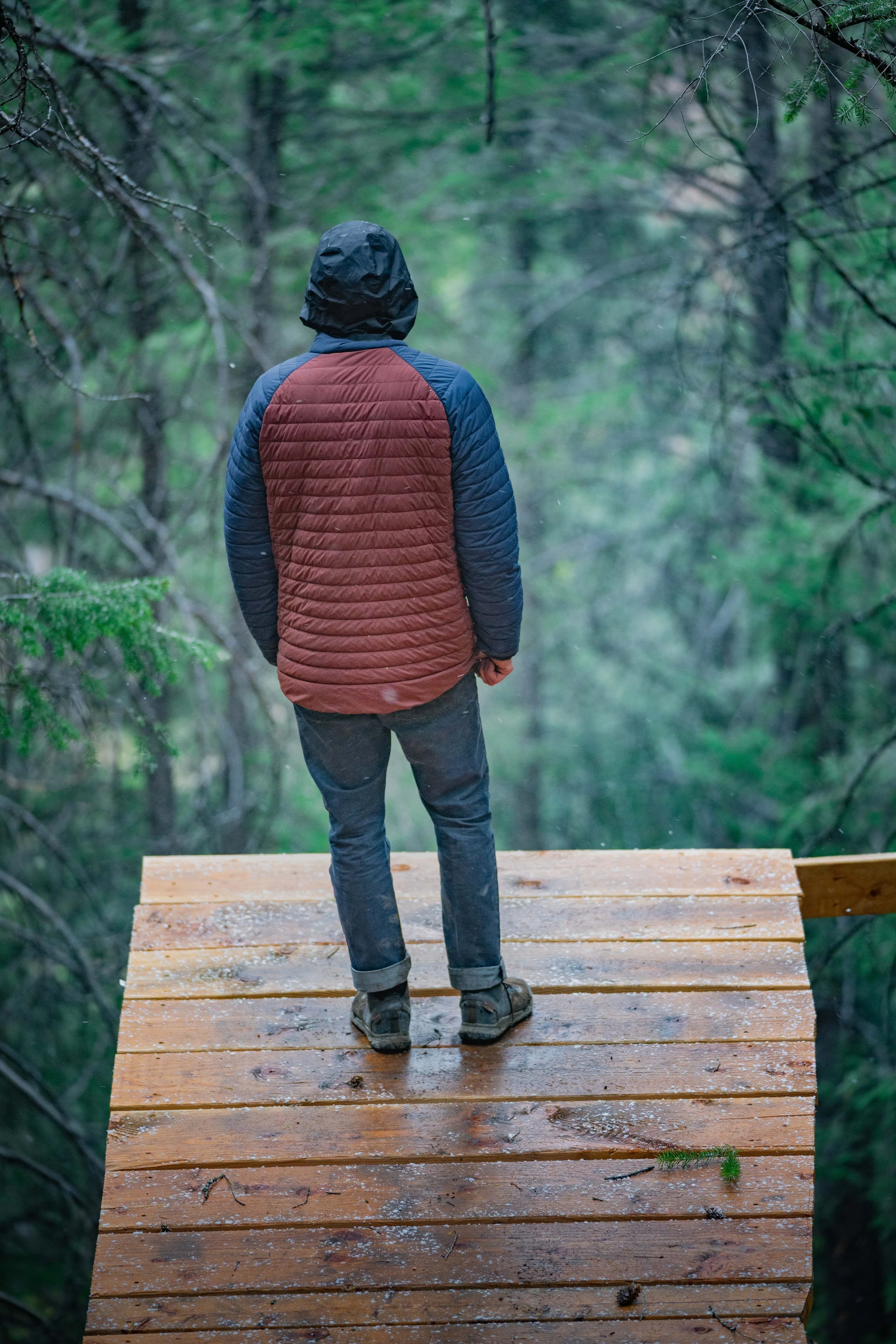
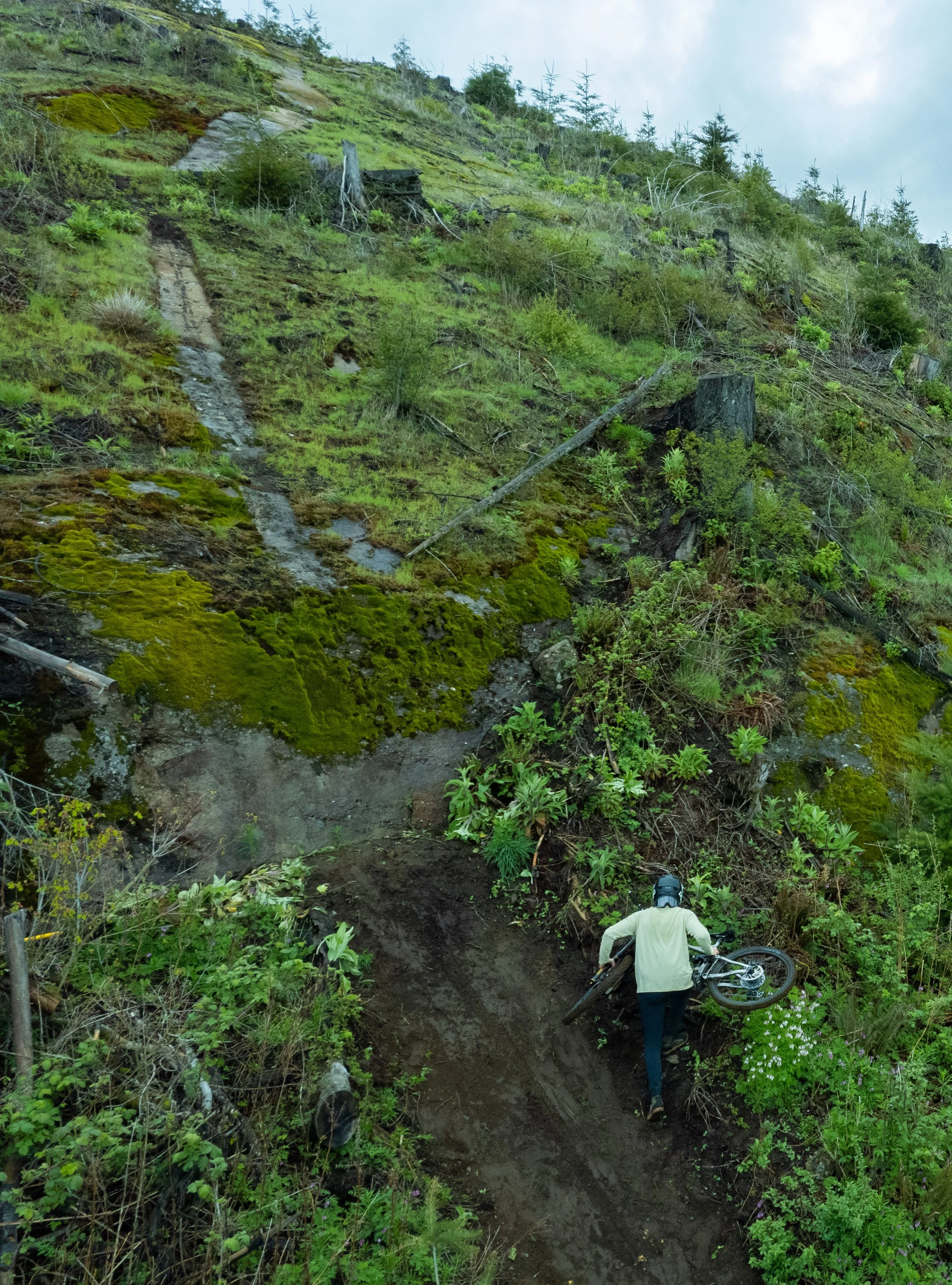
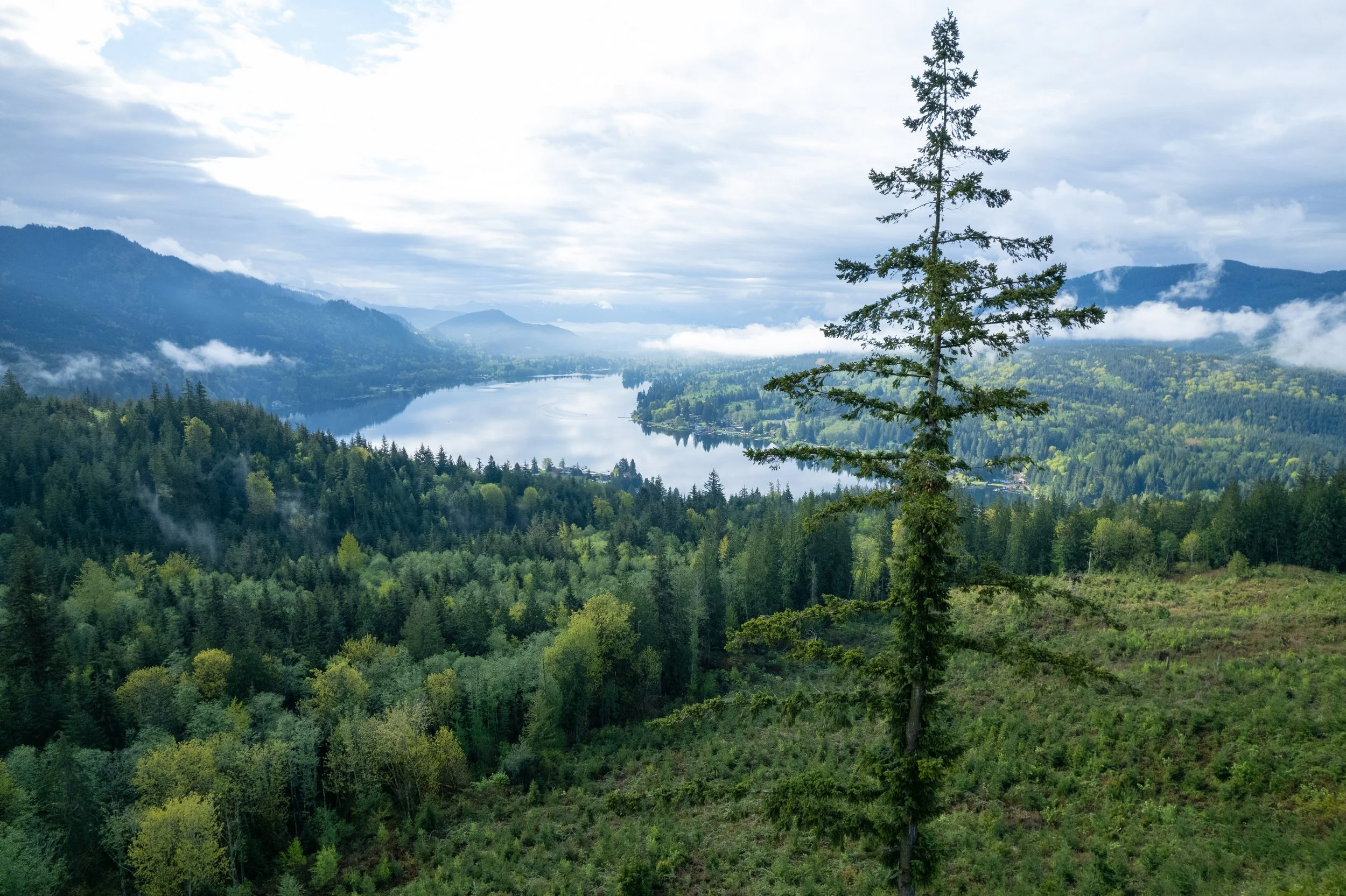
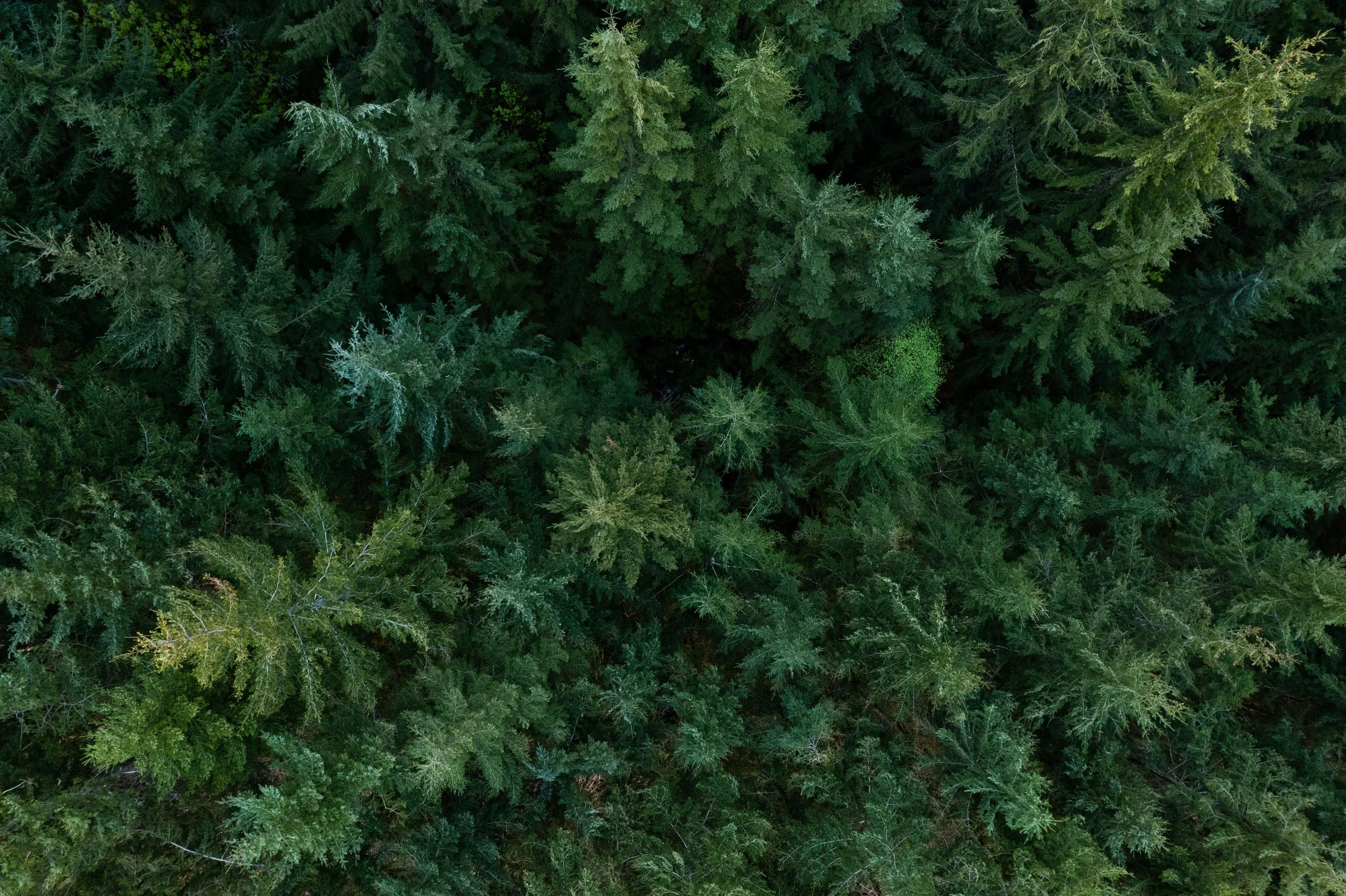
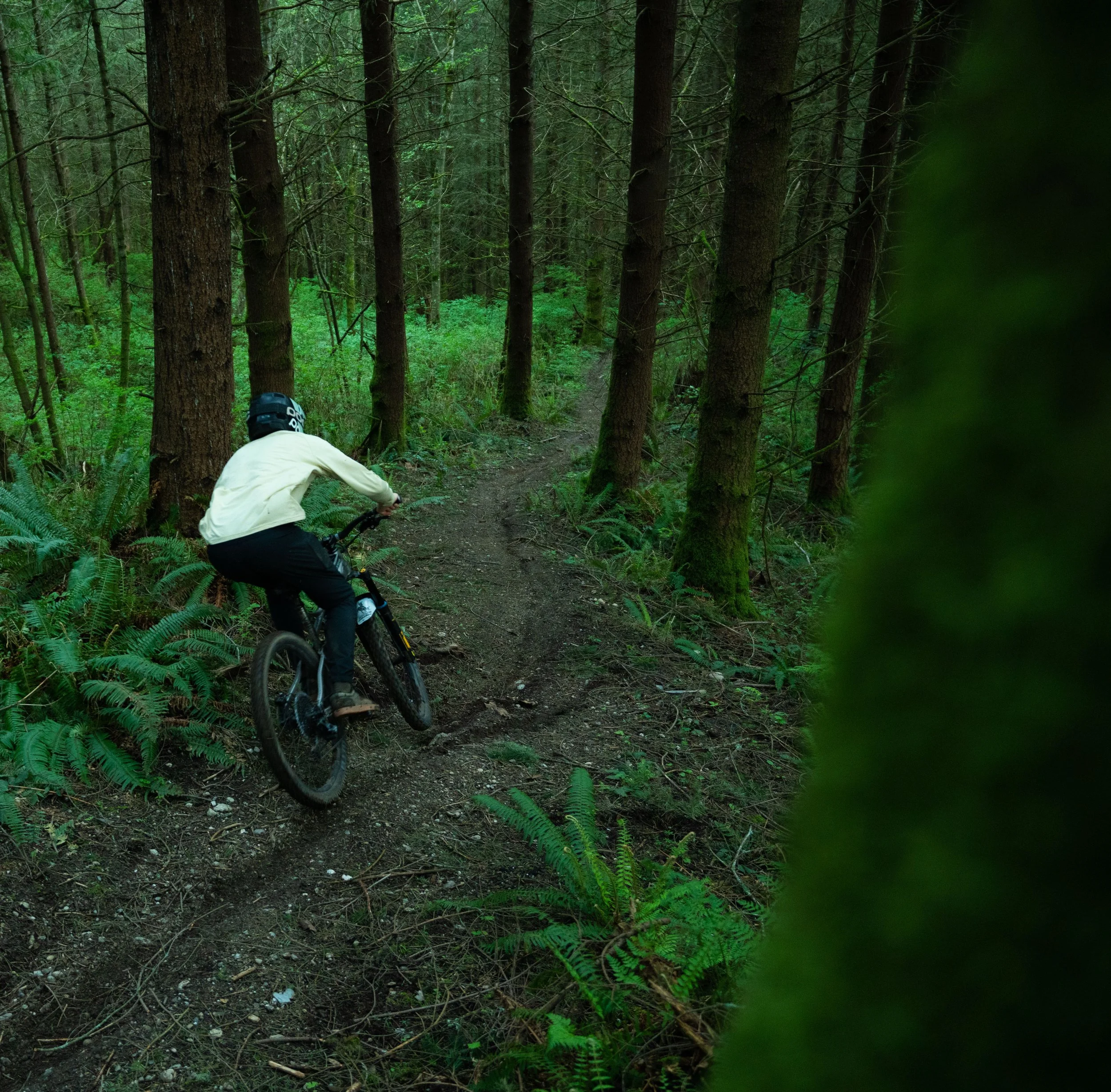
On a moto ride one rainy PNW day, a moss-covered hillside of rock caught my attention. No trail in or out, but the multi-stage rock roll with a close-out drop had an allure you normally only feel in British Columbia. I’d head out there on rainy afternoons, tunneling through dense bushes, prickers, and remnants of down trees; a specific type of trail building hell only found in clearcut forests. Once able to start on the rock roll, the build time sped up considerably and allowed me to focus on the epicness of that 10-second line. The result was a unique contribution to the area, and one of the more fun and engaging features I’ve ridden. Following the rock roll, we flew down barely raked fresh loamers and enjoyed some longer trails I had built in previous years.
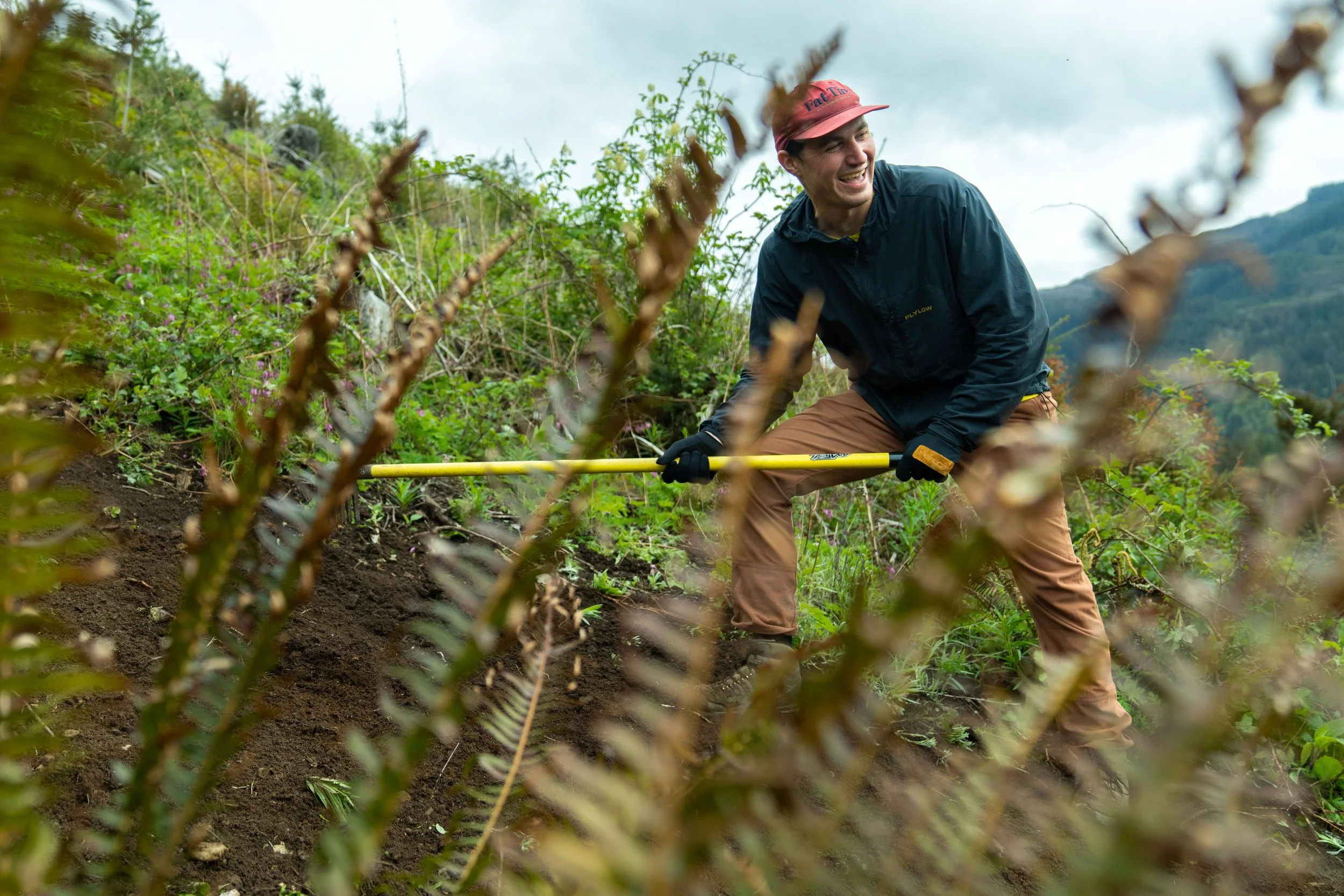
With the rich jungle of the PNW behind us, our gears shifted back to the intercontinental region where large open faces were more prominent. Alex and I had a few areas in mind from our time living in Wyoming that we knew we wanted to explore with this new mindset.
A short time later, we found ourselves crossing waist-deep rivers to scratch in an amazing section of loamy singletrack feeding into a seldom-ridden landslide. We’d drop in on our fresh skidder, which would eventually open up into a wide and steep freeride zone: fast, hard-packed shale, and small, well-spaced trees that gave the feeling of gladed skiing. Given the remote experience, it was hard to think just a short drive away, the classic trails of Teton Pass welcomed a more traditional ride. With our main objective complete, we explored the vast moto terrain which enticed us to clear some hill climbs and rebuild sections of trail long forgotten by our gas-powered brethren. It turned out to be some of the best trail riding of the year. We were breathing life into forgotten corridors through the forest.
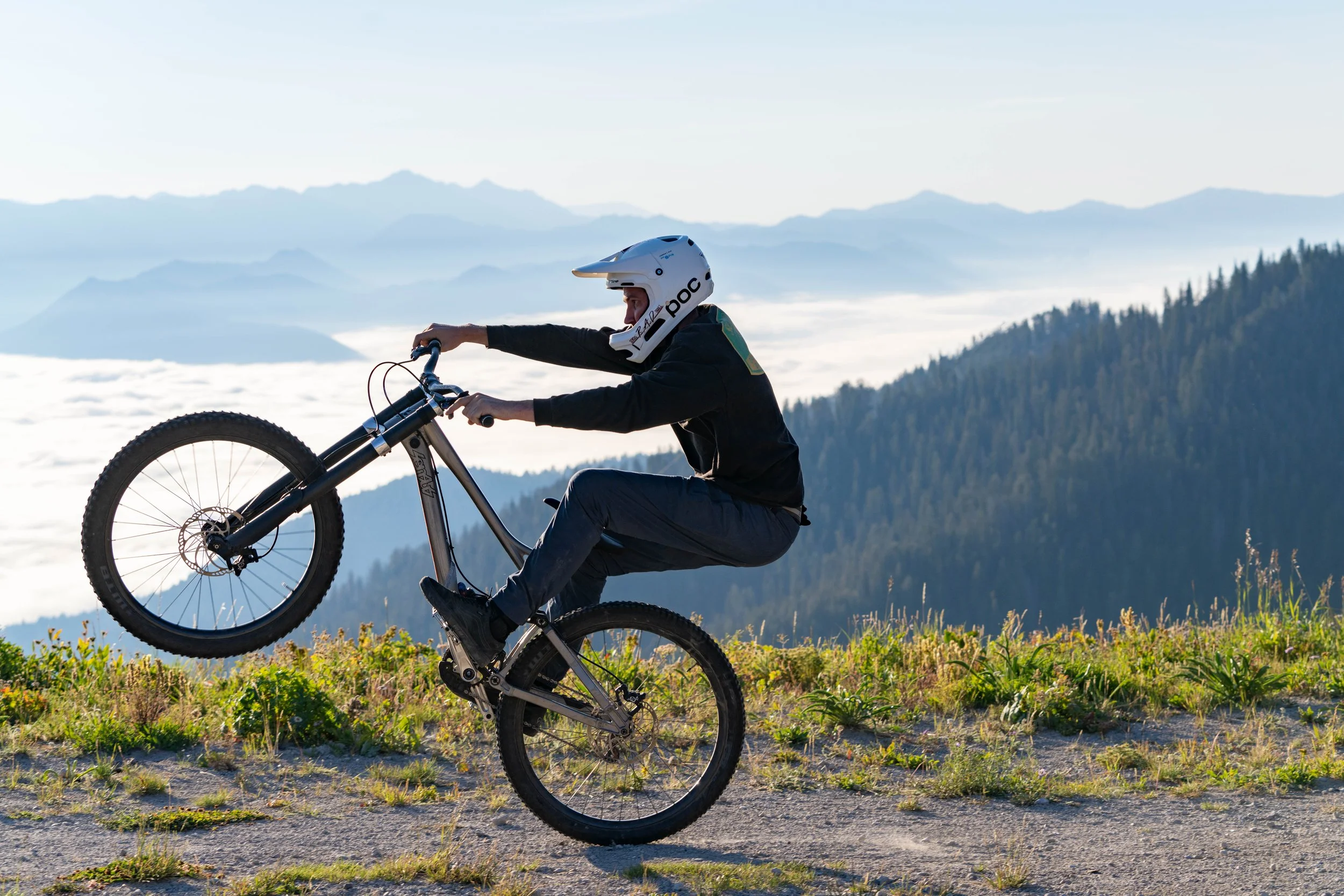
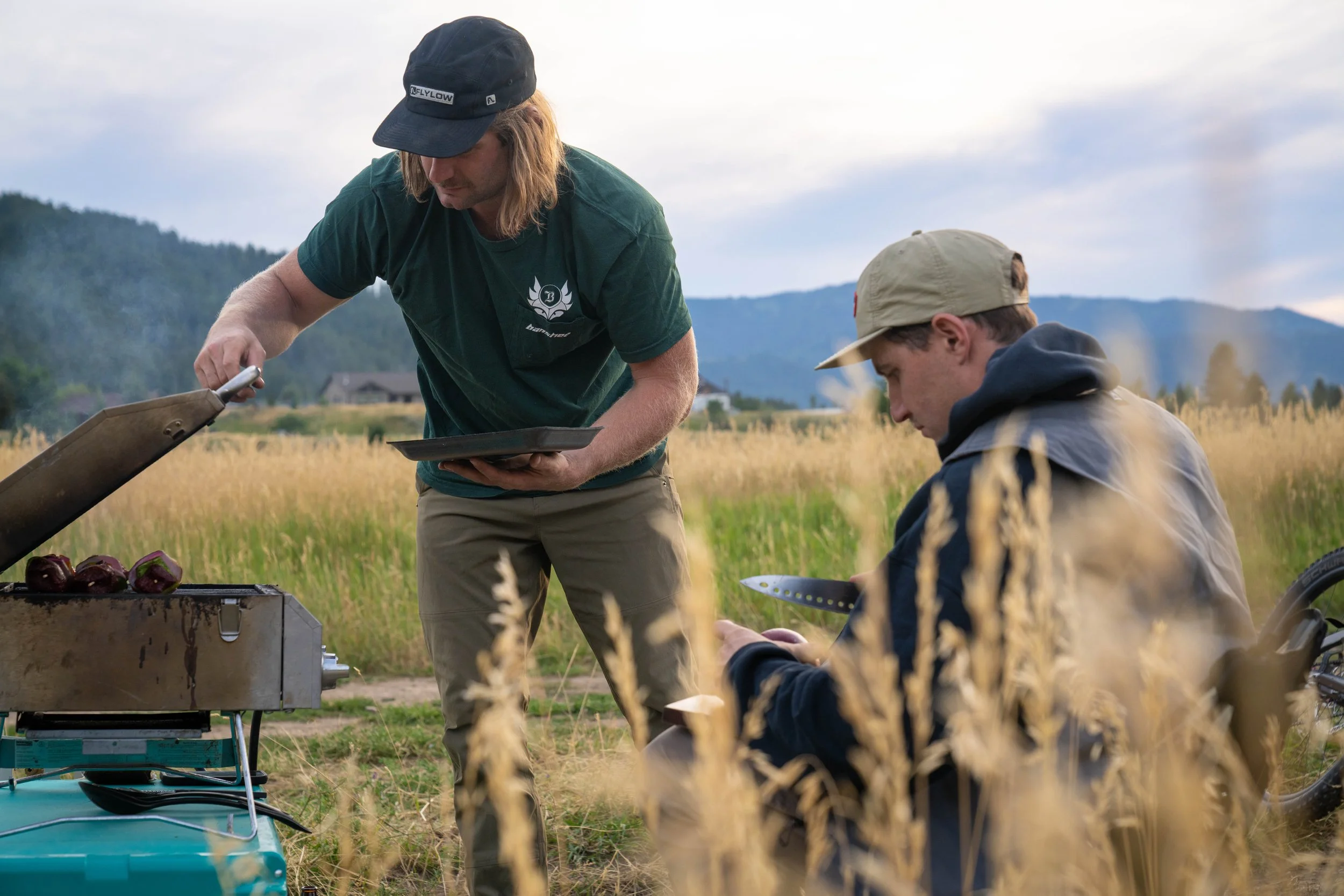
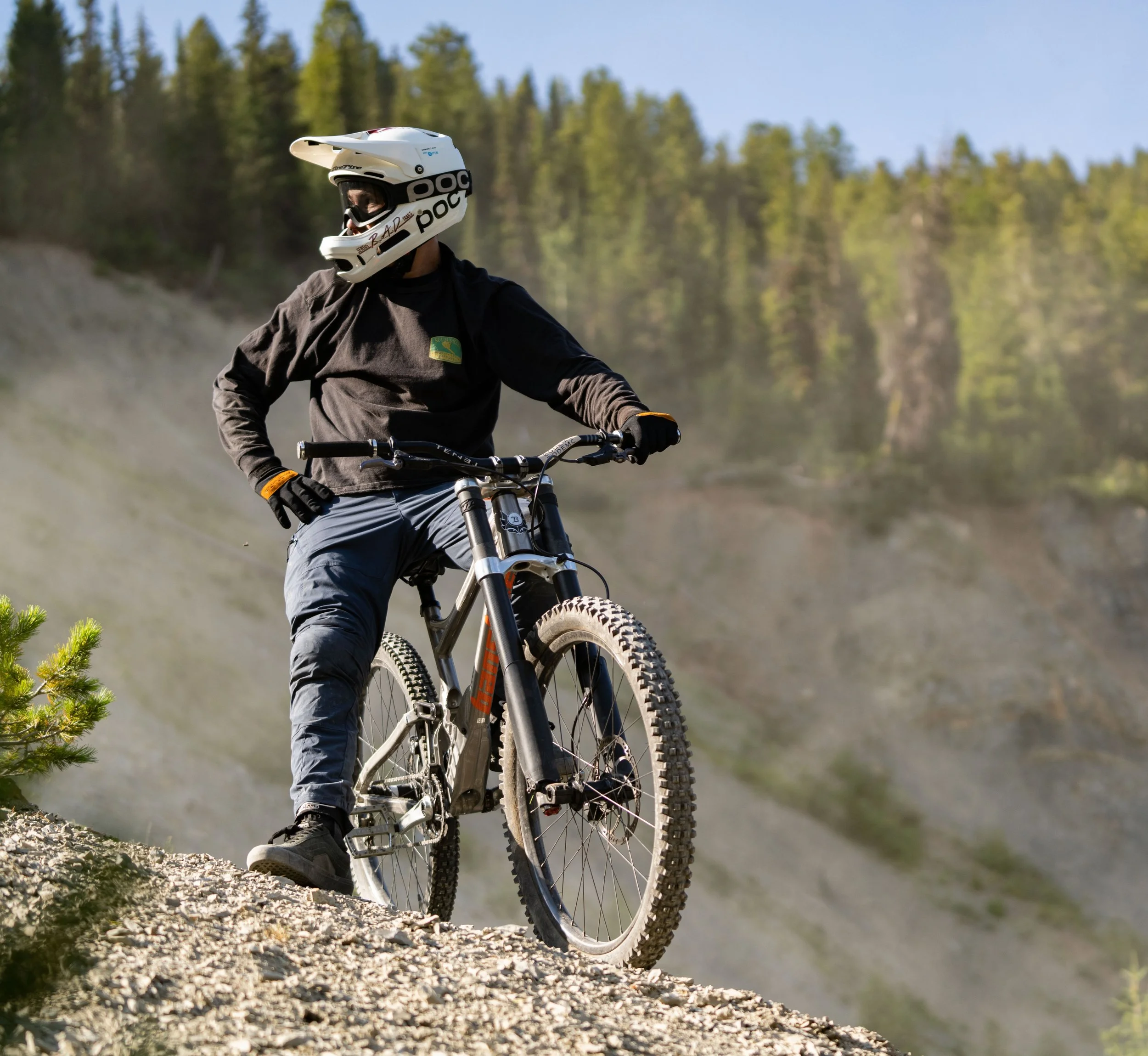
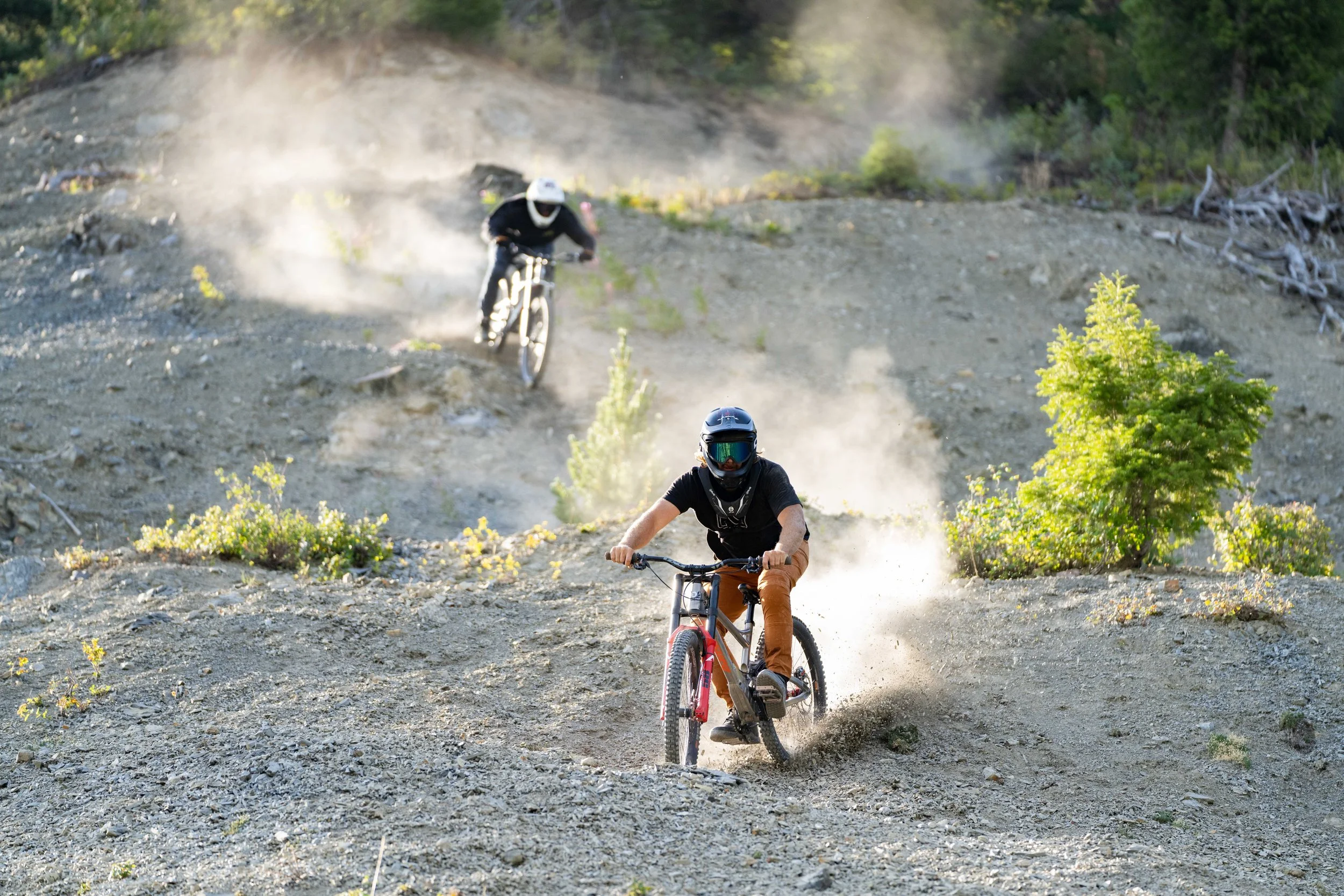
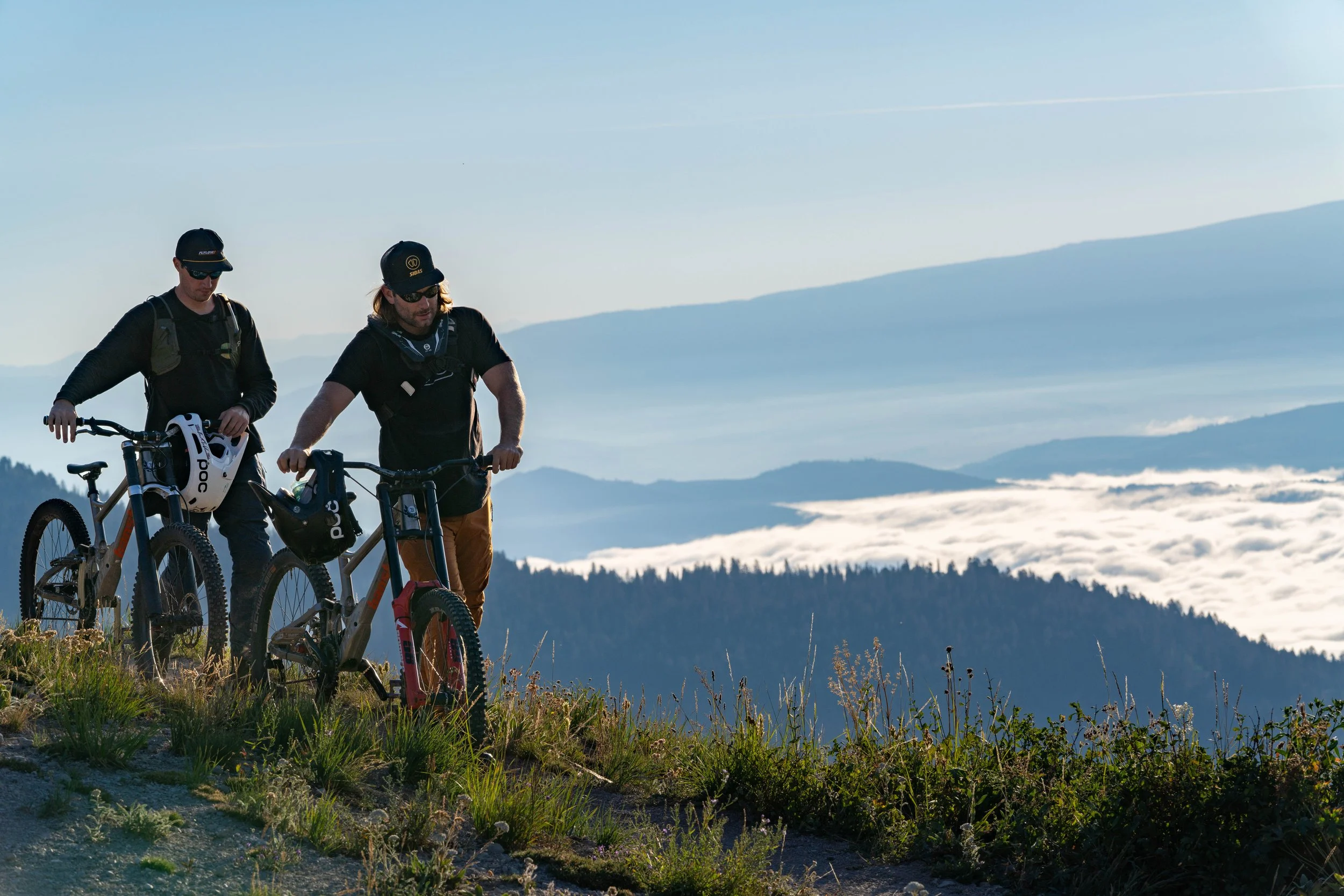
Subsistence has given us a fresh look at our surroundings. Long, beautiful, flowing trails are amazing, but taking on shorter, minimalist builds opened our minds to new ideas about what trail building can be. Being able to ride hand-built trails across three states on a normal work and family schedule was an experience that showcases what’s possible with this mindset. It turns out those things we may pass by every day do have potential when we open our minds to new ways of interpreting terrain.
————————————
This article originally appeared in Volume 2, Issue 2 of Trail Builder Magazine.
Charles Stemen
Charles Stemen is an adventure photographer based (but not stuck) in Bozeman, MT. In addition to photography, he operates an independent design studio and can usually be found seeking out local skidder trails and exploring local peaks.
Cody Wilkins
Cody Wilkins is a professional mountain biker and trail builder who runs Sensus RAD Trails, Cam Zink’s trail nonprofit. Based out of Bellingham, but found globally running excavators and riding the best trails out there. Sensus RAD Trails builds everything from singletrack to some of the biggest jumps in the world. When build season ends, Cody and the RAD crew spend time riding moto, surfing, skiing, fishing, exploring, and dreaming up the next project.
