What Happens When a Mountain Bike Park Becomes an Economic Engine?
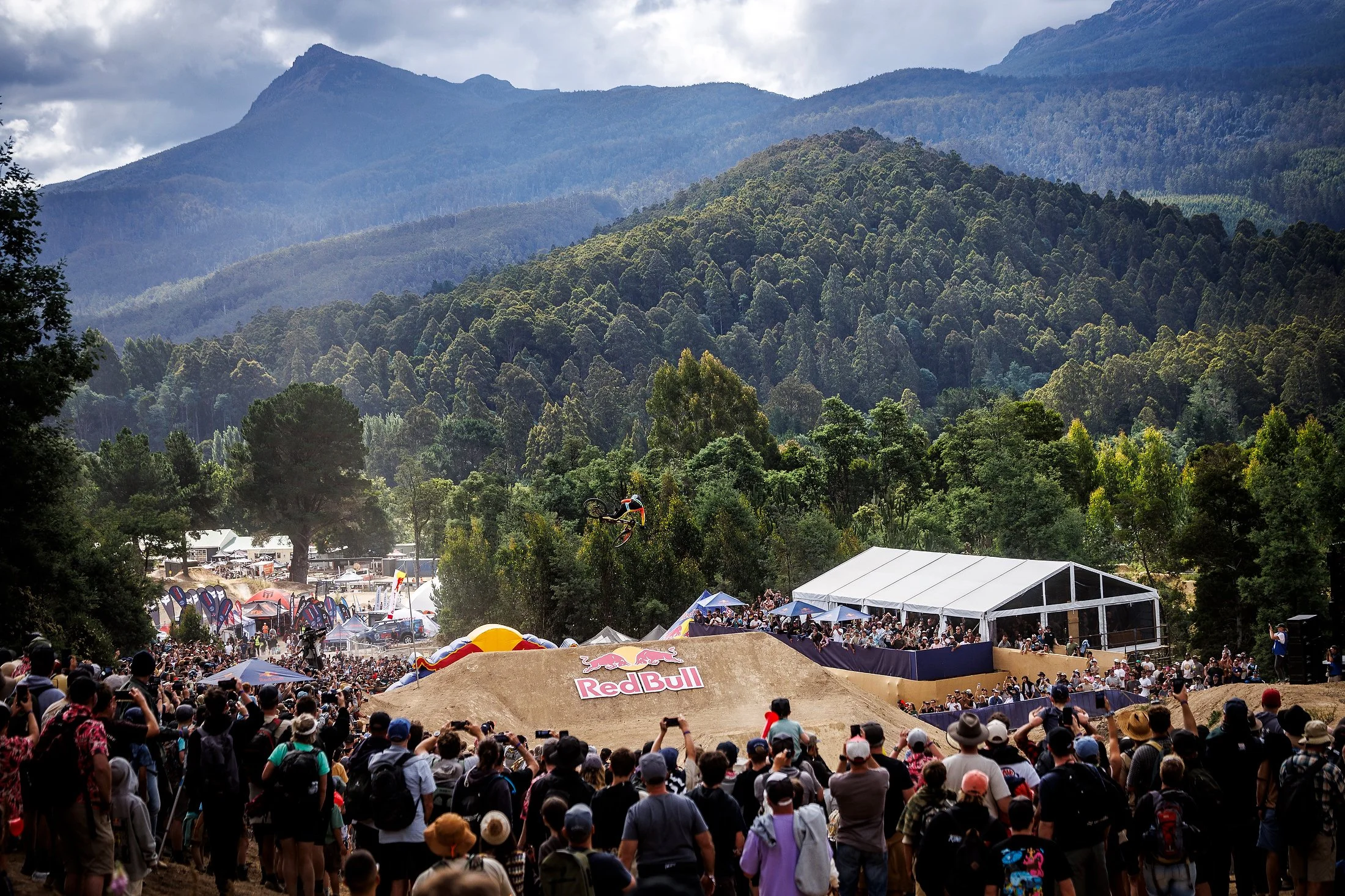
New economic data from Tasmania’s Maydena Bike Park offers another compelling case for investing in trails.
For years, advocates have argued that mountain biking can transform rural communities.
Now, new economic data from Tasmania suggests that, under the right conditions, that argument is no longer just aspirational. It is measurable.
A recently released economic impact report found that Maydena Bike Park generated an estimated $53.96 million annually for the Tasmanian economy, accounting for nearly 46% of the state’s entire mountain bike tourism economy. Of that total, $45.1 million came from interstate and international visitors, bringing significant new spending into the region.
The report also found that Maydena attracted 56.1% of all out-of-state mountain bike visitors to Tasmania, making it the state’s highest-yielding mountain bike destination.
Those are remarkable numbers.
But perhaps the most interesting takeaway is not the size of the economic impact itself. It is what those figures represent for communities around the world that are considering investing in trails.
A Bike Park ... and Then Some
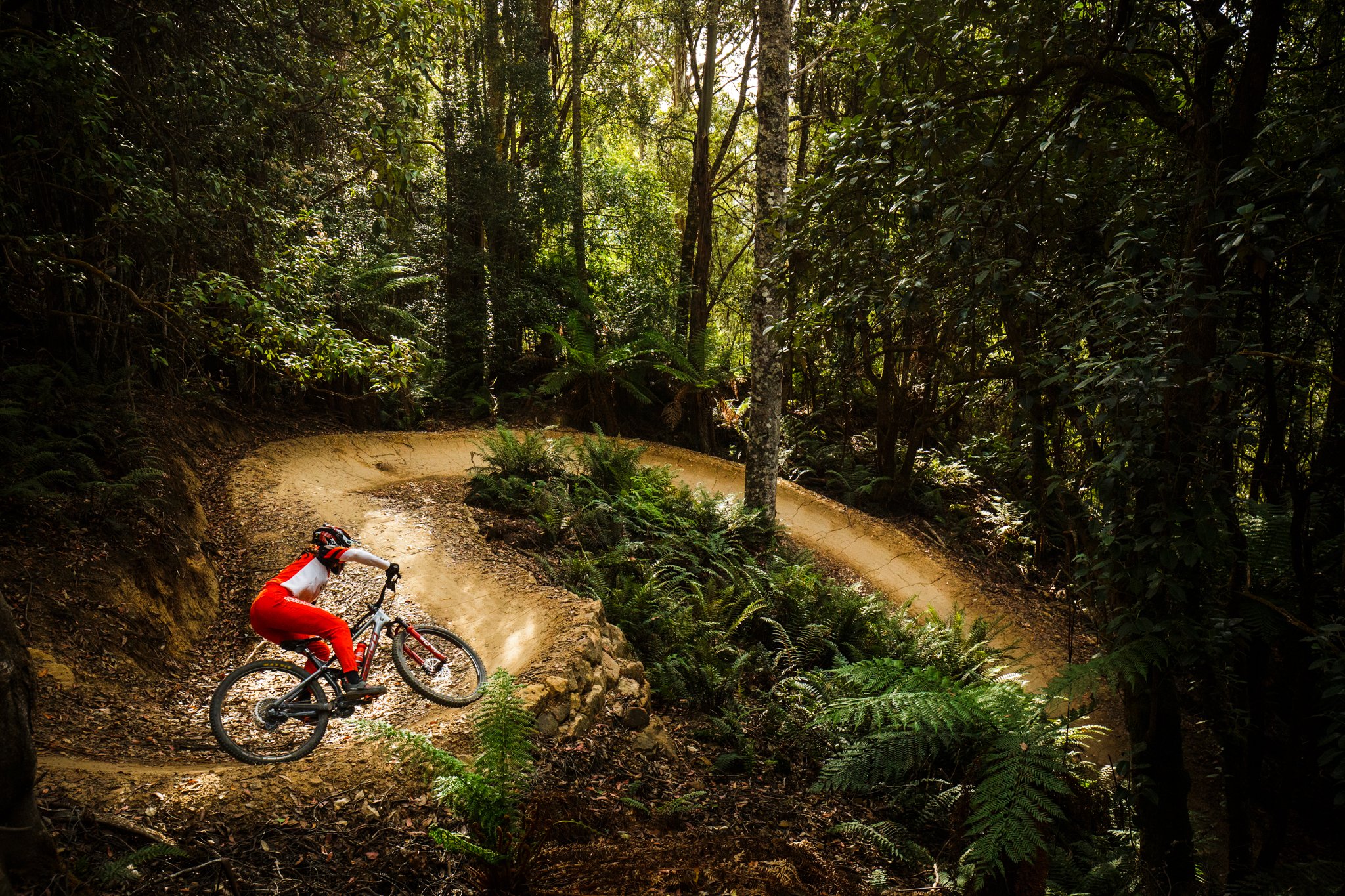
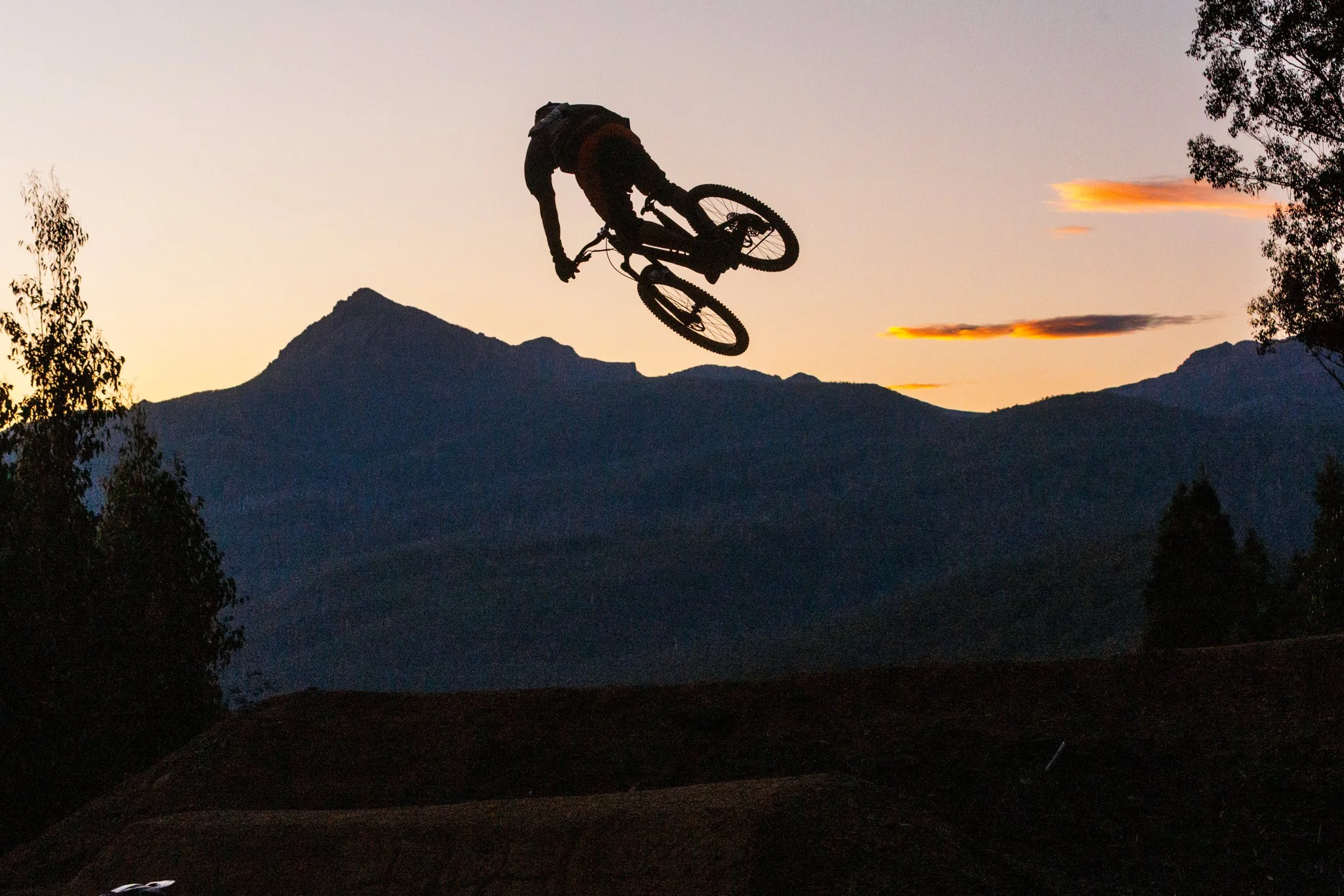
When Maydena Bike Park opened in 2018, it featured roughly 35 kilometers of trails aimed primarily at advanced riders.
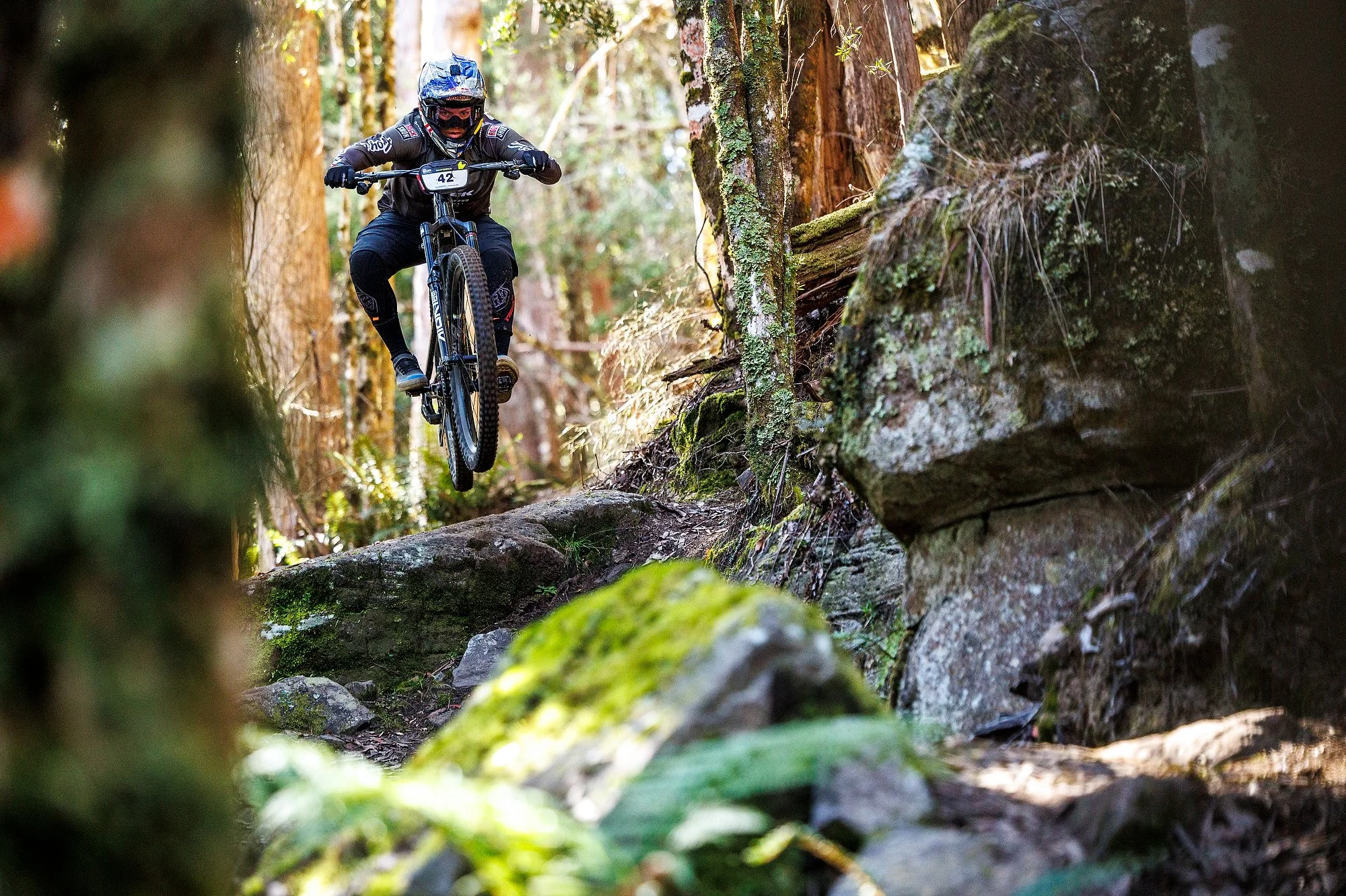
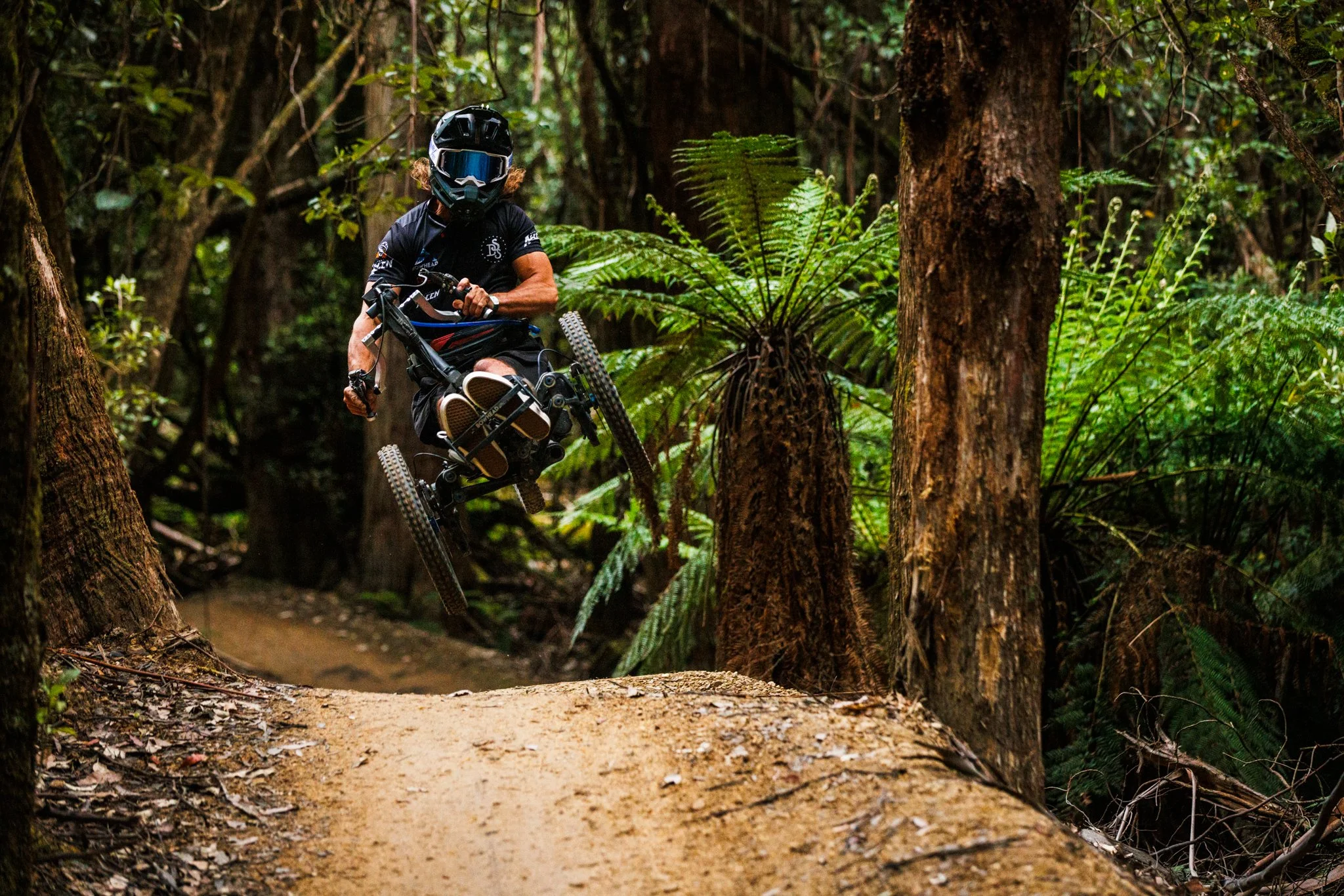
Today, the network has grown to nearly 100 kilometers while expanding its appeal to beginners, families, and visitors of all ability levels. Along the way, it has become a destination capable of hosting globally recognized events such as the Enduro World Cup and Red Bull Hardline, further elevating Tasmania’s reputation as one of the world’s premier gravity riding destinations.
According to the report, Red Bull Hardline and Gravity Fest generated $4.1 million in direct visitor spending during 2025 alone, while broadcasting Tasmania to millions of viewers around the world.
The bike park now supports more than 240 full-time equivalent jobs across a wide range of industries.
Those jobs are not limited to trail builders.
They include hospitality workers, shuttle drivers, mechanics, guides, restaurant employees, retailers, accommodation providers, event staff, and countless others whose livelihoods are directly or indirectly connected to outdoor recreation.
A Pattern We’re Seeing Around the World
Maydena is hardly the first place to demonstrate the economic value of mountain biking.
Across North America, Europe, and Australia, communities are increasingly viewing trails as infrastructure capable of attracting visitors, supporting small businesses, and diversifying rural economies.
Here in Oregon, for example, an analysis commissioned by Travel Oregon, the Oregon Office of Outdoor Recreation, and the Oregon Department of Fish and Wildlife found that outdoor recreation supported $15.6 billion in spending and 224,000 full- and part-time jobs statewide in 2019. Visitor spending alone accounted for $7.3 billion in trip-related spending and supported 115,700 jobs, underscoring the role outdoor recreation tourism can play in regional economies.
Likewise, a growing body of research compiled by the Trust for Public Land documents similar economic impacts from mountain bike destinations throughout the United States, including Vermont’s Kingdom Trails, Chattanooga, Oakridge, and many others.
Success Doesn’t Happen by Accident
It would be easy to look at a headline announcing a $54 million annual economic impact and conclude that building trails automatically creates prosperity.
The reality is considerably more nuanced.
Successful trail destinations succeed because communities invest in an entire ecosystem.
That includes trail maintenance, visitor services, lodging, restaurants, marketing, events, transportation, local partnerships, and long-term stewardship. It also requires organizations willing to think years, or even decades, into the future.
Maydena illustrates this well.
The report notes that approximately $1 million in government investment has been complemented by more than $6 million in private investment, with additional commercial development already being planned around the bike park.
Yes, trails are the catalyst. They’re just not the whole story.
Why This Matters for Trail Builders
As I’ve written before, I know this isn’t top of mind when most trail builders head into the woods. Yet every completed trail eventually becomes part of something much larger.
No, not every trail system will become the next Maydena. Nor should that be the goal. But reports like this continue to reinforce an important truth: trails are no longer just recreational amenities.
Increasingly, they are community assets, tourism infrastructure, and long-term investments in rural economies.
—————————————
Photos supplied by Simon French, Managing Director | Maydena Bike Park
DOWNLOADS


Sean is the Founder and Editor-in-Chief of Trail Builder Mag, a digital media instructor, and the Communications Director for the Northwest Trail Alliance in Portland, Oregon. Email: sean@trailbuildermag.com