The Trust Gap: Why Rural Communities Don’t Always Welcome New Trails
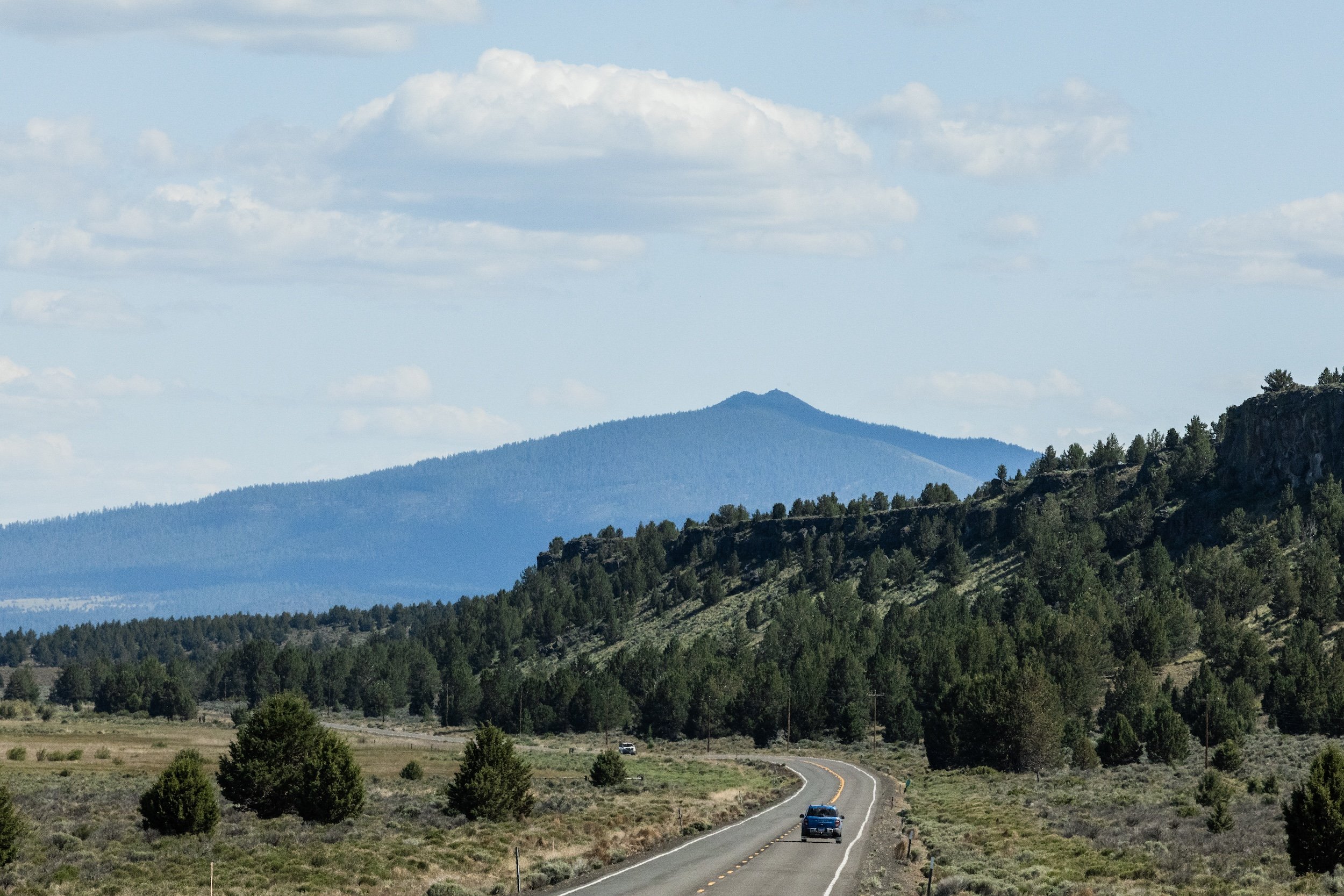
I was standing in a ditch with a camera in my hand. It offered a better angle for photographing the peloton as it raced toward me along a rural highway in eastern Oregon.
While I waited, I clicked through my camera settings one last time. Then I heard it before I saw it.
A lifted diesel pickup came barreling down the road, drifting toward the centerline. As the driver approached, he spotted me, rolled down his window, flipped me off, and started yelling.
He was moving too fast for me to hear what he said. I didn’t need to. He was pissed.
A few minutes later, after the lead group of elite women had passed, another rider came through alone, working hard to bridge the gap. As I watched her approach, I noticed an eighteen-wheel semi bearing down behind her, straddling the centerline.
That driver wasn’t happy either. Neither were several others throughout the day.
There were more middle fingers, more yelling, and more frustration. It was almost always the same profile: pickup trucks and cowboy hats.
Before you assume this is going to become an article criticizing pickup truck drivers or complaining about motorists, let me stop you. It isn’t.
Besides, while I don’t own a cowboy hat, I sure like cowboy shirts, pearl buttons and all.
What I witnessed wasn’t really about bicycles. It was about something much deeper.
It was a clash of cultures.
The Facebook Comments Told the Real Story
I was managing social media for the race throughout the weekend, posting photos and updates throughout each day. On Facebook in particular, comments from locals started rolling in almost immediately.
“You are a hazard.”
“Go to a trail!”
“Nobody wants you here.”
“Quit clogging up our roads!”
“What a waste of resources.”
At first glance, it would be easy to dismiss comments like these as anti-cyclist rhetoric. I don’t think that’s what they really were. I think they were expressions of resentment, frustration, and suspicion.
They reflected a feeling that change was happening to the community rather than with the community.
That’s a very different conversation.
And while the people commenting may have told riders to “go to a trail,” those of us who build, maintain, and advocate for trails should resist the temptation to think trail development is somehow free from the same tension.
Moving bicycles off the road and onto singletrack doesn’t automatically resolve the cultural conflict.
Sometimes, it simply moves the conversation into the woods.
“Go Ride a Trail” Is More Complicated Than It Sounds
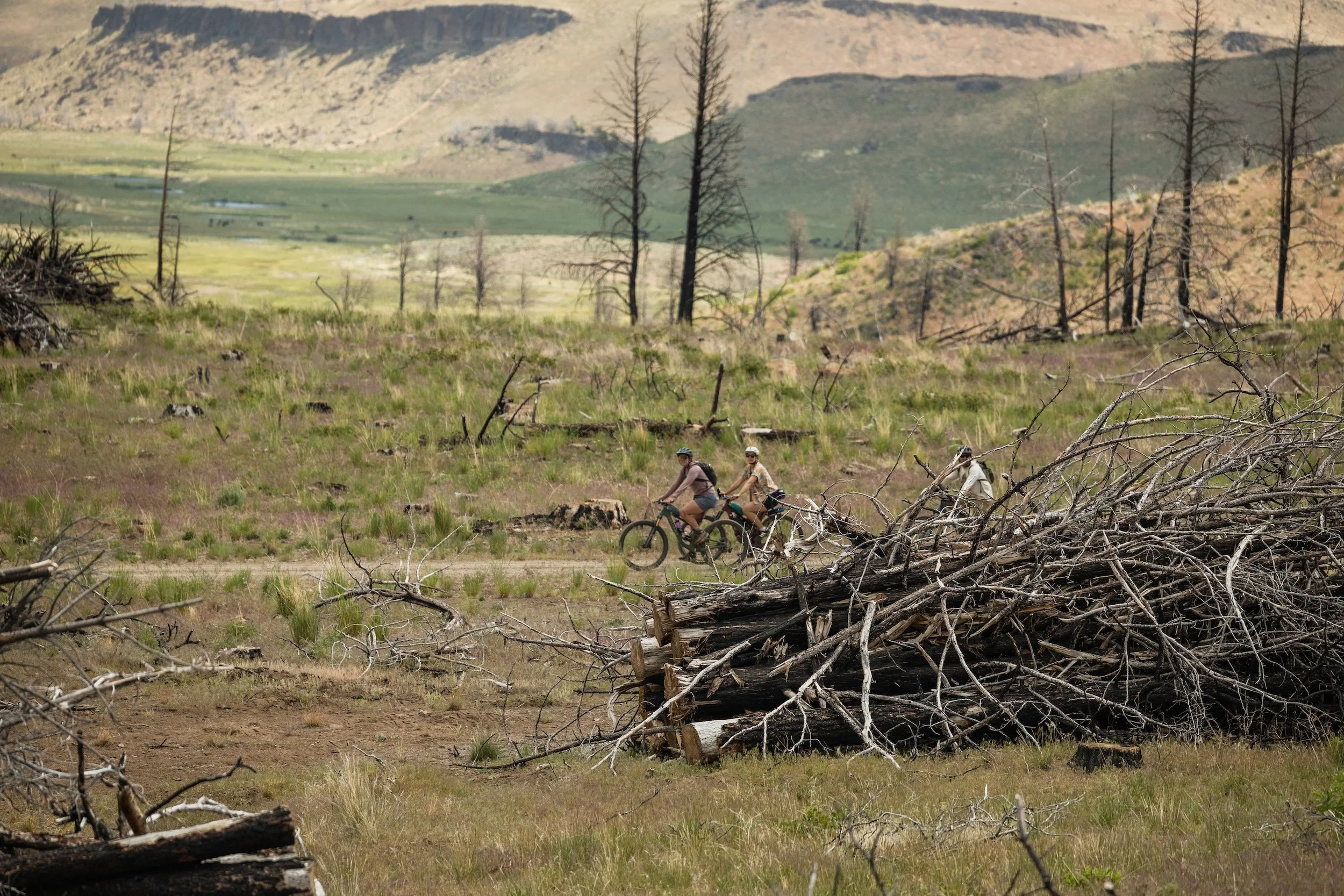
From within the mountain bike community, a new trail network can feel like an obvious benefit.
Trails provide recreation. They encourage people to get outside. They create opportunities for youth programs, races, festivals, bikepacking routes, guiding businesses, and outdoor tourism. They can support restaurants, lodging, bike shops, shuttle companies, and other local businesses.
For trail builders, a new network can represent years of advocacy finally becoming tangible. It is a line on a map becoming a corridor through the landscape. It is a grant being awarded, an environmental review being completed, and volunteers or professional crews finally putting tools in the dirt.
But from the perspective of someone who has lived in that community for decades, the same trail system may represent something entirely different.
It may mean more vehicles driving down a quiet gravel road. It may mean crowded trailheads, unfamiliar faces, dust, noise, litter, loose dogs, emergency calls, and riders crossing ranch roads or private property.
It may mean watching outsiders give a new name to a place locals have known their entire lives.
It may mean seeing a once-quiet corner of the forest appear on Trailforks, Instagram, or a popular bikepacking website.
It may mean change.
Trails Change More Than the Landscape
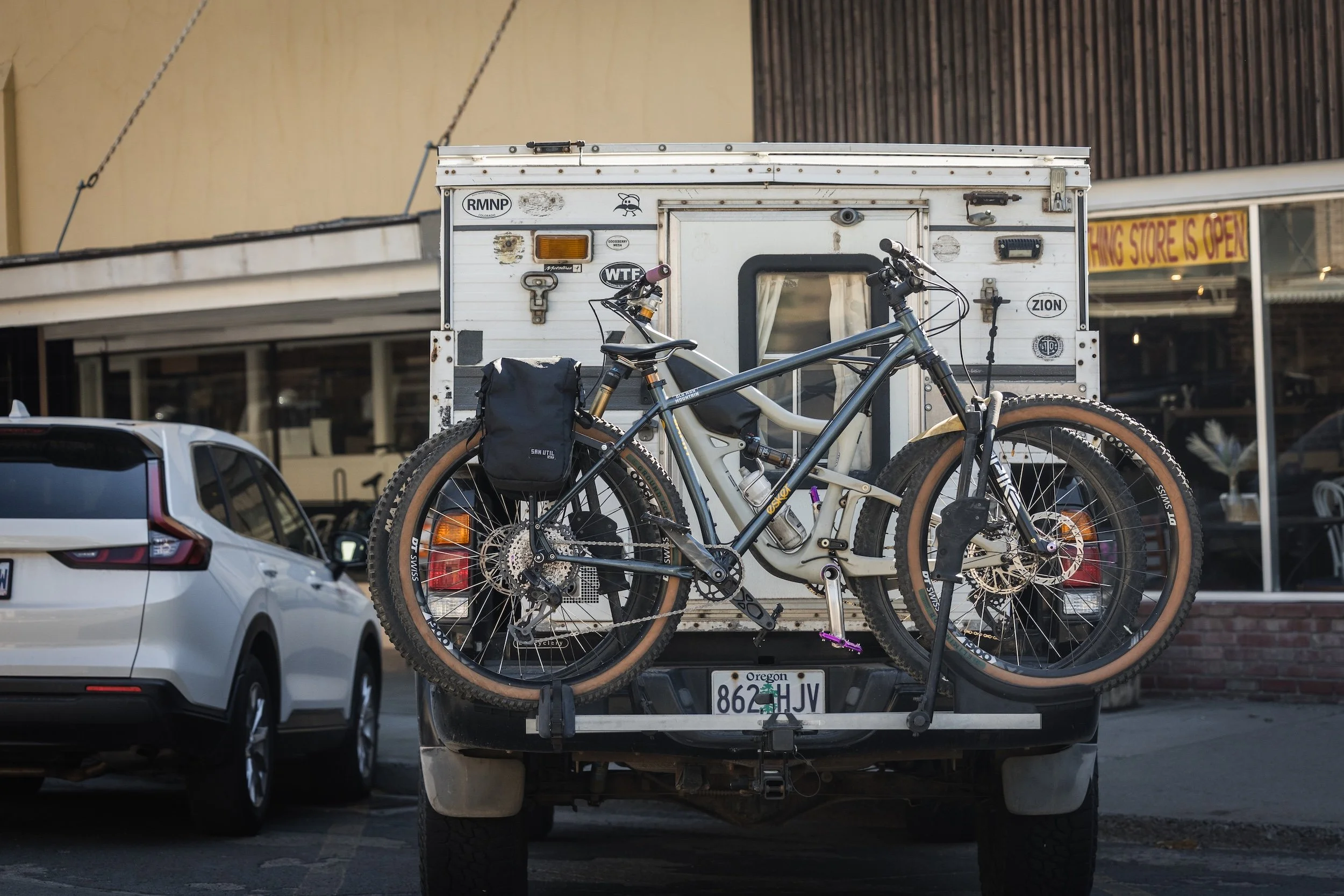
Every time we build a trail, we change the physical landscape. We cut corridor, shape tread, move rock, construct crossings, and determine how people will travel through a place.
But trails also reshape the human landscape.
A new trailhead affects nearby residents. A destination network changes traffic patterns. A long-distance bikepacking route introduces riders to small communities that may have little lodging, limited food options, and overstretched emergency services.
A popular trail system can create new business opportunities, but it can also place additional pressure on housing, infrastructure, parking, public lands, and local services.
Even the language we use can create tension.
We talk about “discovering” hidden places, despite the fact that people have lived, worked, hunted, farmed, logged, grazed livestock, and raised families there for generations. We describe communities as having “untapped potential,” as though their value only becomes visible once riders from somewhere else arrive.
Then we photograph the trails, draw lines across maps, create names, upload routes, and begin promoting the experience.
From inside mountain biking, this feels like enthusiasm.
From outside, it can feel like possession.
Rural Communities Remember
Maybe I understand some of this because I grew up in a dumpy little town in Iowa, and I say that with a tremendous amount of affection.
Like many people who grew up in rural America, I was skeptical of cities.
People from “the city” always seemed to arrive with big ideas about how small towns should change. Most of us simplywanted to be left alone.
Life moves differently in rural communities. Relationships matter. History matters. Trust is earned rather than assumed.
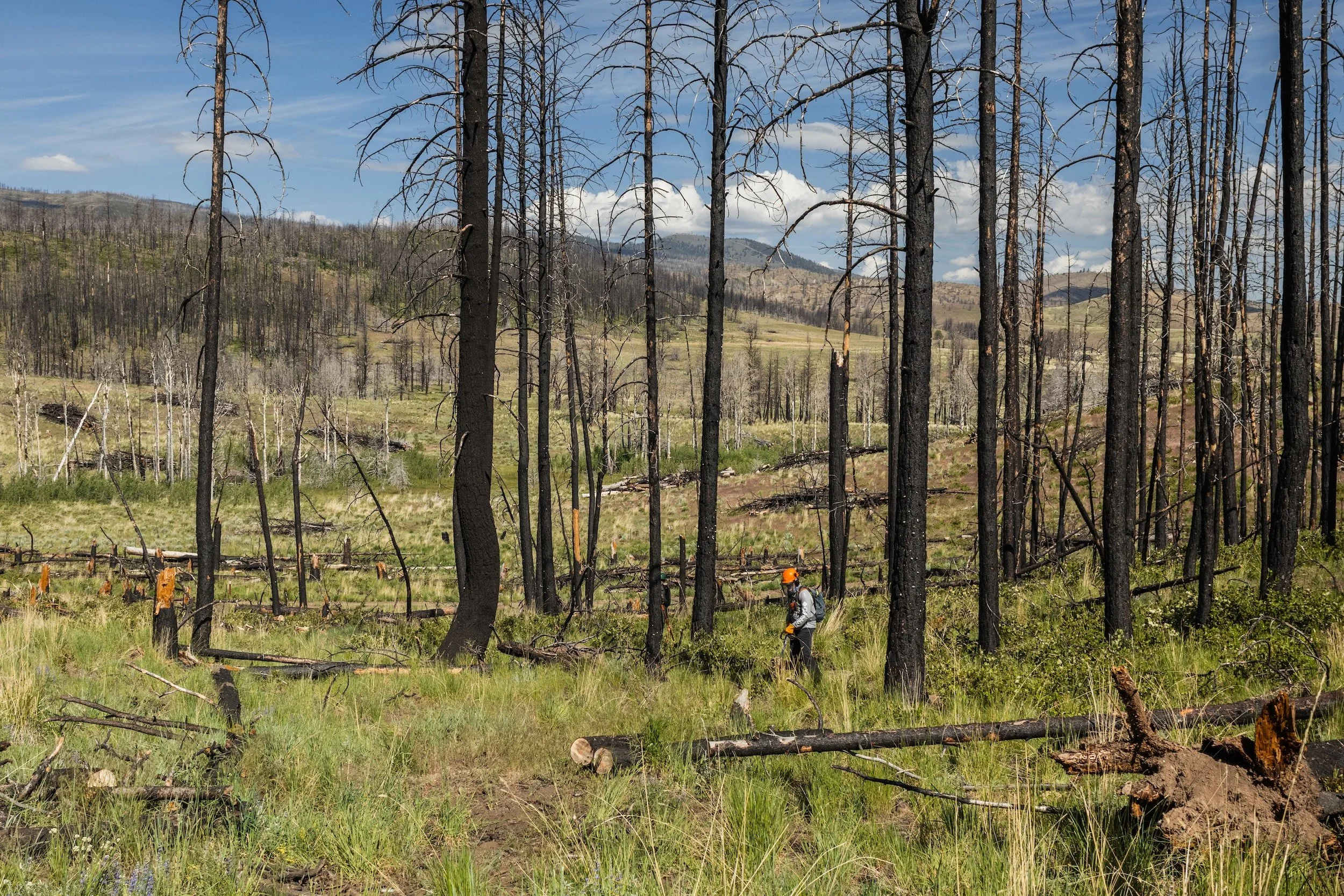
Many of the towns now being considered for mountain bike tourism or trail-based economic development arrived at this moment because something else disappeared.
Across much of the American West, it was the mill or the mine. In other places, it was manufacturing, agriculture, or another industry that once supported good-paying jobs and allowed families to remain in the community for generations.
When those jobs disappeared, populations declined. Schools shrank. Businesses closed. Young people moved away looking for opportunities elsewhere.
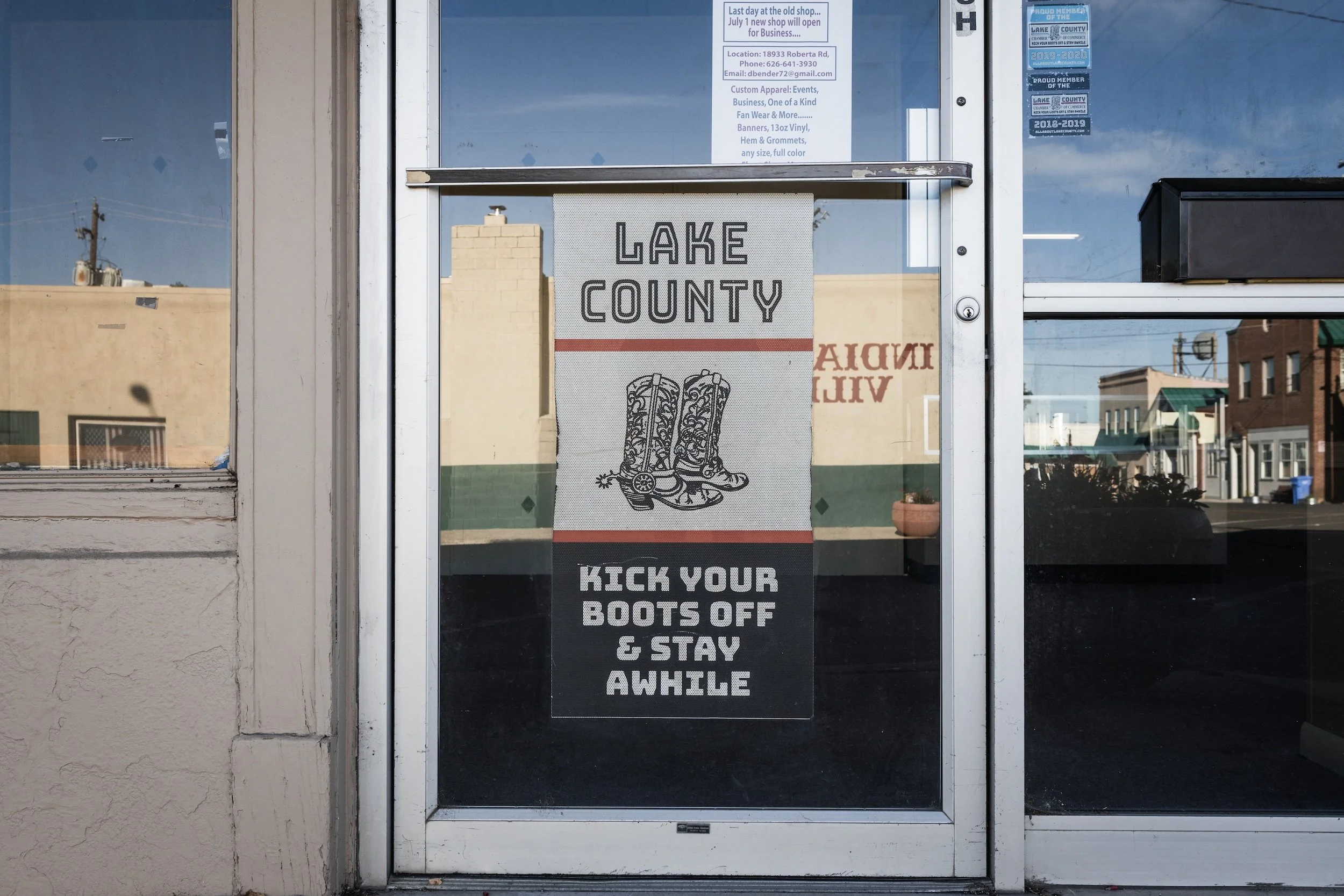
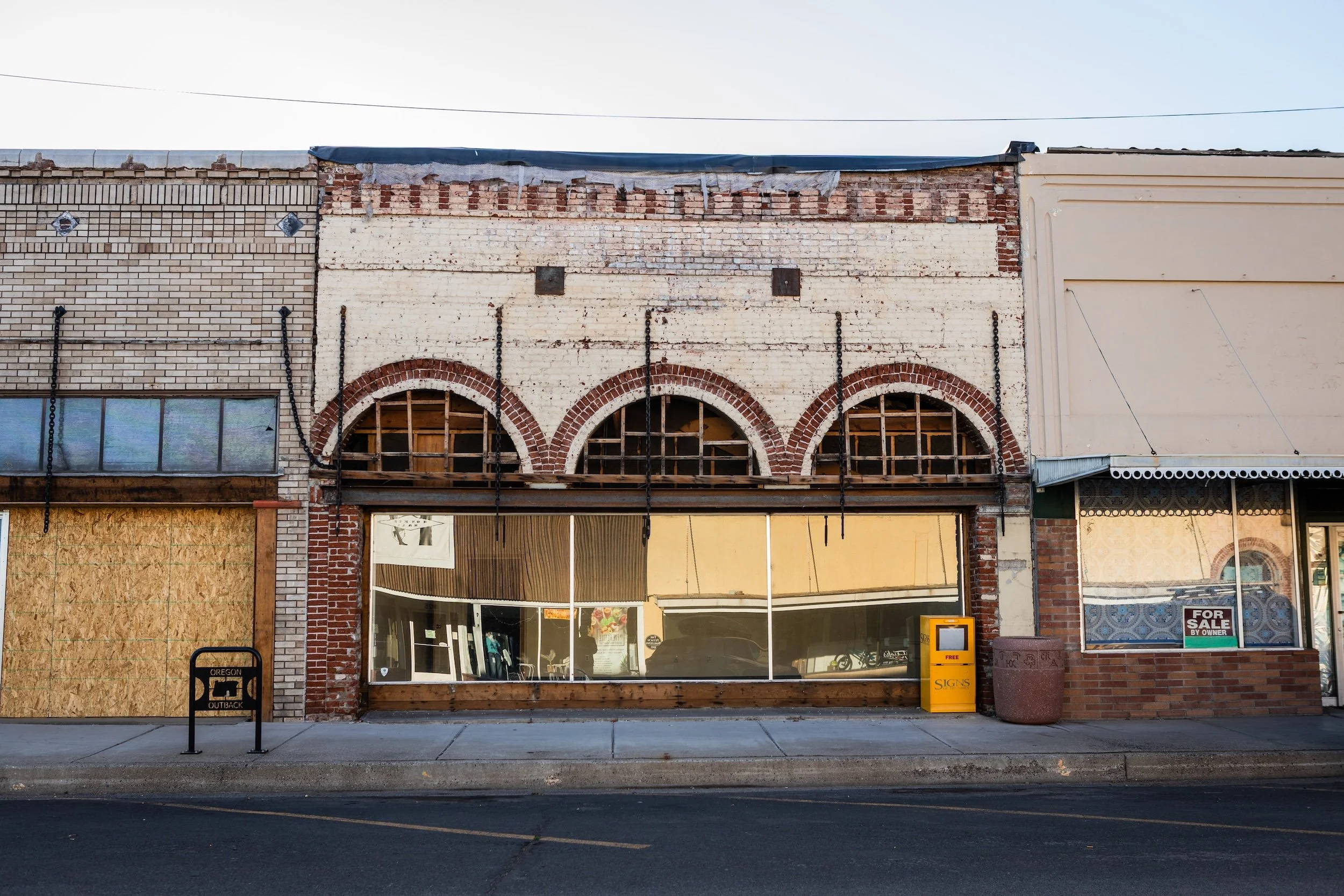
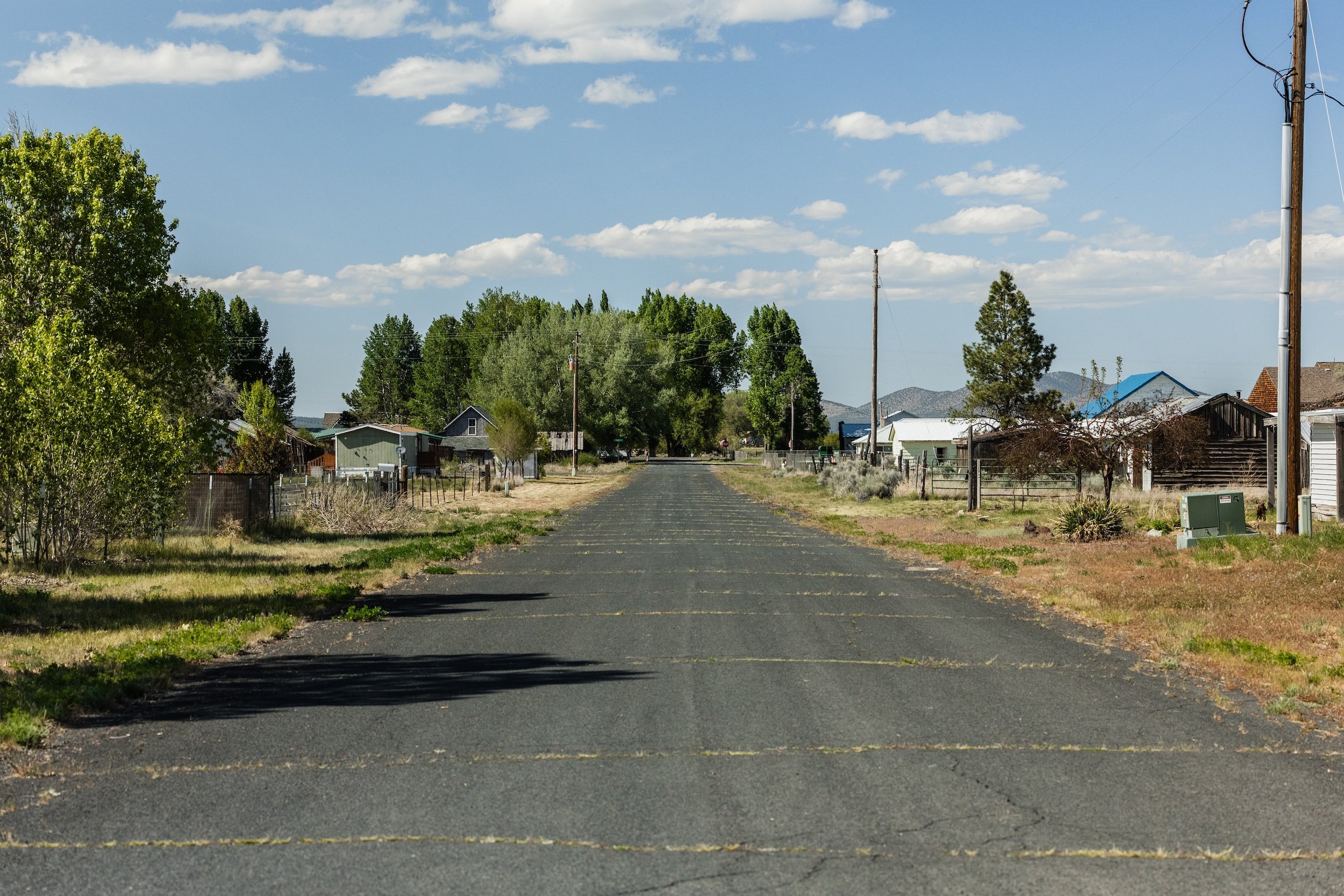
Recently, I spent time in Lakeview, Oregon, another community navigating this reality. Conversations there often return to the decline of the timber industry and the long shadow it left behind.
Whether people agree or disagree about the policies that shaped those changes isn’t my point (e.g., protecting the endangered spotted owl).
The point is that communities remember.
Economic transitions are not abstract policy discussions. They are deeply personal. They involve lost jobs, closed storefronts, shrinking schools, family members moving away, and a community questioning what its future will look like.
Then someone arrives and says mountain bike trails might be the answer.
We should understand why some people are skeptical.
Mountain Bike Tourism Looks Different Depending on Where You’re Standing
Many researchers, planners, land managers, and economic development professionals now see outdoor recreation as a promising opportunity for rural communities.
I happen to agree.
I have read the research. I have seen the success stories. I have watched communities create new opportunities through mountain biking, hiking, bikepacking, gravel cycling, rivers, and public lands.
Trail systems can attract visitors. Mountain bikers spend money on lodging, food, fuel, repairs, shuttles, guides, and equipment. Bikepacking routes can bring travelers through communities that might otherwise receive little tourism traffic.
But there is another side of the story.
Many of the riders arriving in rural communities come from somewhere else. They may be driving expensive vehicles, unloading expensive bikes, wearing expensive gear, and spending the weekend riding trails that local volunteers have maintained for years.
They record their rides, post photographs, leave reviews, and tell their friends about the incredible place they “found.”
Then they go home.
Meanwhile, longtime residents are left to figure out what increased visitation means for the place they have always called home.
Who maintains the trails after the grant money runs out?
Who responds when someone gets injured in the backcountry?
Who pays for toilets, parking, signage, trash collection, and road maintenance?
What happens when riders ignore seasonal closures or cross private property?
Do local residents receive meaningful benefits, or do they simply absorb the consequences?
Those are reasonable questions.
The Trust Gap
One of the biggest challenges facing mountain bike tourism is not building trails.
It is building trust.
We spend a lot of time discussing economic impact, visitor spending, hotel occupancy, trail counts, race registrations, and social media reach. Yes, those metrics matter, especially when advocates are making the case for funding and public support.
But communities are not spreadsheets. They are people, families, history, identity, and culture.
A technically excellent trail system can still fail socially.
A beautifully constructed trail does not automatically become a community asset simply because riders enjoy it. It becomes a community asset when local people understand its purpose, participate in its development, experience its benefits, and have a meaningful voice in how it is managed.
When residents feel ignored while outsiders celebrate their community’s future, resentment becomes almost inevitable.
The Goal Shouldn’t Be Another Moab
Mountain biking loves its destination success stories.
We point to Moab, Bentonville, Sedona, Whistler, and other communities that have become synonymous with riding. They offer examples of what trails can accomplish, but they can also create unrealistic expectations.
Ask many rural communities whether they want to become the next Moab, and the answer will be more complicated than trail advocates sometimes assume.
Yes, they want opportunities.
Yes, they want thriving businesses.
Yes, they want young people to stay and raise families.
But they may not want crowded trailheads, rising housing costs, traffic congestion, user conflict, and a local identity reshaped primarily around visitors.
Wanting economic opportunity and wanting to preserve community character are not competing ideas. Both are valid.
The goal should not be to copy another destination. It should be to help each community determine what responsible trail development looks like in its own context.
For one town, that might mean a destination-quality mountain bike network. For another, it might mean a small system built primarily for local families, youth programs, and weekend riders.
It could mean a bikepacking route that encourages travelers to stay overnight and support local businesses. It might mean improving existing trails rather than constructing dozens of new miles.
More is not always better.
Better is better.
Finding the Win-Win
I still believe mountain biking, bikepacking, and trail-based recreation can become meaningful economic opportunities for rural communities.
That has not changed.
What has changed is how I think about the process.
Success is not something that happens to a community. It is something built alongside the people who already live there. That takes time, listening, humility, and trust.
It also requires recognizing that trail development is not simply about attracting riders. It is about creating a future where longtime residents can thrive alongside the people discovering the community for the first time.
The best trail projects will not force communities to choose between economic opportunity and their identity.
They will protect what makes the place worth visiting while creating tangible value for the people who call it home.
Maybe that is the real challenge facing trail builders.
It is not building the next mountain bike destination hot spot.
It is helping each community build the best version of itself.
And the first tool we reach for should not be a shovel, saw, or excavator.
It should be trust.

Sean is the Founder and Editor-in-Chief of Trail Builder Mag, a digital media instructor, and the Communications Director for the Northwest Trail Alliance in Portland, Oregon. Email: sean@trailbuildermag.com